1989 Tiananmen Square protests and massacre, Historic site in Beijing, China
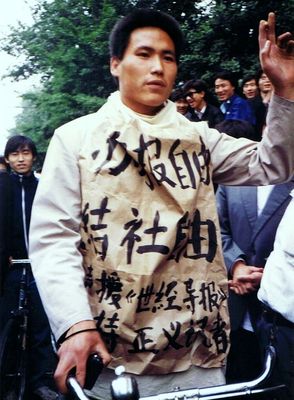
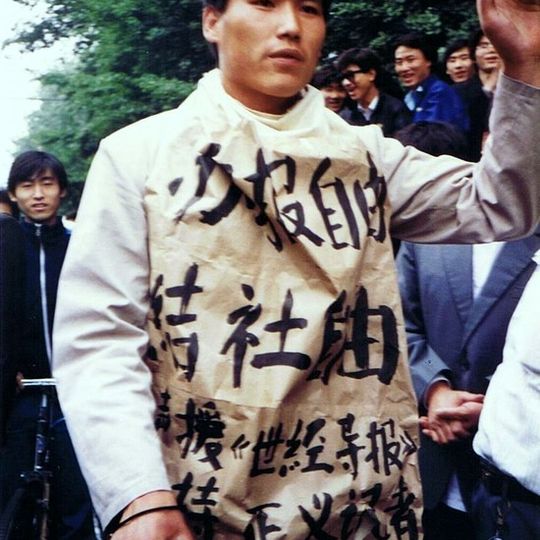
The Tiananmen Square protests of 1989 were a series of pro-democracy demonstrations that took place in Beijing, China, over roughly seven weeks from April to June. Students, workers, and others gathered in one of the world's largest city squares to call for political reform and greater freedoms.
The protests began in April 1989, following the death of reformist leader Hu Yaobang, and quickly grew into a broad movement. On June 4, 1989, Chinese troops moved in and violently ended the demonstrations.
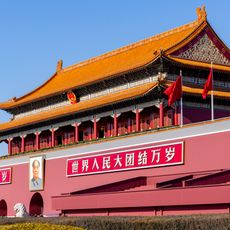
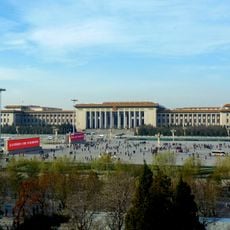
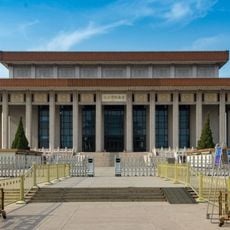
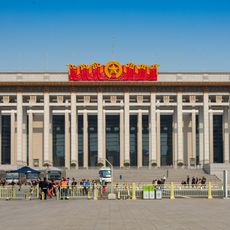
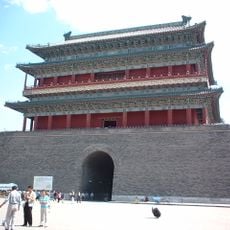
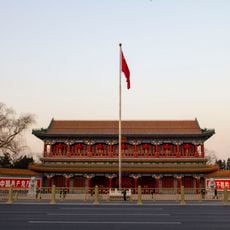
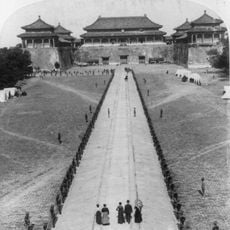
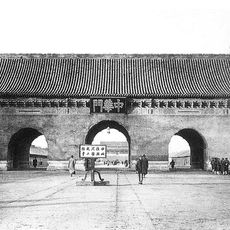
Tiananmen Square sits at the heart of Beijing, directly in front of the gate that leads to the Forbidden City, and its layout reflects a deliberate sense of state authority. The giant portrait of Mao Zedong still hangs over the gate, and visitors often stop to take in the scale of the open space around them.
The square itself is open to visitors, but public discussion of the 1989 events is a highly sensitive topic in China and is best avoided on site. It is worth arriving early in the day, as the area can get very crowded and access may involve security checks.
In China, coverage of the events is heavily censored, meaning that many younger people inside the country have little access to information about what happened. Outside China, the image of a lone man standing in front of a column of tanks became one of the most reproduced photographs of the 20th century.
The community of curious travelers
AroundUs brings together thousands of curated places, local tips, and hidden gems, enriched daily by 92,749 contributors worldwide.