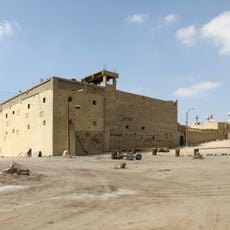
El-Bahnasa, village in Minya Governorate, Egypt
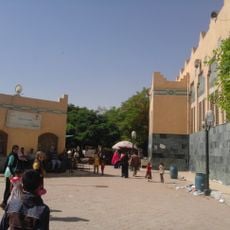
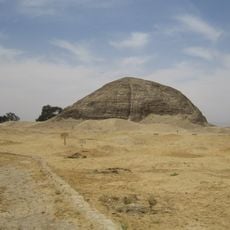
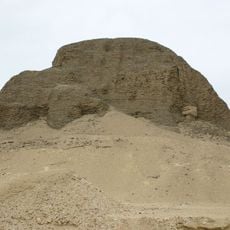
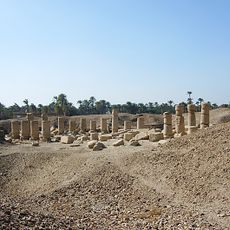
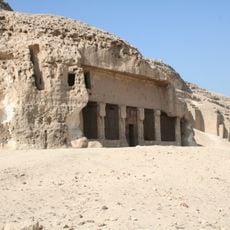
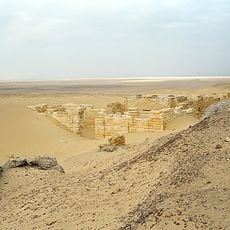
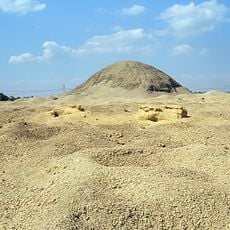
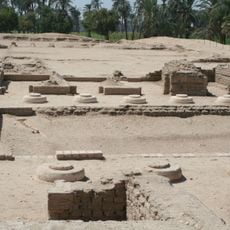
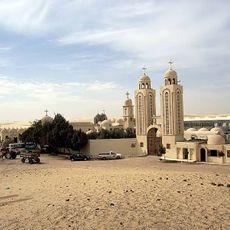
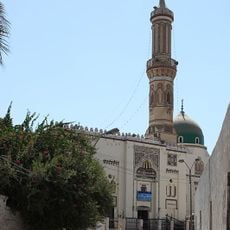
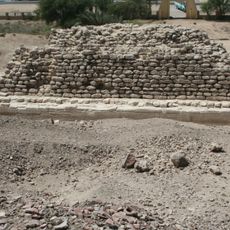
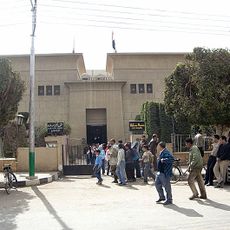
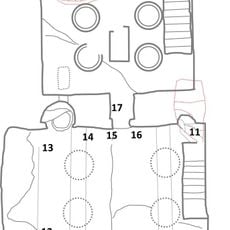
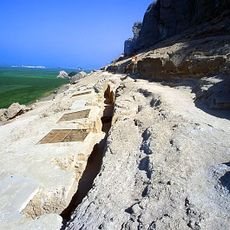
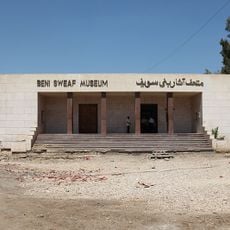
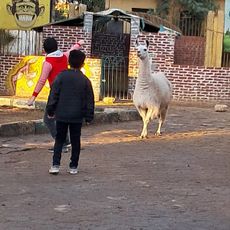
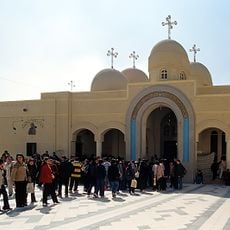
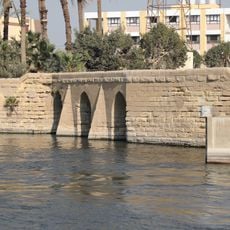
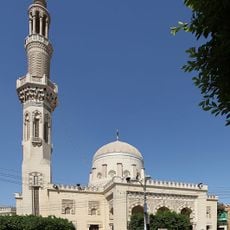
El-Bahnasa is a village on the western bank of the Nile in Upper Egypt, built atop an ancient city site. The location contains ruins of temples, tombs from different periods, and archaeological remains from Greco-Roman times that visitors can walk through.
The site was known in antiquity as Pr-Medjed and later called Oxyrhynchus by the Greeks. Under Greco-Roman rule, the city grew into Egypt's third major urban center and served as an important trade hub between the Nile and western oases.
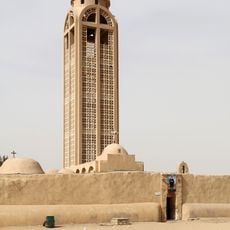
The village's name comes from an ancient fish species that held significance in Egyptian mythology and local belief systems. Today, the place remains a quiet settlement where past and present coexist, with farming continuing the land's traditional use.
The village lies on the road between the towns of Maghagha and Beni Mazar and is fairly easy to access. Visitors can walk freely among the ruins and view various archaeological remains spread across the site.
Archaeologists discovered thousands of ancient papyrus scrolls here in the 1890s, buried in rubbish dumps with texts dating from Roman times to the early Islamic period. These documents, now held at Oxford University, offer rare glimpses into daily life, commerce, and religious practices from antiquity.
The community of curious travelers
AroundUs brings together thousands of curated places, local tips, and hidden gems, enriched daily by 91,531 contributors worldwide.