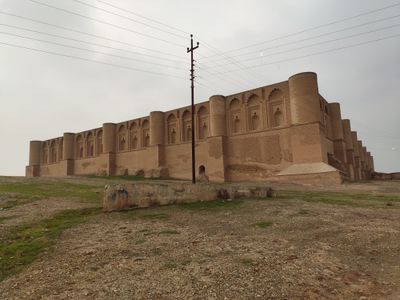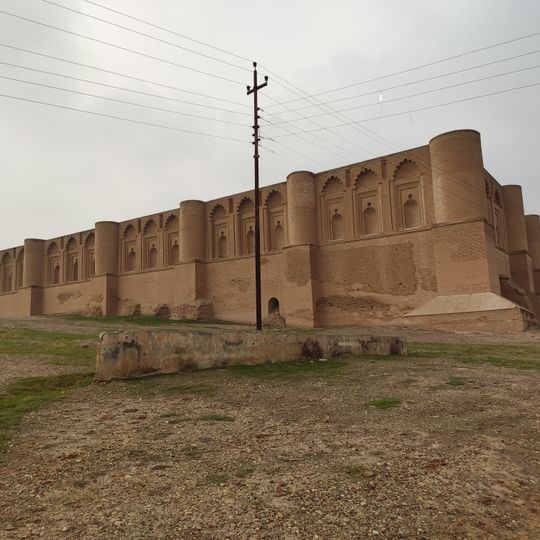
Qasr al-'Ashiq, Medieval palace ruins in Samarra, Iraq
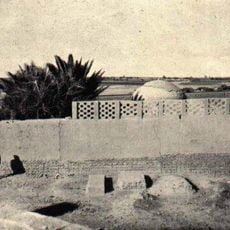
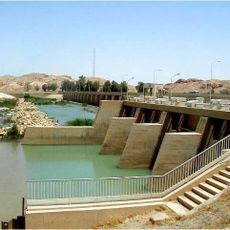
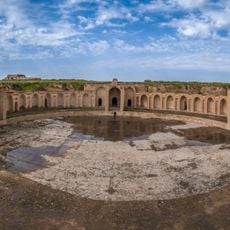
Qasr al-'Ashiq is a palace with a rectangular ground plan spanning two floors and featuring catacombs, spacious courtyards, defensive walls, and a moat. The moat received water from underground channels connected to the western highlands, creating an integrated water management system.
Construction of this palace took place between 877 and 882 under Abbasid caliph Al-Mu'tamid on the western bank of the Tigris River. This building period marked an era of significant architectural development in the Abbasid capital.
The palace name derives from al-Ma'shuq, meaning beloved, showing how medieval inhabitants connected emotionally with this place. The name reflects the personal attachment people felt toward this royal residence.
Archaeological excavations in the 1960s followed by restoration work in the 1980s have preserved substantial portions of the original structure for viewing. Visitors should expect uneven terrain and partially exposed ruins as part of the site experience.
The palace features a sophisticated moat system designed to maintain water levels higher than the adjacent Tigris River through advanced engineering. This hydraulic innovation demonstrates the technical expertise of Abbasid engineers in water management.
The community of curious travelers
AroundUs brings together thousands of curated places, local tips, and hidden gems, enriched daily by 90,865 contributors worldwide.