Iceland, Island nation in North Atlantic Ocean.
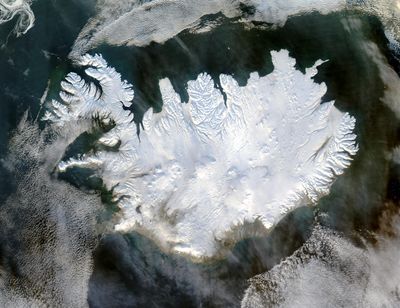
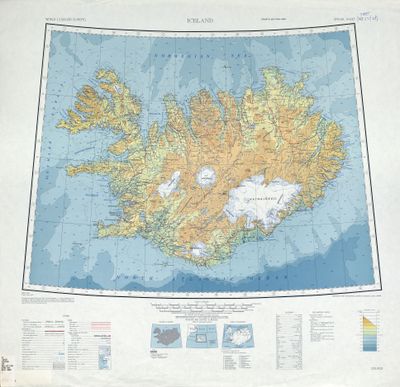
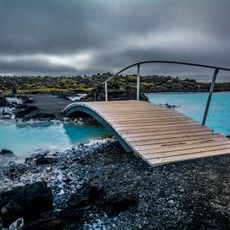
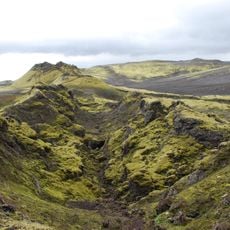
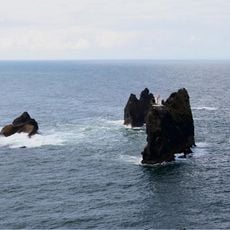
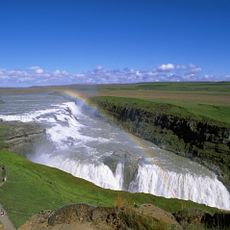
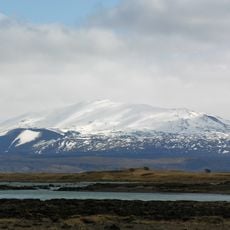
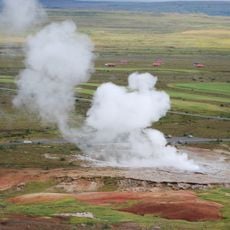
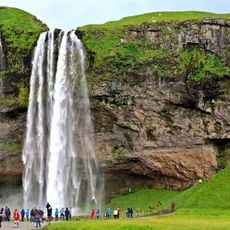
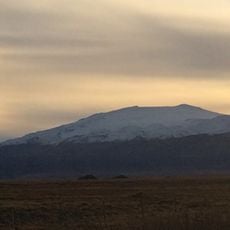
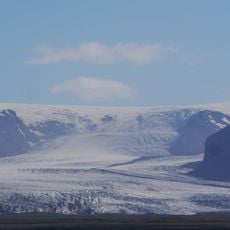
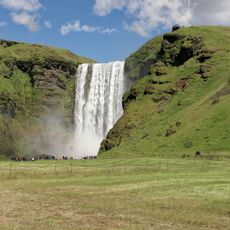
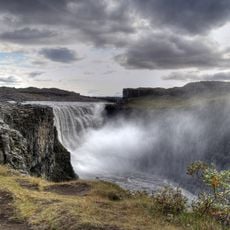
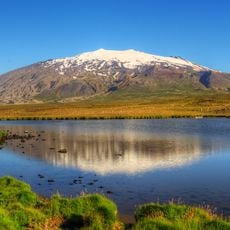
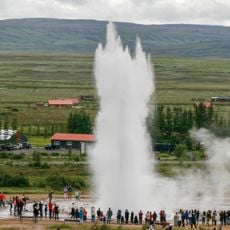
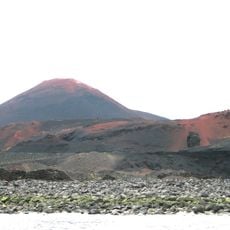
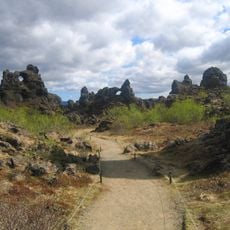
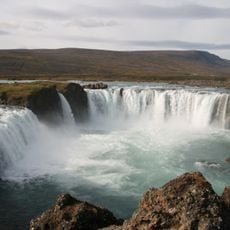
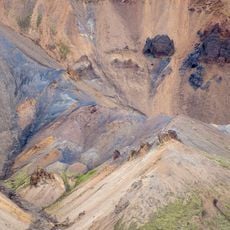
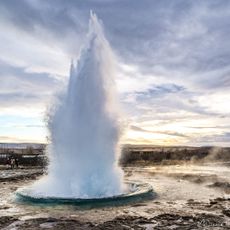
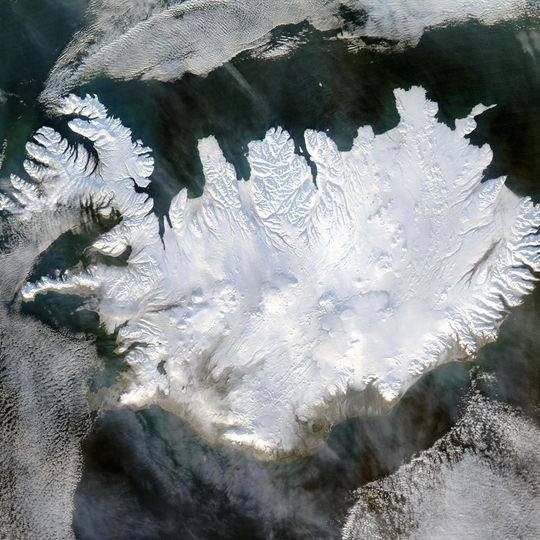
Iceland is an island in the North Atlantic covering about 103,000 square kilometers, with glaciers, active volcanoes, and geothermal springs throughout the land. The terrain displays a varied landscape of black sand beaches, lava fields, waterfalls, and moorlands that define the entire country.
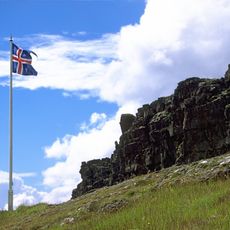
Norwegian and Celtic settlers founded the first permanent settlements on the island starting in 874, and around 930 the Althing, one of the oldest parliaments, was established. The society developed from these early structures and Icelandic traditions over centuries that followed.
The Icelandic language keeps strong ties to Old Norse, creating new words through its own system rather than adopting foreign terms. Visitors notice this independence in place names, street signs, and conversations throughout their time on the island.
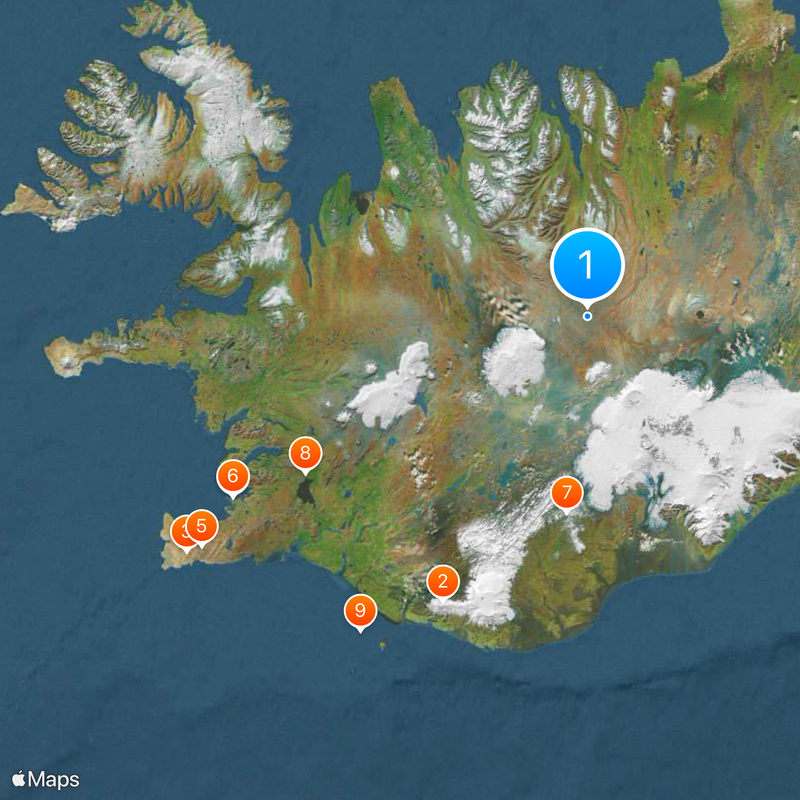
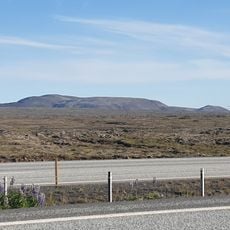
The Ring Road connects most towns with decent road conditions, allowing visitors with their own or rented vehicle flexibility to explore the coast and inner regions. Many attractions are accessible directly from this main route or via short side roads, though winter travel demands extra caution.
The Silfra fissure allows visitors to swim between two continental plates, with crystal-clear glacial water offering visibility beyond 100 meters. This experience is among the most unusual water activities and demonstrates the island's geological uniqueness in an immediate and tangible way.
The community of curious travelers
AroundUs brings together thousands of curated places, local tips, and hidden gems, enriched daily by 92,914 contributors worldwide.