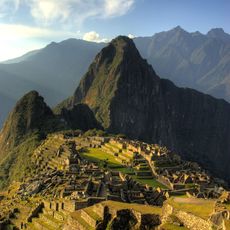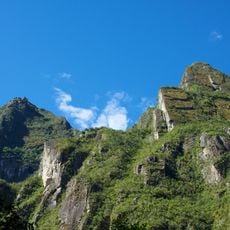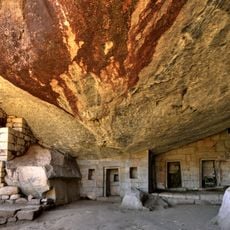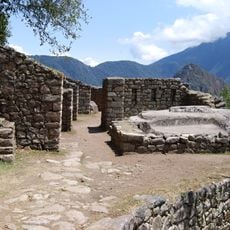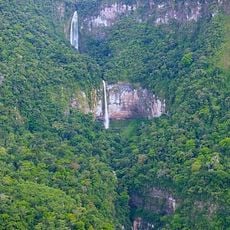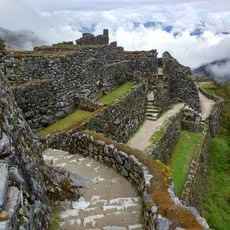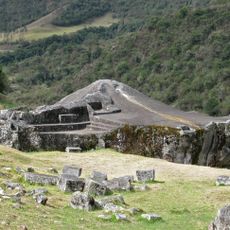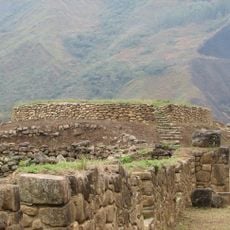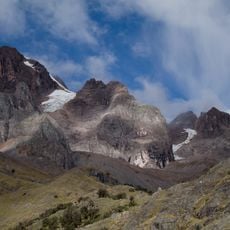
Isthmus of Fitzcarrald, Isthmus in Madre de Dios, Peru.
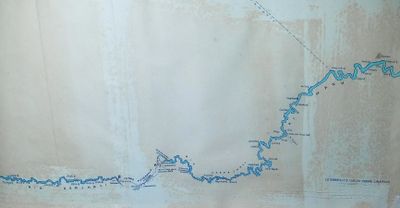
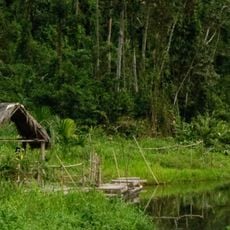
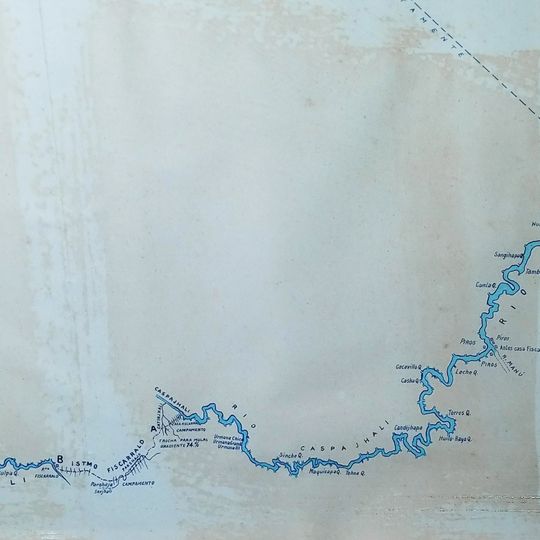
The Isthmus of Fitzcarrald is an 11 km land bridge between the Serjalí and Caspajalí rivers, linking the Urubamba and Madre de Dios basins. It rises from 332 m to a 469 m pass, with a 500 m hill of 74% gradient in the middle, then descends to 352 m. The dirt path, called a trocha, was crossed by mules.
The crossing was discovered in 1893 by Carlos Fermin Fitzcarrald, who sought a practical way to transport rubber between different river basins. This discovery opened a new trade route during the Amazon rubber boom in South America.
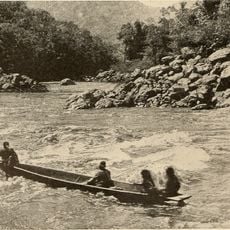
The name honours Carlos Fermín Fitzcarrald, the rubber baron who crossed here with the steamboat Contamana in 1895, hauled through the forest by some 300 Campa indigenous workers over more than two months. Local indigenous rubber workers had pointed him toward the pass between the Serjalí and Caspajalí rivers.
The route follows an unpaved path that becomes difficult in rain and is typically crossed using mules for transport. Visitors should bring sturdy shoes and be in good physical shape, as the slope is taxing.
The Contamana was hauled overland in 1895 by 300 Campa men, a crossing that took more than two months and covered about 9 kilometres before the boat reached the Madre de Dios. Werner Herzog drew on the episode for his film Fitzcarraldo.
The community of curious travelers
AroundUs brings together thousands of curated places, local tips, and hidden gems, enriched daily by 92,569 contributors worldwide.