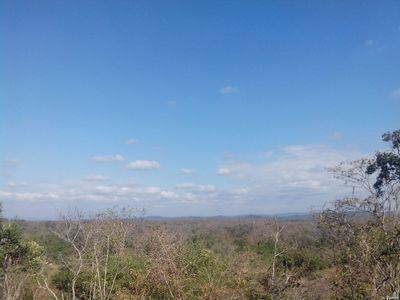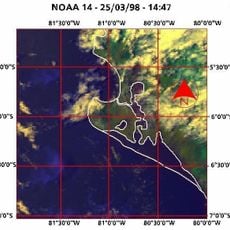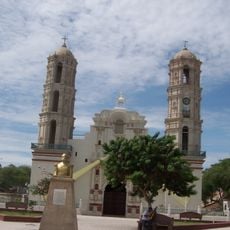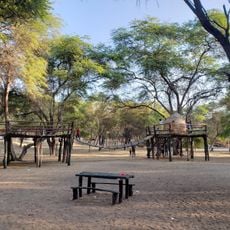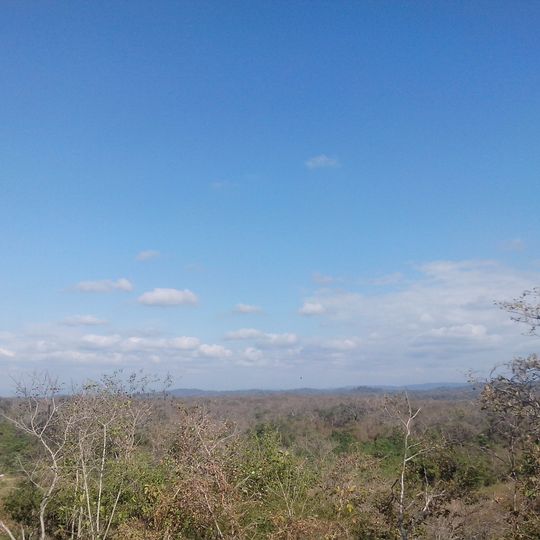
Tumbes-Piura dry forests, WWF ecoregion in Lambayeque department, Peru.
Tumbes-Piura dry forests form a woodland ecosystem spreading along the Pacific coast from southern Ecuador into northern Peru. The forest consists of thorny shrubs, low trees, and seasonal plants adapted to dry conditions with sparse rainfall throughout the year.
For centuries the area suffered from deforestation and clearing for farming until the establishment of Cerros de Amotape National Park changed protection efforts. This decision helped slow habitat destruction and preserve the forest's native wildlife populations.
Local communities gather native plants for traditional healing remedies and collect wood sustainably from the forest. These practices are visible in how people interact with the land and shape daily life in the region.
The best time to visit is between January and March when seasonal rains make the forest more active and wildlife easier to observe. Wear sturdy footwear and bring water, as trails cross uneven ground and some areas remain difficult to reach.
The grey-cheeked parakeet reaches its highest population density here, especially in the national park where visitors can spot these colorful birds flying in flocks. This species is found nowhere else in such large numbers and defines the forest's birdlife.
The community of curious travelers
AroundUs brings together thousands of curated places, local tips, and hidden gems, enriched daily by 91,285 contributors worldwide.