Salar de Gorbea, Salt flat in Atacama Region, Chile
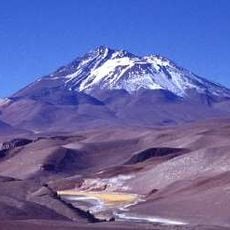
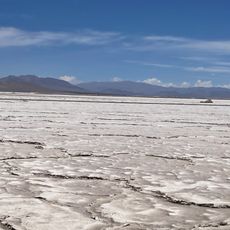
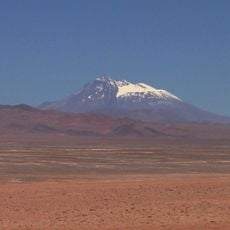
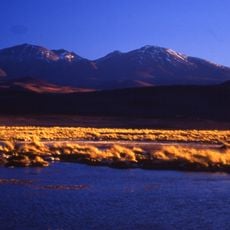
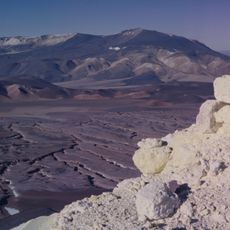
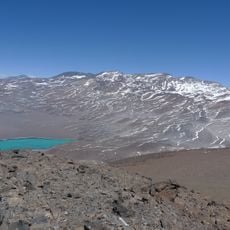
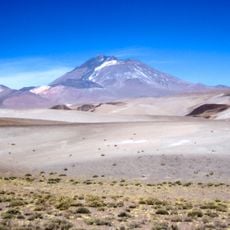
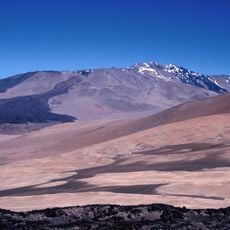
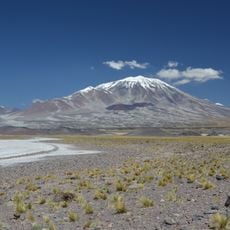
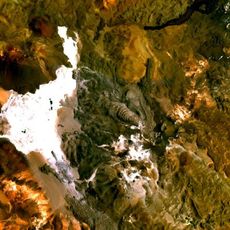
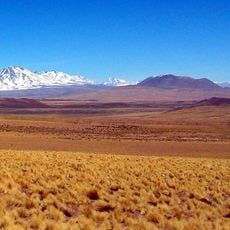
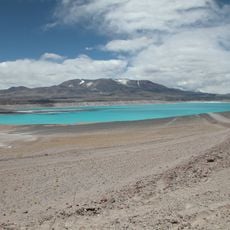
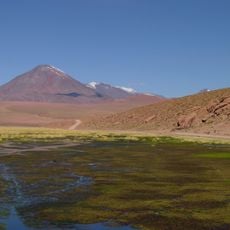
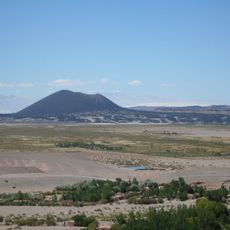
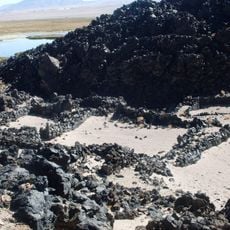
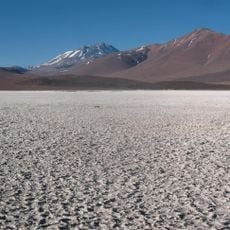
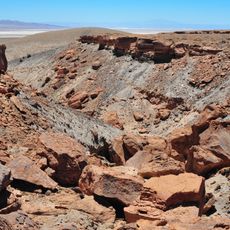
Salar de Gorbea is a salt flat located in the Atacama Region at high elevation in the Andes. The landscape consists of white salt deposits stretching across basins of different shapes, surrounded by rocky terrain and sparse vegetation.
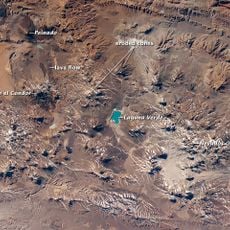
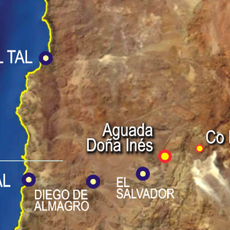
Luis Risopatrón described the salar in his 1924 Diccionario Jeográfico de Chile, placing it at 3,944 m west of the cordillera bordering Argentina, northeast of Salar de Agua Amarga; earlier maps by San Román (1892) and Darapsky (1900) already marked it. In November 2025 Chile's Environment Ministry announced it as a national park in implementation within Diego de Almagro commune.
Luis Risopatrón described the salar in his 1924 Diccionario Jeográfico de Chile, noting its short extent at 3,944 m and its position west of the cordillera bordering Argentina. Vicuñas and birds such as the Baird's sandpiper can be spotted around the salt flat. In November 2025 the Ministerio del Medio Ambiente announced its approval of six new protected areas in Diego de Almagro, with Salar de Gorbea listed as a national park in implementation.
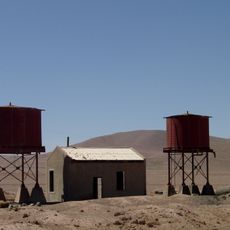
The location is remote and requires careful preparation with proper gear for high altitude and cold weather conditions. There are no facilities nearby, so visitors should arrange a guided tour or bring supplies for self-sufficiency.
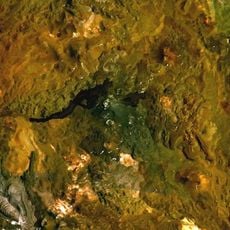
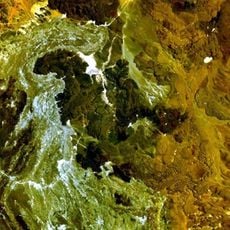
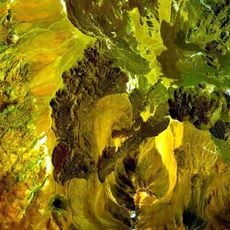
The salt crust is about a metre thick, holds liquid brine and is largely covered by gypsum crystals up to 30 centimetres long. The seven shallow ponds, called "ojos" in Spanish, are acidic because sulfur in the basin forms sulfuric acid. NASA researchers have described the site as a potential analogue of Mars.
The community of curious travelers
AroundUs brings together thousands of curated places, local tips, and hidden gems, enriched daily by 92,681 contributors worldwide.