Serengeti, Volcanic plain in northern Tanzania
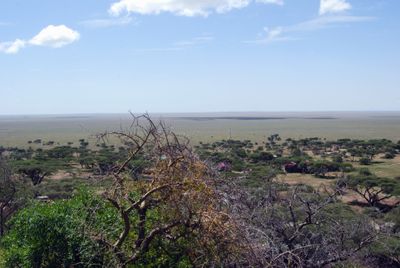
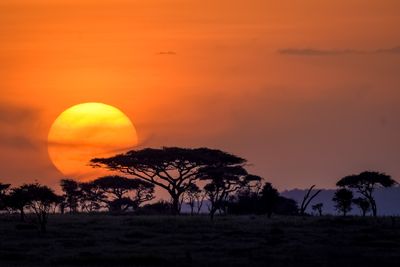
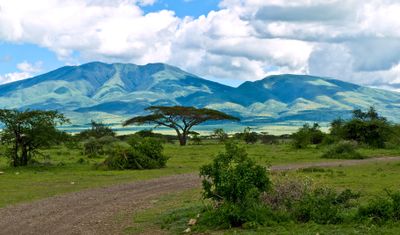
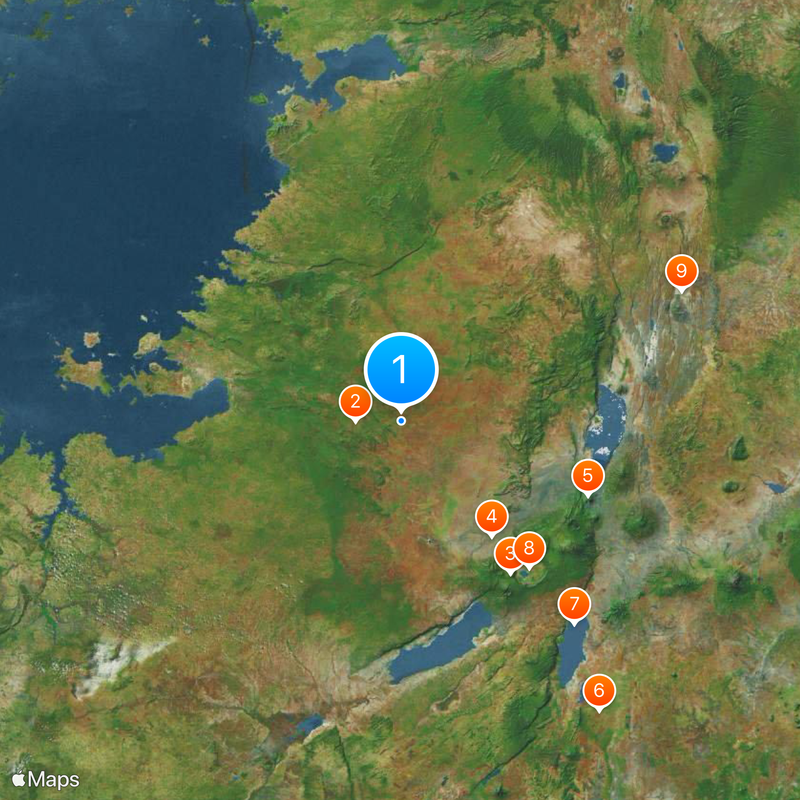
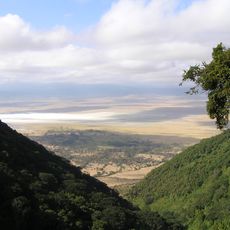
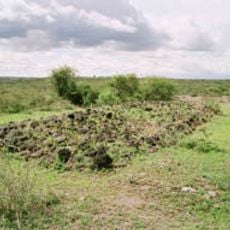
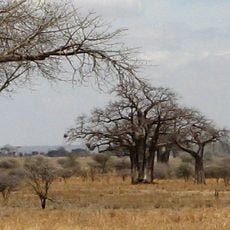
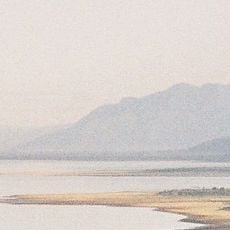
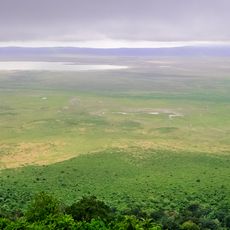
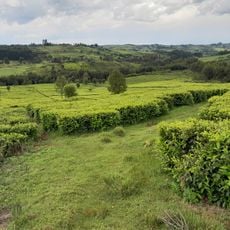
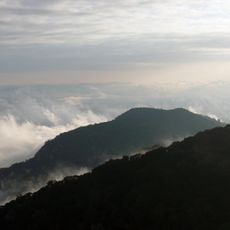
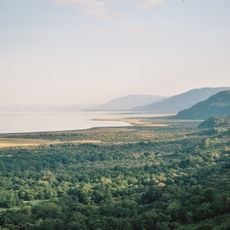
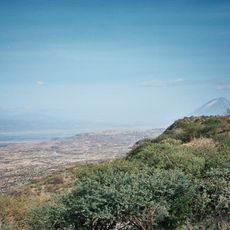
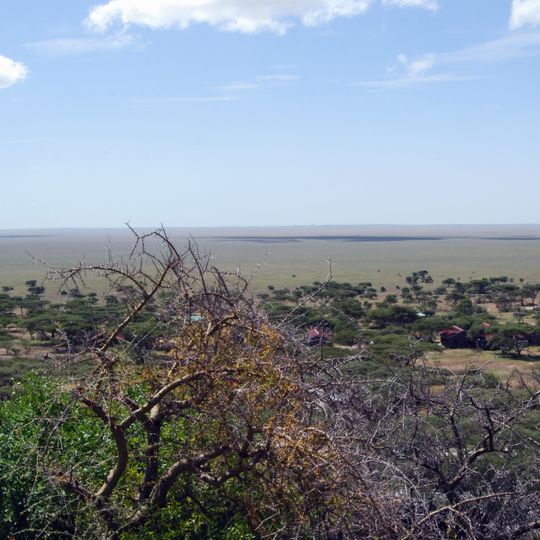
The Serengeti is a plain stretching across much of northern Tanzania and southern Kenya, characterized by grasslands dotted with isolated rock outcrops. Vegetation alternates between open savanna and small pockets of woodland, while the landscape rolls gently and offers wide sightlines.
The region was placed under protection in the mid-20th century when scientists began systematically studying the behavior of large mammals. These studies helped develop modern concepts of ecosystem conservation and apply them worldwide.
The name comes from the Maasai language and means endless plain, a term reflecting the close bond these herding communities have with the grassland. Today, Maasai groups live in the surrounding areas and maintain their traditional ways of life while increasingly cooperating with conservation efforts.
The best visiting times are late spring and early summer as well as late autumn, when rainfall revives the plains and intensifies animal migrations. Vehicles often need to use unpaved tracks, so rugged transport is required, especially during the rainy season.
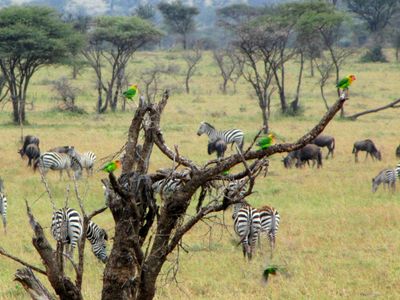
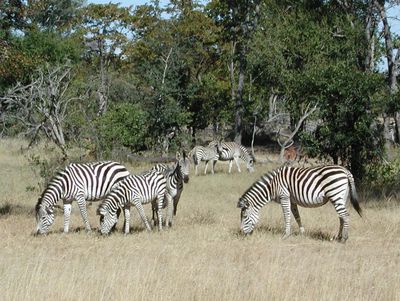
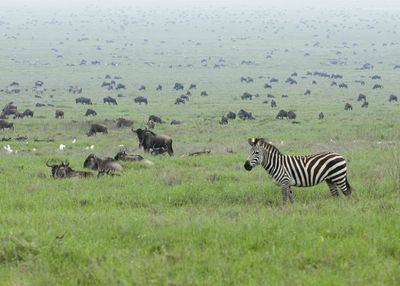
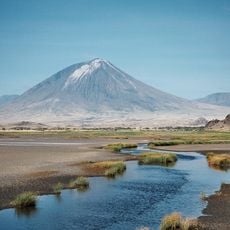
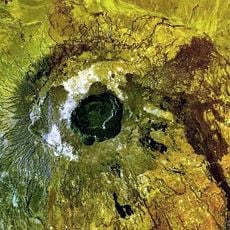
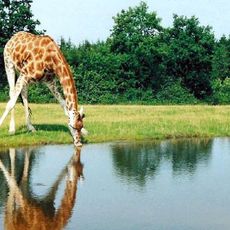
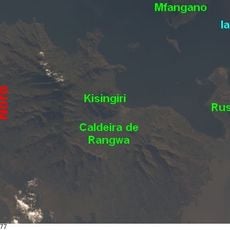
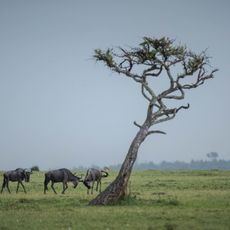
Volcanic ash soils store water and nutrients, allowing fresh grass to grow quickly during the rainy season and attracting millions of herbivores. These movements follow a centuries-old cycle, with herds migrating in sync with rainfall patterns.
The community of curious travelers
AroundUs brings together thousands of curated places, local tips, and hidden gems, enriched daily by 92,728 contributors worldwide.