Arctic Alaska, Geographic region in northern Alaska, United States.
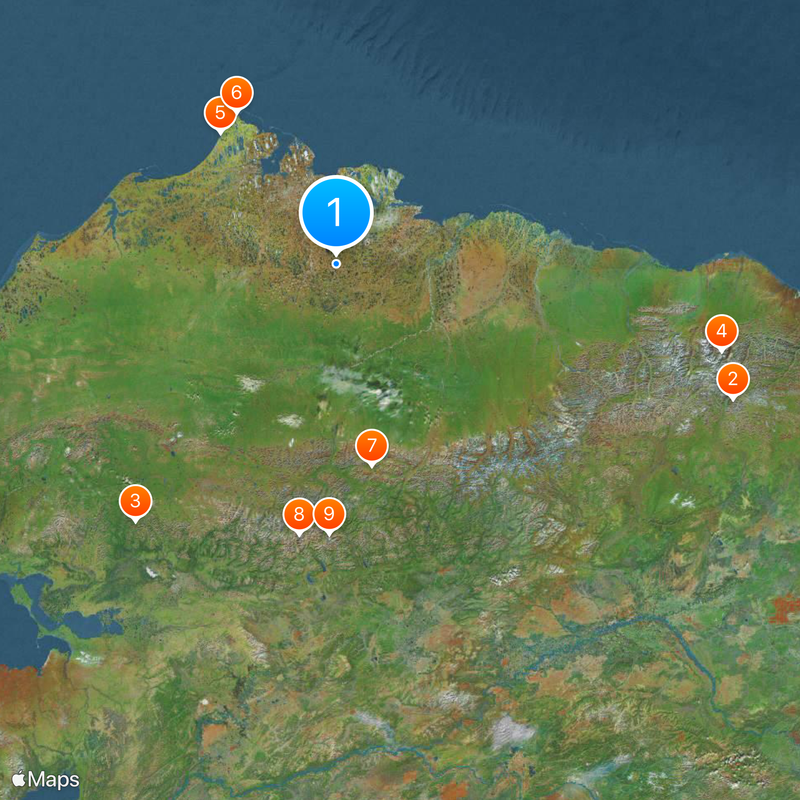
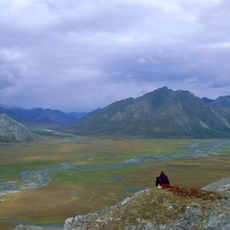
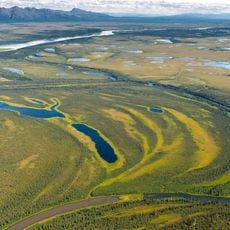
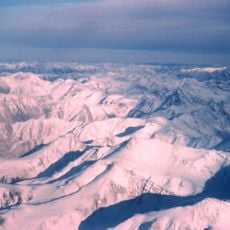
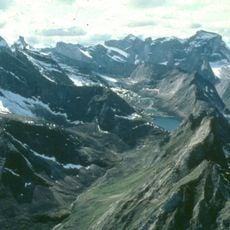
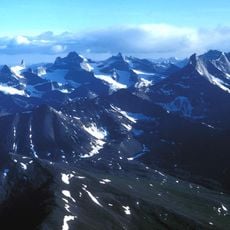
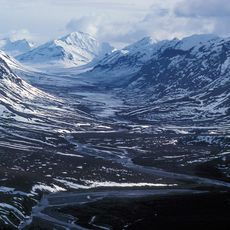
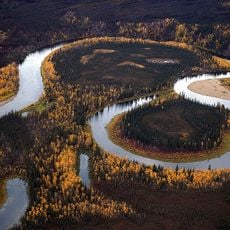
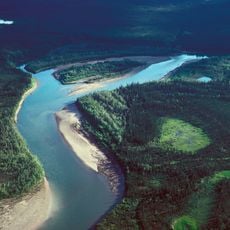
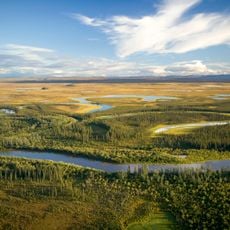
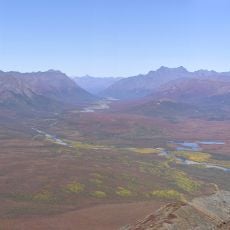
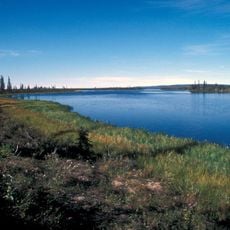
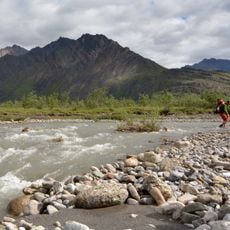
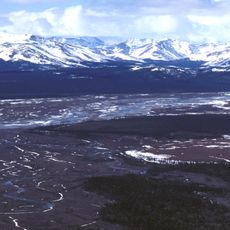
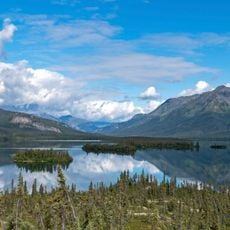
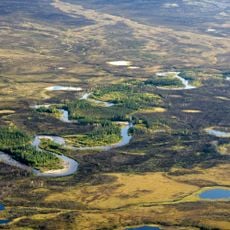
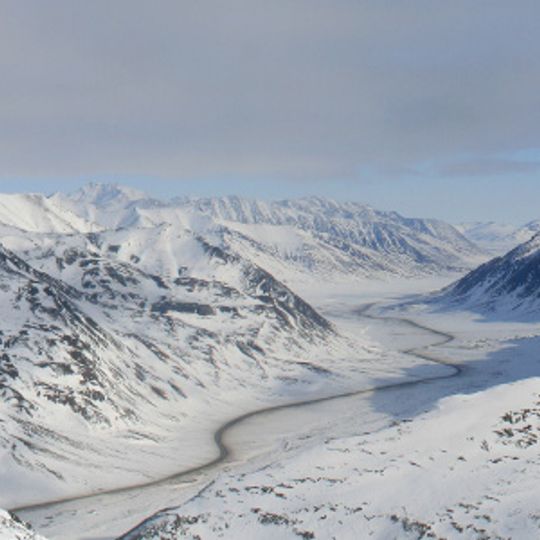
Arctic Alaska is a vast region in northern Alaska that stretches between the Bering Strait and the Mackenzie River. It features open tundra plains and mountain ranges that shape a stark and windswept landscape.
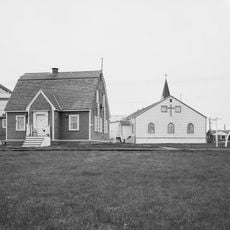
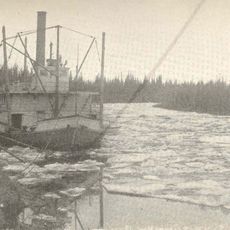
The region remained isolated until the mid-19th century when whalers arrived and dramatically reduced native populations. This arrival from outside marked a turning point in how indigenous communities lived.
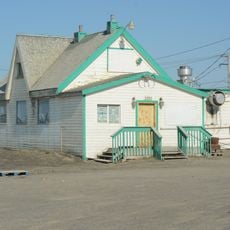
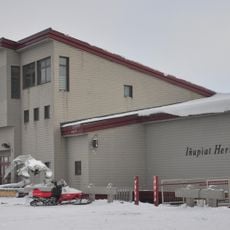
Indigenous peoples have shaped this land for millennia through hunting, whaling, and fishing practices that remain visible in today's communities. You can observe how traditional skills are passed down and how the relationship with the natural world guides daily life in small settlements.
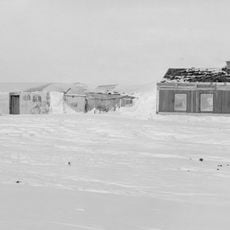
Expect extreme cold: winter temperatures drop well below minus 40 degrees Fahrenheit (minus 40 degrees Celsius), while brief summers barely rise above freezing. The season you visit determines what is possible and how you need to prepare.
A significant portion of this region is designated as a National Petroleum Reserve, an area set aside in 1923 as an energy safeguard. This designation reveals how 20th-century decisions shaped land management in the north.
The community of curious travelers
AroundUs brings together thousands of curated places, local tips, and hidden gems, enriched daily by 60,000 contributors worldwide.