Pira-tapuya, Indigenous community in Amazonas, Brazil and Vaupés Department, Colombia.
The Pira-tapuya are an indigenous people living along the Vaupés River and its tributaries including the Tiquié, Papurí, and Querari. They speak the Piratapuyo language and commonly use Tucano as a regional lingua franca.
The Pira-tapuya have maintained their presence in the Amazon region across generations while preserving their cultural identity. They adapted traditional practices to endure in their riverside environment and maintain their way of life.
The Pira-tapuya maintain marriage customs that connect them with neighboring groups and participate in shared ceremonies that strengthen community bonds across the region. These practices show how their society functions through relationships with other peoples in the area.
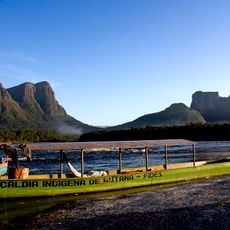
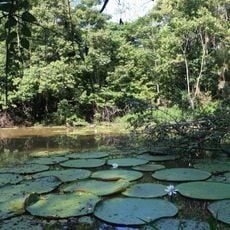
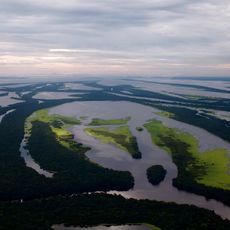
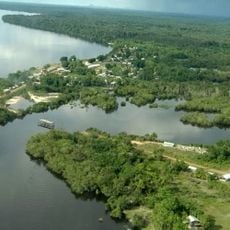
Visitors should know that these communities live in a water-centered environment where rivers are the main highways for movement and travel. Preparation for river-based travel is essential to reach the areas where the people reside.
The Pira-tapuya are part of a larger network known as the Uaupés complex that connects several different peoples in the region. This social structure is based on a tradition of coexistence and mutual cultural exchange between different language groups.
The community of curious travelers
AroundUs brings together thousands of curated places, local tips, and hidden gems, enriched daily by 90,896 contributors worldwide.