Huejotzingo de Nieva, Colonial city in Puebla, Mexico
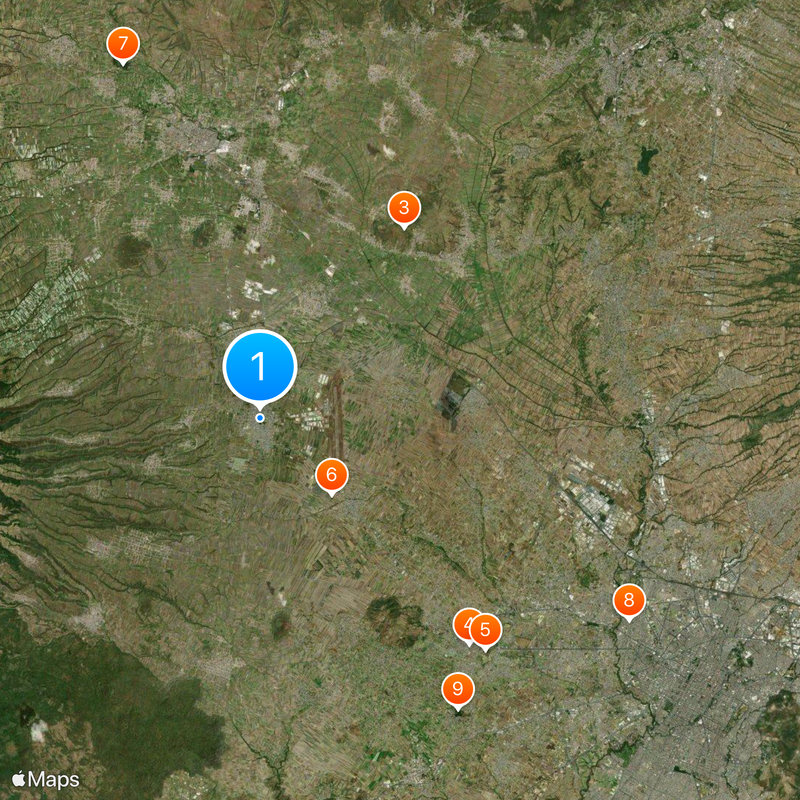
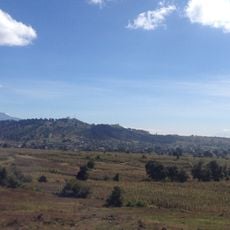
Huejotzingo de Nieva is a colonial city on Puebla's highland plateau, lying at the base of Iztaccíhuatl volcano and containing both urban neighborhoods and agricultural lands. The town blends Spanish colonial influence with an indigenous-rooted landscape and local life.
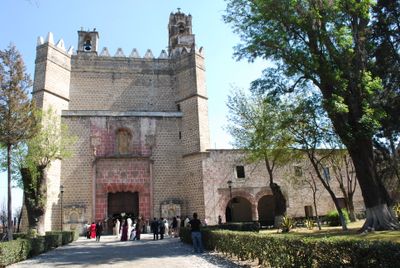
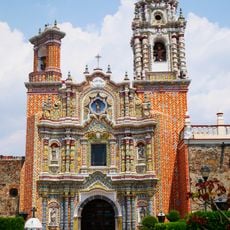
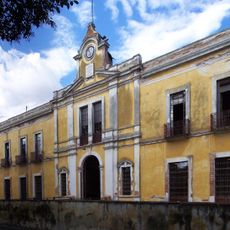
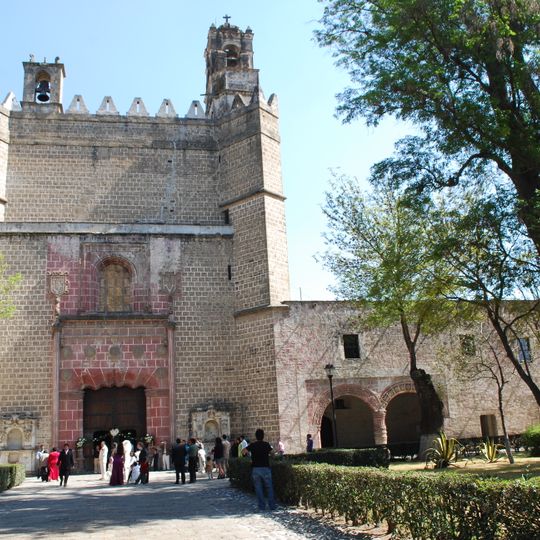
Spanish arrival in 1519 brought Diego de Ordaz, who established control over the area and laid the foundation for the town's current location. Construction of the Ex-Convent of San Miguel between 1524 and 1570 solidified the colonial settlement's religious and social structure.
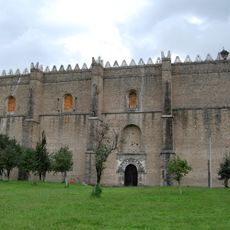
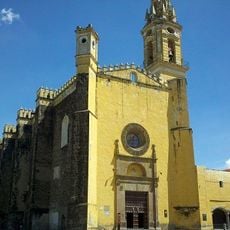
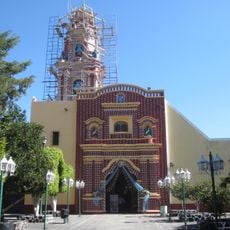
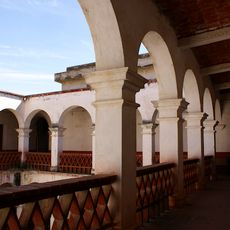
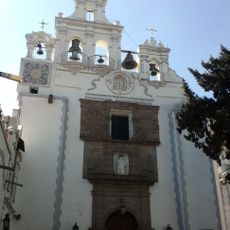
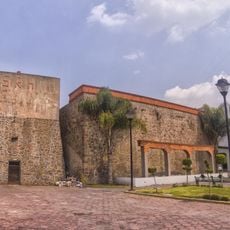
The Ex-Convent of San Miguel shapes the town center with its architectural style, blending Franciscan design with local craft traditions that remain visible in its details.
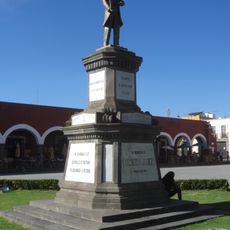
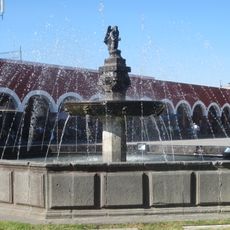
The central plaza serves as the main hub for public services and administration, accessible during daylight hours. Visitors can ask locals for directions and information about points of interest throughout the town.
The name comes from Nahuatl words Huexotl and Tzingo, a quiet reminder of the deep indigenous past hidden beneath the colonial buildings. This linguistic layer shows how indigenous language persisted through centuries of Spanish influence.
The community of curious travelers
AroundUs brings together thousands of curated places, local tips, and hidden gems, enriched daily by 91,087 contributors worldwide.