Fuxi Temple, Ming dynasty temple in Tianshui, China
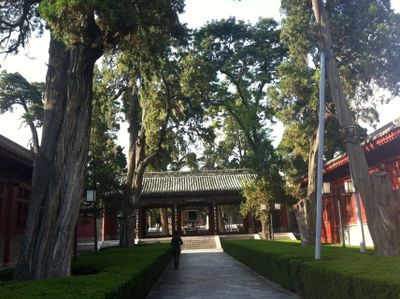
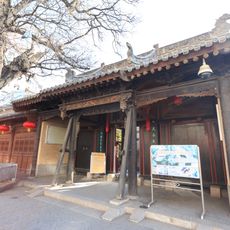
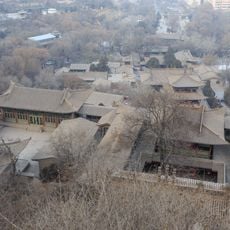
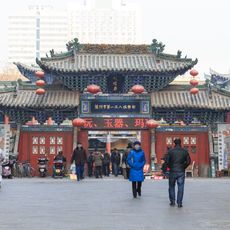
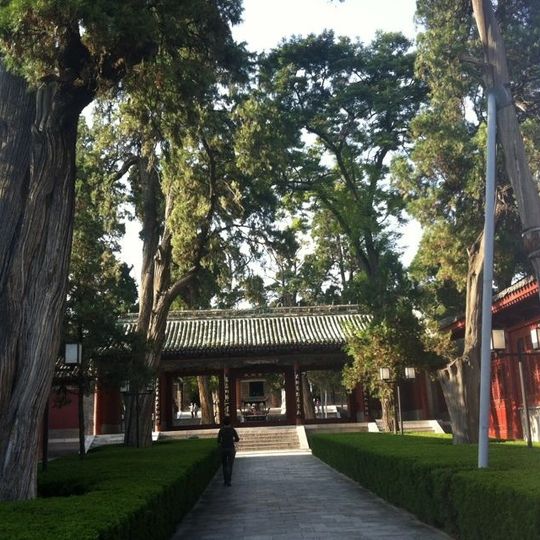
Fuxi Temple is a large religious complex in Tianshui constructed during the Ming Dynasty and containing about 76 buildings arranged along a central axis. The main structures include multiple gateways, ceremonial halls, towers, and prayer spaces that form an interconnected ensemble of courtyards and passages.
The temple complex was founded in 1483 during the Ming Dynasty and became one of the most important religious centers in the region. It underwent major renovation and expansion during the Qing Dynasty under Emperor Guangxu, which shaped its current form and many of its structures.
The name Fuxi refers to a legendary ancient ancestor in Chinese tradition, whose image appears prominently in the central temple hall here. The entire complex reflects how this figure embodies fundamental concepts about the natural world and divination that shaped classical Chinese thought.
The temple is located east of central Tianshui and can be reached on foot from the main plaza or by taking local buses or taxis. Visitors should plan adequate time to explore the various buildings, as the grounds are extensive and contain many sections to discover at a comfortable pace.
The grounds contain 37 ancient cypress trees planted during the Ming Dynasty that serve as a tangible connection to the temple's founding era. These trees have become a defining feature of the site over the centuries and deserve special attention when walking through the complex.
The community of curious travelers
AroundUs brings together thousands of curated places, local tips, and hidden gems, enriched daily by 92,147 contributors worldwide.