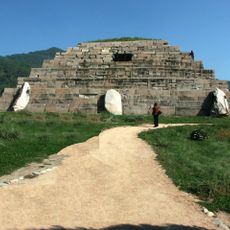
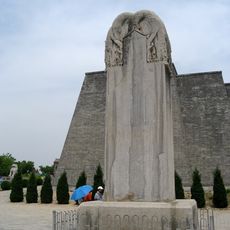
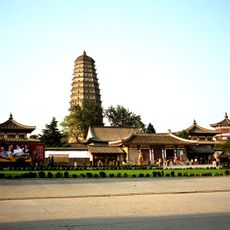
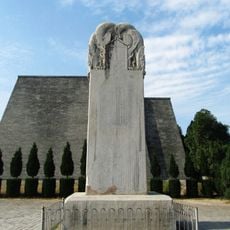
Beishouling, Archaeological site in Jintai District, China.
Beishouling is an archaeological site in Jintai District with multiple excavation areas showing layered settlement patterns from different periods. Each layer contains distinct types of pottery and tools that help identify when different groups occupied the area.
Beishouling was excavated in stages between 1958 and 1978 by the Institute of Archaeology of the Chinese Academy of Sciences and Northwest University. Its cultural deposits fall into three layers: the lower one, later named the Beishouling lower-layer remains, belongs to the late Dadiwan culture, while the upper two hold Banpo-type Yangshao material. The site was listed as a Major Historical and Cultural Site Protected at the National Level in 2006 (6-193).
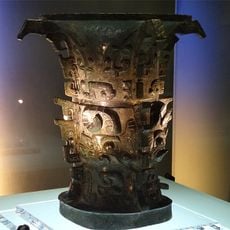
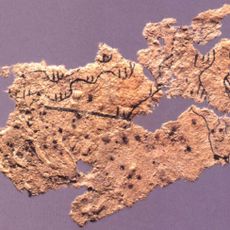
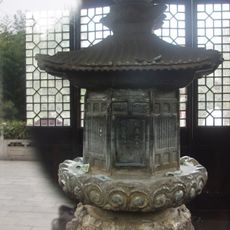
The artifacts displayed here show ancient crafts and daily routines through pottery styles and tool marks that reveal how people actually lived. These objects provide direct evidence of the skills and social habits of early settlements.
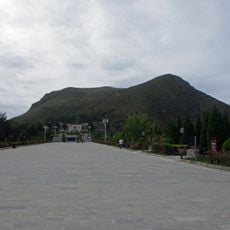
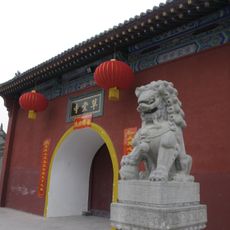
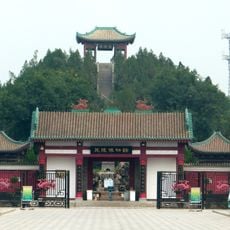
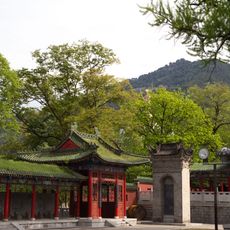
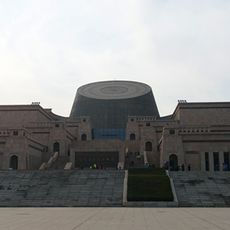
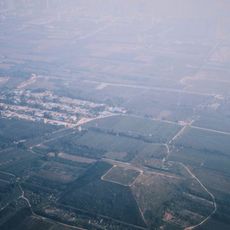
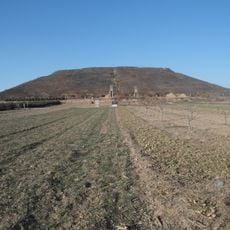
The site lies on a terrace on the west bank of the Jinling River in Jintai District, about 2 km north of the Wei River. A museum built over the original location presents the finds, so the excavated area is seen through that on-site display rather than by walking the trenches.
The distinct layers reveal that the location was occupied repeatedly over thousands of years, with each group leaving behind its own types of objects. This succession allows researchers to track long-term cultural changes across different periods in the region.
The community of curious travelers
AroundUs brings together thousands of curated places, local tips, and hidden gems, enriched daily by 94,935 contributors worldwide.