Fangmatan, Archaeological site near Tianshui, China
Fangmatan is an archaeological site near Tianshui, Gansu, with burials from the Warring States period to the early Western Han. Tomb 1, excavated in 1986, held bamboo slips with almanacs, legal and medical texts, and seven maps inked on four pine boards. Tomb 5, also excavated in 1986, contained a fragment of the oldest extant paper, bearing a map.
The site dates to around 230 BCE when important administrative and medical knowledge began being systematically recorded. The tombs provide evidence of how Chinese civilization organized itself during this transformative period.
The bamboo slips from Tomb 1 include almanacs (Rishu), legal texts and medical works, buried with the deceased around 230–220 BCE. Tomb 5 held a paper map placed on the occupant's chest, of which a 5.6 × 2.6 cm fragment survives. The site is an archaeological locality, not a staffed visitor site.
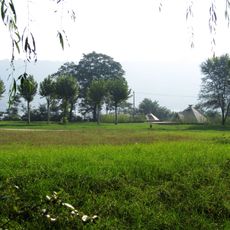
Fangmatan is an excavated archaeological site, not a developed attraction with marked paths or visitor facilities. The tombs were dug in 1986, and the finds, including the bamboo-slip maps and the paper fragment, are held in museum collections rather than displayed on site. Plan any visit around the excavated pits themselves, which lie near Tianshui in Gansu.
Tomb 5 yielded the world's oldest known piece of paper, which bears a map showing mountains and waterways. This tiny discovery proves that papermaking technology existed much earlier than historians had previously thought.
The community of curious travelers
AroundUs brings together thousands of curated places, local tips, and hidden gems, enriched daily by 93,803 contributors worldwide.