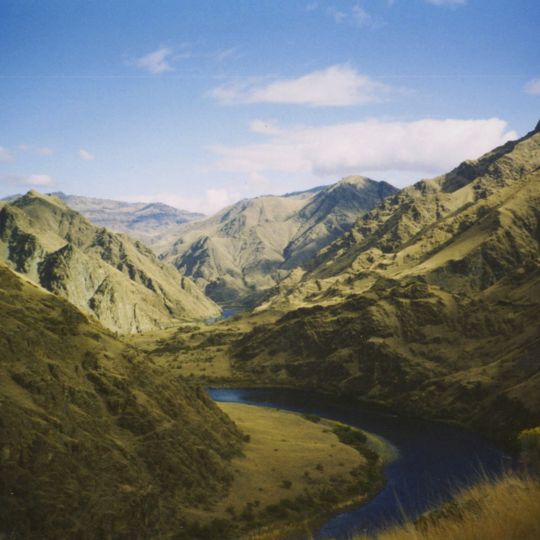
Hells Canyon National Recreation Area, National Recreation Area in eastern Oregon and western Idaho, United States.
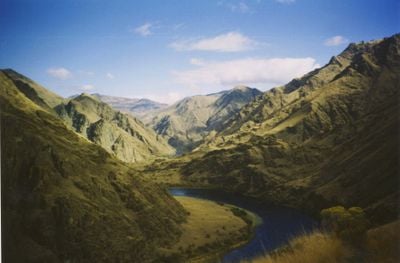
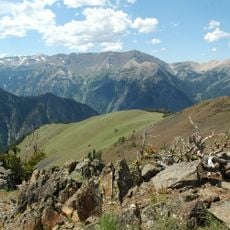
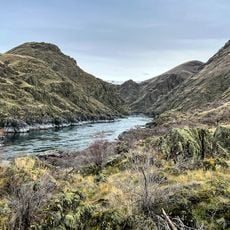
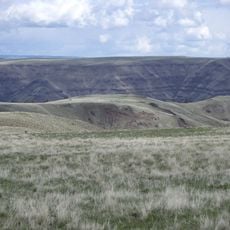
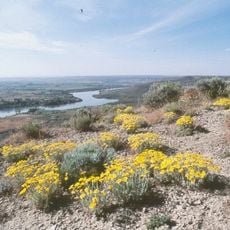
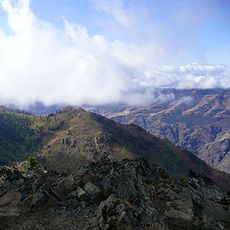
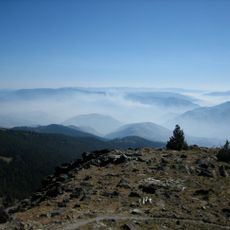
Hells Canyon National Recreation Area lies along the Oregon–Idaho border, where the Snake River cuts between steep, dry mountainsides of yellow-green grass, scattered dark green shrubs and exposed tan and grey rock. The river bends across flat grassy benches at the canyon floor, and the walls narrow toward a distant central peak. The recreation area covers about 562 km² in Idaho and 1,630 km² in Oregon.
Congress established this protected area in December 1975 to safeguard the archaeological heritage and rock art left by Native Americans along the Snake River. The canyon had served as home to multiple Indigenous nations for thousands of years before formal protection began.
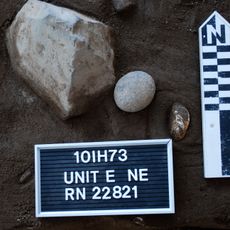
The Hells Canyon Archeological District, a 12,000-acre historic district on the National Register of Historic Places, holds 536 contributing sites, 23 buildings and 58 other structures. Buffalo Eddy has more than five hundred pictographs, and nearly thirty boulders at Pittsburg Landing are covered with them. A short trail leads to interpretive panels showing petroglyphs and pictographs.
The area offers about 900 miles of hiking trails, 17 established campgrounds, and opportunities for rafting, fishing, and horseback riding at different locations. Visitors should check access conditions beforehand, as the terrain is remote and weather can change quickly throughout the seasons.
The Snake River National Recreation Trail #102 runs along the Idaho side of the Snake River from near Lamont Springs downstream to Pittsburg Landing. Built between the late 1800s and about the 1930s, it was designated in 1980 under the National Trails System Act. Hikers can reach it from the Pittsburg Landing trailhead or by boat near Hells Canyon Dam.
The community of curious travelers
AroundUs brings together thousands of curated places, local tips, and hidden gems, enriched daily by 93,809 contributors worldwide.