Burkina Faso, Landlocked country in West Africa.
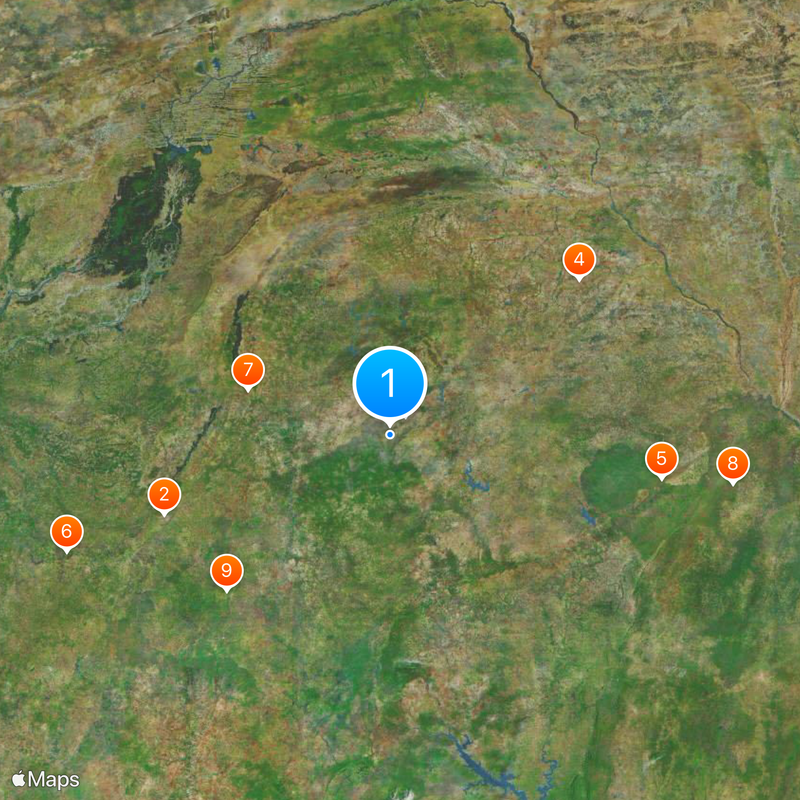
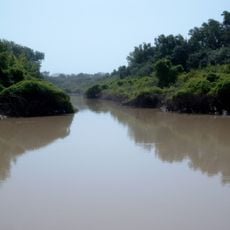
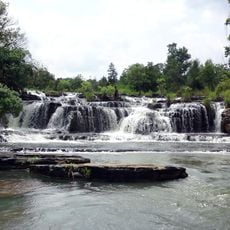
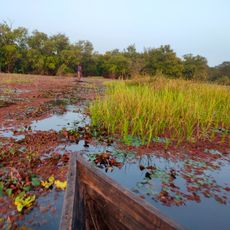
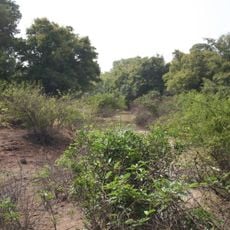
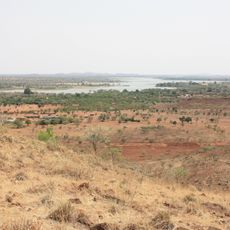
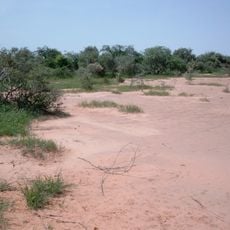
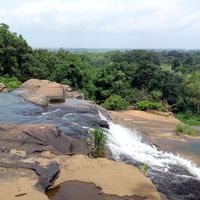
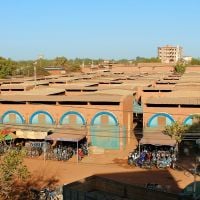
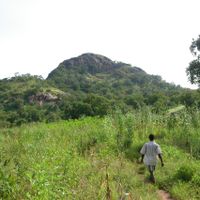
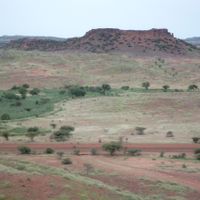
This nation is a landlocked territory in West Africa covering around 274,000 square kilometers of flat savanna crossed by three main rivers called the Black, Red and White Volta. The landscape consists mostly of dry grasslands with scattered trees that turn greener during the rainy season from June to October and support farming activities.
The territory gained independence from France in 1960 as Upper Volta and was renamed in 1984 by President Thomas Sankara, who promoted social reforms and self-reliance. His revolutionary measures ended in 1987 with a coup that changed the political direction of the country.
The country's name means 'land of honest people' in the Mossi language and reflects the aspiration for national dignity that Thomas Sankara expressed when he renamed it in 1984. People celebrate their identity through major festivals like FESPACO, where African filmmakers present their work and meet visitors from many countries.
French is the official language for administration and education, while people speak more than 60 local languages such as Mossi, Fula and Gourmantche in everyday life. Travelers need a visa before arrival and should prepare for a warm climate with distinct dry and rainy seasons.
The Mossi established powerful kingdoms around Ouagadougou and Tenkodogo between the 11th and 13th centuries, whose hierarchical structures still influence social organization and land distribution today. Large gold deposits have become a major export product and support the economy of the country.
The community of curious travelers
AroundUs brings together thousands of curated places, local tips, and hidden gems, enriched daily by 90,796 contributors worldwide.