Rhône, Major river in France and Switzerland
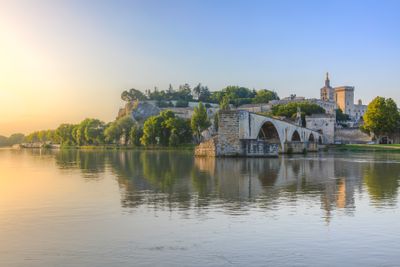
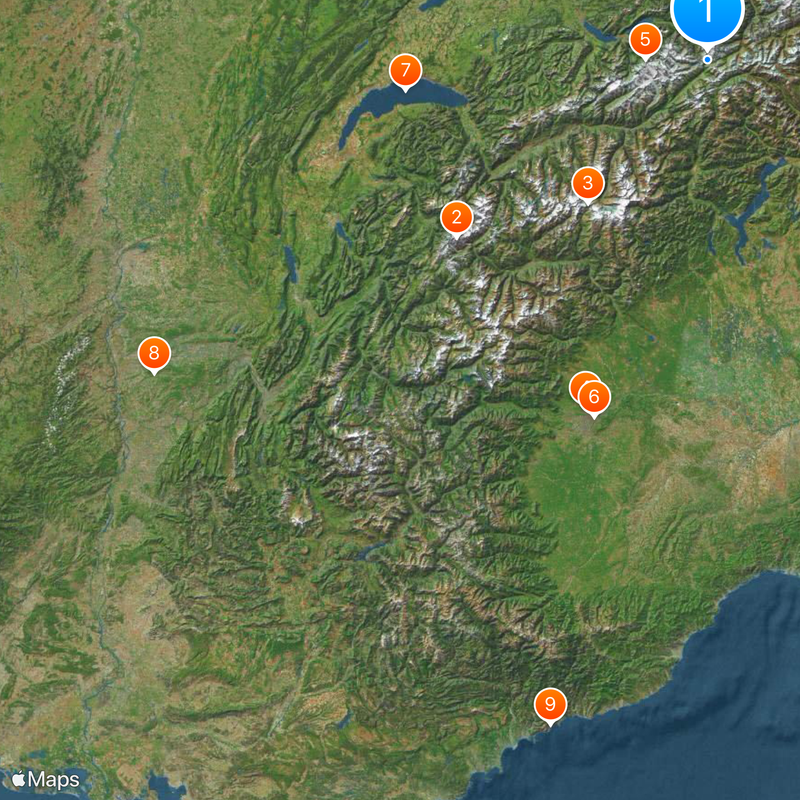
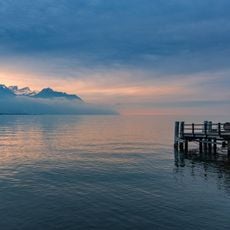
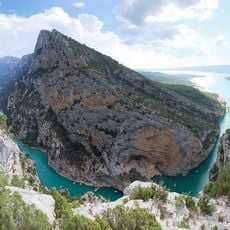
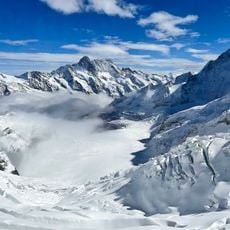
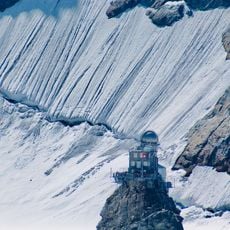
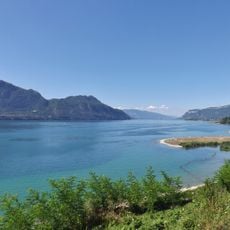
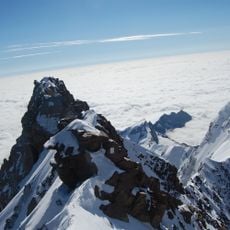
The Rhône begins at the Rhône Glacier at about 2200 meters (7200 feet) elevation in the Valais Alps and passes through Lake Geneva before flowing through wide valleys and gorges toward the Mediterranean. The river forms a broad delta with lagoons, wetlands, and low sandy arms in its final kilometers before reaching open water.
Greek colonists established trading posts at the mouth in the 6th century BC to move goods inland. Roman engineers later built bridges and harbor basins that eased the exchange of goods between the Mediterranean coast and Gallic provinces.
The name comes from Celtic roots meaning 'to flow', and locals in riverfront towns still hold festivals tied to boating and harvest seasons.
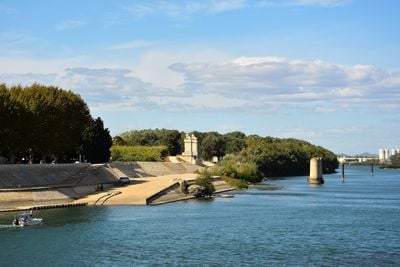
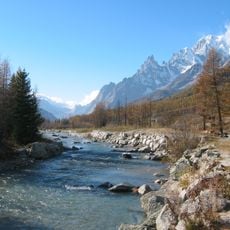
Walking paths and cycling routes follow the course in many sections, allowing travelers to cover long stretches along the bank. The section between Lake Geneva and the Mediterranean offers varied landscapes, from vineyards to flat floodplains.
In the 19th century, boatmen transported goods downstream on flat barges, but the return journey often relied on draft animals along the bank pulling boats against the current. Some sections were considered especially dangerous for crews because of sudden surges and narrow passages.
The community of curious travelers
AroundUs brings together thousands of curated places, local tips, and hidden gems, enriched daily by 92,526 contributors worldwide.