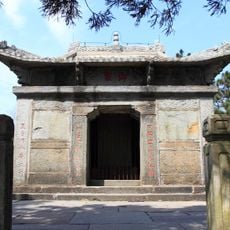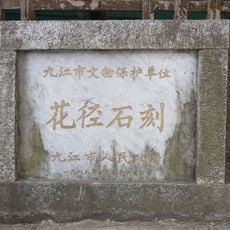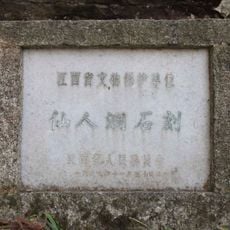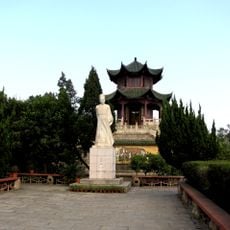
Lushan Quaternary Glaciation National Geopark, UNESCO World Heritage Site geopark in Jiujiang, China
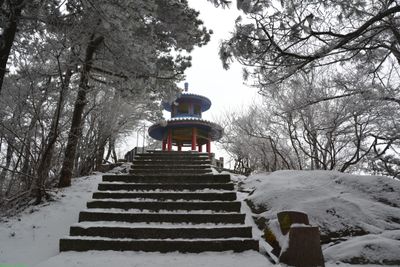
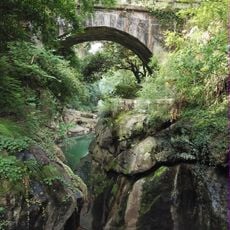
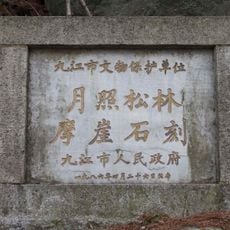
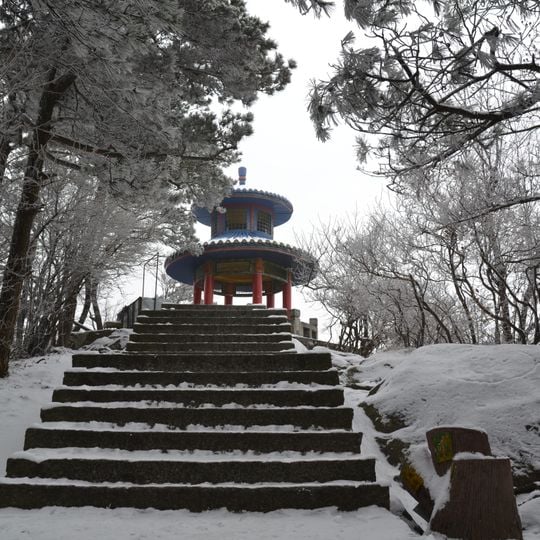
Lushan is a mountain range positioned between the Yangtze River and the Poyang Lake basin, featuring deep valleys, cascading waterfalls, and layered forests across different elevations. The slopes display clear evidence of ancient glacial activity that shaped the current landscape into its distinctive forms.
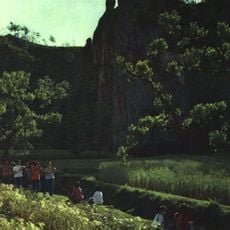
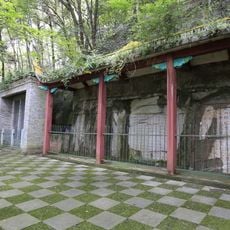
The mountain was repeatedly shaped by glaciers during past geological periods, leaving deep marks in the landscape and rock formations. These ancient glacial events are now studied and documented through the hundreds of formations and deposits that remain visible.
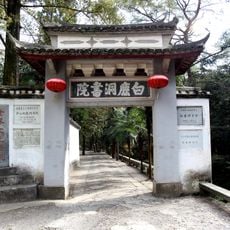
The mountain inspired countless poets and artists throughout history who created works celebrating its landscapes and spiritual character. This artistic legacy continues to define how the place is experienced today by visitors seeking connection with those creative traditions.
The site has multiple access points and conditions are most comfortable during months with mild temperatures, while higher elevations can be quite cold in winter. Sturdy walking shoes and layered clothing are essential since weather and temperature shift rapidly as you climb.
More than 100 distinct glacial formations are preserved across the site and showcase the complete cycle from snow accumulation through glacier formation to rock erosion. This concentrated array of ice-age features in one location provides a rare natural archive for understanding how glaciers work and change.
The community of curious travelers
AroundUs brings together thousands of curated places, local tips, and hidden gems, enriched daily by 92,074 contributors worldwide.