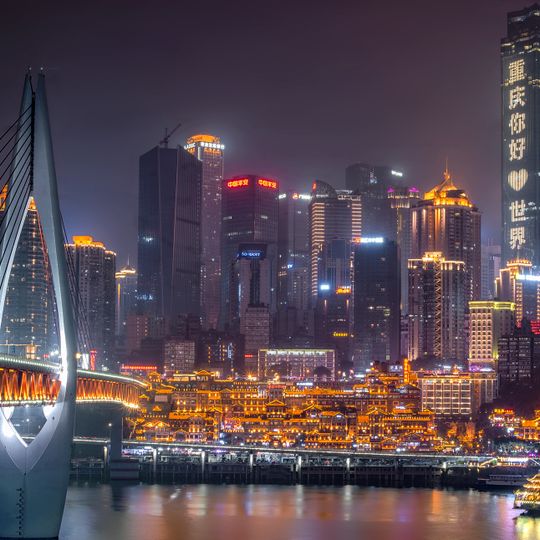
Chongqing, Direct-administered municipality in southwestern China
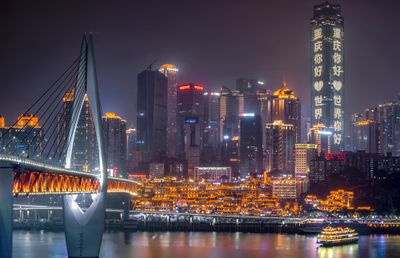
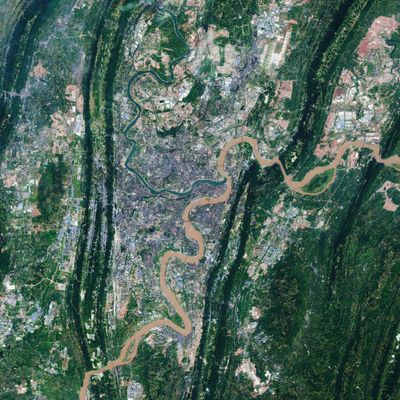
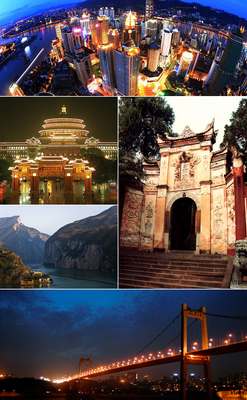
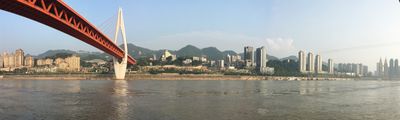
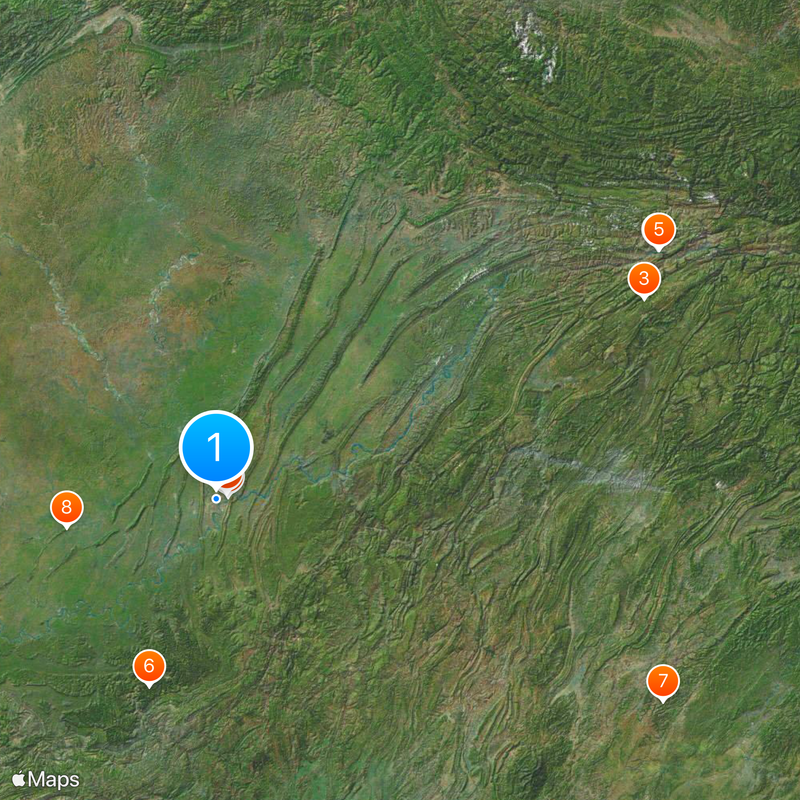
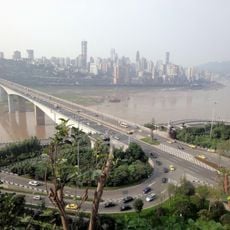
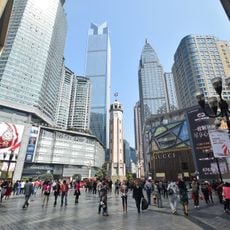
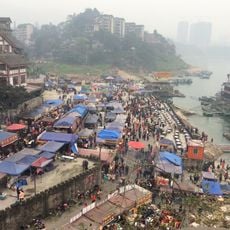
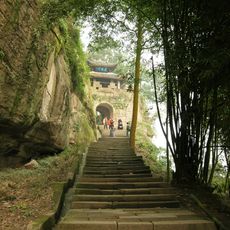
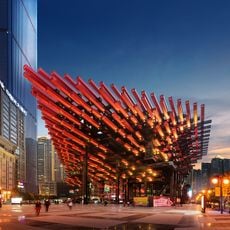
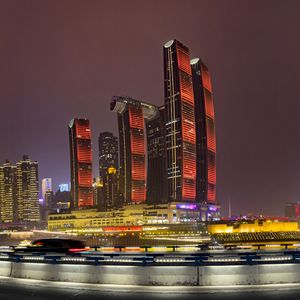
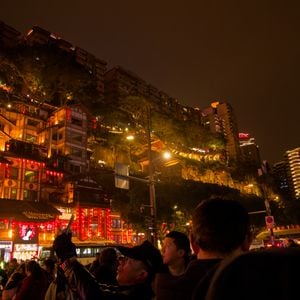
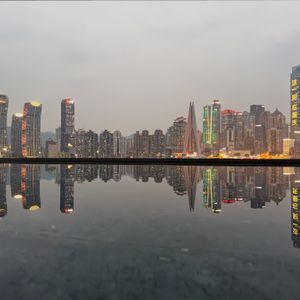
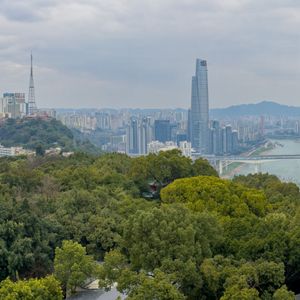
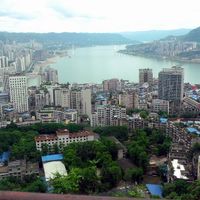
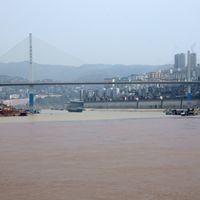
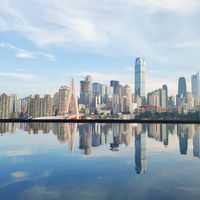
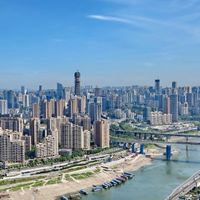
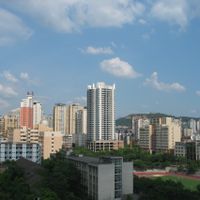
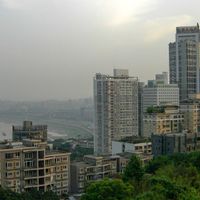
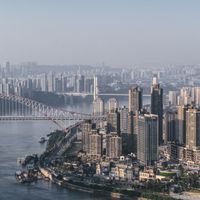
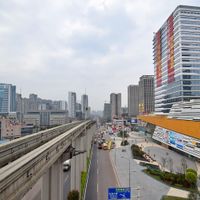
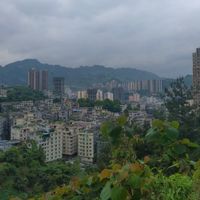
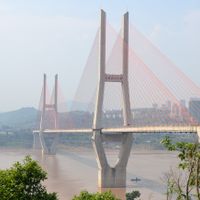
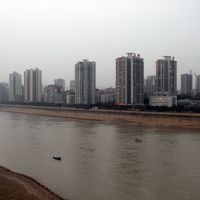
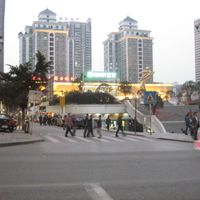
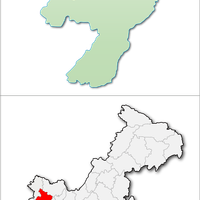
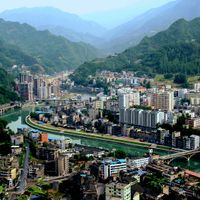
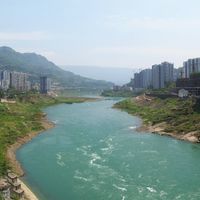
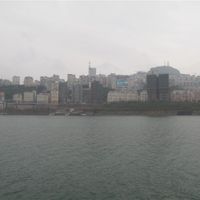
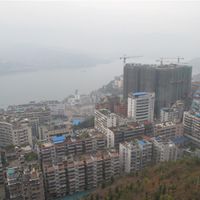
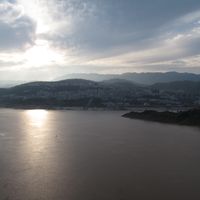
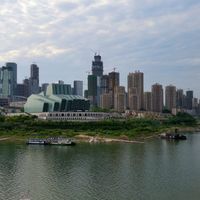
Chongqing is a direct-administered municipality in southwestern China, spreading across mountainous terrain where the Yangtze and Jialing Rivers meet. The densely built neighborhoods climb steep slopes and form multiple levels, linked by staircases, tunnels, and elevated roads.
In 1937, the city became China's wartime capital, shifting from a regional trading port to a national center. The following decades brought rapid industrialization and urban expansion, transforming it into one of the country's largest metropolitan areas.
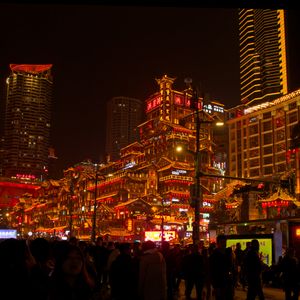
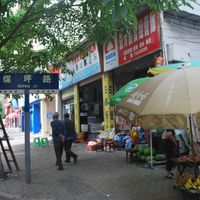
In traditional teahouses along the waterfront, locals gather over mahjong tables while street vendors prepare hotpot dishes right on the sidewalks. Night markets draw families who wander between food stalls, sampling spicy noodles and steamed dumplings that define the local palate.
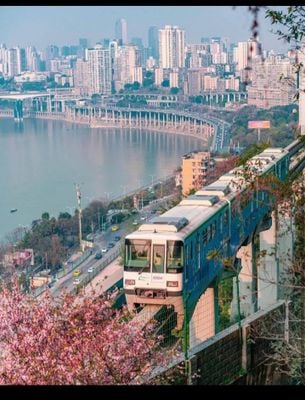
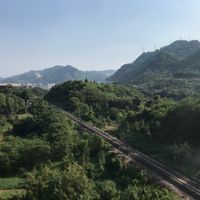
The metro system runs multiple lines through the hilly terrain, using bridges and tunnels to connect different districts. Public transport operates from early morning to late evening, with shorter intervals during rush hours.
Escalators and pedestrian bridges weave through the city, helping residents navigate elevation changes exceeding 240 meters (790 feet) between neighborhoods. Some residential towers have entrances on multiple floors, as each side of the building meets a street at a different level.
The community of curious travelers
AroundUs brings together thousands of curated places, local tips, and hidden gems, enriched daily by 60,000 contributors worldwide.