Yonghe Palace, Imperial palace in Beijing, China
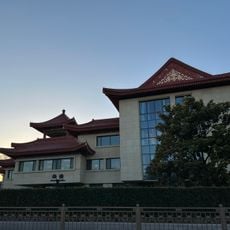
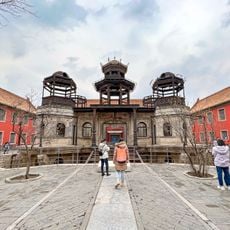
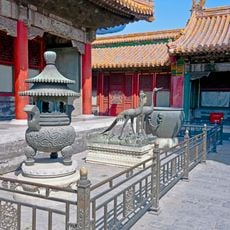
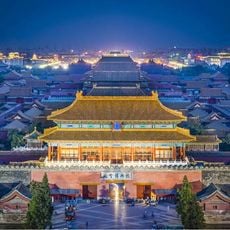
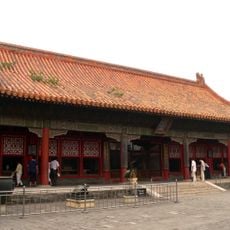
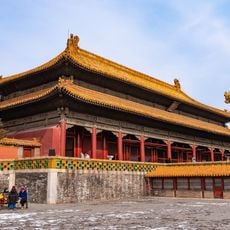
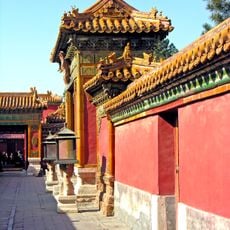
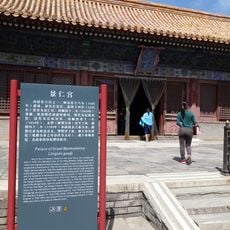
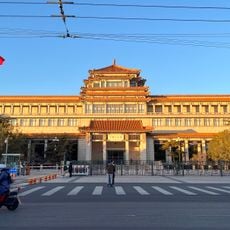
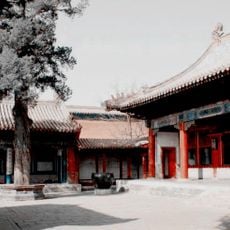
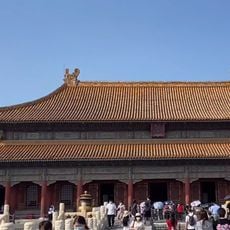
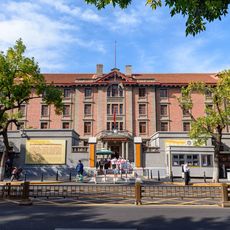
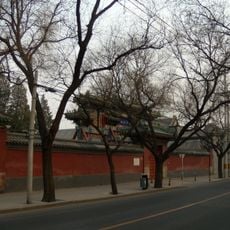
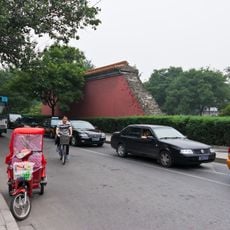
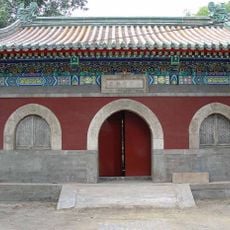
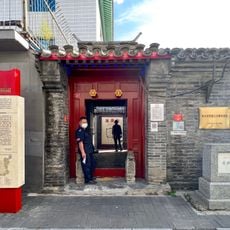
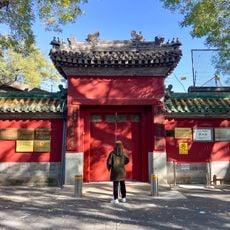
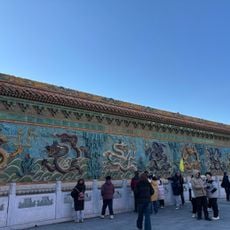
Yonghe Palace is a large temple complex in northeastern Beijing with multiple halls and courtyards built in traditional Chinese architecture, featuring yellow-glazed roof tiles throughout. The entire compound displays the classic elements of imperial construction with carefully organized pavilions connected by covered walkways.
Construction began in 1420 during the Ming Dynasty as an imperial residence for the future Emperor Yongzheng. In the 18th century it was converted into a temple and has remained an important center of Lamaism since then.
The palace served as the residence of Emperor Yongzheng before becoming a major center of Tibetan Buddhism, and this dual history is visible in how the spaces are decorated and arranged today.
The complex is open daily to visitors and can be explored independently or with guided tours available in several languages. It is helpful to wear comfortable shoes since there are many courtyards and stairs to navigate throughout the site.
The palace houses the largest wooden statue of Bodhisattva Maitreya carved from a single sandalwood tree, making it an exceptional artistic achievement. This towering sculpture spans multiple levels of its hall, impressive for its scale and craftsmanship.
The community of curious travelers
AroundUs brings together thousands of curated places, local tips, and hidden gems, enriched daily by 60,000 contributors worldwide.