Cheng Qian Palace, Imperial palace in Beijing, China
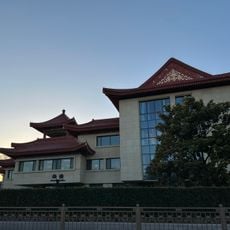
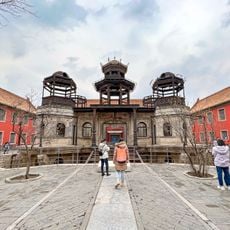
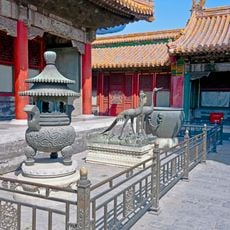
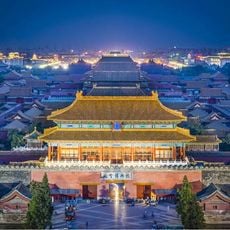
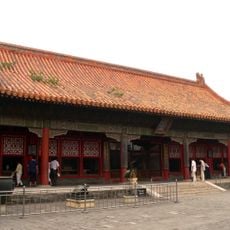
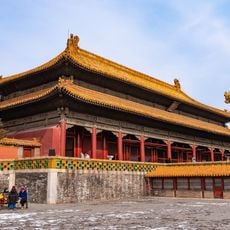
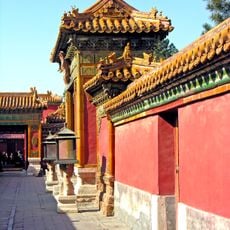
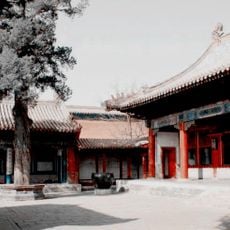
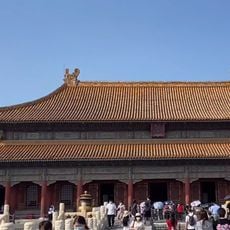
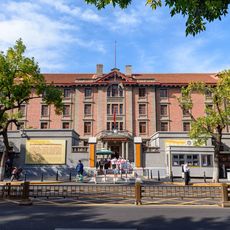
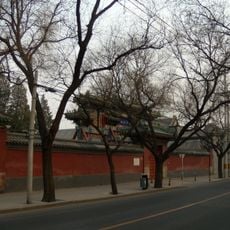
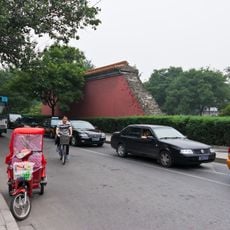
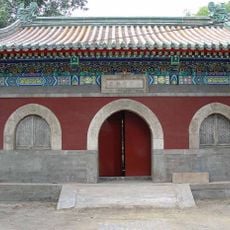
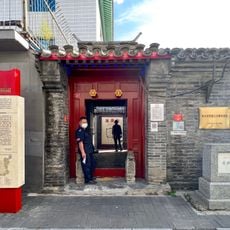
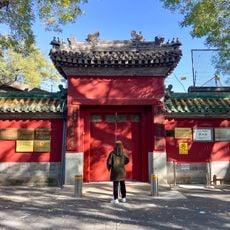
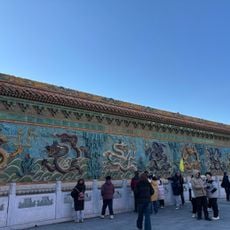
Cheng Qian Palace is a series of buildings within the Forbidden City featuring traditional Chinese architecture with yellow-tiled roofs and red walls. The complex spreads across interconnected courtyards separated by marble terraces and passageways that create distinct functional zones.
The palace was built in 1420 during the Ming Dynasty as a residence for imperial family members and senior officials. Its role and occupancy shifted through the centuries as the structure of the imperial household changed under subsequent rulers.
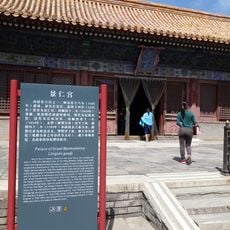
This palace's name translates to "Palace of Succession", a title tied to inheritance customs within the imperial court. The layout reflects strict rules about who could live and work in each section, with different areas reserved for family members and officials based on their position.
This palace is accessed through the Forbidden City complex via its main entrances, which distribute visitors throughout the site. Comfortable footwear is recommended since the grounds involve walking between multiple buildings and courtyards.
Each building was constructed with specific architectural details that identified the rank and purpose of its inhabitants without needing written labels. These design choices allowed visitors familiar with imperial customs to understand who lived where simply by observing the structural and decorative elements.
The community of curious travelers
AroundUs brings together thousands of curated places, local tips, and hidden gems, enriched daily by 90,828 contributors worldwide.