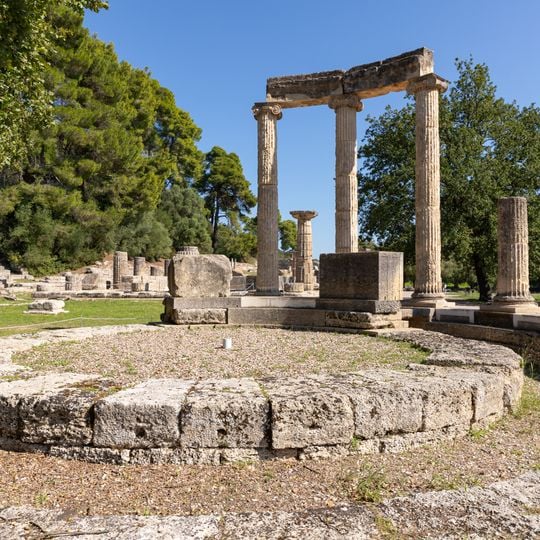
Olympia, Archaeological site in Ancient Olympia Municipality, Greece
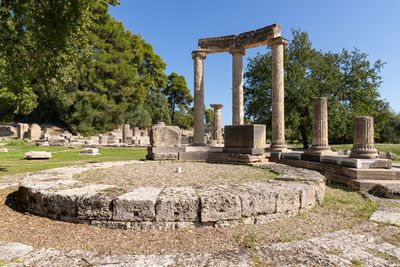
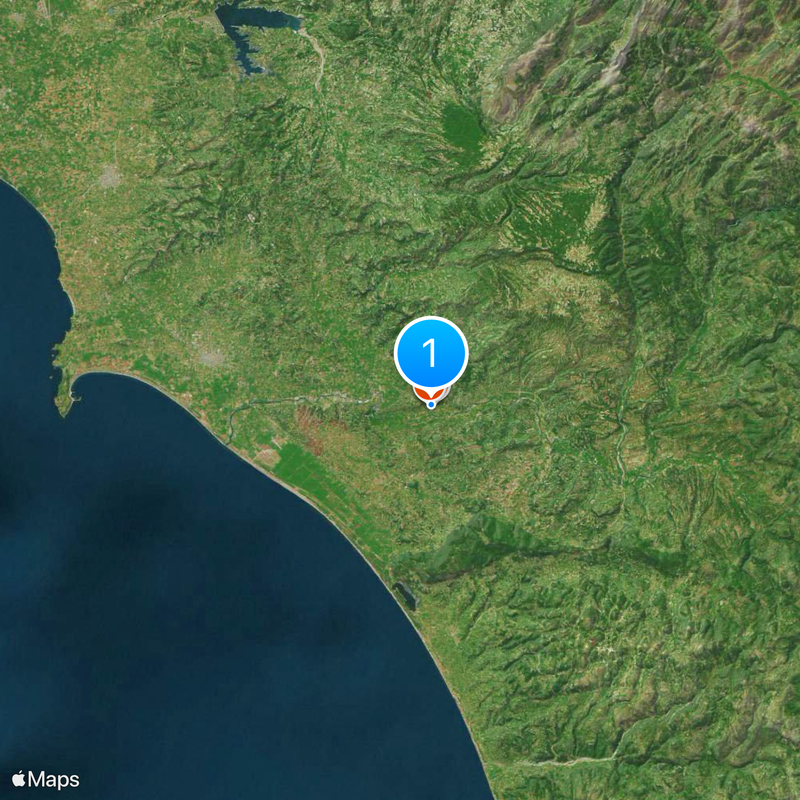
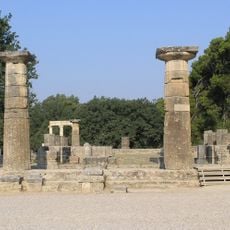
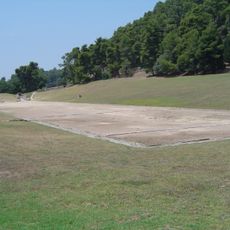
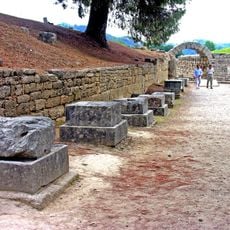
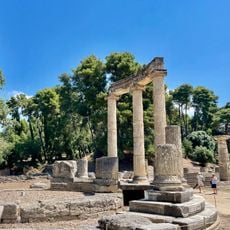
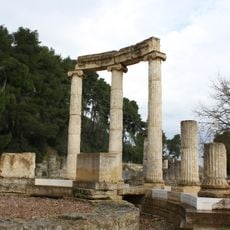
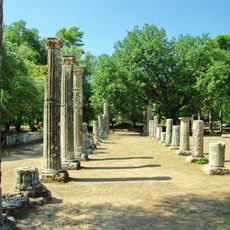
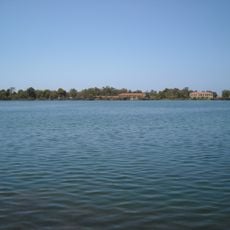
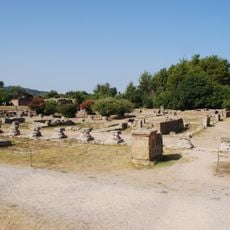
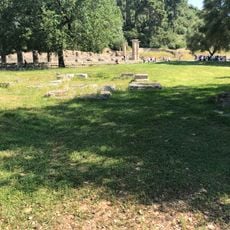
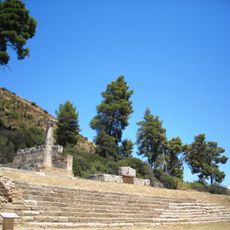
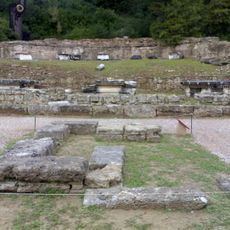
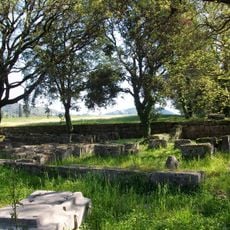
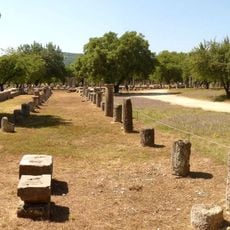
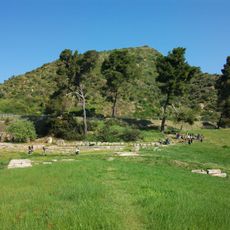
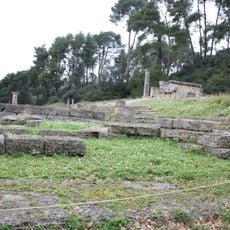
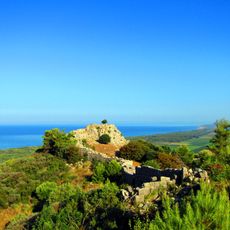
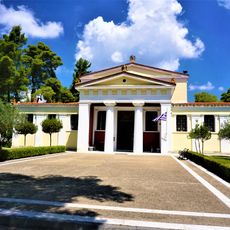
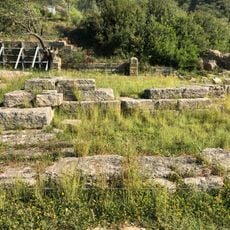
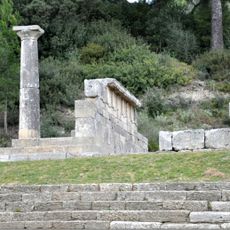
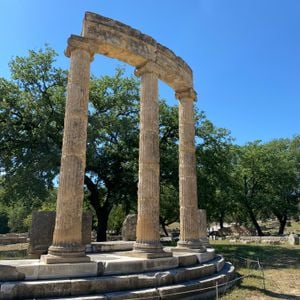
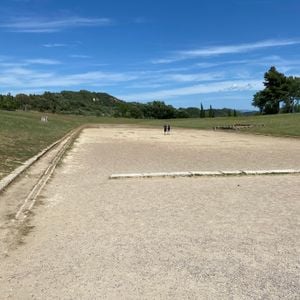
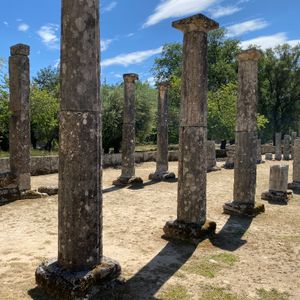
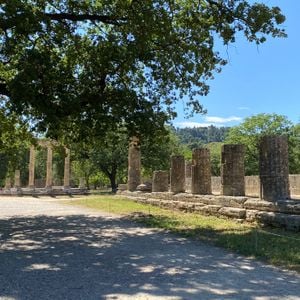
Olympia is an extensive excavation site in Ancient Olympia Municipality, Greece, encompassing temple ruins, training grounds, and competition facilities. The site spreads across wooded hills and plains at the confluence of the Alpheios and Kladeos rivers, where column stumps and foundations mark the terrain.
The complex developed from the 10th century BC as a cult site and became a panhellenic center through the games starting in 776 BC. Emperor Theodosius I banned the contests in 393 AD, after which earthquakes and floods buried the temples under mud.
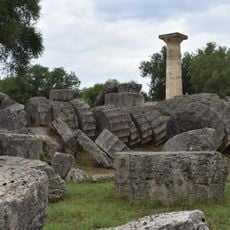
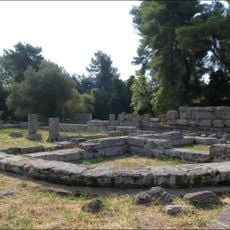
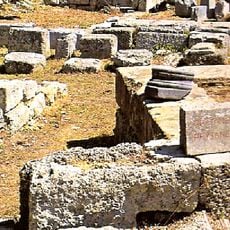
The Temple of Zeus stood at the center of the sanctuary and connected athletic contests with religious rituals. Visitors today see the massive shell limestone column drums lying on the ground, reminding them of the former grandeur.
The sprawling grounds require sturdy footwear and several hours to explore the scattered ruins. Shade is scarce, so a visit during cooler morning hours or late afternoon is advisable.
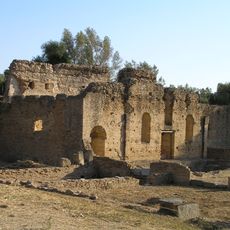
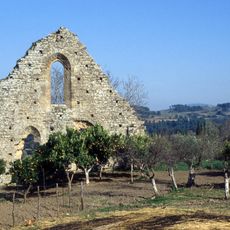
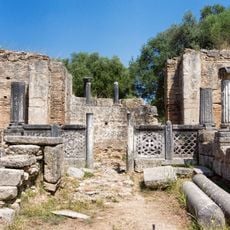
Archaeologists found tools and casting molds in the workshop of Phidias that were used to produce the gold plates for the Zeus statue. The room was later converted into an early Christian church, whose walls remain visible today.
The community of curious travelers
AroundUs brings together thousands of curated places, local tips, and hidden gems, enriched daily by 60,000 contributors worldwide.