Hokkaido, Northern island in Japan
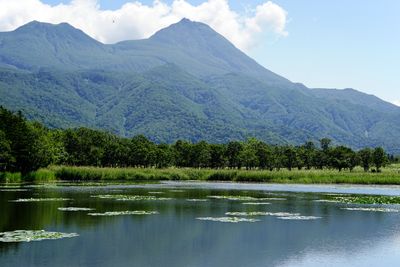
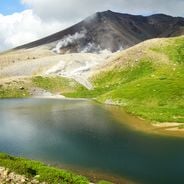
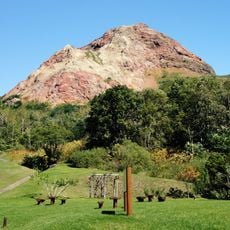
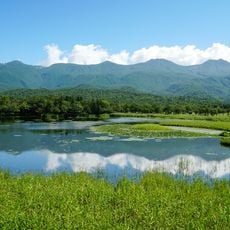
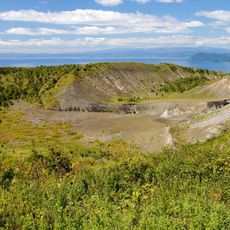
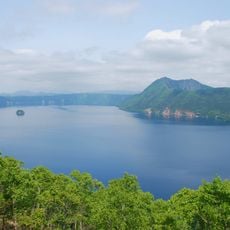
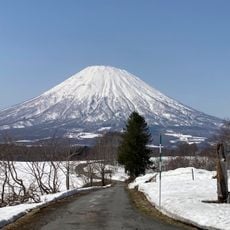
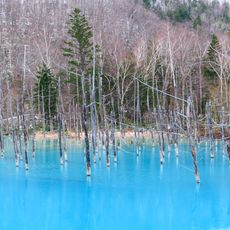
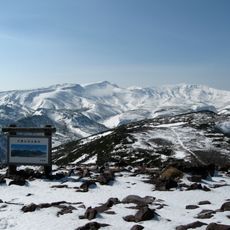
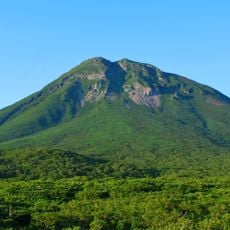
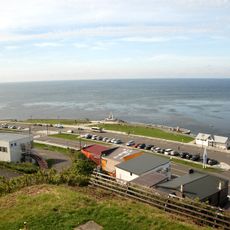
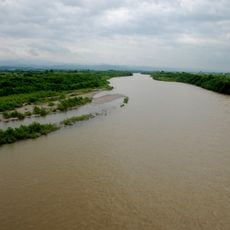
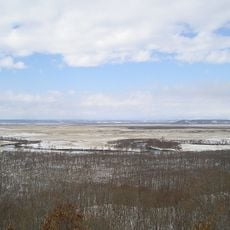
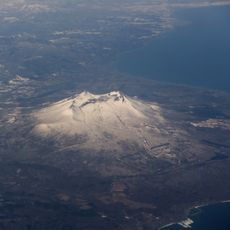
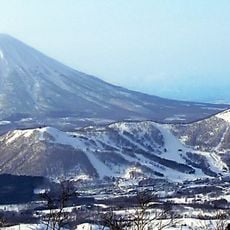
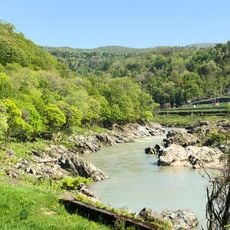
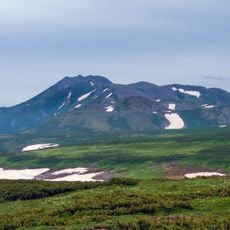
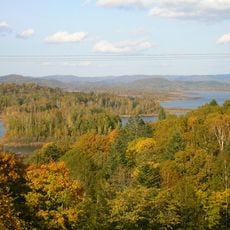
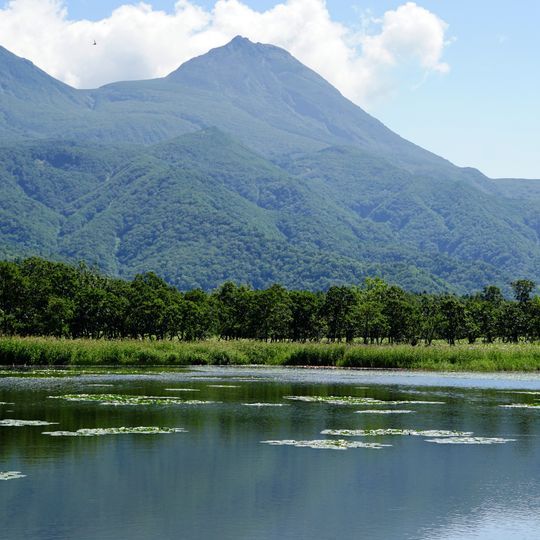
Hokkaido is a landmass of 83,424 square kilometers in northern Japan that contains mountains, forests, lakes, and volcanic formations across varied terrain at different elevations. Coastlines enclose this region, while interior plains hold agricultural areas and river networks that connect the rugged highlands to the lower coastal zones.
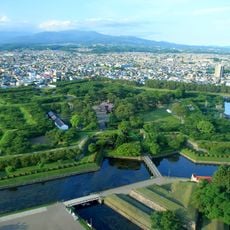
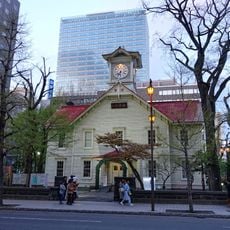
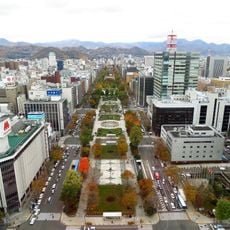
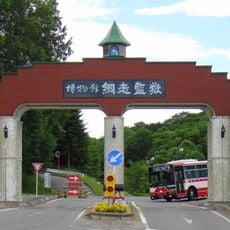
The Japanese government established formal control over this territory in 1869, marking a shift from indigenous Ainu governance to mainstream Japanese administration. This transition brought settlers from the south who founded towns and initiated agricultural projects that reshaped the region.
The Ainu preserve their customs through ceremonial dances, fabric patterns, wood carvings, and oral storytelling traditions across the island. Their presence appears in cultural centers and museums, where visitors encounter traditional clothing, tools, and language that reflect centuries of indigenous life.
This territory connects to mainland Japan through the Seikan Tunnel, with New Chitose Airport serving as the main gateway for international travelers. Winter conditions can be challenging from November through April, with heavy snowfall affecting roads and rural areas throughout these months.
This territory includes four disputed islands north of its main landmass, known as the Northern Territories in Japan and the Southern Kurils in Russia. These islands remain uninhabited or minimally settled, with no tourist infrastructure accessible to visitors from Japan.
The community of curious travelers
AroundUs brings together thousands of curated places, local tips, and hidden gems, enriched daily by 92,600 contributors worldwide.