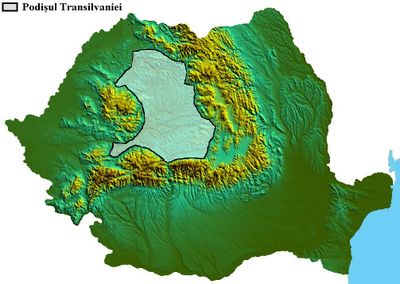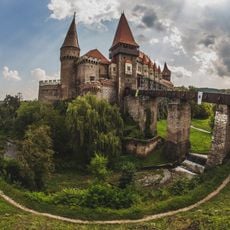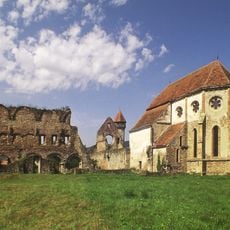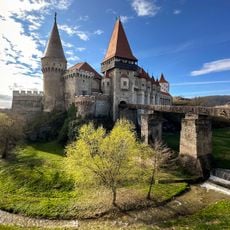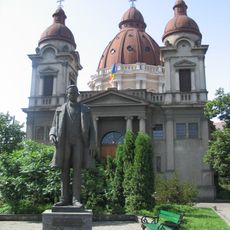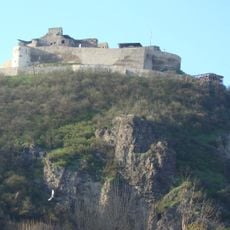
Transylvanian Plateau, Geographic plateau in central Romania.
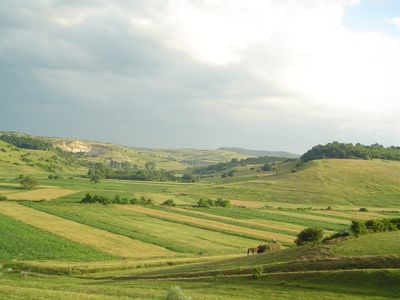
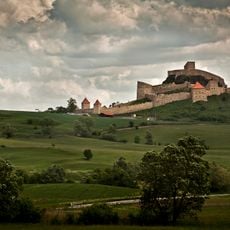
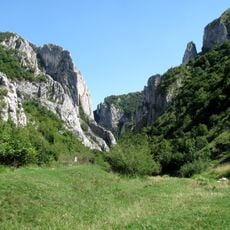
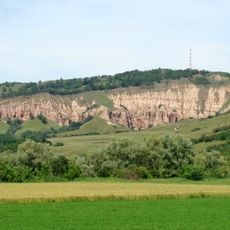
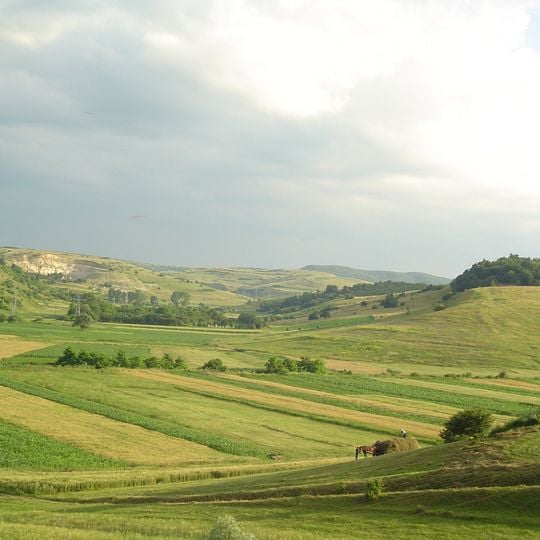
The Transylvanian Plateau is an elevated region in central Romania composed of interconnected valleys, ravines, and flat areas separated by rolling hills. Local topography shows gentle elevations rarely exceeding 250 meters above the valley floors, creating a landscape of gradual variations.
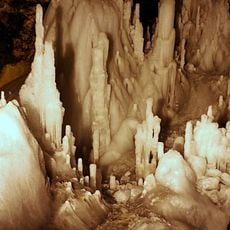
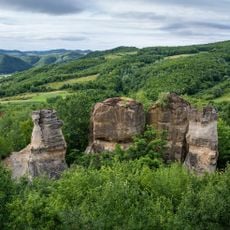
Geological forces over millions of years shaped the loose rock formations and layered structures visible in the landscape today. This extended natural process created the pattern of valleys and plateaus that characterize the region.
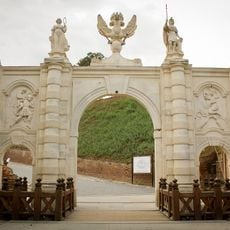
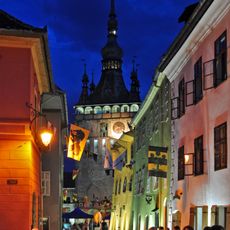
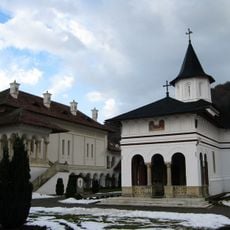
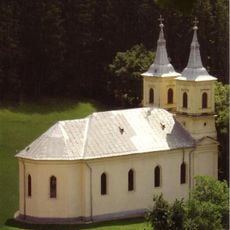
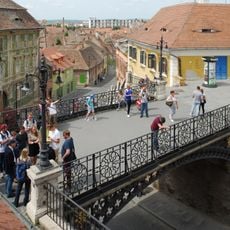
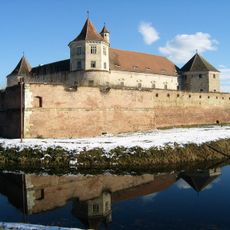
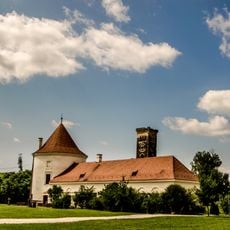
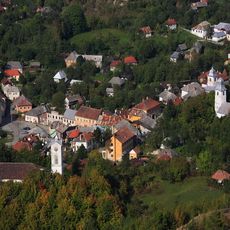
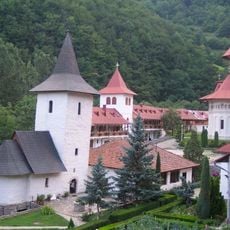
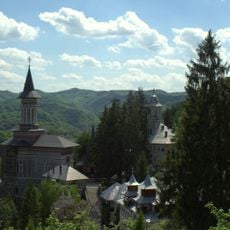
The plateau has long served as a crossroads where different communities built settlements adapted to the local terrain. Today, you can still see traditional villages scattered across the highlands, reflecting centuries of habitation patterns.
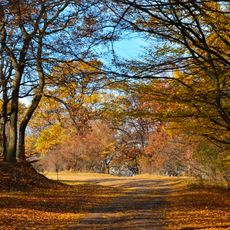
The region experiences a continental climate with marked seasonal temperature shifts, ranging from warm summers to cold winters. Visitors should prepare for variable weather conditions and bring clothing suitable for different seasons throughout the year.
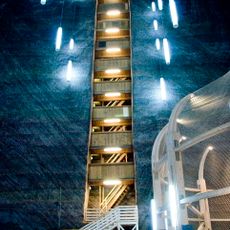
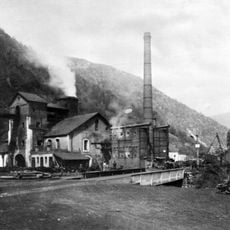
Hidden beneath the surface lie substantial reserves of methane and salt domes that fuel much of the country's natural gas production. These underground resources shape the economy in ways most visitors never directly observe while exploring the terrain.
The community of curious travelers
AroundUs brings together thousands of curated places, local tips, and hidden gems, enriched daily by 90,848 contributors worldwide.