See the monuments around you in AROpen chests in the app
Around Us is built for your phone — point your camera at the streets and discover the monuments and places around you in augmented reality.Around Us is built for your phone — chests unlock when you walk, explore and capture nearby places.
The cliffs of the Earth form tall, steep walls shaped by erosion and geological forces over millions of years, from ocean shores to mountain peaks.
Cliffs are some of the most notable rock formations on the Earth, from seaside cliffs to mountain walls inland. Along the oceans, they shape the shorelines over many miles. In the mountains, they form tall, straight walls that attract climbers from around the world. This collection shows important cliffs on six continents, including the Cliffs of Moher in Ireland which rise to 214 meters, the white chalk cliffs of Dover in England, and the Preikestolen in Norway, which stands 604 meters above the Lysefjord.
Some of the highest vertical walls on the planet are included. The Kalaupapa cliffs on Molokai reach 1010 meters, and the Trango towers in Pakistan rise more than 6000 meters with steep rock faces. Coastal formations like the cliffs at Étretat in Normandy, Slieve League in Ireland, and the Bunda cliffs along the Nullarbor Plain in Australia show how the ocean wears away the land. Inland, areas like El Capitan in California, the towers of Zhangjiajie National Forest Park in China, and the Table Mountain in South Africa create notable shapes shaped over millions of years by different geological forces.
The cliffs of the Earth form tall, steep walls shaped by erosion and geological forces over millions of years, from ocean shores to mountain peaks.
Cliffs are some of the most notable rock formations on the Earth, from seaside cliffs to mountain walls inland. Along the oceans, they shape the shorelines over many miles. In the mountains, they form tall, straight walls that attract climbers from around the world. This collection shows important cliffs on six continents, including the Cliffs of Moher in Ireland which rise to 214 meters, the white chalk cliffs of Dover in England, and the Preikestolen in Norway, which stands 604 meters above the Lysefjord.
Some of the highest vertical walls on the planet are included. The Kalaupapa cliffs on Molokai reach 1010 meters, and the Trango towers in Pakistan rise more than 6000 meters with steep rock faces. Coastal formations like the cliffs at Étretat in Normandy, Slieve League in Ireland, and the Bunda cliffs along the Nullarbor Plain in Australia show how the ocean wears away the land. Inland, areas like El Capitan in California, the towers of Zhangjiajie National Forest Park in China, and the Table Mountain in South Africa create notable shapes shaped over millions of years by different geological forces.
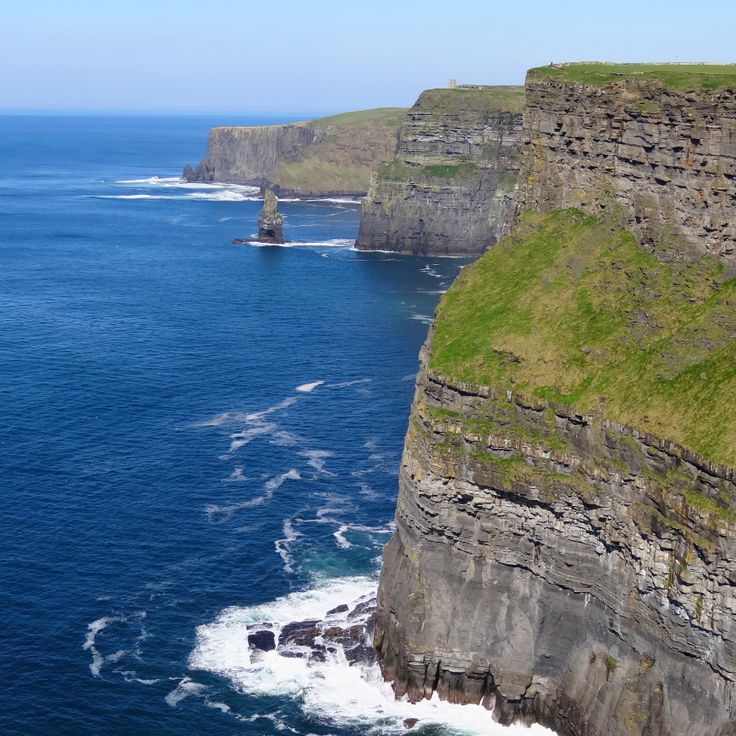
The Cliffs of Moher rise about 214 meters (700 feet) above the Atlantic Ocean and run for roughly 14 kilometers (9 miles) along the west coast of Ireland. From the top, you can see the Aran Islands and Galway Bay. The visitor center is built underground, so it blends into the land around it. Marked paths follow the edge of the cliffs. The wind here can be very strong, especially near the barriers, so visitors are advised to take care.
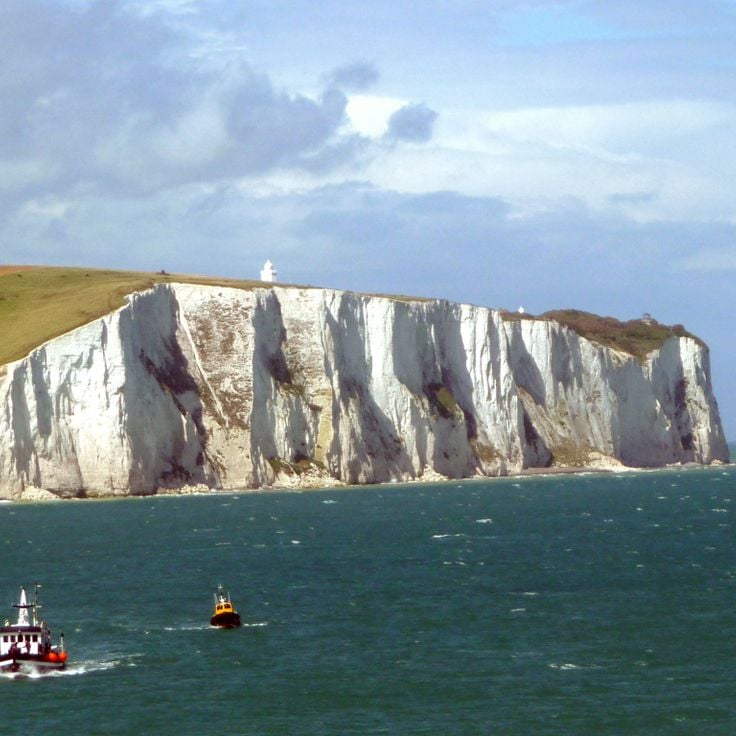
The White Cliffs of Dover rise about 360 feet (110 m) above the English Channel and run along roughly 8 miles (13 km) of the Kent coastline. For centuries, they have been the first sight of England for travelers crossing from continental Europe. The chalk formed around 90 million years ago from the compressed shells of tiny marine organisms. The same geological layer continues across the Channel into Normandy and as far as the Danish island of Møn.
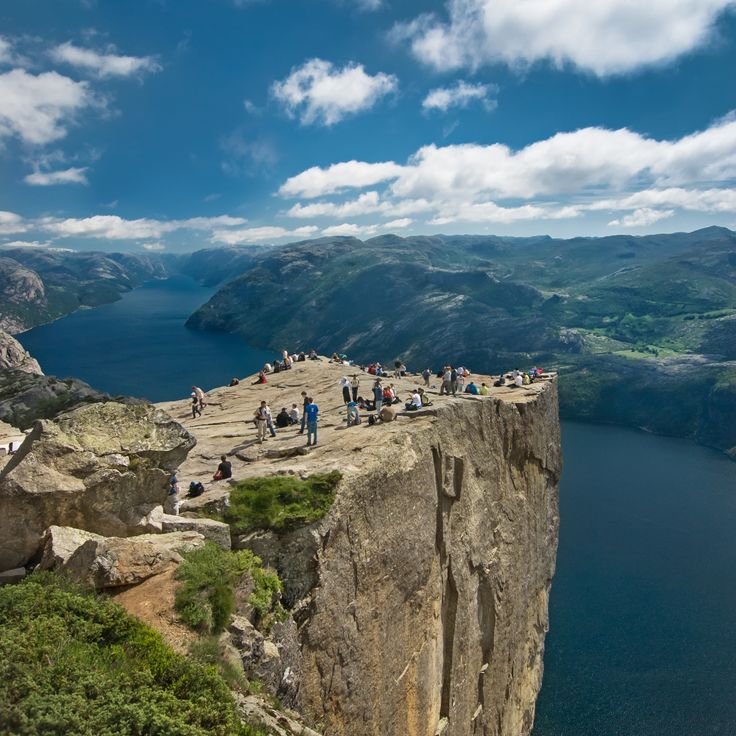
Preikestolen is a granite cliff in Rogaland that rises 604 meters (1,982 feet) straight above the Lysefjord. At the top, a flat rocky surface stretches about 25 meters (82 feet) wide, giving walkers an open view directly down to the water and across the surrounding mountains. Every year, thousands of people make the several-hour hike up to reach this exposed ledge. The trail asks for real effort, but standing at the edge above the deep fjord makes it easy to understand why so many people come.
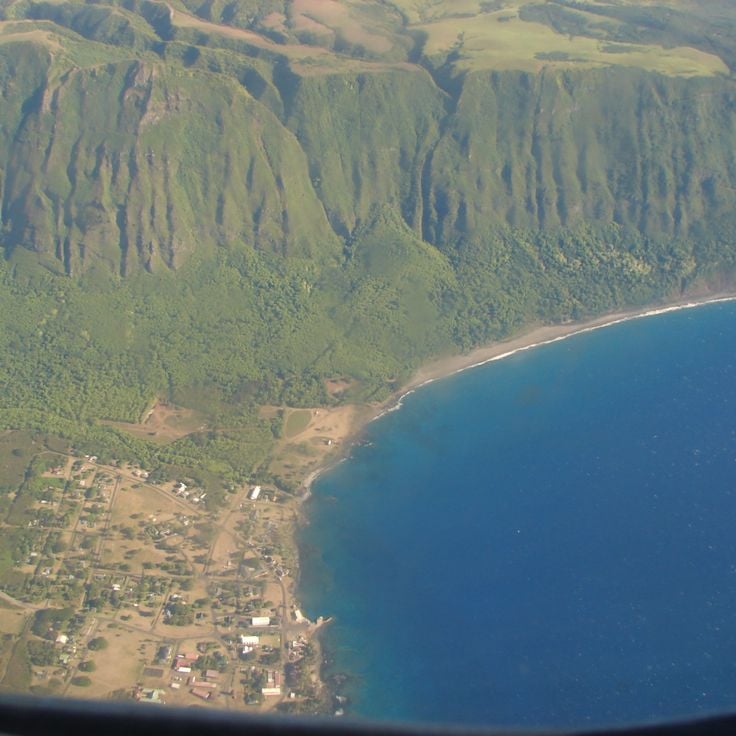
The Kalaupapa Cliffs rise more than 900 meters straight out of the Pacific Ocean along the north shore of Molokai. These dark basalt walls are among the tallest sea cliffs on Earth and show the volcanic origins of the island through their layered rock. They once formed a natural barrier to the peninsula below, which served as a quarantine colony for leprosy patients in the 19th century. Most visitors see these walls from the air or from the water, as the cliffs are not accessible on foot.
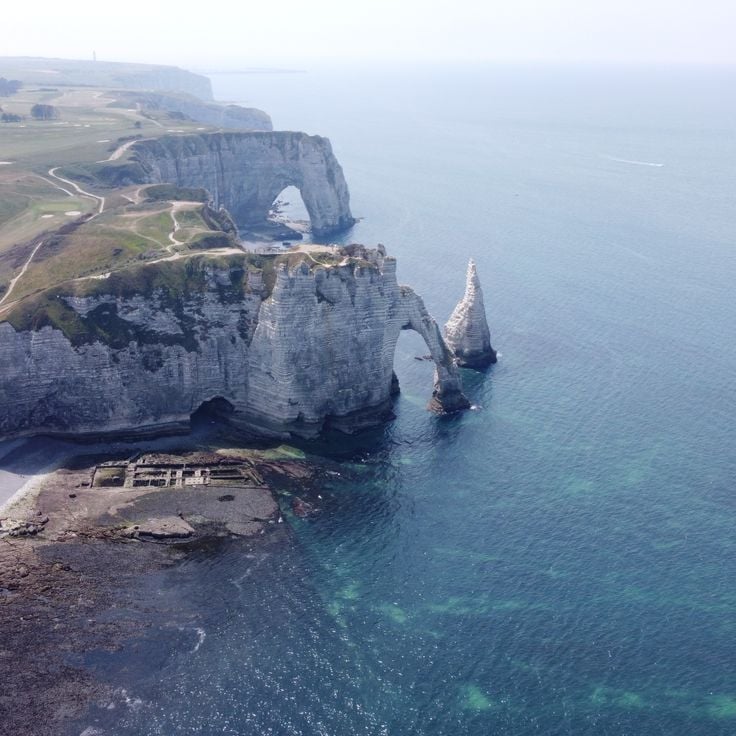
The Falaises d'Étretat are white limestone cliffs on the Normandy coast, rising about 90 meters (295 feet) above the sea. Over thousands of years, the waves have carved natural arches and isolated rock pillars into the stone. These cliffs are among the most recognizable coastal formations in France and have long drawn painters and writers to their shores.
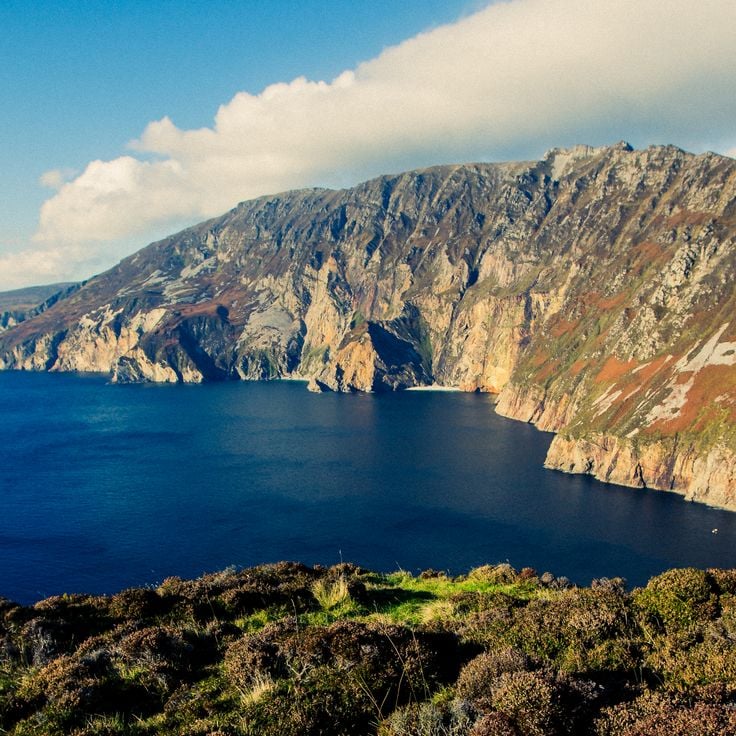
Slieve League drops almost vertically into the Atlantic Ocean for 601 meters (1,972 ft), making it one of the tallest sea cliffs in Europe. The rock here is Precambrian, shaped over millions of years by wind and waves along the west coast of Ireland. Walking trails lead to several viewpoints along the edge. Compared to other cliff sites in Ireland, Slieve League tends to attract fewer visitors, so it is easier to take in the view without crowds.
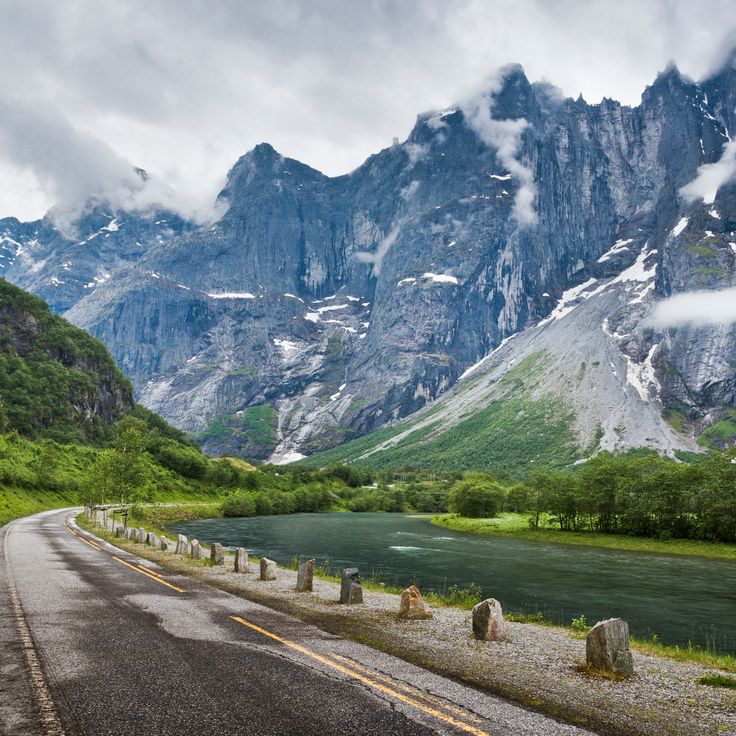
The Troll Wall is a vertical rock face in the Norwegian mountains near Rauma. It rises about 3,600 feet (1,100 meters) above the Romsdal valley floor, making it one of the tallest sheer rock walls in Europe. Part of the Romsdalshorn massif, it has drawn climbers since the 1960s, when the first ascents were made. The routes are long, technically demanding, and take climbers up granite faces that drop almost straight down to the valley below.
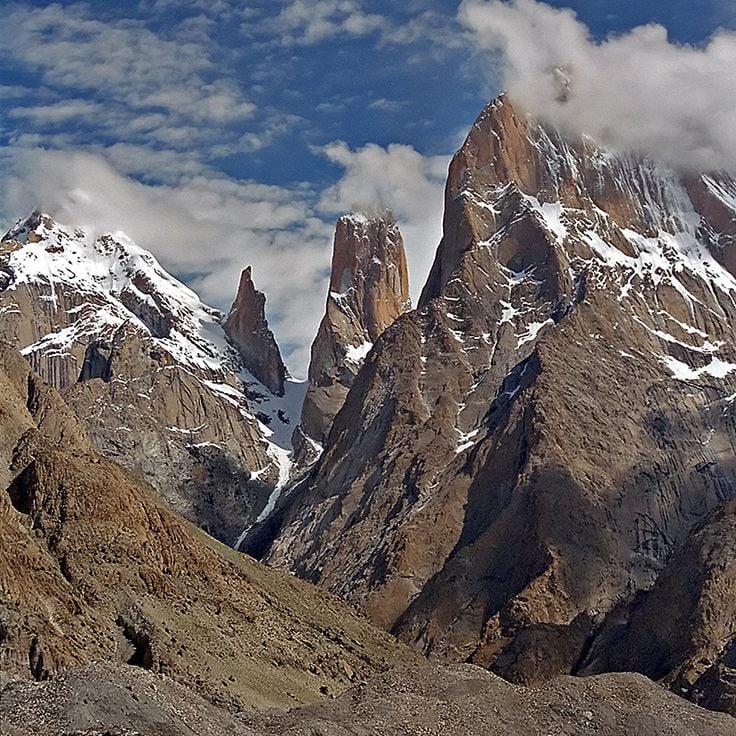
The Trango Towers are granite peaks in Pakistan's Karakoram range, rising above 6000 meters with vertical rock faces dropping more than 3300 feet (1000 meters). They rank among the tallest vertical rock formations on Earth. Climbers from around the world come here to attempt technically demanding routes through granite and ice.
The Bunda Cliffs run along the southern coast of Australia, where vertical limestone walls rise straight up from the Great Australian Bight. There is no beach below, just rock meeting water. These cliffs form the southern edge of the Nullarbor Plain, a flat and treeless landscape stretching far inland. The Eyre Highway between Ceduna and Norseman passes several viewpoints where you can stand at the edge and watch the waves breaking about 295 feet (90 meters) below.
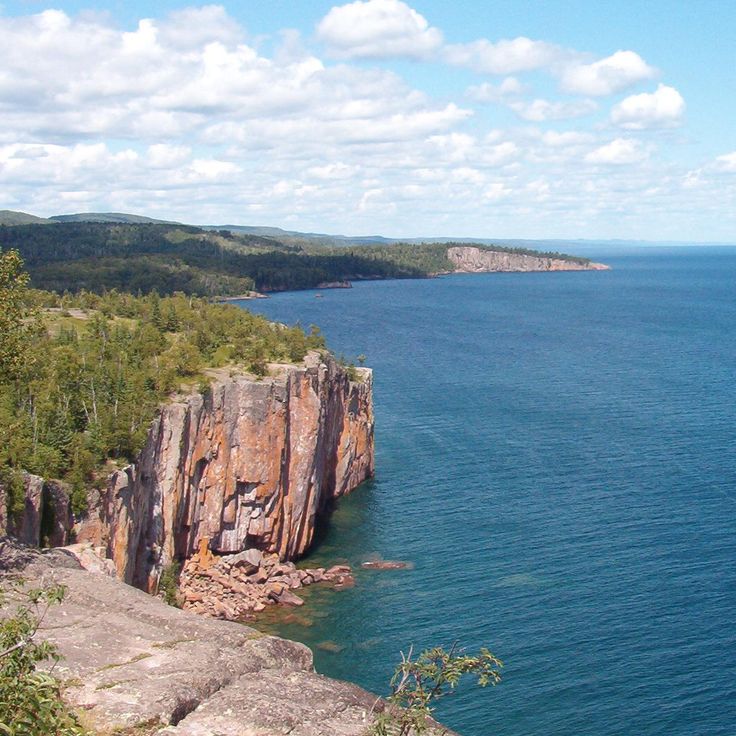
Palisade Head is a red volcanic rock face that rises about 200 feet (60 m) straight up from the surface of Lake Superior. From the top, the view opens wide over the water in all directions. This cliff is part of a worldwide collection of vertical rock formations, from the Atlantic cliffs of Ireland to the rock towers of China. The stone was shaped by volcanic activity millions of years ago and has defined this stretch of North America's largest freshwater lake ever since.
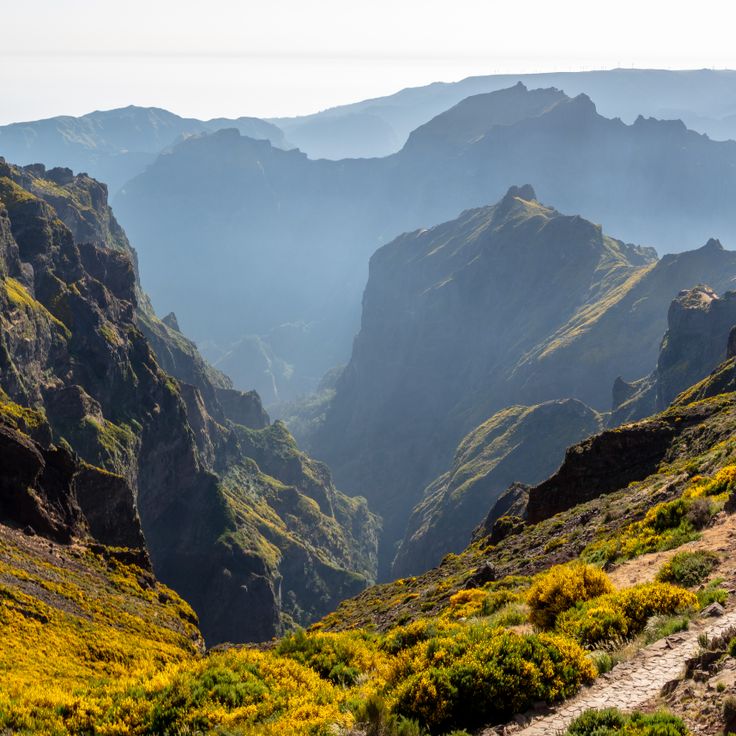
Pico do Arieiro is the third highest peak on the island of Madeira, rising to 6,000 ft (1,818 m) in the heart of the central mountain range. From the summit, the view opens onto steep rock faces, deep ravines and sharp ridges shaped by volcanic forces over millions of years. This peak is part of a collection that brings together vertical rock formations from coastlines and mountain ranges across six continents.
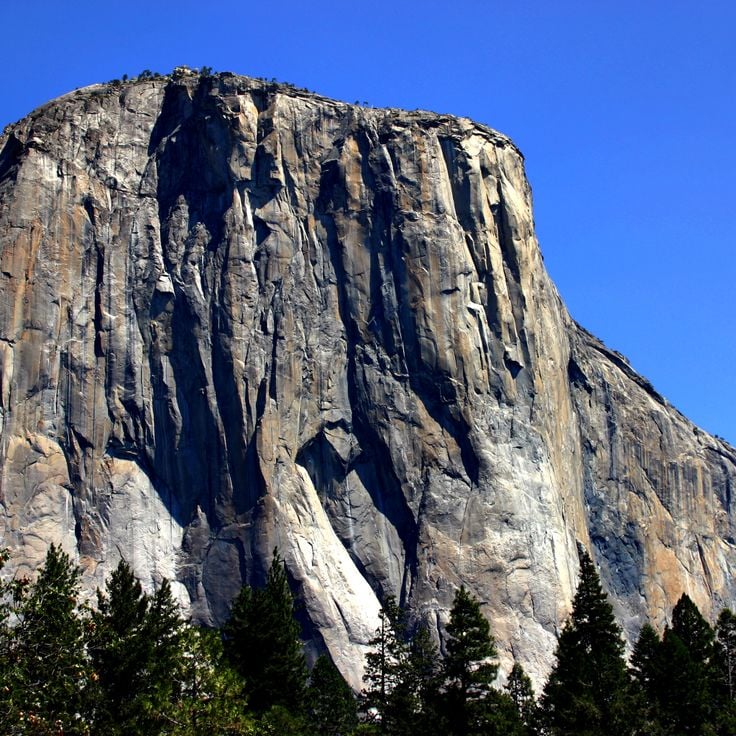
El Capitan is a granite monolith in Yosemite Valley that rises nearly 3,000 feet (about 900 meters) straight up from the valley floor. It is one of the largest vertical rock faces in North America, shaped roughly 100 million years ago and later exposed by glacial erosion. Climbers from around the world come to take on its routes, including The Nose and Salathé Wall. From the valley floor, the full height of the wall is visible at a glance, and visitors gather daily to look up at it.
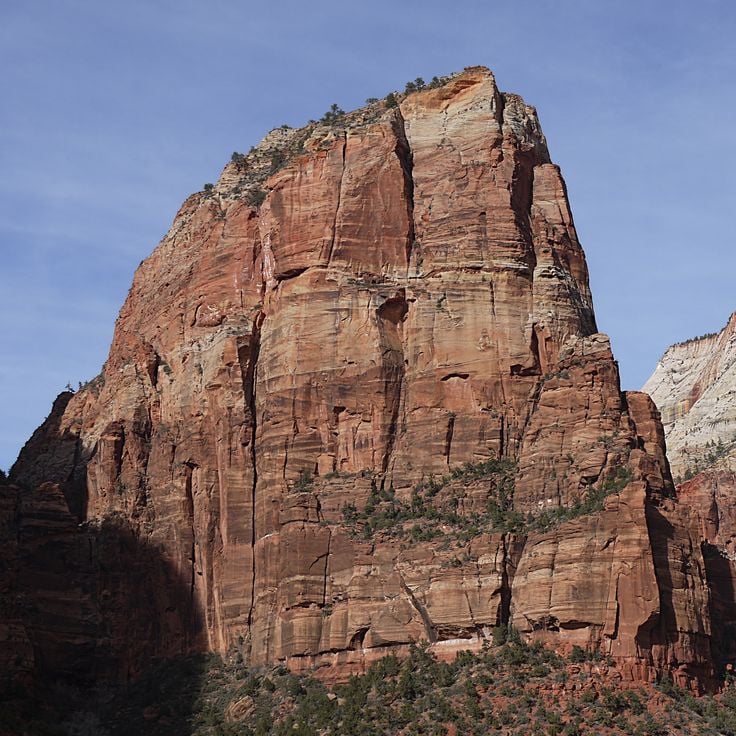
Angel's Landing is a red sandstone formation rising about 1,490 feet (450 m) above the floor of Zion National Park in Utah. The trail climbs through a series of tight switchbacks known as Walter's Wiggles before reaching a narrow ridge with steep drops on both sides. Chains bolted into the rock help hikers cross the most exposed sections. Far below, the Virgin River winds through the canyon.
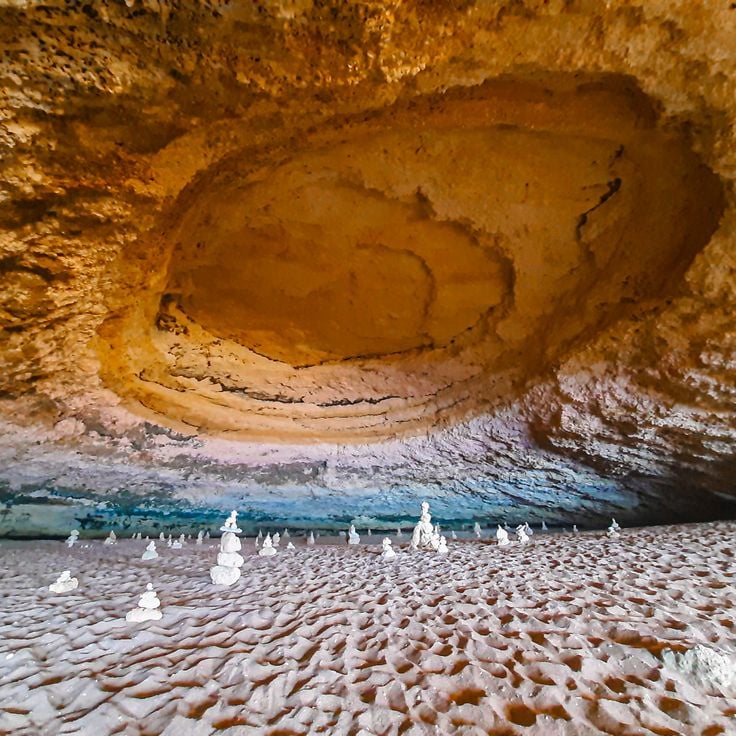
The Benagil sea cave sits along the Algarve coast, carved into limestone cliffs by centuries of wave action. A round opening in the ceiling lets daylight pour down onto the sandy floor inside. The cave can only be reached from the water, by kayak, by swimming, or by boat, making it one of those places where the sea itself sets the rules. It shows how the ocean has slowly shaped the soft rock of this stretch of the Portuguese coast.
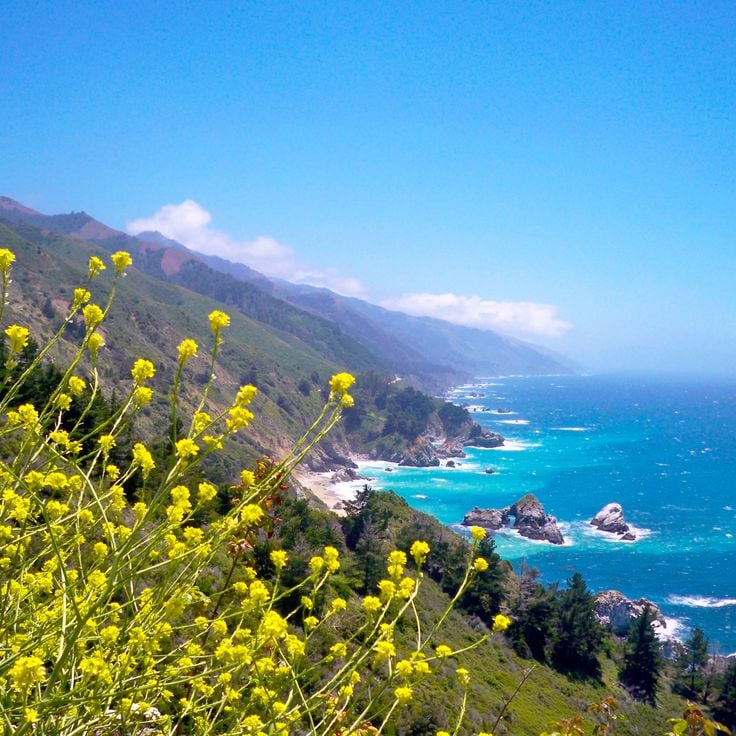
Big Sur runs along the California coast where the Santa Lucia Mountains drop straight into the Pacific. Over roughly 145 miles (230 km) between Monterey and San Luis Obispo, granite cliffs fall sharply to the ocean below. The Pacific Coast Highway winds through redwood forests and opens up to wide views of the shoreline. Big Sur is one of the places along the North American coast where the land meets the sea most abruptly.
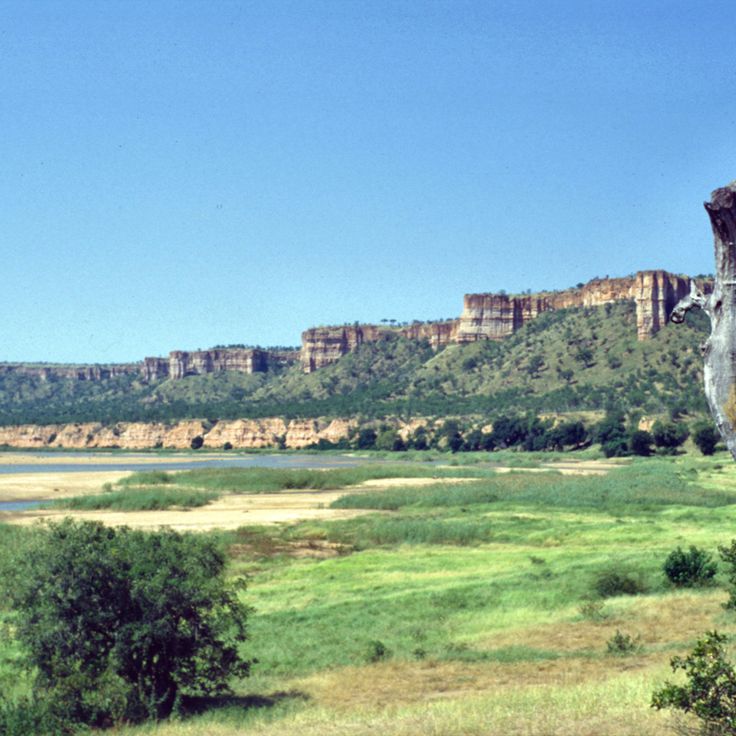
The Chilojo Cliffs are made of red sandstone and rise about 590 feet (180 meters) above the Runde River valley in southern Zimbabwe. The rock has a deep red color that stands out sharply against the green bush of Gonarezhou National Park. Elephants and buffalo often move along the base of the cliffs, and at sunset the stone takes on an almost burning glow.
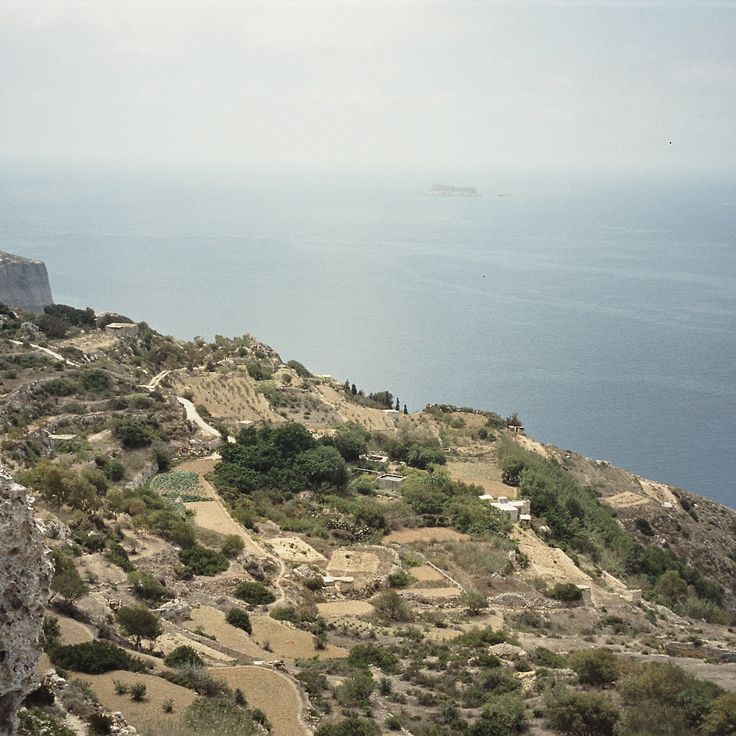
The Dingli Cliffs rise about 250 meters (820 feet) above the Mediterranean Sea and form the highest point on the island of Malta. Along the western coast, the limestone rock face shows clearly visible geological layers that formed millions of years ago. From the edge of the cliffs, the view opens out over the open sea toward the uninhabited island of Filfla, a few kilometers offshore. The path running along the top is a favorite spot for locals who come to walk and enjoy the open air.
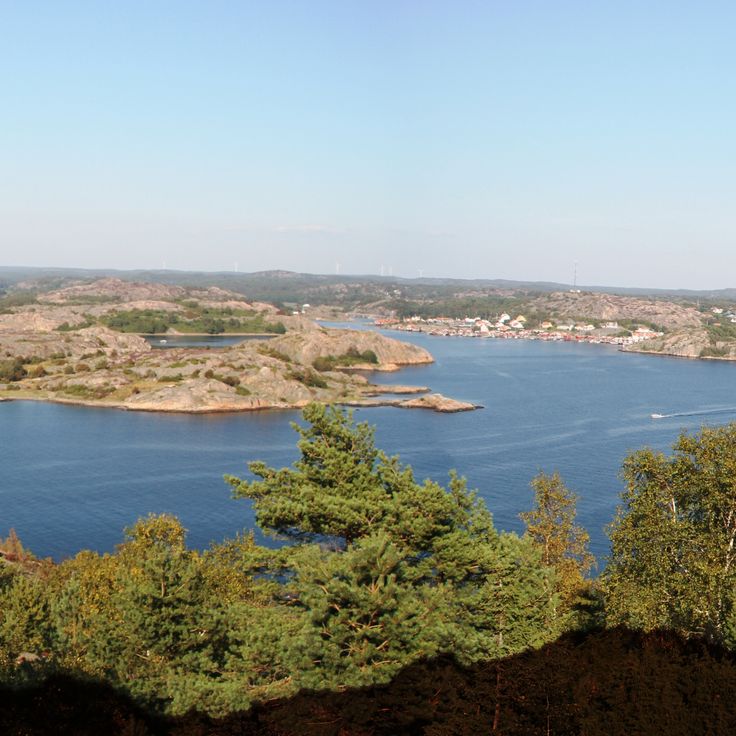
The Fjällbacka Archipelago sits off the west coast of Sweden and is made up of more than a thousand granite islands. The cliffs drop straight into the water and form sheltered coves between the rocks. Some sections rise over 70 meters (230 feet) and have long served sailors as landmarks. Fishing villages have dotted this coast for generations, tucked in among the rocks.
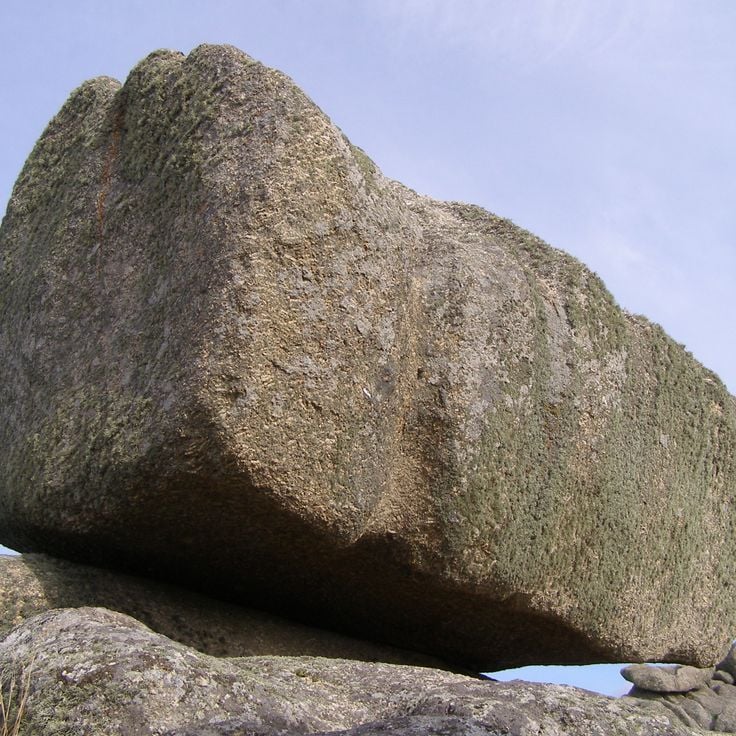
Logan Rock is a massive granite boulder sitting on a coastal cliff in Cornwall. Despite its weight of around 80 tons (roughly 72 metric tons), it can be rocked with a push. Centuries of erosion shaped it so precisely that it balances on its base and moves when pressure is applied. This rock shows how natural forces can work on stone over long periods and produce something that surprises anyone who sees it.
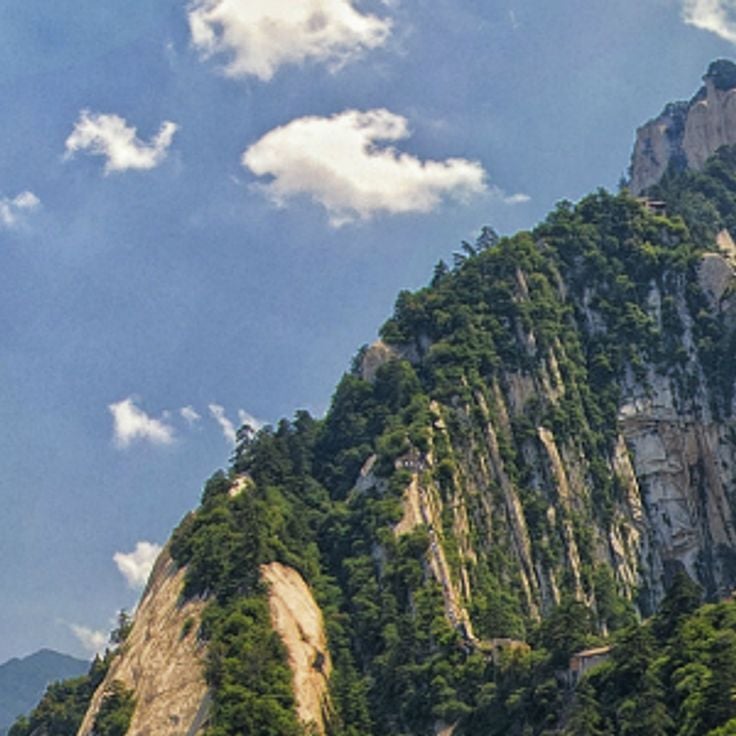
Mount Hua in China's Shaanxi province has five peaks, the highest of which reaches 7,067 feet (2,154 meters). Visitors climb stone steps carved directly into the rock and secure themselves with fixed metal chains along the steepest sections. The routes pass through narrow corridors and exposed passages that lead to Taoist temples and viewpoints along the ridges.
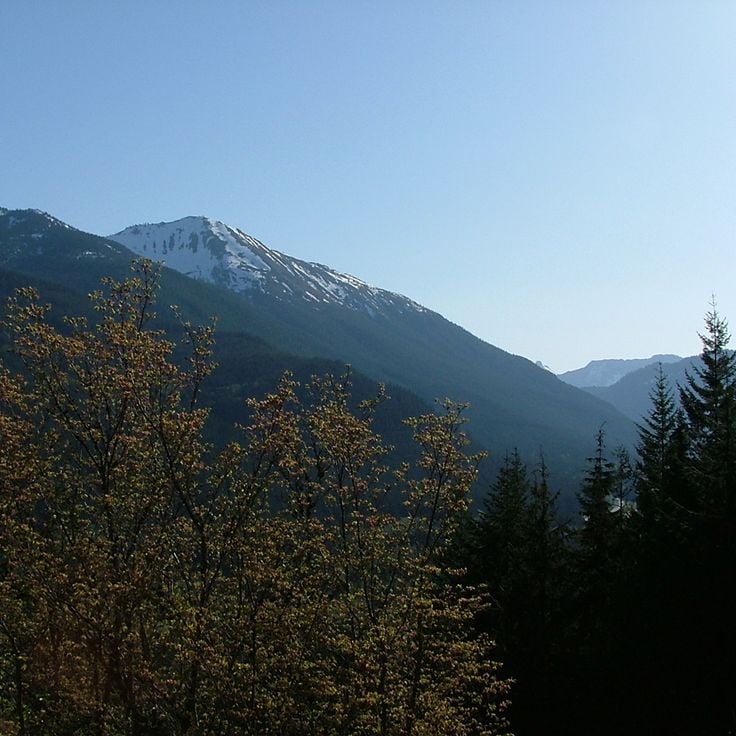
Mt. Bandera rises in the Cascade Range in Washington State. Its vertical rock faces are among the inland cliff formations featured in this collection of the world's great vertical landscapes. From its viewpoints, you can see Mt. Rainier and the surrounding peaks, giving a clear sense of just how high and open this mountain region feels.
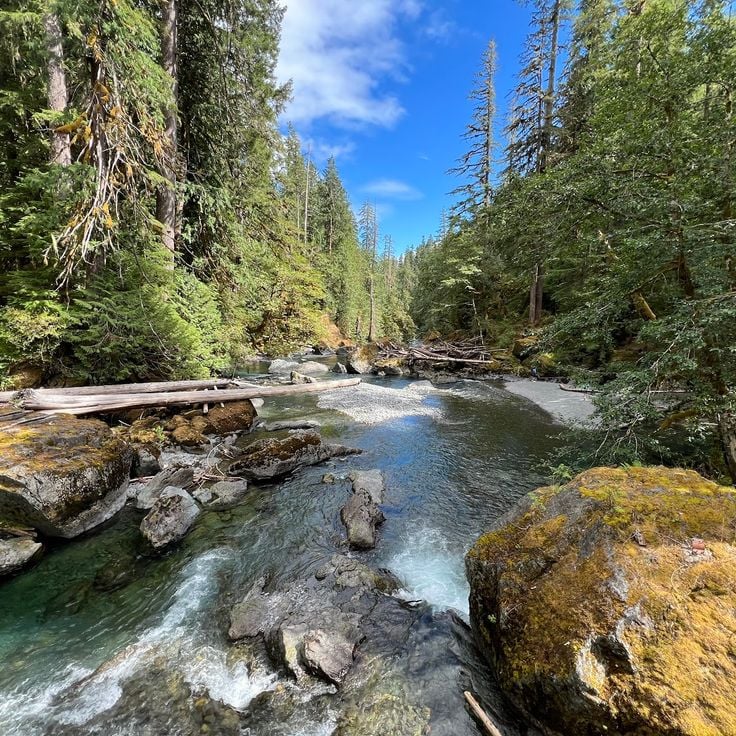
The Staircase Rapids Loop follows the North Fork Skokomish River through a dense Pacific Northwest forest. The trail crosses simple wooden bridges along the riverbank, passing rapids and rock formations shaped by water over a long time. This path offers a close look at the vertical rock faces documented in this collection of major cliffs and steep walls from around the world.
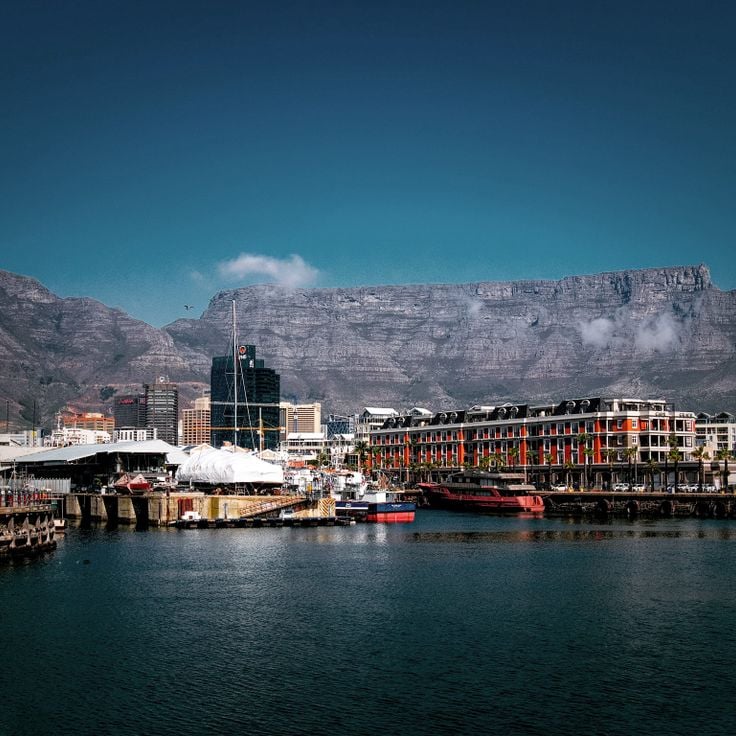
Table Mountain National Park rises directly above Cape Town, recognizable by its flat summit that looks like a natural platform cut into the sky. Its vertical sandstone walls, formed over 300 million years ago, climb from sea level to 1086 meters. On this plateau grow more than 2000 plant species, many found nowhere else on Earth. From the top, you can see the city on one side and the ocean on the other.
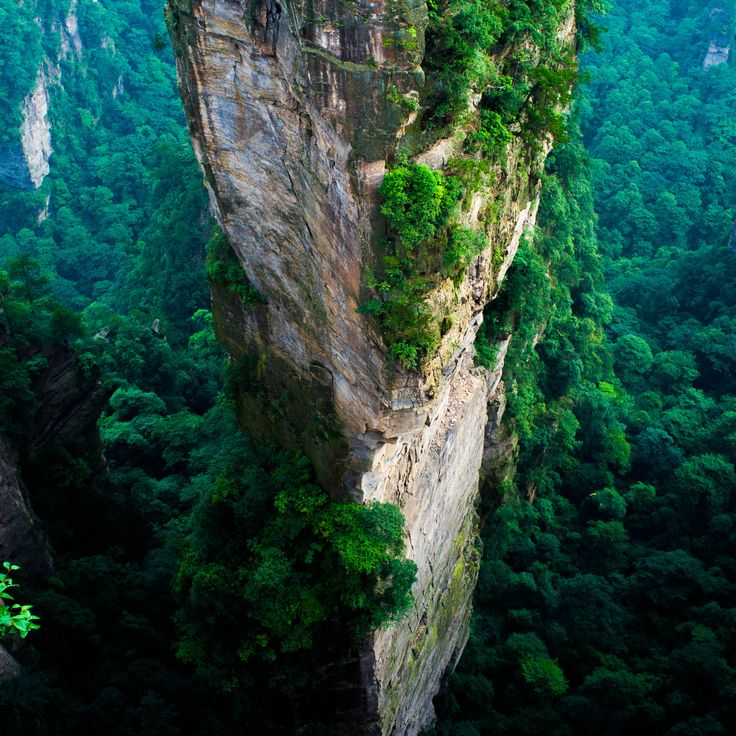
Zhangjiajie National Forest Park, in China's Hunan province, is home to sandstone columns that rise up to about 1,000 feet (300 m) into the air. These vertical rock formations took hundreds of millions of years to form through erosion and tectonic shifts. Walking through the park feels like moving between floating towers of stone.
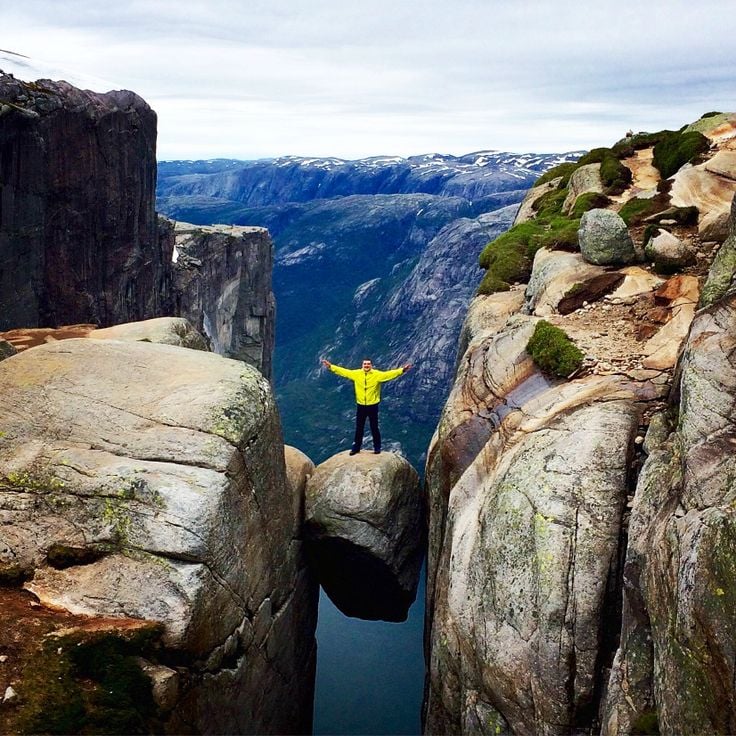
Kjeragbolten is a granite boulder wedged into a crack in the rock, about 3,280 feet (1,000 m) above the Lysefjord. It got stuck there when the glaciers retreated thousands of years ago. Hikers who reach the spot can stand on the boulder and look down over the fjord far below. That photo, standing on a rock suspended over nothing, is what draws people from all over the world to make the climb.
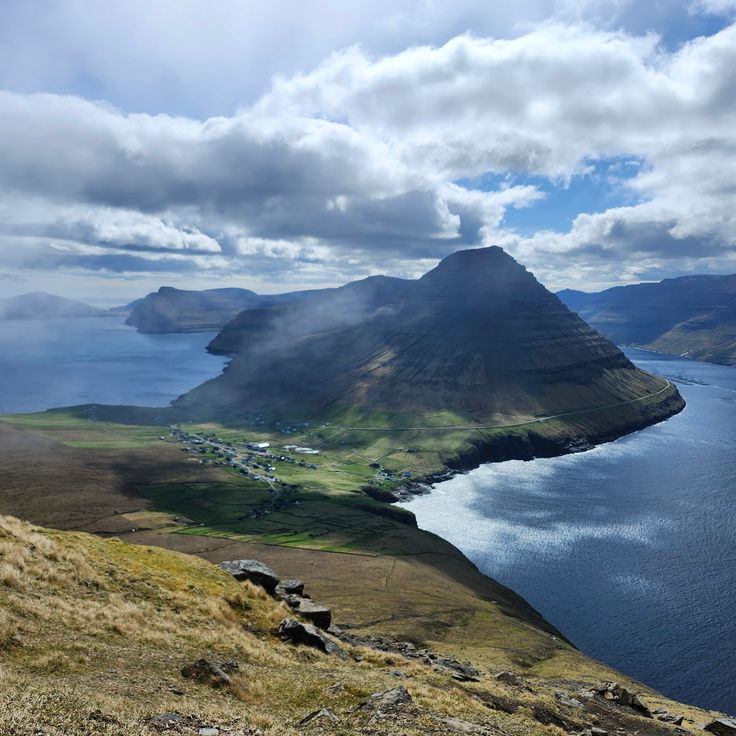
Cap Enniberg on the Faroe Islands rises 754 meters straight out of the Atlantic Ocean, making it one of the tallest coastal cliffs in Europe. The rock face is made of black basalt, layered in horizontal bands. Far below, cold North Atlantic waves break against the base of the cliff. Despite its scale, Cap Enniberg sees very few visitors.
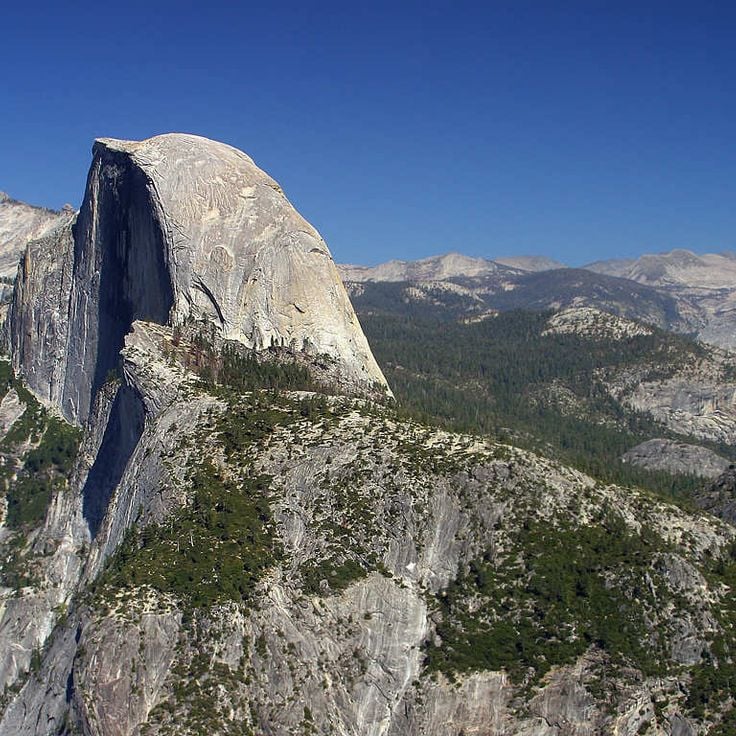
Half Dome is a granite rock face in Yosemite Valley that rises about 3,000 feet (900 meters) above the valley floor. Its shape is immediately recognizable: a rounded dome on one side and near-vertical walls on the other. Hikers can reach the flat summit using metal cables fixed into the rock, while climbers take on the north face along technically demanding routes.
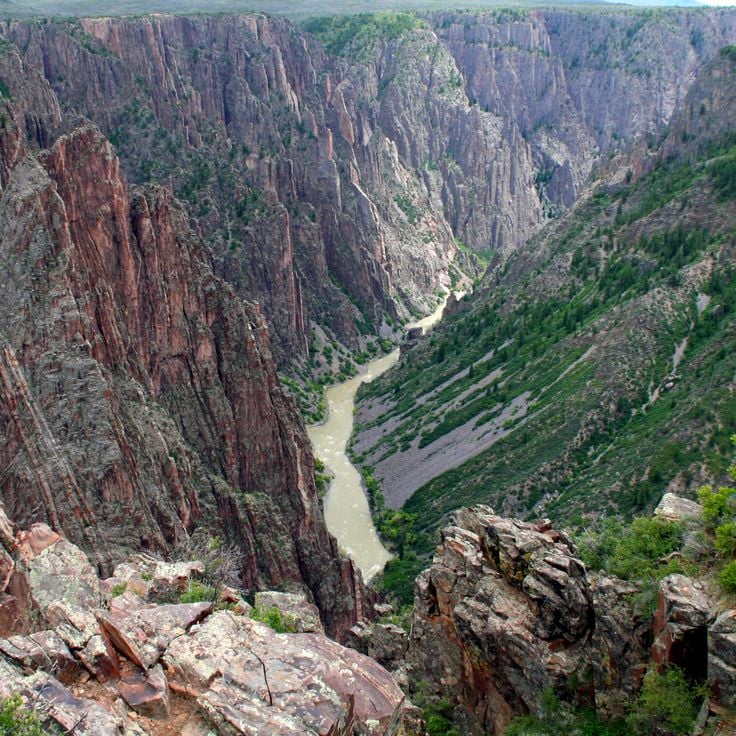
The Black Canyon of the Gunnison, in Colorado, has walls that rise almost straight up from the river below. The rock, a mix of schist and granite, is billions of years old, and the layers are clearly visible in the walls. The river runs at the very base of the canyon, with almost no space between the water and the rock. From the viewpoints along the rim, you look almost straight down, making this one of the steepest canyons in North America.
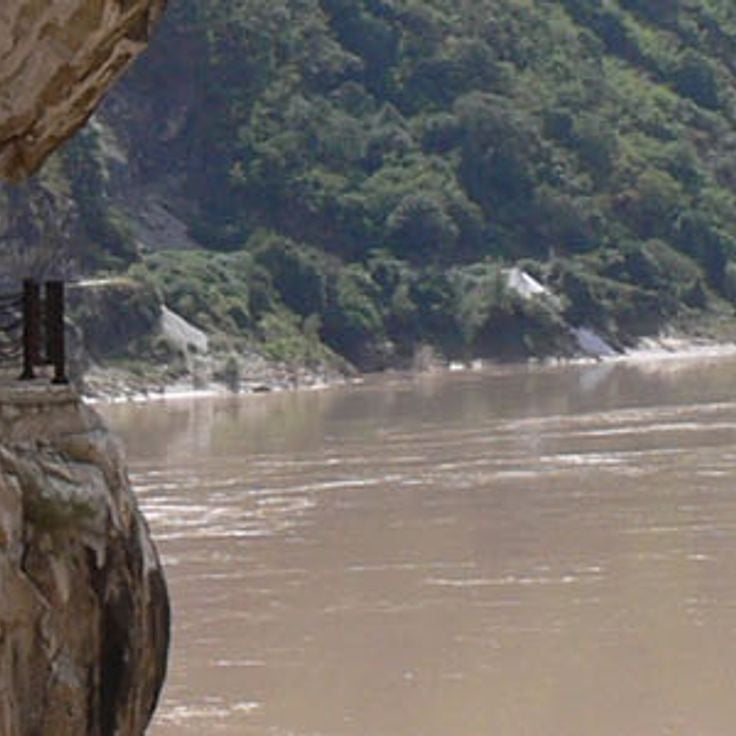
Tiger Leaping Gorge, in China's Yunnan province, is one of the deepest gorges in the world. Its walls drop almost straight down toward the Jinsha River running at the bottom, more than 9,800 feet (3,000 m) below the ridgeline. Hiking trails cross the sides of the gorge, giving walkers a close view of the sheer rock faces and a real sense of the depth below their feet.
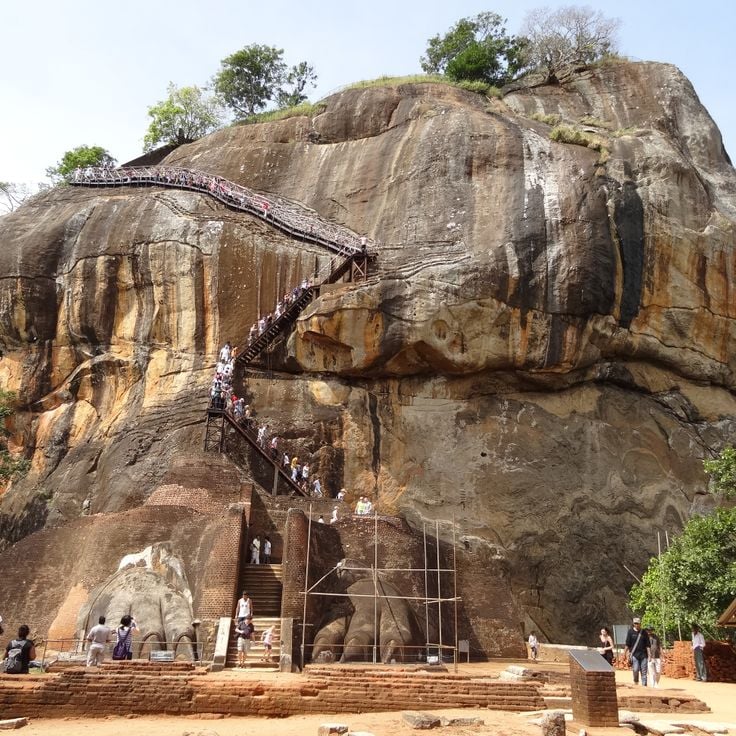
Sigiriya Rock is a single granite formation that rises about 1,200 feet (370 meters) above the surrounding plains in Sri Lanka. At its top sit the remains of an ancient palace, reached by paths carved into the rock and metal staircases. As part of this collection of the world's greatest cliffs, Sigiriya Rock stands out for its near-vertical walls and its solitary position above the forested landscape below.
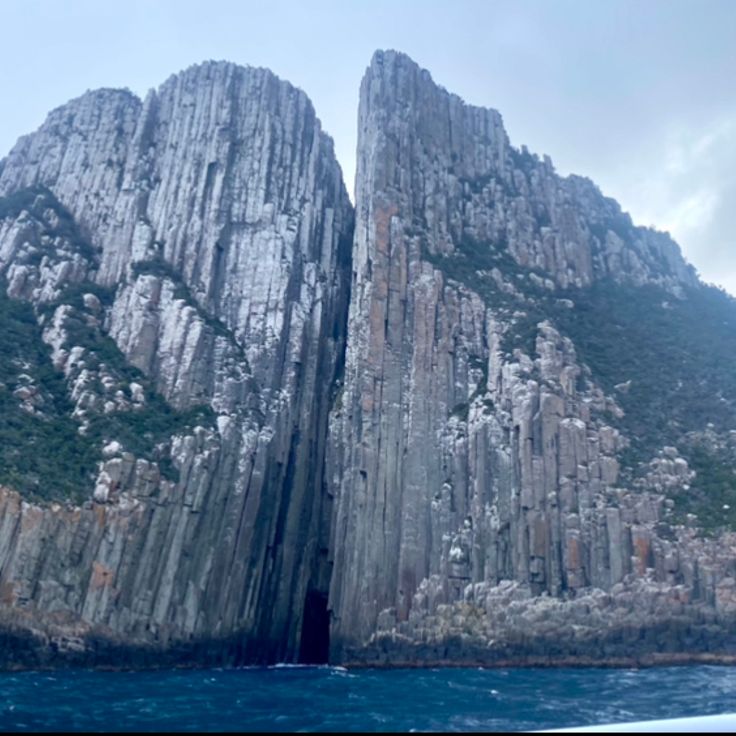
Cape Pillar is a sea cliff on the southeastern tip of Tasmania that drops more than 300 meters (about 1,000 feet) straight into the Tasman Sea, making it one of the tallest coastal cliffs in the Southern Hemisphere. The rock is white dolomite, shaped over millions of years by the sea. The contrast between the pale stone and the dark water below is striking to anyone who approaches by boat or walks the coastal trails to reach it.
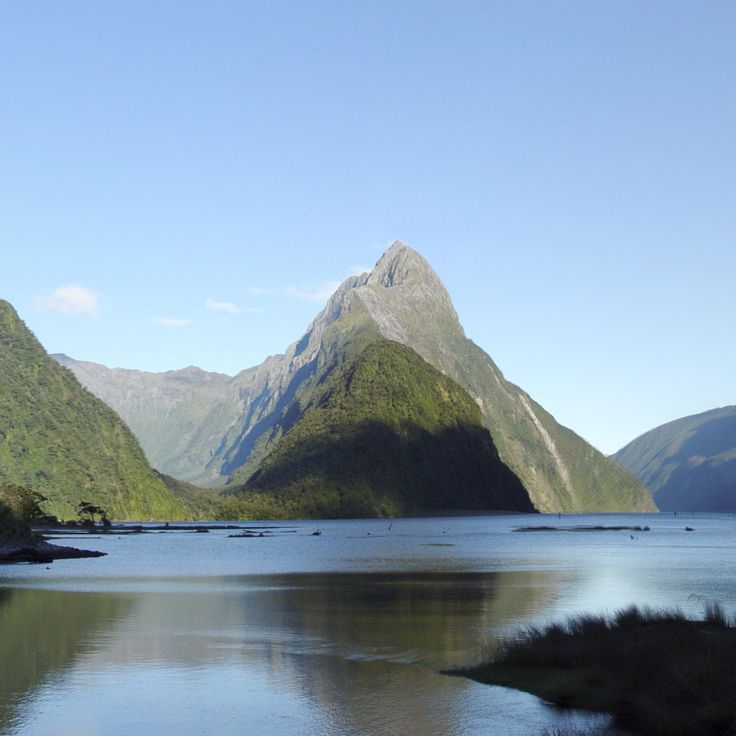
Mitre Peak rises straight out of the waters of Milford Sound in Fiordland, New Zealand. Its pointed shape is one of the most recognized sights in the region, easily seen from the boats that cross the fjord. The rock faces drop sharply into the water and reach about 1,694 feet (516 m) above the fjord surface. Hikers cannot reach the summit, but the full outline of the peak is visible from the Milford Road and from boat tours on the water.
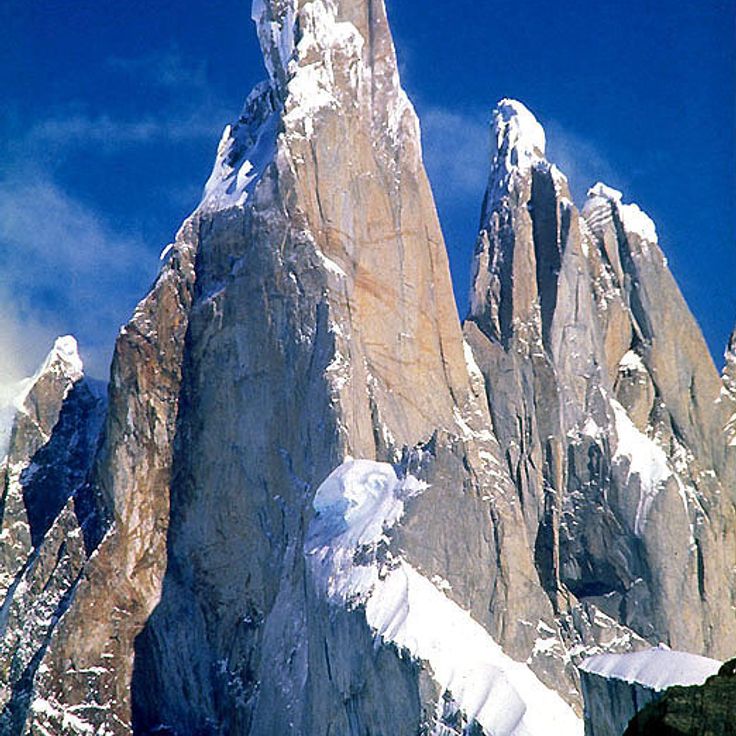
Cerro Torre rises in Patagonia, on the border between Argentina and Chile, as a narrow granite spire with nearly vertical walls. The mountain is considered one of the hardest climbing routes in the world. Climbers from around the world attempt the technically demanding ascents on exposed granite, while hikers reach nearby viewpoints to observe the formation from a safe distance.
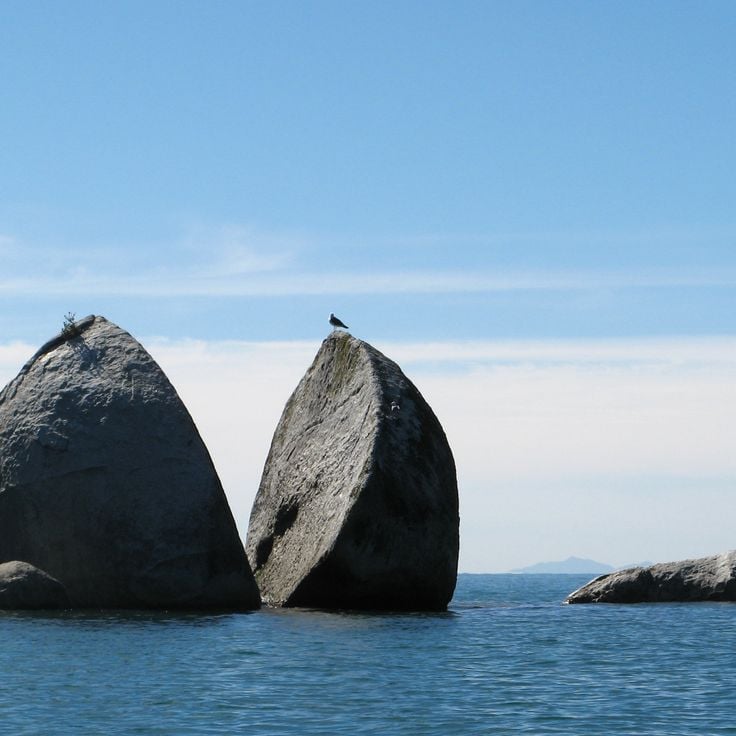
Split Apple Rock is a rounded granite boulder in Tasman Bay that was split into two nearly equal halves by geological forces millions of years ago. It sits just off the coast and is one of the most recognized natural formations in New Zealand. Visitors often reach it by kayak or boat.
The Cliffs of Moher rise about 214 meters (700 feet) above the Atlantic Ocean and run for roughly 14 kilometers (9 miles) along the west coast of Ireland. From the top, you can see the Aran Islands and Galway Bay. The visitor center is built underground, so it blends into the land around it. Marked paths follow the edge of the cliffs. The wind here can be very strong, especially near the barriers, so visitors are advised to take care.
The White Cliffs of Dover rise about 360 feet (110 m) above the English Channel and run along roughly 8 miles (13 km) of the Kent coastline. For centuries, they have been the first sight of England for travelers crossing from continental Europe. The chalk formed around 90 million years ago from the compressed shells of tiny marine organisms. The same geological layer continues across the Channel into Normandy and as far as the Danish island of Møn.
Preikestolen is a granite cliff in Rogaland that rises 604 meters (1,982 feet) straight above the Lysefjord. At the top, a flat rocky surface stretches about 25 meters (82 feet) wide, giving walkers an open view directly down to the water and across the surrounding mountains. Every year, thousands of people make the several-hour hike up to reach this exposed ledge. The trail asks for real effort, but standing at the edge above the deep fjord makes it easy to understand why so many people come.
The Kalaupapa Cliffs rise more than 900 meters straight out of the Pacific Ocean along the north shore of Molokai. These dark basalt walls are among the tallest sea cliffs on Earth and show the volcanic origins of the island through their layered rock. They once formed a natural barrier to the peninsula below, which served as a quarantine colony for leprosy patients in the 19th century. Most visitors see these walls from the air or from the water, as the cliffs are not accessible on foot.
The Falaises d'Étretat are white limestone cliffs on the Normandy coast, rising about 90 meters (295 feet) above the sea. Over thousands of years, the waves have carved natural arches and isolated rock pillars into the stone. These cliffs are among the most recognizable coastal formations in France and have long drawn painters and writers to their shores.
Slieve League drops almost vertically into the Atlantic Ocean for 601 meters (1,972 ft), making it one of the tallest sea cliffs in Europe. The rock here is Precambrian, shaped over millions of years by wind and waves along the west coast of Ireland. Walking trails lead to several viewpoints along the edge. Compared to other cliff sites in Ireland, Slieve League tends to attract fewer visitors, so it is easier to take in the view without crowds.
The Troll Wall is a vertical rock face in the Norwegian mountains near Rauma. It rises about 3,600 feet (1,100 meters) above the Romsdal valley floor, making it one of the tallest sheer rock walls in Europe. Part of the Romsdalshorn massif, it has drawn climbers since the 1960s, when the first ascents were made. The routes are long, technically demanding, and take climbers up granite faces that drop almost straight down to the valley below.
The Trango Towers are granite peaks in Pakistan's Karakoram range, rising above 6000 meters with vertical rock faces dropping more than 3300 feet (1000 meters). They rank among the tallest vertical rock formations on Earth. Climbers from around the world come here to attempt technically demanding routes through granite and ice.
The Bunda Cliffs run along the southern coast of Australia, where vertical limestone walls rise straight up from the Great Australian Bight. There is no beach below, just rock meeting water. These cliffs form the southern edge of the Nullarbor Plain, a flat and treeless landscape stretching far inland. The Eyre Highway between Ceduna and Norseman passes several viewpoints where you can stand at the edge and watch the waves breaking about 295 feet (90 meters) below.
Palisade Head is a red volcanic rock face that rises about 200 feet (60 m) straight up from the surface of Lake Superior. From the top, the view opens wide over the water in all directions. This cliff is part of a worldwide collection of vertical rock formations, from the Atlantic cliffs of Ireland to the rock towers of China. The stone was shaped by volcanic activity millions of years ago and has defined this stretch of North America's largest freshwater lake ever since.
Pico do Arieiro is the third highest peak on the island of Madeira, rising to 6,000 ft (1,818 m) in the heart of the central mountain range. From the summit, the view opens onto steep rock faces, deep ravines and sharp ridges shaped by volcanic forces over millions of years. This peak is part of a collection that brings together vertical rock formations from coastlines and mountain ranges across six continents.
El Capitan is a granite monolith in Yosemite Valley that rises nearly 3,000 feet (about 900 meters) straight up from the valley floor. It is one of the largest vertical rock faces in North America, shaped roughly 100 million years ago and later exposed by glacial erosion. Climbers from around the world come to take on its routes, including The Nose and Salathé Wall. From the valley floor, the full height of the wall is visible at a glance, and visitors gather daily to look up at it.
Angel's Landing is a red sandstone formation rising about 1,490 feet (450 m) above the floor of Zion National Park in Utah. The trail climbs through a series of tight switchbacks known as Walter's Wiggles before reaching a narrow ridge with steep drops on both sides. Chains bolted into the rock help hikers cross the most exposed sections. Far below, the Virgin River winds through the canyon.
The Benagil sea cave sits along the Algarve coast, carved into limestone cliffs by centuries of wave action. A round opening in the ceiling lets daylight pour down onto the sandy floor inside. The cave can only be reached from the water, by kayak, by swimming, or by boat, making it one of those places where the sea itself sets the rules. It shows how the ocean has slowly shaped the soft rock of this stretch of the Portuguese coast.
Big Sur runs along the California coast where the Santa Lucia Mountains drop straight into the Pacific. Over roughly 145 miles (230 km) between Monterey and San Luis Obispo, granite cliffs fall sharply to the ocean below. The Pacific Coast Highway winds through redwood forests and opens up to wide views of the shoreline. Big Sur is one of the places along the North American coast where the land meets the sea most abruptly.
The Chilojo Cliffs are made of red sandstone and rise about 590 feet (180 meters) above the Runde River valley in southern Zimbabwe. The rock has a deep red color that stands out sharply against the green bush of Gonarezhou National Park. Elephants and buffalo often move along the base of the cliffs, and at sunset the stone takes on an almost burning glow.
The Dingli Cliffs rise about 250 meters (820 feet) above the Mediterranean Sea and form the highest point on the island of Malta. Along the western coast, the limestone rock face shows clearly visible geological layers that formed millions of years ago. From the edge of the cliffs, the view opens out over the open sea toward the uninhabited island of Filfla, a few kilometers offshore. The path running along the top is a favorite spot for locals who come to walk and enjoy the open air.
The Fjällbacka Archipelago sits off the west coast of Sweden and is made up of more than a thousand granite islands. The cliffs drop straight into the water and form sheltered coves between the rocks. Some sections rise over 70 meters (230 feet) and have long served sailors as landmarks. Fishing villages have dotted this coast for generations, tucked in among the rocks.
Logan Rock is a massive granite boulder sitting on a coastal cliff in Cornwall. Despite its weight of around 80 tons (roughly 72 metric tons), it can be rocked with a push. Centuries of erosion shaped it so precisely that it balances on its base and moves when pressure is applied. This rock shows how natural forces can work on stone over long periods and produce something that surprises anyone who sees it.
Mount Hua in China's Shaanxi province has five peaks, the highest of which reaches 7,067 feet (2,154 meters). Visitors climb stone steps carved directly into the rock and secure themselves with fixed metal chains along the steepest sections. The routes pass through narrow corridors and exposed passages that lead to Taoist temples and viewpoints along the ridges.
Mt. Bandera rises in the Cascade Range in Washington State. Its vertical rock faces are among the inland cliff formations featured in this collection of the world's great vertical landscapes. From its viewpoints, you can see Mt. Rainier and the surrounding peaks, giving a clear sense of just how high and open this mountain region feels.
The Staircase Rapids Loop follows the North Fork Skokomish River through a dense Pacific Northwest forest. The trail crosses simple wooden bridges along the riverbank, passing rapids and rock formations shaped by water over a long time. This path offers a close look at the vertical rock faces documented in this collection of major cliffs and steep walls from around the world.
Table Mountain National Park rises directly above Cape Town, recognizable by its flat summit that looks like a natural platform cut into the sky. Its vertical sandstone walls, formed over 300 million years ago, climb from sea level to 1086 meters. On this plateau grow more than 2000 plant species, many found nowhere else on Earth. From the top, you can see the city on one side and the ocean on the other.
Zhangjiajie National Forest Park, in China's Hunan province, is home to sandstone columns that rise up to about 1,000 feet (300 m) into the air. These vertical rock formations took hundreds of millions of years to form through erosion and tectonic shifts. Walking through the park feels like moving between floating towers of stone.
Kjeragbolten is a granite boulder wedged into a crack in the rock, about 3,280 feet (1,000 m) above the Lysefjord. It got stuck there when the glaciers retreated thousands of years ago. Hikers who reach the spot can stand on the boulder and look down over the fjord far below. That photo, standing on a rock suspended over nothing, is what draws people from all over the world to make the climb.
Cap Enniberg on the Faroe Islands rises 754 meters straight out of the Atlantic Ocean, making it one of the tallest coastal cliffs in Europe. The rock face is made of black basalt, layered in horizontal bands. Far below, cold North Atlantic waves break against the base of the cliff. Despite its scale, Cap Enniberg sees very few visitors.
Half Dome is a granite rock face in Yosemite Valley that rises about 3,000 feet (900 meters) above the valley floor. Its shape is immediately recognizable: a rounded dome on one side and near-vertical walls on the other. Hikers can reach the flat summit using metal cables fixed into the rock, while climbers take on the north face along technically demanding routes.
The Black Canyon of the Gunnison, in Colorado, has walls that rise almost straight up from the river below. The rock, a mix of schist and granite, is billions of years old, and the layers are clearly visible in the walls. The river runs at the very base of the canyon, with almost no space between the water and the rock. From the viewpoints along the rim, you look almost straight down, making this one of the steepest canyons in North America.
Tiger Leaping Gorge, in China's Yunnan province, is one of the deepest gorges in the world. Its walls drop almost straight down toward the Jinsha River running at the bottom, more than 9,800 feet (3,000 m) below the ridgeline. Hiking trails cross the sides of the gorge, giving walkers a close view of the sheer rock faces and a real sense of the depth below their feet.
Sigiriya Rock is a single granite formation that rises about 1,200 feet (370 meters) above the surrounding plains in Sri Lanka. At its top sit the remains of an ancient palace, reached by paths carved into the rock and metal staircases. As part of this collection of the world's greatest cliffs, Sigiriya Rock stands out for its near-vertical walls and its solitary position above the forested landscape below.
Cape Pillar is a sea cliff on the southeastern tip of Tasmania that drops more than 300 meters (about 1,000 feet) straight into the Tasman Sea, making it one of the tallest coastal cliffs in the Southern Hemisphere. The rock is white dolomite, shaped over millions of years by the sea. The contrast between the pale stone and the dark water below is striking to anyone who approaches by boat or walks the coastal trails to reach it.
Mitre Peak rises straight out of the waters of Milford Sound in Fiordland, New Zealand. Its pointed shape is one of the most recognized sights in the region, easily seen from the boats that cross the fjord. The rock faces drop sharply into the water and reach about 1,694 feet (516 m) above the fjord surface. Hikers cannot reach the summit, but the full outline of the peak is visible from the Milford Road and from boat tours on the water.
Cerro Torre rises in Patagonia, on the border between Argentina and Chile, as a narrow granite spire with nearly vertical walls. The mountain is considered one of the hardest climbing routes in the world. Climbers from around the world attempt the technically demanding ascents on exposed granite, while hikers reach nearby viewpoints to observe the formation from a safe distance.
Split Apple Rock is a rounded granite boulder in Tasman Bay that was split into two nearly equal halves by geological forces millions of years ago. It sits just off the coast and is one of the most recognized natural formations in New Zealand. Visitors often reach it by kayak or boat.
The Cliffs of Moher rise about 214 meters (700 feet) above the Atlantic Ocean and run for roughly 14 kilometers (9 miles) along the west coast of Ireland. From the top, you can see the Aran Islands and Galway Bay. The visitor center is built underground, so it blends into the land around it. Marked paths follow the edge of the cliffs. The wind here can be very strong, especially near the barriers, so visitors are advised to take care.
The White Cliffs of Dover rise about 360 feet (110 m) above the English Channel and run along roughly 8 miles (13 km) of the Kent coastline. For centuries, they have been the first sight of England for travelers crossing from continental Europe. The chalk formed around 90 million years ago from the compressed shells of tiny marine organisms. The same geological layer continues across the Channel into Normandy and as far as the Danish island of Møn.
Preikestolen is a granite cliff in Rogaland that rises 604 meters (1,982 feet) straight above the Lysefjord. At the top, a flat rocky surface stretches about 25 meters (82 feet) wide, giving walkers an open view directly down to the water and across the surrounding mountains. Every year, thousands of people make the several-hour hike up to reach this exposed ledge. The trail asks for real effort, but standing at the edge above the deep fjord makes it easy to understand why so many people come.
The Kalaupapa Cliffs rise more than 900 meters straight out of the Pacific Ocean along the north shore of Molokai. These dark basalt walls are among the tallest sea cliffs on Earth and show the volcanic origins of the island through their layered rock. They once formed a natural barrier to the peninsula below, which served as a quarantine colony for leprosy patients in the 19th century. Most visitors see these walls from the air or from the water, as the cliffs are not accessible on foot.
The Falaises d'Étretat are white limestone cliffs on the Normandy coast, rising about 90 meters (295 feet) above the sea. Over thousands of years, the waves have carved natural arches and isolated rock pillars into the stone. These cliffs are among the most recognizable coastal formations in France and have long drawn painters and writers to their shores.
Slieve League drops almost vertically into the Atlantic Ocean for 601 meters (1,972 ft), making it one of the tallest sea cliffs in Europe. The rock here is Precambrian, shaped over millions of years by wind and waves along the west coast of Ireland. Walking trails lead to several viewpoints along the edge. Compared to other cliff sites in Ireland, Slieve League tends to attract fewer visitors, so it is easier to take in the view without crowds.
The Troll Wall is a vertical rock face in the Norwegian mountains near Rauma. It rises about 3,600 feet (1,100 meters) above the Romsdal valley floor, making it one of the tallest sheer rock walls in Europe. Part of the Romsdalshorn massif, it has drawn climbers since the 1960s, when the first ascents were made. The routes are long, technically demanding, and take climbers up granite faces that drop almost straight down to the valley below.
The Trango Towers are granite peaks in Pakistan's Karakoram range, rising above 6000 meters with vertical rock faces dropping more than 3300 feet (1000 meters). They rank among the tallest vertical rock formations on Earth. Climbers from around the world come here to attempt technically demanding routes through granite and ice.
The Bunda Cliffs run along the southern coast of Australia, where vertical limestone walls rise straight up from the Great Australian Bight. There is no beach below, just rock meeting water. These cliffs form the southern edge of the Nullarbor Plain, a flat and treeless landscape stretching far inland. The Eyre Highway between Ceduna and Norseman passes several viewpoints where you can stand at the edge and watch the waves breaking about 295 feet (90 meters) below.
Palisade Head is a red volcanic rock face that rises about 200 feet (60 m) straight up from the surface of Lake Superior. From the top, the view opens wide over the water in all directions. This cliff is part of a worldwide collection of vertical rock formations, from the Atlantic cliffs of Ireland to the rock towers of China. The stone was shaped by volcanic activity millions of years ago and has defined this stretch of North America's largest freshwater lake ever since.
Pico do Arieiro is the third highest peak on the island of Madeira, rising to 6,000 ft (1,818 m) in the heart of the central mountain range. From the summit, the view opens onto steep rock faces, deep ravines and sharp ridges shaped by volcanic forces over millions of years. This peak is part of a collection that brings together vertical rock formations from coastlines and mountain ranges across six continents.
El Capitan is a granite monolith in Yosemite Valley that rises nearly 3,000 feet (about 900 meters) straight up from the valley floor. It is one of the largest vertical rock faces in North America, shaped roughly 100 million years ago and later exposed by glacial erosion. Climbers from around the world come to take on its routes, including The Nose and Salathé Wall. From the valley floor, the full height of the wall is visible at a glance, and visitors gather daily to look up at it.
Angel's Landing is a red sandstone formation rising about 1,490 feet (450 m) above the floor of Zion National Park in Utah. The trail climbs through a series of tight switchbacks known as Walter's Wiggles before reaching a narrow ridge with steep drops on both sides. Chains bolted into the rock help hikers cross the most exposed sections. Far below, the Virgin River winds through the canyon.
The Benagil sea cave sits along the Algarve coast, carved into limestone cliffs by centuries of wave action. A round opening in the ceiling lets daylight pour down onto the sandy floor inside. The cave can only be reached from the water, by kayak, by swimming, or by boat, making it one of those places where the sea itself sets the rules. It shows how the ocean has slowly shaped the soft rock of this stretch of the Portuguese coast.
Big Sur runs along the California coast where the Santa Lucia Mountains drop straight into the Pacific. Over roughly 145 miles (230 km) between Monterey and San Luis Obispo, granite cliffs fall sharply to the ocean below. The Pacific Coast Highway winds through redwood forests and opens up to wide views of the shoreline. Big Sur is one of the places along the North American coast where the land meets the sea most abruptly.
The Chilojo Cliffs are made of red sandstone and rise about 590 feet (180 meters) above the Runde River valley in southern Zimbabwe. The rock has a deep red color that stands out sharply against the green bush of Gonarezhou National Park. Elephants and buffalo often move along the base of the cliffs, and at sunset the stone takes on an almost burning glow.
The Dingli Cliffs rise about 250 meters (820 feet) above the Mediterranean Sea and form the highest point on the island of Malta. Along the western coast, the limestone rock face shows clearly visible geological layers that formed millions of years ago. From the edge of the cliffs, the view opens out over the open sea toward the uninhabited island of Filfla, a few kilometers offshore. The path running along the top is a favorite spot for locals who come to walk and enjoy the open air.
The Fjällbacka Archipelago sits off the west coast of Sweden and is made up of more than a thousand granite islands. The cliffs drop straight into the water and form sheltered coves between the rocks. Some sections rise over 70 meters (230 feet) and have long served sailors as landmarks. Fishing villages have dotted this coast for generations, tucked in among the rocks.
Logan Rock is a massive granite boulder sitting on a coastal cliff in Cornwall. Despite its weight of around 80 tons (roughly 72 metric tons), it can be rocked with a push. Centuries of erosion shaped it so precisely that it balances on its base and moves when pressure is applied. This rock shows how natural forces can work on stone over long periods and produce something that surprises anyone who sees it.
Mount Hua in China's Shaanxi province has five peaks, the highest of which reaches 7,067 feet (2,154 meters). Visitors climb stone steps carved directly into the rock and secure themselves with fixed metal chains along the steepest sections. The routes pass through narrow corridors and exposed passages that lead to Taoist temples and viewpoints along the ridges.
Mt. Bandera rises in the Cascade Range in Washington State. Its vertical rock faces are among the inland cliff formations featured in this collection of the world's great vertical landscapes. From its viewpoints, you can see Mt. Rainier and the surrounding peaks, giving a clear sense of just how high and open this mountain region feels.
The Staircase Rapids Loop follows the North Fork Skokomish River through a dense Pacific Northwest forest. The trail crosses simple wooden bridges along the riverbank, passing rapids and rock formations shaped by water over a long time. This path offers a close look at the vertical rock faces documented in this collection of major cliffs and steep walls from around the world.
Table Mountain National Park rises directly above Cape Town, recognizable by its flat summit that looks like a natural platform cut into the sky. Its vertical sandstone walls, formed over 300 million years ago, climb from sea level to 1086 meters. On this plateau grow more than 2000 plant species, many found nowhere else on Earth. From the top, you can see the city on one side and the ocean on the other.
Zhangjiajie National Forest Park, in China's Hunan province, is home to sandstone columns that rise up to about 1,000 feet (300 m) into the air. These vertical rock formations took hundreds of millions of years to form through erosion and tectonic shifts. Walking through the park feels like moving between floating towers of stone.
Kjeragbolten is a granite boulder wedged into a crack in the rock, about 3,280 feet (1,000 m) above the Lysefjord. It got stuck there when the glaciers retreated thousands of years ago. Hikers who reach the spot can stand on the boulder and look down over the fjord far below. That photo, standing on a rock suspended over nothing, is what draws people from all over the world to make the climb.
Cap Enniberg on the Faroe Islands rises 754 meters straight out of the Atlantic Ocean, making it one of the tallest coastal cliffs in Europe. The rock face is made of black basalt, layered in horizontal bands. Far below, cold North Atlantic waves break against the base of the cliff. Despite its scale, Cap Enniberg sees very few visitors.
Half Dome is a granite rock face in Yosemite Valley that rises about 3,000 feet (900 meters) above the valley floor. Its shape is immediately recognizable: a rounded dome on one side and near-vertical walls on the other. Hikers can reach the flat summit using metal cables fixed into the rock, while climbers take on the north face along technically demanding routes.
The Black Canyon of the Gunnison, in Colorado, has walls that rise almost straight up from the river below. The rock, a mix of schist and granite, is billions of years old, and the layers are clearly visible in the walls. The river runs at the very base of the canyon, with almost no space between the water and the rock. From the viewpoints along the rim, you look almost straight down, making this one of the steepest canyons in North America.
Tiger Leaping Gorge, in China's Yunnan province, is one of the deepest gorges in the world. Its walls drop almost straight down toward the Jinsha River running at the bottom, more than 9,800 feet (3,000 m) below the ridgeline. Hiking trails cross the sides of the gorge, giving walkers a close view of the sheer rock faces and a real sense of the depth below their feet.
Sigiriya Rock is a single granite formation that rises about 1,200 feet (370 meters) above the surrounding plains in Sri Lanka. At its top sit the remains of an ancient palace, reached by paths carved into the rock and metal staircases. As part of this collection of the world's greatest cliffs, Sigiriya Rock stands out for its near-vertical walls and its solitary position above the forested landscape below.
Cape Pillar is a sea cliff on the southeastern tip of Tasmania that drops more than 300 meters (about 1,000 feet) straight into the Tasman Sea, making it one of the tallest coastal cliffs in the Southern Hemisphere. The rock is white dolomite, shaped over millions of years by the sea. The contrast between the pale stone and the dark water below is striking to anyone who approaches by boat or walks the coastal trails to reach it.
Mitre Peak rises straight out of the waters of Milford Sound in Fiordland, New Zealand. Its pointed shape is one of the most recognized sights in the region, easily seen from the boats that cross the fjord. The rock faces drop sharply into the water and reach about 1,694 feet (516 m) above the fjord surface. Hikers cannot reach the summit, but the full outline of the peak is visible from the Milford Road and from boat tours on the water.
Cerro Torre rises in Patagonia, on the border between Argentina and Chile, as a narrow granite spire with nearly vertical walls. The mountain is considered one of the hardest climbing routes in the world. Climbers from around the world attempt the technically demanding ascents on exposed granite, while hikers reach nearby viewpoints to observe the formation from a safe distance.
Split Apple Rock is a rounded granite boulder in Tasman Bay that was split into two nearly equal halves by geological forces millions of years ago. It sits just off the coast and is one of the most recognized natural formations in New Zealand. Visitors often reach it by kayak or boat.
These cliffs remind us that the Earth is always changing. Each one tells a story of movements inside the planet, rain, wind, and water working over millions of years. By looking at them, we learn more about how our planet works and why saving these formations matters for future generations.