See the monuments around you in AROpen chests in the app
Around Us is built for your phone — point your camera at the streets and discover the monuments and places around you in augmented reality.Around Us is built for your phone — chests unlock when you walk, explore and capture nearby places.
Hidalgo state sits northeast of Mexico City, connecting volcanic landscapes with more than two thousand years of human settlement. The region extends from high-altitude pine forests to semi-arid canyons, with geological processes having created basalt columns, cave systems with thermal springs, and marble formations. Colonial monasteries from the 16th century stand alongside mining towns that emerged during the Spanish era, while the archaeological site of Tula served as the capital of the Toltec civilization that preceded the Aztec empire.
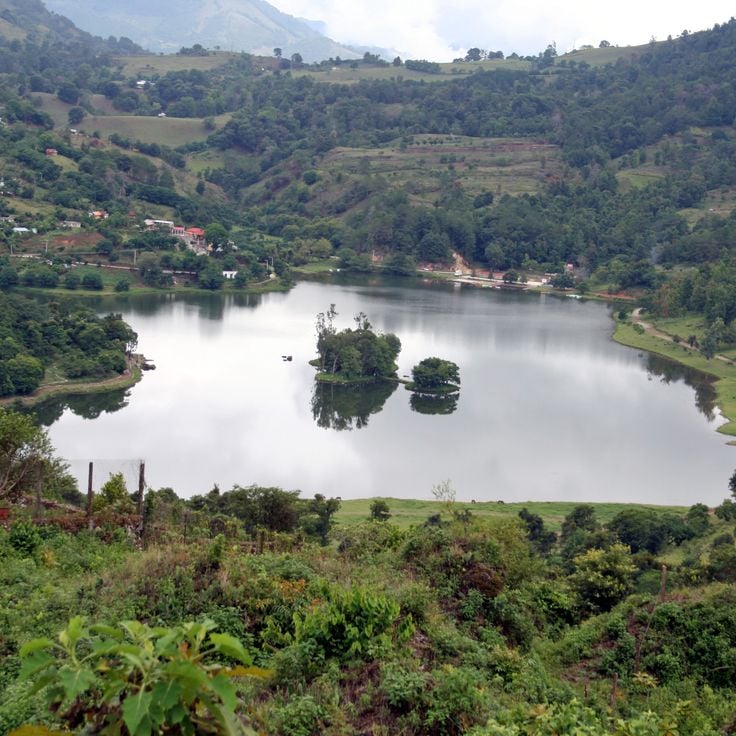
Visitors can walk among the hexagonal basalt columns at Prismas Basálticos, bathe in the warm pools of Grutas de Tolantongo, or view the stone warrior statues at Atlantes de Tula. Mining towns such as Real del Monte preserve their narrow streets and historic mines, while the Aqueduct of Padre Tembleque, a 16th-century UNESCO World Heritage structure, carried water across distances through a series of tall arches. National parks like El Chico protect mountain forests, the Metztitlán Canyon Reserve hosts desert ecosystems, and Atezca Lake offers views of calm water surrounded by forested hills. The combination of natural variety and centuries of history makes Hidalgo a place where each visit reveals both geology and human adaptation to this demanding environment.
Hidalgo state sits northeast of Mexico City, connecting volcanic landscapes with more than two thousand years of human settlement. The region extends from high-altitude pine forests to semi-arid canyons, with geological processes having created basalt columns, cave systems with thermal springs, and marble formations. Colonial monasteries from the 16th century stand alongside mining towns that emerged during the Spanish era, while the archaeological site of Tula served as the capital of the Toltec civilization that preceded the Aztec empire.
Visitors can walk among the hexagonal basalt columns at Prismas Basálticos, bathe in the warm pools of Grutas de Tolantongo, or view the stone warrior statues at Atlantes de Tula. Mining towns such as Real del Monte preserve their narrow streets and historic mines, while the Aqueduct of Padre Tembleque, a 16th-century UNESCO World Heritage structure, carried water across distances through a series of tall arches. National parks like El Chico protect mountain forests, the Metztitlán Canyon Reserve hosts desert ecosystems, and Atezca Lake offers views of calm water surrounded by forested hills. The combination of natural variety and centuries of history makes Hidalgo a place where each visit reveals both geology and human adaptation to this demanding environment.
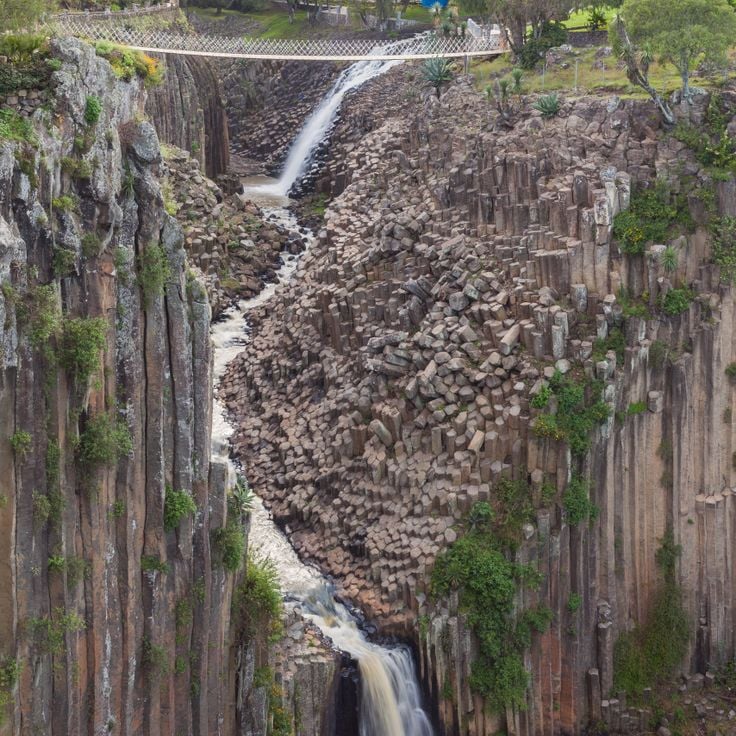
These basalt columns formed when molten rock cooled and split into hexagonal shapes. The formations reach about 40 meters tall (130 feet). Water flows down their dark, straight edges, creating small falls between the stones. The site sits in a forested valley where visitors walk along paths and view the geometric structures up close. The columns look like natural pillars standing close together, creating an unusual backdrop.
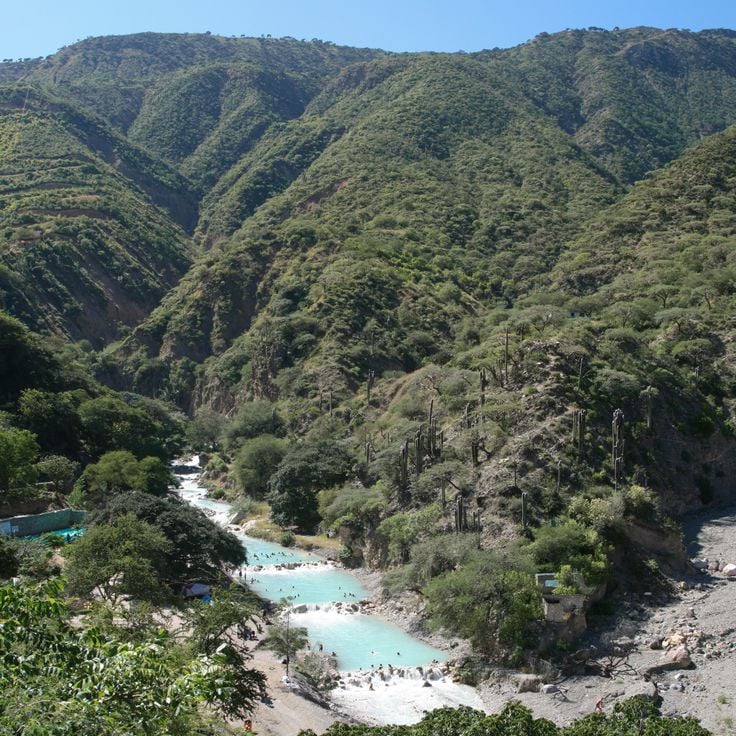
These thermal springs at Grutas de Tolantongo flow from rock walls inside caves within a mountain canyon, emerging at 38 degrees Celsius. The mineral-rich water forms natural pools for bathing, distributed among the rock formations. Visitors find a series of pools created by the geological activity of this region, characterized by their warm temperature. The canyon provides a setting of steep walls and vegetation, while the water flows continuously from the mountain, feeding the bathing areas.
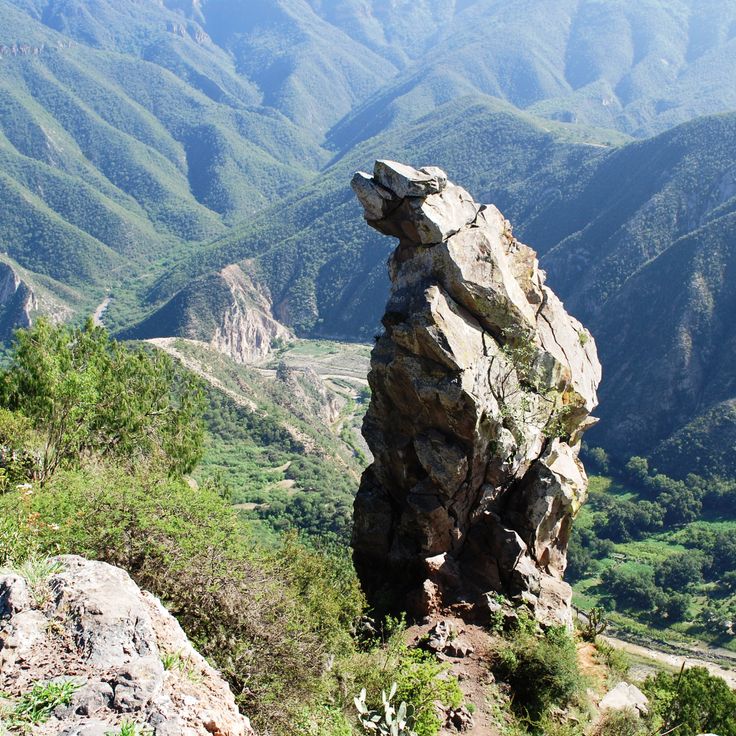
This rock formation rises above the mountain landscape of Huasca de Ocampo and offers observation points from its summit over the surrounding valleys. The climb passes through vegetation clinging to steep slopes, while the rock itself consists of weathered stone that takes on different tones in the light. Hikers use the trails leading to the highest point, from where forested hills and the rugged topography of the region can be seen.
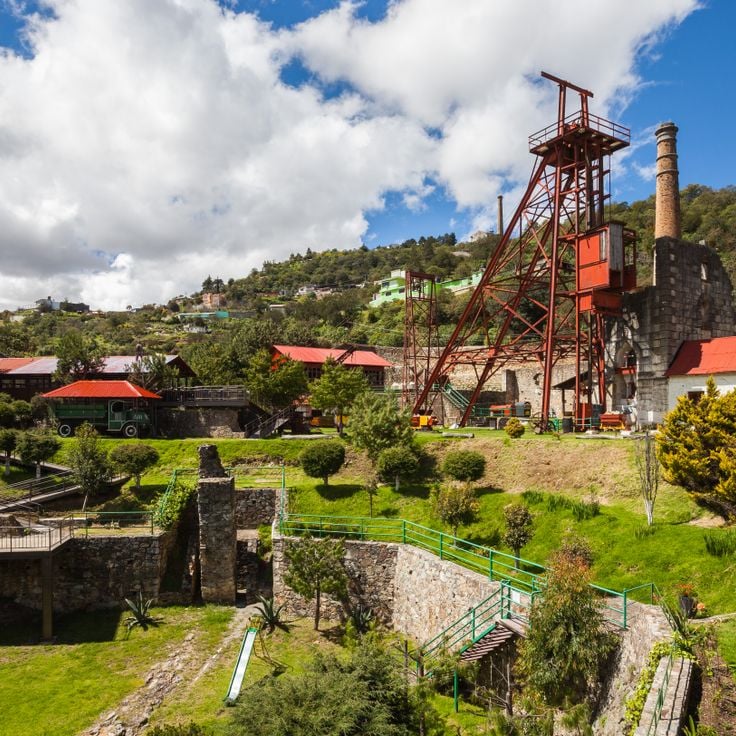
Real del Monte is an old silver mining town with buildings that show the influence of Cornish miners who came here in the 1800s. Narrow streets pass stone houses scattered across hillsides. Old mine structures remind visitors of the time when silver shaped the economy. This town sits in the mountains, where mist moves between the roofs and the air stays cool.
These natural springs and the wetland zone supply the local farms with water all year and provide habitat for many species of migratory birds. Los Manantiales sits in a rural area where clear water bubbles up from the ground and forms small channels and shallow pools. The surrounding fields benefit from the constant flow, while birds from different regions stop here to rest or spend the winter. You often see farmers working nearby and hear the sound of water trickling through the plants.
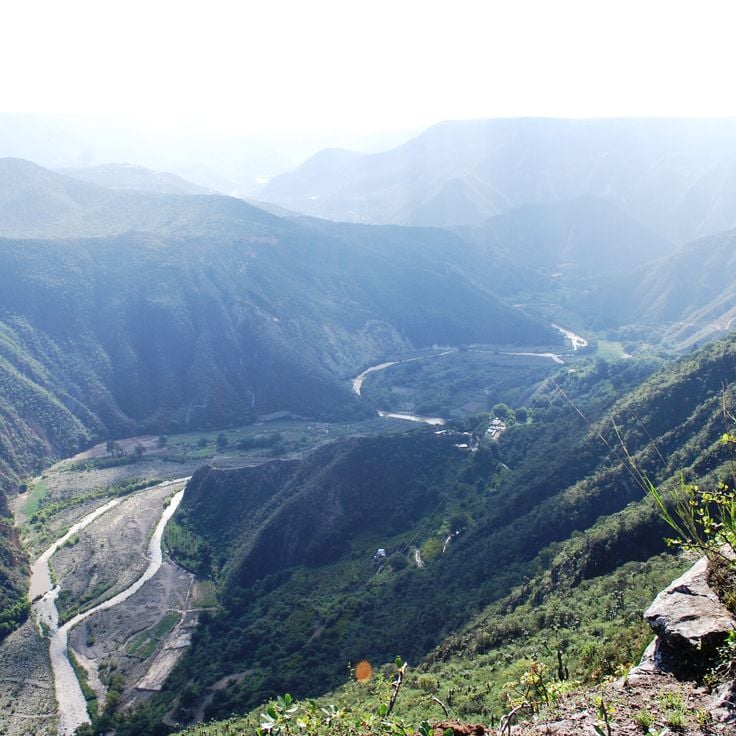
This canyon in the biosphere reserve protects more than 200 species of cacti and desert plants adapted to the dry climate. The area preserves diverse ecosystems, including arid valleys, rock formations, and vegetation zones adjusted to extreme conditions. Hikers and nature watchers find a landscape with geological features and adapted plants thriving in this ecological protection zone of Hidalgo state.
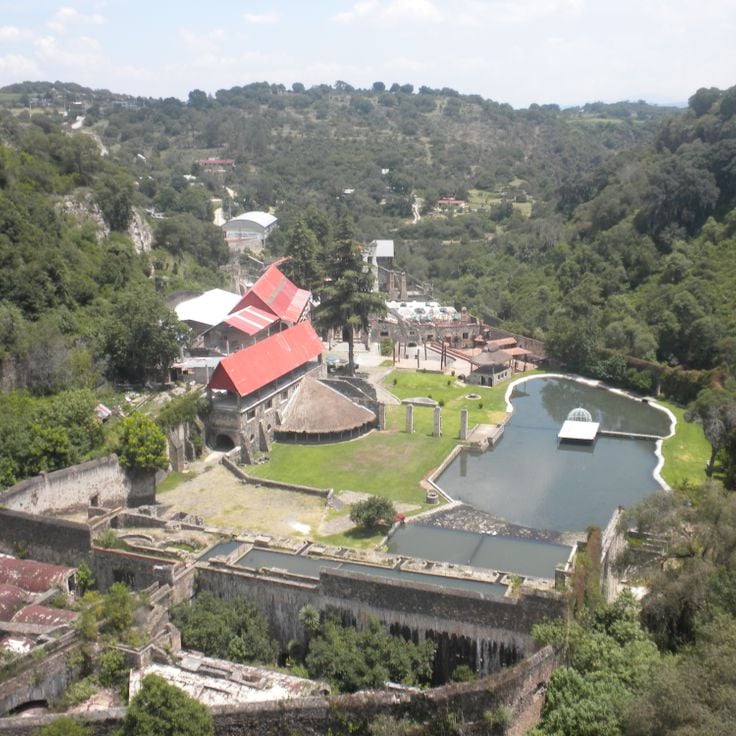
This colonial estate dates from 1760, built when silver mining shaped the region of Hidalgo. Stone walls surround the courtyards, where gardens grow around old fountains. The chapel inside holds religious paintings and wooden furniture from the original years. Walking through the rooms, visitors find traces of the families who managed the mines and lived on the property. Santa Maria Regla connects the history of mining with the architecture of the 18th century in the mountains of Huasca de Ocampo.
The Xoxafi Cave System lies within the limestone beneath Santiago de Anaya, part of the geological formations that define Hidalgo. The underground passages reach about 500 meters into the earth, revealing mineral deposits, stalactites, and stalagmites shaped by water over millions of years. Walking through this cave, visitors see the slow work of erosion and mineral accumulation that continues to alter the rock. The site offers a glimpse into the region's deep geological history and the forces that shape the land below the surface.
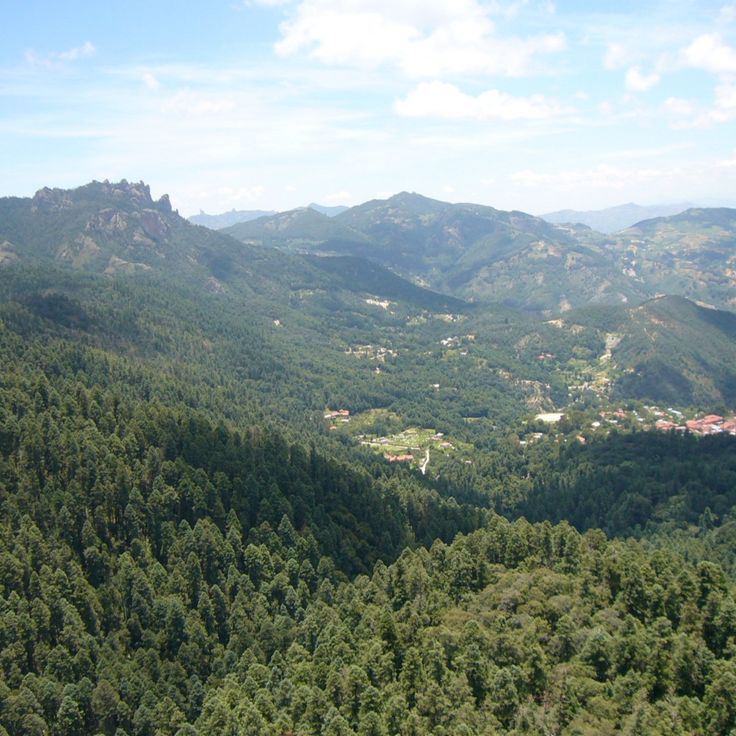
This national park protects mountain pine forests that have grown here for centuries. The terrain shows many rock formations shaped by volcanic activity, and climbers come to practice on different routes. Trails wind through dense forest and across open slopes where views stretch over wooded valleys. On clear days you can see distant peaks. The climate is cool and damp, and mist often hangs between the trees. Locals come to hike and picnic, and the main paths fill up on weekends. Birds call from the canopy, and the air smells of pine resin and earth.
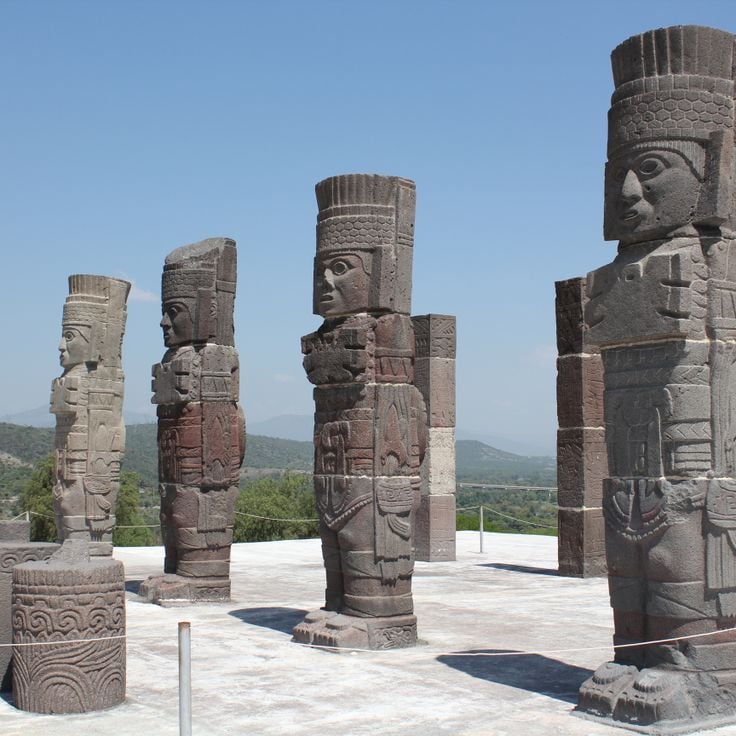
These four stone warriors from the tenth century rise from the Toltec ruins. Each figure stands around eighteen feet tall (5.5 meters) and shows a warrior holding feathered headdress, breastplate, and weapons. The statues once served as columns supporting a temple on top of the main pyramid. Their design follows strict symmetry, with rectangular shapes and stylized facial features. The site sits on a plateau where grasses grow between stone blocks and wind moves through the open courtyards.
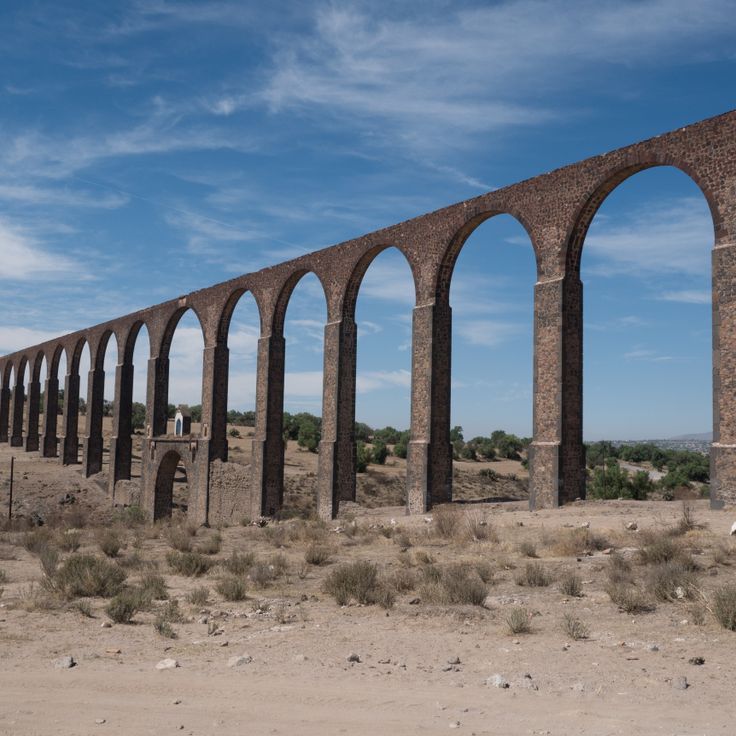
The Aqueduct of Padre Tembleque runs for 48 kilometers across the landscape, connecting Zempoala with surrounding communities. This sixteenth-century water channel combines Roman arches with construction methods from Mesoamerican indigenous peoples. The structure rests on multiple levels of stone arches, rising over 100 feet (30 meters) in some sections. Monks and local workers built this system to bring water from the mountains into dry valleys. UNESCO recognized it in 2015 as a significant example of early engineering.
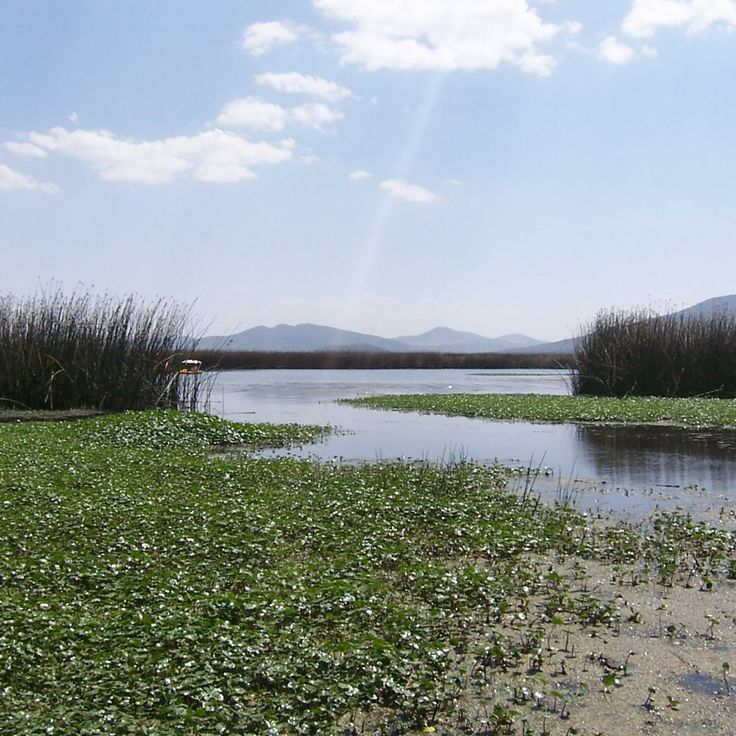
This lake forms a wetland where migrant birds come to rest and feed. Marked paths run through the area and let visitors watch the birds and other animals that live here. The shallow edges attract many species that stop during their long journeys or stay for the winter. People walk along the trails to explore the different habitats around the water and in the nearby zones. The paths help visitors get close to nature without disturbing the fragile areas where the wildlife gathers and nests.
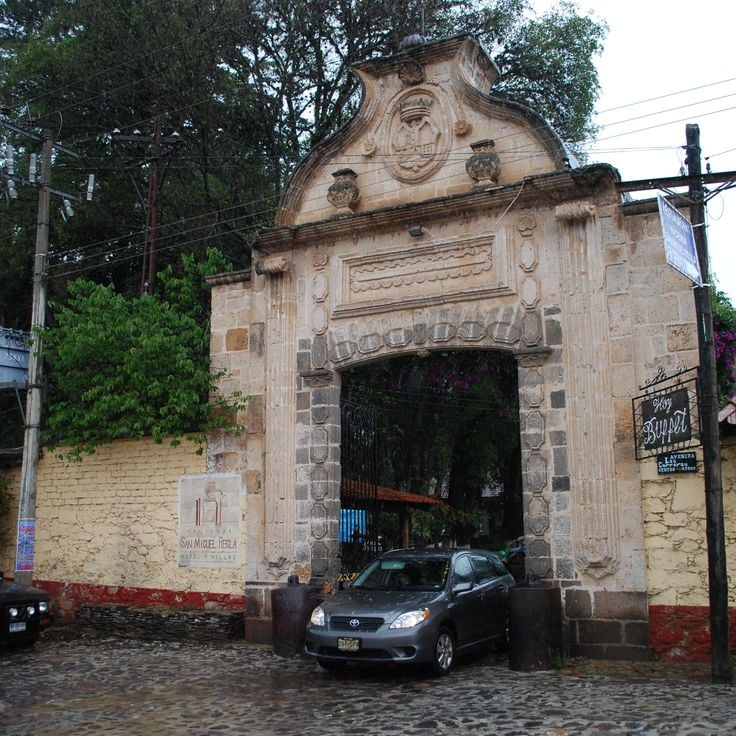
This hacienda dates back to the colonial period, when silver was extracted from nearby mines. The stone buildings stand among well-kept gardens, surrounded by wooded hills. Tall basalt cliffs rise close by. Today San Miguel Regla serves as a hotel, preserving the architecture and feel of the old mining estate. Paths wind through courtyards with fountains and arcades. Guests can enjoy the calm of the grounds and explore the history of mining in the region.
This mountain town sits at 7900 feet (2400 meters) in the Sierra de Pachuca and is surrounded by forest trails and natural water springs. Omitlán de Juárez serves as a starting point for hikes through the surrounding hills, where pine and oak trees grow. The cool climate and quiet streets draw visitors looking for fresh mountain air. Local families use the springs, and small markets sell handmade wool goods and regional foods.
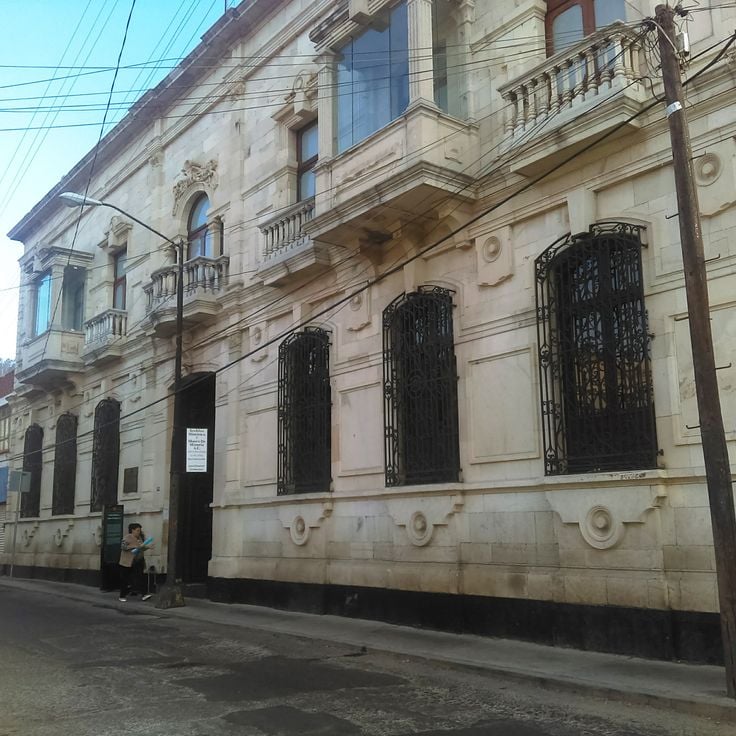
This museum occupies a restored 19th century building and displays mining equipment, mineral specimens, and historical documents from the silver-rich region. The collection explains the extraction methods that made Pachuca an important mining center, connecting technical details with the stories of workers and the economic development of the city.
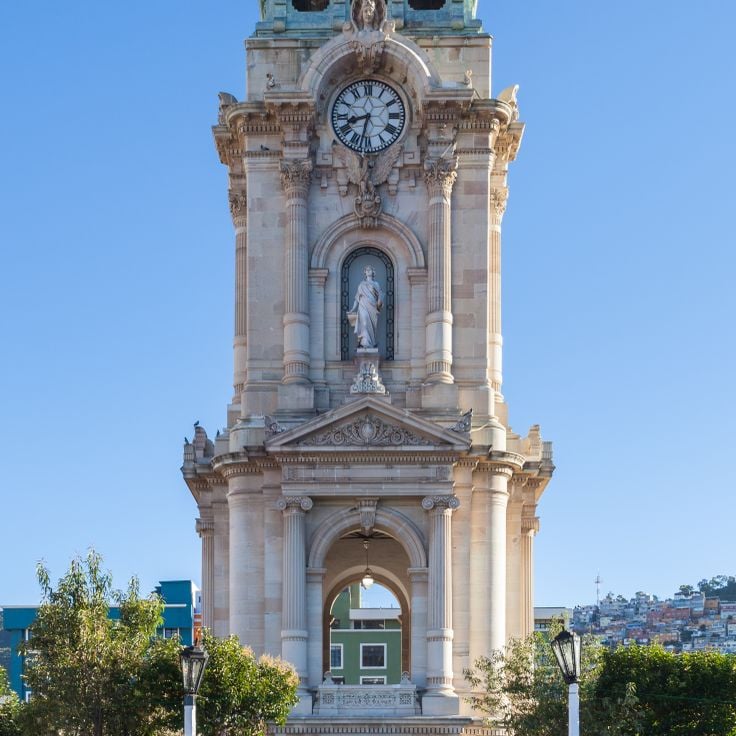
This clock tower from 1904 stands in the central plaza of Pachuca with mechanical parts brought from Europe. The structure rises 40 meters high and shapes the city center. The architecture combines Mexican and European influences from the turn of the century. The tower marks an important point in the historic district and shows the development of the city during the Porfirio Díaz era.
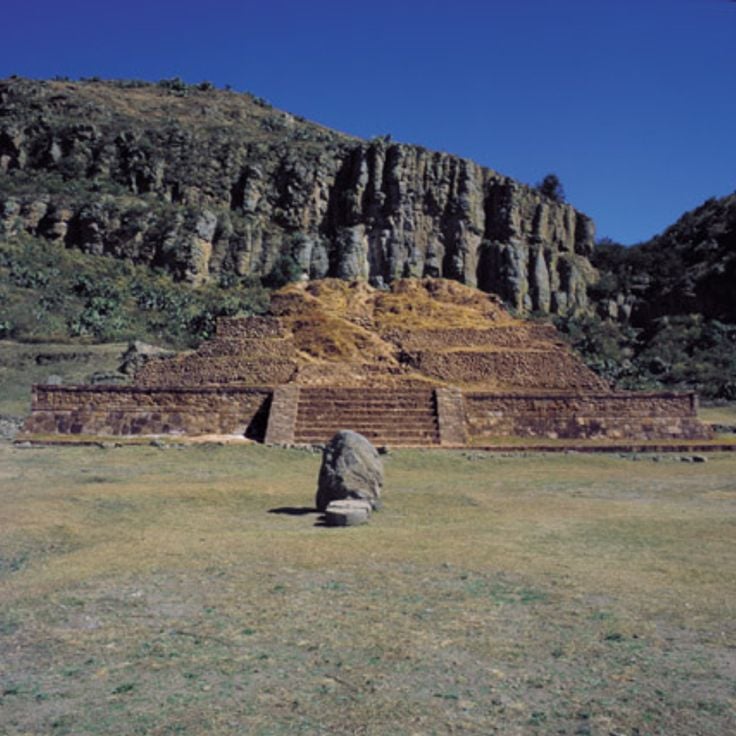
This archaeological site preserves the remains of Toltec civilization from the 7th to 9th century. The Toltec Ruins consist of stone buildings, ceremonial platforms, and residential areas that show how people lived and conducted rituals in this pre-Columbian culture. The structures sit in a landscape that once served as an important center for trade and religious practices. Visitors can walk among the foundations and surviving walls, imagining daily life here over a thousand years ago. The site displays typical Toltec architectural features, including rectangular platforms and remnants of stonework that reflect the building techniques of the time.
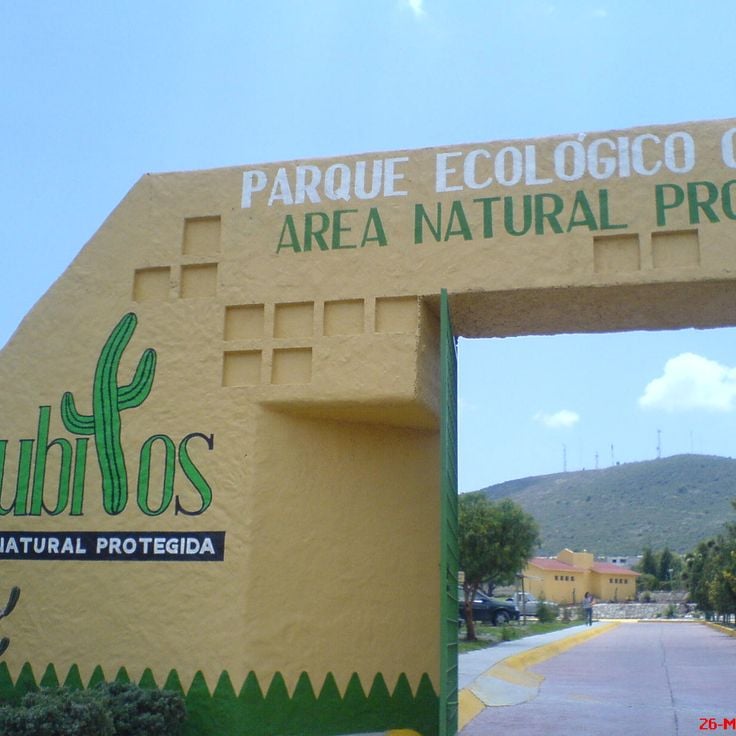
This park in Pachuca offers grass areas and paths for walking. The space includes playground equipment for children and facilities for different sports. The place stays open throughout the year and serves residents who want to spend time outdoors.
This national park in the northern part of the state is a protected area that spreads across pine forests and rocky hills. Marble formations appear throughout the landscape, giving the terrain its particular character. The forests provide habitat for eagles that circle above the canopy and deer that move through the woodlands. Trails wind through different zones, from dense tree cover to more open ground where the geological features become visible. The park represents the natural diversity found in this part of Hidalgo, where forest and stone meet.
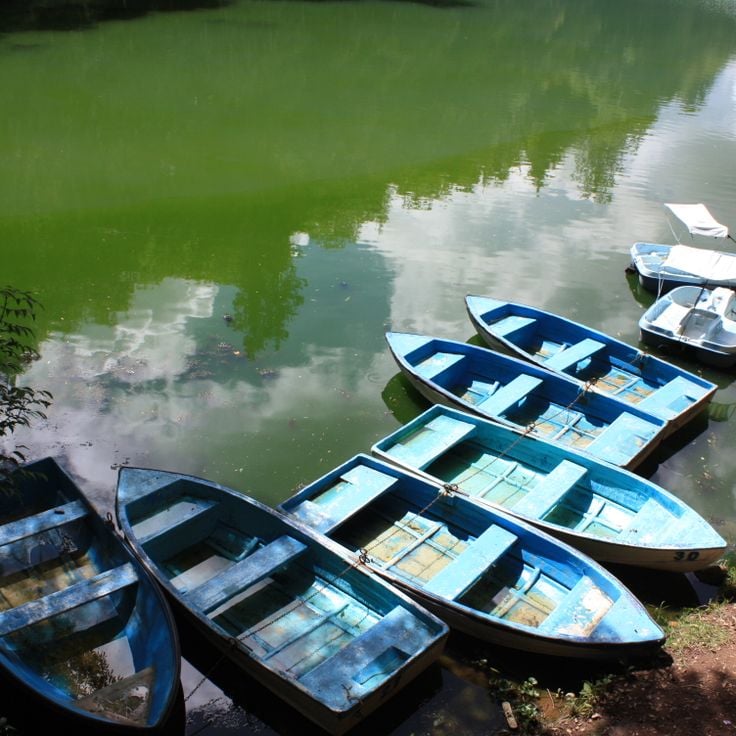
This lake sits at 4,300 feet (1,300 meters) above sea level, with pine trees growing along the water. Anglers come here to fish from the shore, casting lines into the calm surface. Small boats move across the water, and visitors walk the trails that follow the edge. The air feels cooler than in the valleys below, and the conifers provide shade over the paths. Families visit on weekends, setting up near the water for picnics and short hikes. The surrounding forest keeps the area quiet, and the slopes rise gently into the hills.
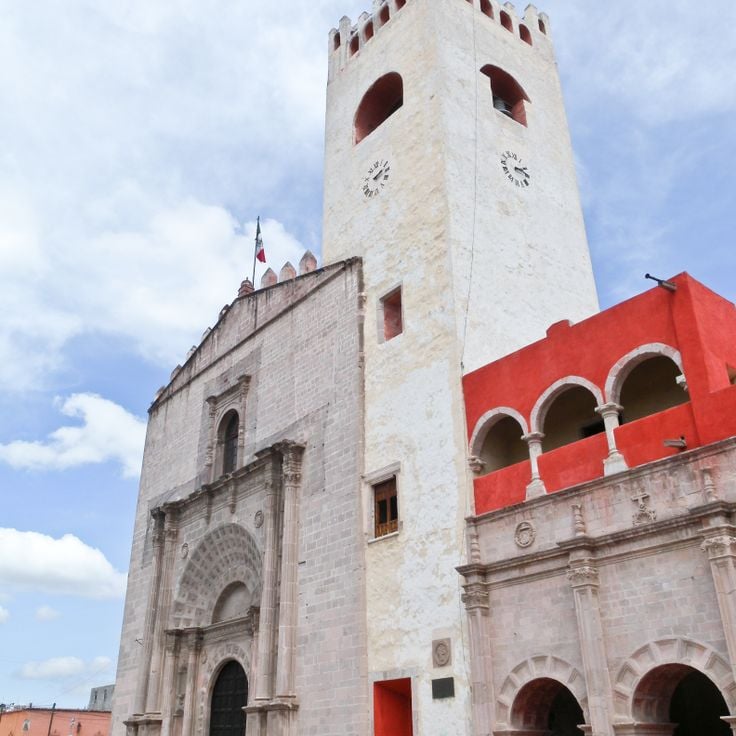
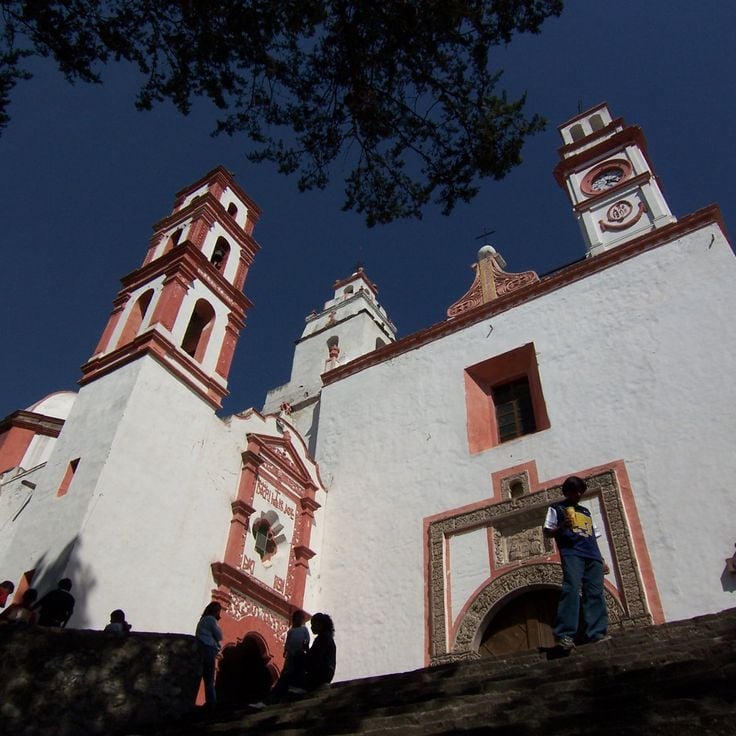
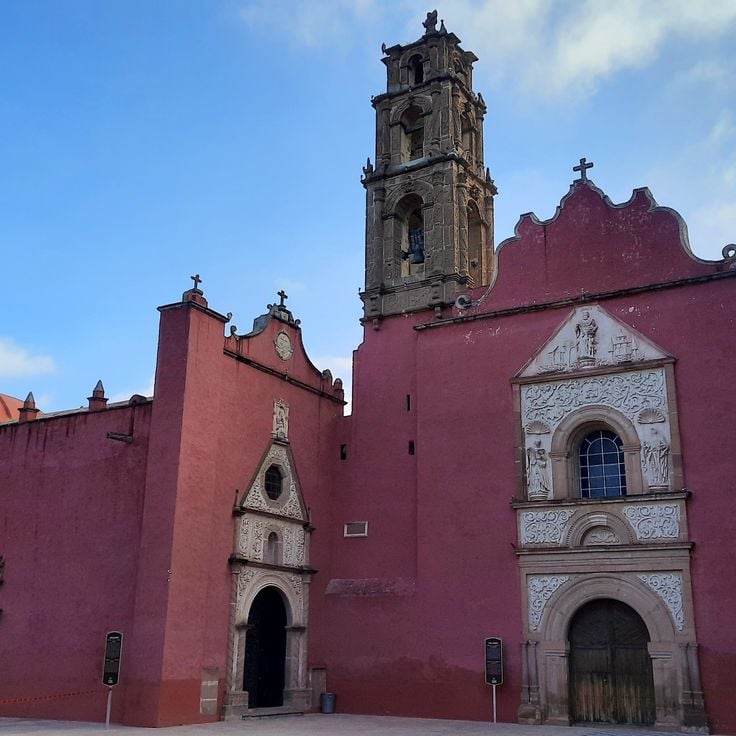
This 16th-century religious complex shows wall paintings with biblical scenes and a large stone cross in the central courtyard. The convent belongs to the colonial buildings in Hidalgo that appeared after the Spanish conquest. Augustinian monks built this place for worship and conversion of the local population. The walls are thick and solid, the rooms cool and shaded. You can walk through the corridors and look at the old frescoes that still show color today. The cloister opens to the sky, and the cross stands freely in the middle.
This pine forest in the Sierra de Hidalgo offers cool streams where visitors can fish for rainbow trout. The grounds include several watercourses that flow through thick conifer woods, as well as outdoor areas for eating and resting. The air is fresh and the ground is covered with pine needles. Families come here to spend the day by the water, cook their catch on site, and enjoy the quiet of the mountain landscape.
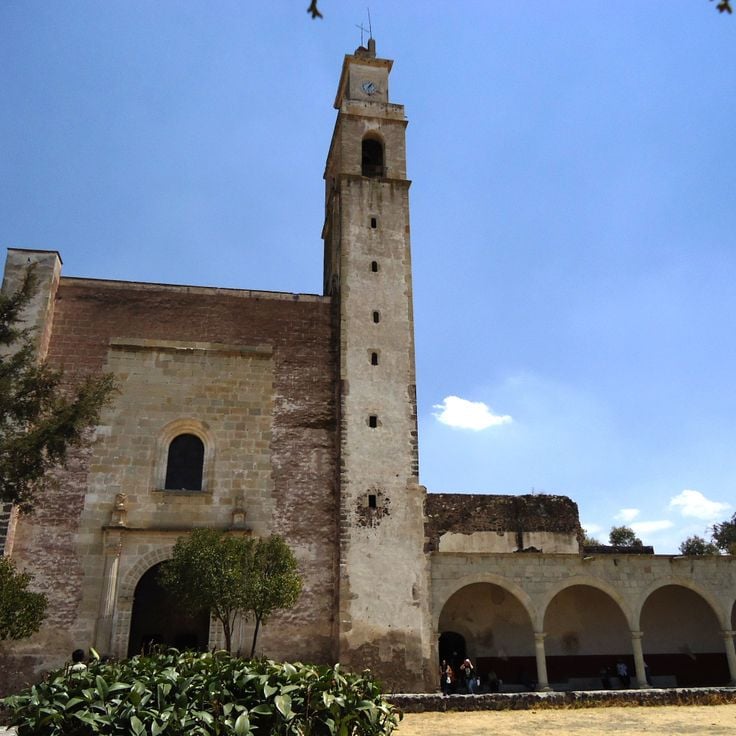
This convent from the 1500s stands in one of the region's earliest missions. The stone walls still carry traces of Franciscan craftsmanship, while the arched corridors frame a central courtyard. The garden holds old trees and fountains between paved paths. Chapels inside show frescoes in muted tones, and thick walls keep the rooms cool. Monks once walked these halls, taught local people, and built communities. Today, visitors step through quiet spaces and feel the calm of the colonial era.
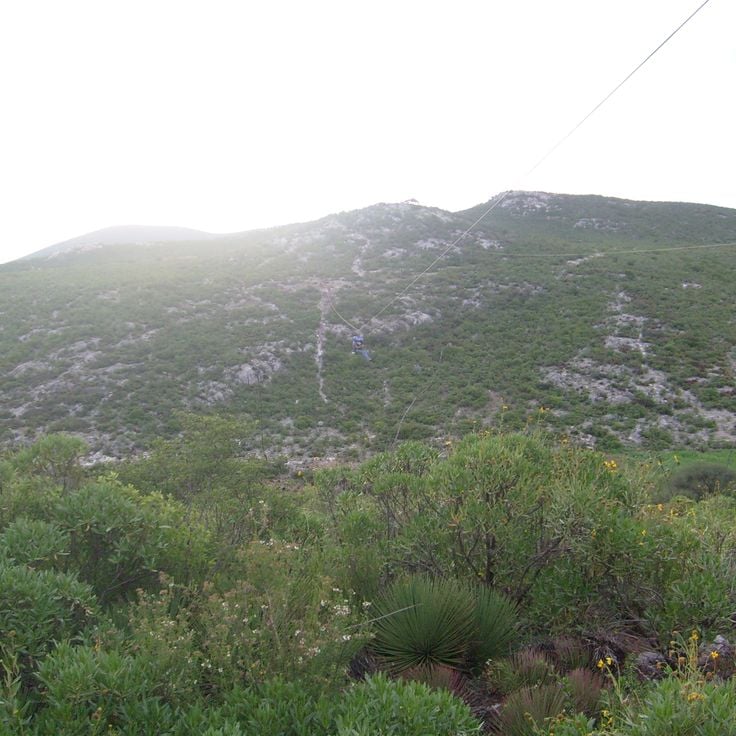
This public park spreads across the hills of Pachuca, offering walking trails through pine forests, cable rides with views over the city, and sports facilities for visitors of all ages. Environmental education programs take place at the facilities throughout the year, attracting families and school groups. The trails wind through different vegetation zones, where native plants grow and birds nest in the trees. On weekends, locals come here to picnic, jog, or simply enjoy the fresh air away from the city center.
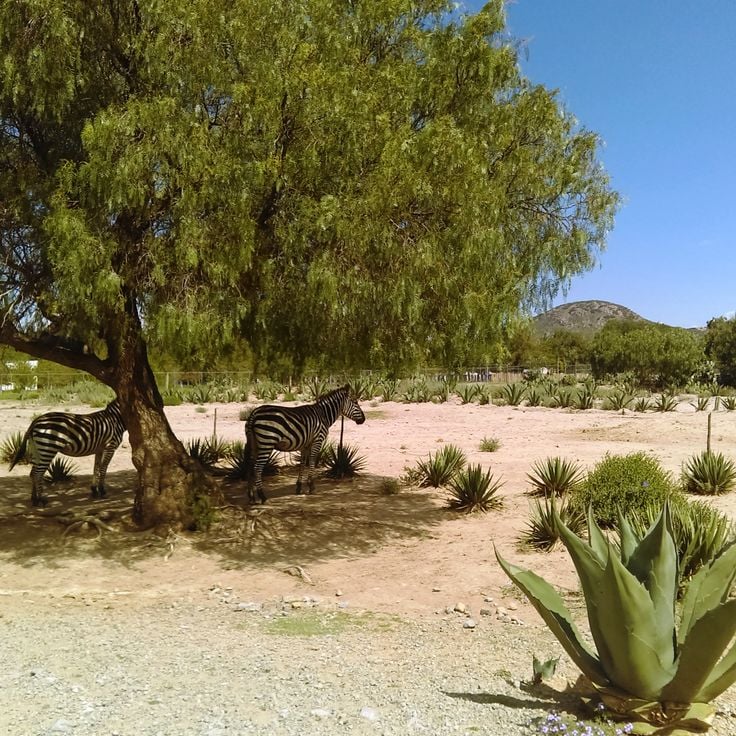
This safari park offers large enclosures where visitors can observe animals in natural settings. The grounds are located near Epazoyucan and complement the historical and geological attractions of Hidalgo state with a focus on wildlife observation. Guided educational programs provide information about the different species and their habitats. The enclosures are designed to allow animals to move freely while giving visitors insight into their behavior.
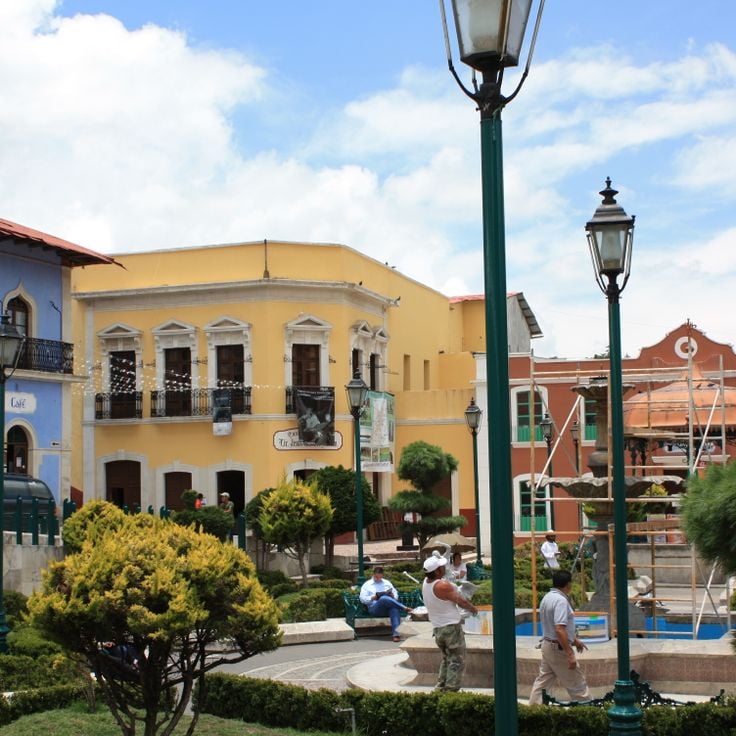
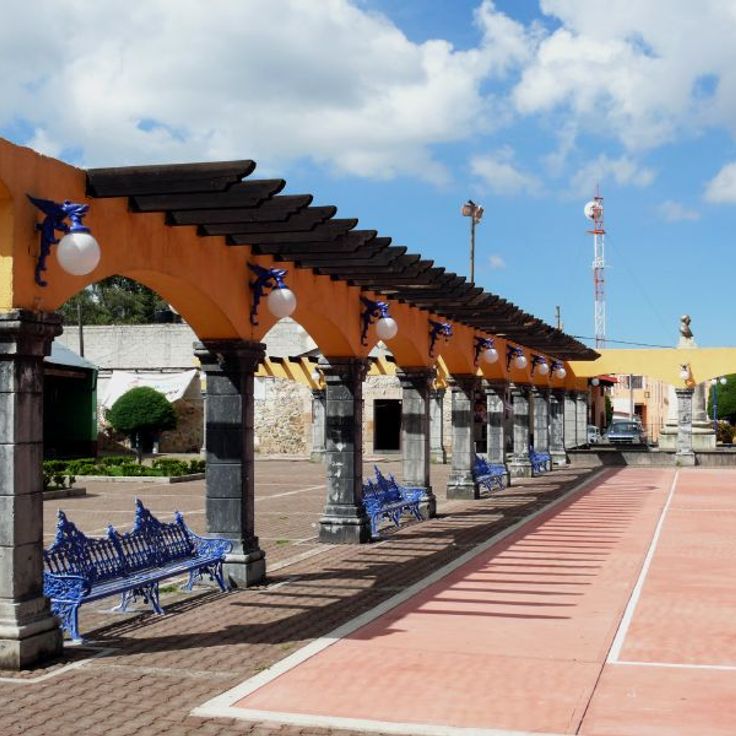
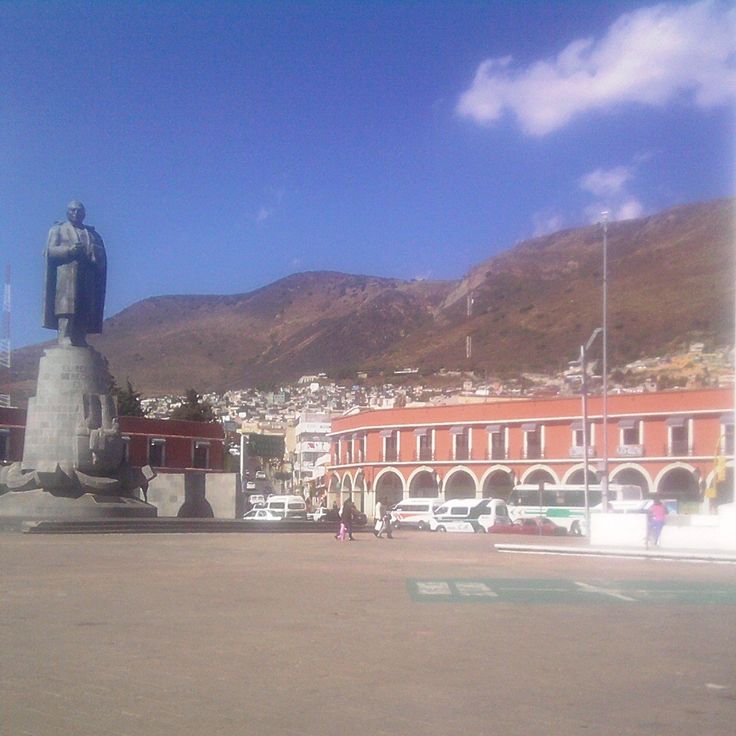
This public square sits at the heart of Pachuca and has served as a meeting place since colonial times. Plaza Juárez is surrounded by buildings from the 18th century and features a central garden with stone benches where locals rest and travelers watch daily life unfold. The square connects the historical legacy of the silver mining town with the rhythm of its present-day inhabitants.
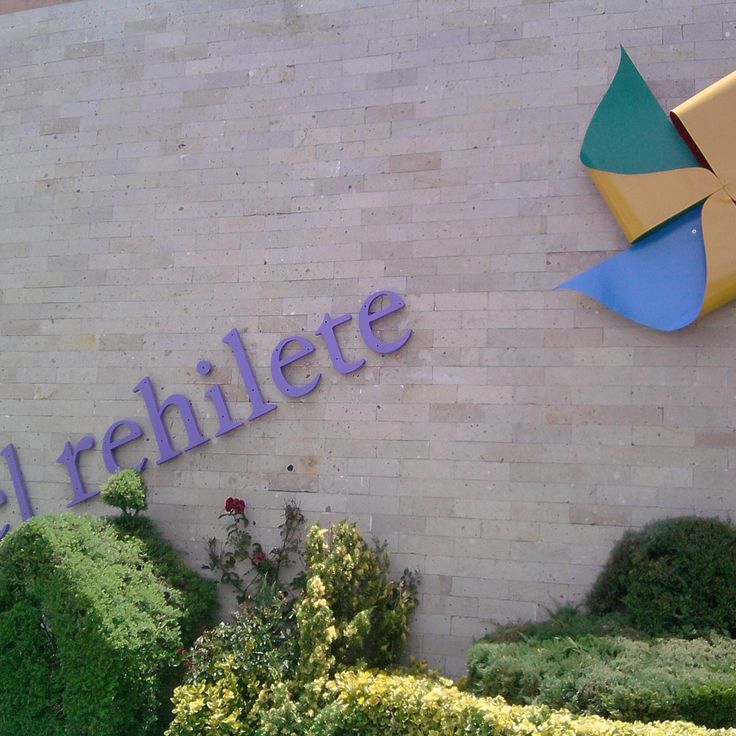
This science center makes natural phenomena accessible through hands-on exhibits. The museum includes a planetarium room, an outdoor garden, and displays about technology and natural science. Visitors can take part in practical demonstrations and test physical processes themselves. The facility welcomes families and school groups who want to learn about scientific concepts in a tangible way.
This colonial town was founded in 1531 and preserves its historical role in Mexico's independence movement. Huichapan shows stone churches, old administrative buildings, and a central square where community life takes place. The architecture dates from the 16th century and later periods. Walking through streets lined with colonial facades, visitors find buildings that served as witnesses to political gatherings. This town belongs to Hidalgo's historical sites that connect colonial construction with memories of important national events.
This former silver mine in Real del Monte preserves underground tunnels that extend through the mountain, offering visitors a direct look at Hidalgo's mining past. The Mina de Acosta displays tools and machinery from centuries of silver extraction, while the tunnel walls reveal geological layers and mineral deposits. The interior is cool and damp, with lighting that follows the narrow passages and marks spots where miners once worked the rock and hauled ore.
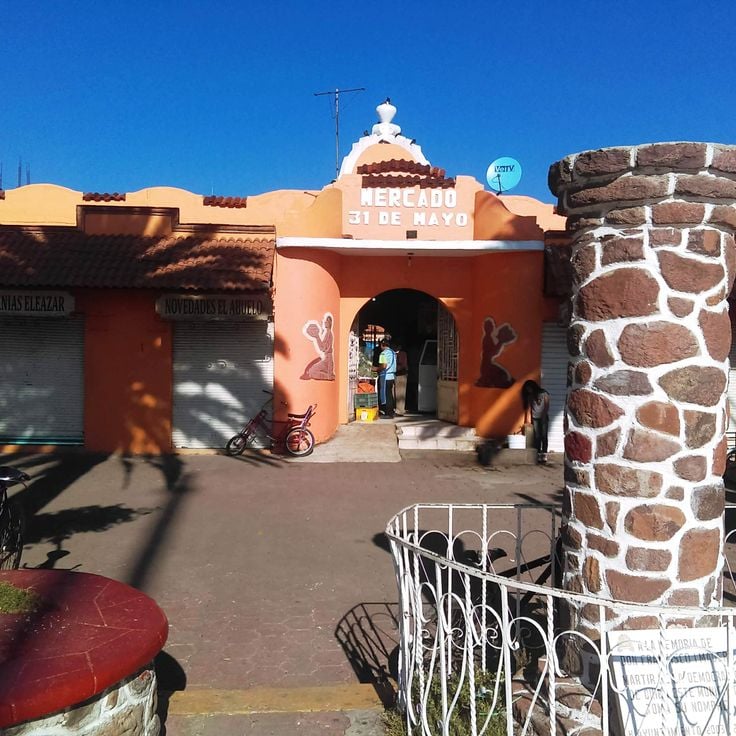
This municipal center in Hidalgo state contains several covered markets where vendors sell regional textiles, pottery, agricultural products, and prepared foods typical of central Mexico. The market stalls show daily life in the area and local trading traditions. Visitors find handmade products and dishes made in the surrounding communities. The markets serve as a meeting point for locals and reflect the rural culture of Hidalgo. People come here to shop for everyday goods and ingredients from nearby farms and workshops.
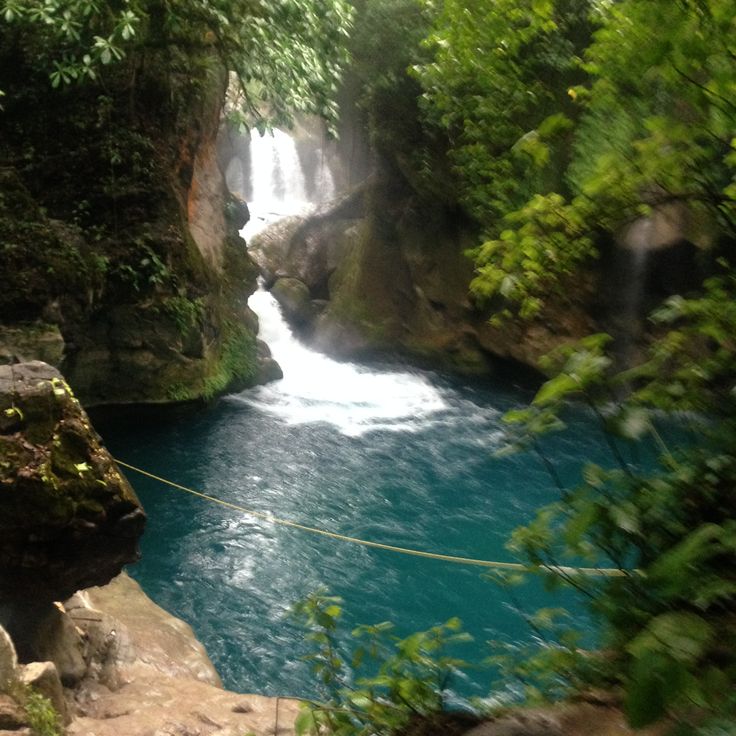
This limestone formation spans a river, with a 30-meter waterfall cascading beneath it. The water collects in natural pools that invite swimming during the dry season. The river has shaped the stone over thousands of years, creating a bridge of solid rock. Water flows through caves and open areas, changing its color and force with the seasons. Tropical vegetation surrounds the site, growing down to the riverbanks. Visitors can walk along the rock formations and explore the different levels of the watercourse. The name refers to the natural arch that resembles a bridge built by nature itself.
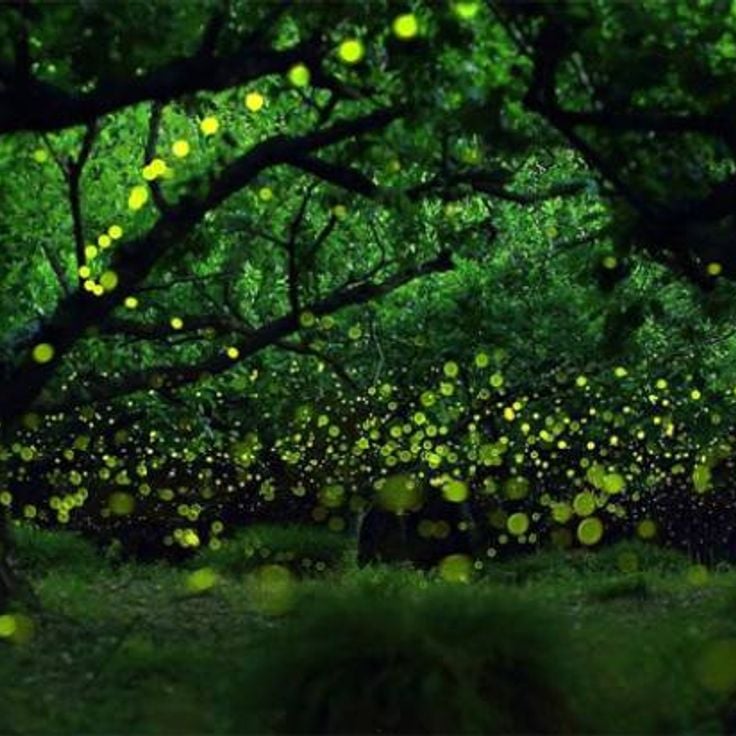
This protected forest area near Nanacamilpa hosts countless fireflies from June through August, when they gather in the pine trees to mate and light up the woods with their bioluminescence. The Santuario de las Luciérnagas sits at about 8500 feet (2600 meters) in the mountains of Hidalgo, preserving a moist cloud forest that provides the conditions these insects need. Visitors walk quiet trails at dusk and watch millions of tiny greenish lights flicker among the branches, creating a natural display that repeats each year when the rainy season arrives and the temperatures drop at night.
These basalt columns formed when molten rock cooled and split into hexagonal shapes. The formations reach about 40 meters tall (130 feet). Water flows down their dark, straight edges, creating small falls between the stones. The site sits in a forested valley where visitors walk along paths and view the geometric structures up close. The columns look like natural pillars standing close together, creating an unusual backdrop.
These thermal springs at Grutas de Tolantongo flow from rock walls inside caves within a mountain canyon, emerging at 38 degrees Celsius. The mineral-rich water forms natural pools for bathing, distributed among the rock formations. Visitors find a series of pools created by the geological activity of this region, characterized by their warm temperature. The canyon provides a setting of steep walls and vegetation, while the water flows continuously from the mountain, feeding the bathing areas.
This rock formation rises above the mountain landscape of Huasca de Ocampo and offers observation points from its summit over the surrounding valleys. The climb passes through vegetation clinging to steep slopes, while the rock itself consists of weathered stone that takes on different tones in the light. Hikers use the trails leading to the highest point, from where forested hills and the rugged topography of the region can be seen.
Real del Monte is an old silver mining town with buildings that show the influence of Cornish miners who came here in the 1800s. Narrow streets pass stone houses scattered across hillsides. Old mine structures remind visitors of the time when silver shaped the economy. This town sits in the mountains, where mist moves between the roofs and the air stays cool.
These natural springs and the wetland zone supply the local farms with water all year and provide habitat for many species of migratory birds. Los Manantiales sits in a rural area where clear water bubbles up from the ground and forms small channels and shallow pools. The surrounding fields benefit from the constant flow, while birds from different regions stop here to rest or spend the winter. You often see farmers working nearby and hear the sound of water trickling through the plants.
This canyon in the biosphere reserve protects more than 200 species of cacti and desert plants adapted to the dry climate. The area preserves diverse ecosystems, including arid valleys, rock formations, and vegetation zones adjusted to extreme conditions. Hikers and nature watchers find a landscape with geological features and adapted plants thriving in this ecological protection zone of Hidalgo state.
This colonial estate dates from 1760, built when silver mining shaped the region of Hidalgo. Stone walls surround the courtyards, where gardens grow around old fountains. The chapel inside holds religious paintings and wooden furniture from the original years. Walking through the rooms, visitors find traces of the families who managed the mines and lived on the property. Santa Maria Regla connects the history of mining with the architecture of the 18th century in the mountains of Huasca de Ocampo.
The Xoxafi Cave System lies within the limestone beneath Santiago de Anaya, part of the geological formations that define Hidalgo. The underground passages reach about 500 meters into the earth, revealing mineral deposits, stalactites, and stalagmites shaped by water over millions of years. Walking through this cave, visitors see the slow work of erosion and mineral accumulation that continues to alter the rock. The site offers a glimpse into the region's deep geological history and the forces that shape the land below the surface.
This national park protects mountain pine forests that have grown here for centuries. The terrain shows many rock formations shaped by volcanic activity, and climbers come to practice on different routes. Trails wind through dense forest and across open slopes where views stretch over wooded valleys. On clear days you can see distant peaks. The climate is cool and damp, and mist often hangs between the trees. Locals come to hike and picnic, and the main paths fill up on weekends. Birds call from the canopy, and the air smells of pine resin and earth.
These four stone warriors from the tenth century rise from the Toltec ruins. Each figure stands around eighteen feet tall (5.5 meters) and shows a warrior holding feathered headdress, breastplate, and weapons. The statues once served as columns supporting a temple on top of the main pyramid. Their design follows strict symmetry, with rectangular shapes and stylized facial features. The site sits on a plateau where grasses grow between stone blocks and wind moves through the open courtyards.
The Aqueduct of Padre Tembleque runs for 48 kilometers across the landscape, connecting Zempoala with surrounding communities. This sixteenth-century water channel combines Roman arches with construction methods from Mesoamerican indigenous peoples. The structure rests on multiple levels of stone arches, rising over 100 feet (30 meters) in some sections. Monks and local workers built this system to bring water from the mountains into dry valleys. UNESCO recognized it in 2015 as a significant example of early engineering.
This lake forms a wetland where migrant birds come to rest and feed. Marked paths run through the area and let visitors watch the birds and other animals that live here. The shallow edges attract many species that stop during their long journeys or stay for the winter. People walk along the trails to explore the different habitats around the water and in the nearby zones. The paths help visitors get close to nature without disturbing the fragile areas where the wildlife gathers and nests.
This hacienda dates back to the colonial period, when silver was extracted from nearby mines. The stone buildings stand among well-kept gardens, surrounded by wooded hills. Tall basalt cliffs rise close by. Today San Miguel Regla serves as a hotel, preserving the architecture and feel of the old mining estate. Paths wind through courtyards with fountains and arcades. Guests can enjoy the calm of the grounds and explore the history of mining in the region.
This mountain town sits at 7900 feet (2400 meters) in the Sierra de Pachuca and is surrounded by forest trails and natural water springs. Omitlán de Juárez serves as a starting point for hikes through the surrounding hills, where pine and oak trees grow. The cool climate and quiet streets draw visitors looking for fresh mountain air. Local families use the springs, and small markets sell handmade wool goods and regional foods.
This museum occupies a restored 19th century building and displays mining equipment, mineral specimens, and historical documents from the silver-rich region. The collection explains the extraction methods that made Pachuca an important mining center, connecting technical details with the stories of workers and the economic development of the city.
This clock tower from 1904 stands in the central plaza of Pachuca with mechanical parts brought from Europe. The structure rises 40 meters high and shapes the city center. The architecture combines Mexican and European influences from the turn of the century. The tower marks an important point in the historic district and shows the development of the city during the Porfirio Díaz era.
This archaeological site preserves the remains of Toltec civilization from the 7th to 9th century. The Toltec Ruins consist of stone buildings, ceremonial platforms, and residential areas that show how people lived and conducted rituals in this pre-Columbian culture. The structures sit in a landscape that once served as an important center for trade and religious practices. Visitors can walk among the foundations and surviving walls, imagining daily life here over a thousand years ago. The site displays typical Toltec architectural features, including rectangular platforms and remnants of stonework that reflect the building techniques of the time.
This park in Pachuca offers grass areas and paths for walking. The space includes playground equipment for children and facilities for different sports. The place stays open throughout the year and serves residents who want to spend time outdoors.
This national park in the northern part of the state is a protected area that spreads across pine forests and rocky hills. Marble formations appear throughout the landscape, giving the terrain its particular character. The forests provide habitat for eagles that circle above the canopy and deer that move through the woodlands. Trails wind through different zones, from dense tree cover to more open ground where the geological features become visible. The park represents the natural diversity found in this part of Hidalgo, where forest and stone meet.
This lake sits at 4,300 feet (1,300 meters) above sea level, with pine trees growing along the water. Anglers come here to fish from the shore, casting lines into the calm surface. Small boats move across the water, and visitors walk the trails that follow the edge. The air feels cooler than in the valleys below, and the conifers provide shade over the paths. Families visit on weekends, setting up near the water for picnics and short hikes. The surrounding forest keeps the area quiet, and the slopes rise gently into the hills.
This 16th-century religious complex shows wall paintings with biblical scenes and a large stone cross in the central courtyard. The convent belongs to the colonial buildings in Hidalgo that appeared after the Spanish conquest. Augustinian monks built this place for worship and conversion of the local population. The walls are thick and solid, the rooms cool and shaded. You can walk through the corridors and look at the old frescoes that still show color today. The cloister opens to the sky, and the cross stands freely in the middle.
This pine forest in the Sierra de Hidalgo offers cool streams where visitors can fish for rainbow trout. The grounds include several watercourses that flow through thick conifer woods, as well as outdoor areas for eating and resting. The air is fresh and the ground is covered with pine needles. Families come here to spend the day by the water, cook their catch on site, and enjoy the quiet of the mountain landscape.
This convent from the 1500s stands in one of the region's earliest missions. The stone walls still carry traces of Franciscan craftsmanship, while the arched corridors frame a central courtyard. The garden holds old trees and fountains between paved paths. Chapels inside show frescoes in muted tones, and thick walls keep the rooms cool. Monks once walked these halls, taught local people, and built communities. Today, visitors step through quiet spaces and feel the calm of the colonial era.
This public park spreads across the hills of Pachuca, offering walking trails through pine forests, cable rides with views over the city, and sports facilities for visitors of all ages. Environmental education programs take place at the facilities throughout the year, attracting families and school groups. The trails wind through different vegetation zones, where native plants grow and birds nest in the trees. On weekends, locals come here to picnic, jog, or simply enjoy the fresh air away from the city center.
This safari park offers large enclosures where visitors can observe animals in natural settings. The grounds are located near Epazoyucan and complement the historical and geological attractions of Hidalgo state with a focus on wildlife observation. Guided educational programs provide information about the different species and their habitats. The enclosures are designed to allow animals to move freely while giving visitors insight into their behavior.
This public square sits at the heart of Pachuca and has served as a meeting place since colonial times. Plaza Juárez is surrounded by buildings from the 18th century and features a central garden with stone benches where locals rest and travelers watch daily life unfold. The square connects the historical legacy of the silver mining town with the rhythm of its present-day inhabitants.
This science center makes natural phenomena accessible through hands-on exhibits. The museum includes a planetarium room, an outdoor garden, and displays about technology and natural science. Visitors can take part in practical demonstrations and test physical processes themselves. The facility welcomes families and school groups who want to learn about scientific concepts in a tangible way.
This colonial town was founded in 1531 and preserves its historical role in Mexico's independence movement. Huichapan shows stone churches, old administrative buildings, and a central square where community life takes place. The architecture dates from the 16th century and later periods. Walking through streets lined with colonial facades, visitors find buildings that served as witnesses to political gatherings. This town belongs to Hidalgo's historical sites that connect colonial construction with memories of important national events.
This former silver mine in Real del Monte preserves underground tunnels that extend through the mountain, offering visitors a direct look at Hidalgo's mining past. The Mina de Acosta displays tools and machinery from centuries of silver extraction, while the tunnel walls reveal geological layers and mineral deposits. The interior is cool and damp, with lighting that follows the narrow passages and marks spots where miners once worked the rock and hauled ore.
This municipal center in Hidalgo state contains several covered markets where vendors sell regional textiles, pottery, agricultural products, and prepared foods typical of central Mexico. The market stalls show daily life in the area and local trading traditions. Visitors find handmade products and dishes made in the surrounding communities. The markets serve as a meeting point for locals and reflect the rural culture of Hidalgo. People come here to shop for everyday goods and ingredients from nearby farms and workshops.
This limestone formation spans a river, with a 30-meter waterfall cascading beneath it. The water collects in natural pools that invite swimming during the dry season. The river has shaped the stone over thousands of years, creating a bridge of solid rock. Water flows through caves and open areas, changing its color and force with the seasons. Tropical vegetation surrounds the site, growing down to the riverbanks. Visitors can walk along the rock formations and explore the different levels of the watercourse. The name refers to the natural arch that resembles a bridge built by nature itself.
This protected forest area near Nanacamilpa hosts countless fireflies from June through August, when they gather in the pine trees to mate and light up the woods with their bioluminescence. The Santuario de las Luciérnagas sits at about 8500 feet (2600 meters) in the mountains of Hidalgo, preserving a moist cloud forest that provides the conditions these insects need. Visitors walk quiet trails at dusk and watch millions of tiny greenish lights flicker among the branches, creating a natural display that repeats each year when the rainy season arrives and the temperatures drop at night.
These basalt columns formed when molten rock cooled and split into hexagonal shapes. The formations reach about 40 meters tall (130 feet). Water flows down their dark, straight edges, creating small falls between the stones. The site sits in a forested valley where visitors walk along paths and view the geometric structures up close. The columns look like natural pillars standing close together, creating an unusual backdrop.
These thermal springs at Grutas de Tolantongo flow from rock walls inside caves within a mountain canyon, emerging at 38 degrees Celsius. The mineral-rich water forms natural pools for bathing, distributed among the rock formations. Visitors find a series of pools created by the geological activity of this region, characterized by their warm temperature. The canyon provides a setting of steep walls and vegetation, while the water flows continuously from the mountain, feeding the bathing areas.
This rock formation rises above the mountain landscape of Huasca de Ocampo and offers observation points from its summit over the surrounding valleys. The climb passes through vegetation clinging to steep slopes, while the rock itself consists of weathered stone that takes on different tones in the light. Hikers use the trails leading to the highest point, from where forested hills and the rugged topography of the region can be seen.
Real del Monte is an old silver mining town with buildings that show the influence of Cornish miners who came here in the 1800s. Narrow streets pass stone houses scattered across hillsides. Old mine structures remind visitors of the time when silver shaped the economy. This town sits in the mountains, where mist moves between the roofs and the air stays cool.
These natural springs and the wetland zone supply the local farms with water all year and provide habitat for many species of migratory birds. Los Manantiales sits in a rural area where clear water bubbles up from the ground and forms small channels and shallow pools. The surrounding fields benefit from the constant flow, while birds from different regions stop here to rest or spend the winter. You often see farmers working nearby and hear the sound of water trickling through the plants.
This canyon in the biosphere reserve protects more than 200 species of cacti and desert plants adapted to the dry climate. The area preserves diverse ecosystems, including arid valleys, rock formations, and vegetation zones adjusted to extreme conditions. Hikers and nature watchers find a landscape with geological features and adapted plants thriving in this ecological protection zone of Hidalgo state.
This colonial estate dates from 1760, built when silver mining shaped the region of Hidalgo. Stone walls surround the courtyards, where gardens grow around old fountains. The chapel inside holds religious paintings and wooden furniture from the original years. Walking through the rooms, visitors find traces of the families who managed the mines and lived on the property. Santa Maria Regla connects the history of mining with the architecture of the 18th century in the mountains of Huasca de Ocampo.
The Xoxafi Cave System lies within the limestone beneath Santiago de Anaya, part of the geological formations that define Hidalgo. The underground passages reach about 500 meters into the earth, revealing mineral deposits, stalactites, and stalagmites shaped by water over millions of years. Walking through this cave, visitors see the slow work of erosion and mineral accumulation that continues to alter the rock. The site offers a glimpse into the region's deep geological history and the forces that shape the land below the surface.
This national park protects mountain pine forests that have grown here for centuries. The terrain shows many rock formations shaped by volcanic activity, and climbers come to practice on different routes. Trails wind through dense forest and across open slopes where views stretch over wooded valleys. On clear days you can see distant peaks. The climate is cool and damp, and mist often hangs between the trees. Locals come to hike and picnic, and the main paths fill up on weekends. Birds call from the canopy, and the air smells of pine resin and earth.
These four stone warriors from the tenth century rise from the Toltec ruins. Each figure stands around eighteen feet tall (5.5 meters) and shows a warrior holding feathered headdress, breastplate, and weapons. The statues once served as columns supporting a temple on top of the main pyramid. Their design follows strict symmetry, with rectangular shapes and stylized facial features. The site sits on a plateau where grasses grow between stone blocks and wind moves through the open courtyards.
The Aqueduct of Padre Tembleque runs for 48 kilometers across the landscape, connecting Zempoala with surrounding communities. This sixteenth-century water channel combines Roman arches with construction methods from Mesoamerican indigenous peoples. The structure rests on multiple levels of stone arches, rising over 100 feet (30 meters) in some sections. Monks and local workers built this system to bring water from the mountains into dry valleys. UNESCO recognized it in 2015 as a significant example of early engineering.
This lake forms a wetland where migrant birds come to rest and feed. Marked paths run through the area and let visitors watch the birds and other animals that live here. The shallow edges attract many species that stop during their long journeys or stay for the winter. People walk along the trails to explore the different habitats around the water and in the nearby zones. The paths help visitors get close to nature without disturbing the fragile areas where the wildlife gathers and nests.
This hacienda dates back to the colonial period, when silver was extracted from nearby mines. The stone buildings stand among well-kept gardens, surrounded by wooded hills. Tall basalt cliffs rise close by. Today San Miguel Regla serves as a hotel, preserving the architecture and feel of the old mining estate. Paths wind through courtyards with fountains and arcades. Guests can enjoy the calm of the grounds and explore the history of mining in the region.
This mountain town sits at 7900 feet (2400 meters) in the Sierra de Pachuca and is surrounded by forest trails and natural water springs. Omitlán de Juárez serves as a starting point for hikes through the surrounding hills, where pine and oak trees grow. The cool climate and quiet streets draw visitors looking for fresh mountain air. Local families use the springs, and small markets sell handmade wool goods and regional foods.
This museum occupies a restored 19th century building and displays mining equipment, mineral specimens, and historical documents from the silver-rich region. The collection explains the extraction methods that made Pachuca an important mining center, connecting technical details with the stories of workers and the economic development of the city.
This clock tower from 1904 stands in the central plaza of Pachuca with mechanical parts brought from Europe. The structure rises 40 meters high and shapes the city center. The architecture combines Mexican and European influences from the turn of the century. The tower marks an important point in the historic district and shows the development of the city during the Porfirio Díaz era.
This archaeological site preserves the remains of Toltec civilization from the 7th to 9th century. The Toltec Ruins consist of stone buildings, ceremonial platforms, and residential areas that show how people lived and conducted rituals in this pre-Columbian culture. The structures sit in a landscape that once served as an important center for trade and religious practices. Visitors can walk among the foundations and surviving walls, imagining daily life here over a thousand years ago. The site displays typical Toltec architectural features, including rectangular platforms and remnants of stonework that reflect the building techniques of the time.
This park in Pachuca offers grass areas and paths for walking. The space includes playground equipment for children and facilities for different sports. The place stays open throughout the year and serves residents who want to spend time outdoors.
This national park in the northern part of the state is a protected area that spreads across pine forests and rocky hills. Marble formations appear throughout the landscape, giving the terrain its particular character. The forests provide habitat for eagles that circle above the canopy and deer that move through the woodlands. Trails wind through different zones, from dense tree cover to more open ground where the geological features become visible. The park represents the natural diversity found in this part of Hidalgo, where forest and stone meet.
This lake sits at 4,300 feet (1,300 meters) above sea level, with pine trees growing along the water. Anglers come here to fish from the shore, casting lines into the calm surface. Small boats move across the water, and visitors walk the trails that follow the edge. The air feels cooler than in the valleys below, and the conifers provide shade over the paths. Families visit on weekends, setting up near the water for picnics and short hikes. The surrounding forest keeps the area quiet, and the slopes rise gently into the hills.
This 16th-century religious complex shows wall paintings with biblical scenes and a large stone cross in the central courtyard. The convent belongs to the colonial buildings in Hidalgo that appeared after the Spanish conquest. Augustinian monks built this place for worship and conversion of the local population. The walls are thick and solid, the rooms cool and shaded. You can walk through the corridors and look at the old frescoes that still show color today. The cloister opens to the sky, and the cross stands freely in the middle.
This pine forest in the Sierra de Hidalgo offers cool streams where visitors can fish for rainbow trout. The grounds include several watercourses that flow through thick conifer woods, as well as outdoor areas for eating and resting. The air is fresh and the ground is covered with pine needles. Families come here to spend the day by the water, cook their catch on site, and enjoy the quiet of the mountain landscape.
This convent from the 1500s stands in one of the region's earliest missions. The stone walls still carry traces of Franciscan craftsmanship, while the arched corridors frame a central courtyard. The garden holds old trees and fountains between paved paths. Chapels inside show frescoes in muted tones, and thick walls keep the rooms cool. Monks once walked these halls, taught local people, and built communities. Today, visitors step through quiet spaces and feel the calm of the colonial era.
This public park spreads across the hills of Pachuca, offering walking trails through pine forests, cable rides with views over the city, and sports facilities for visitors of all ages. Environmental education programs take place at the facilities throughout the year, attracting families and school groups. The trails wind through different vegetation zones, where native plants grow and birds nest in the trees. On weekends, locals come here to picnic, jog, or simply enjoy the fresh air away from the city center.
This safari park offers large enclosures where visitors can observe animals in natural settings. The grounds are located near Epazoyucan and complement the historical and geological attractions of Hidalgo state with a focus on wildlife observation. Guided educational programs provide information about the different species and their habitats. The enclosures are designed to allow animals to move freely while giving visitors insight into their behavior.
This public square sits at the heart of Pachuca and has served as a meeting place since colonial times. Plaza Juárez is surrounded by buildings from the 18th century and features a central garden with stone benches where locals rest and travelers watch daily life unfold. The square connects the historical legacy of the silver mining town with the rhythm of its present-day inhabitants.
This science center makes natural phenomena accessible through hands-on exhibits. The museum includes a planetarium room, an outdoor garden, and displays about technology and natural science. Visitors can take part in practical demonstrations and test physical processes themselves. The facility welcomes families and school groups who want to learn about scientific concepts in a tangible way.
This colonial town was founded in 1531 and preserves its historical role in Mexico's independence movement. Huichapan shows stone churches, old administrative buildings, and a central square where community life takes place. The architecture dates from the 16th century and later periods. Walking through streets lined with colonial facades, visitors find buildings that served as witnesses to political gatherings. This town belongs to Hidalgo's historical sites that connect colonial construction with memories of important national events.
This former silver mine in Real del Monte preserves underground tunnels that extend through the mountain, offering visitors a direct look at Hidalgo's mining past. The Mina de Acosta displays tools and machinery from centuries of silver extraction, while the tunnel walls reveal geological layers and mineral deposits. The interior is cool and damp, with lighting that follows the narrow passages and marks spots where miners once worked the rock and hauled ore.
This municipal center in Hidalgo state contains several covered markets where vendors sell regional textiles, pottery, agricultural products, and prepared foods typical of central Mexico. The market stalls show daily life in the area and local trading traditions. Visitors find handmade products and dishes made in the surrounding communities. The markets serve as a meeting point for locals and reflect the rural culture of Hidalgo. People come here to shop for everyday goods and ingredients from nearby farms and workshops.
This limestone formation spans a river, with a 30-meter waterfall cascading beneath it. The water collects in natural pools that invite swimming during the dry season. The river has shaped the stone over thousands of years, creating a bridge of solid rock. Water flows through caves and open areas, changing its color and force with the seasons. Tropical vegetation surrounds the site, growing down to the riverbanks. Visitors can walk along the rock formations and explore the different levels of the watercourse. The name refers to the natural arch that resembles a bridge built by nature itself.
This protected forest area near Nanacamilpa hosts countless fireflies from June through August, when they gather in the pine trees to mate and light up the woods with their bioluminescence. The Santuario de las Luciérnagas sits at about 8500 feet (2600 meters) in the mountains of Hidalgo, preserving a moist cloud forest that provides the conditions these insects need. Visitors walk quiet trails at dusk and watch millions of tiny greenish lights flicker among the branches, creating a natural display that repeats each year when the rainy season arrives and the temperatures drop at night.