See the monuments around you in AROpen chests in the app
Around Us is built for your phone — point your camera at the streets and discover the monuments and places around you in augmented reality.Around Us is built for your phone — chests unlock when you walk, explore and capture nearby places.
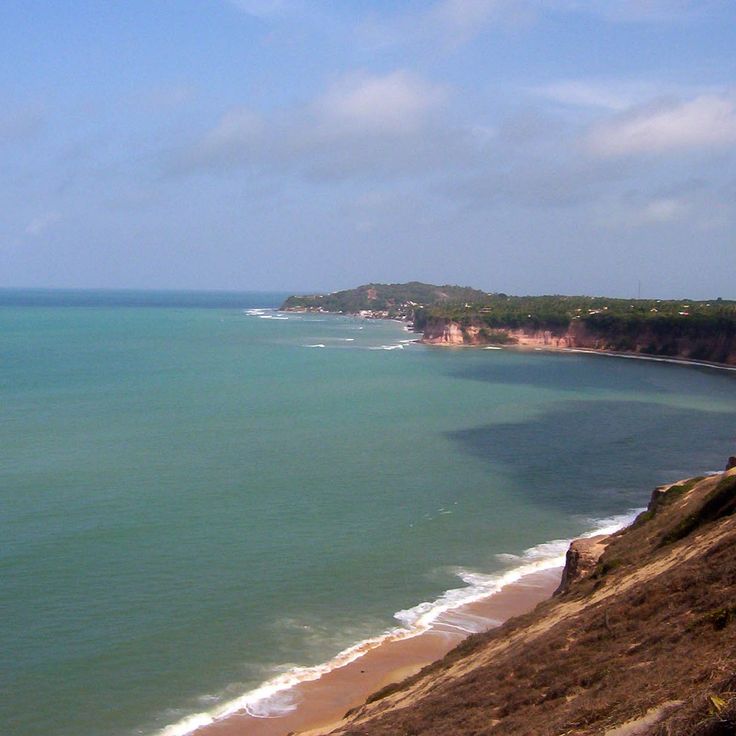
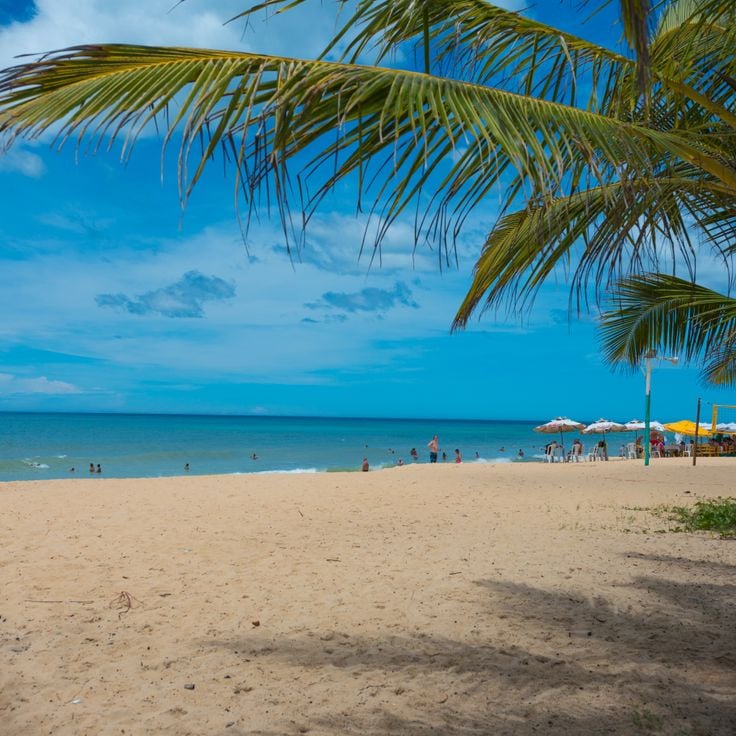
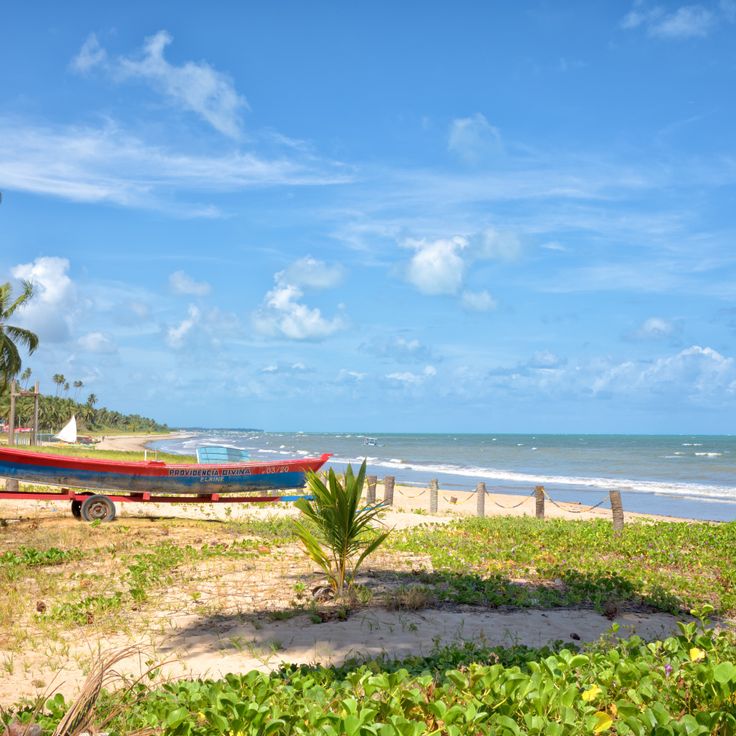
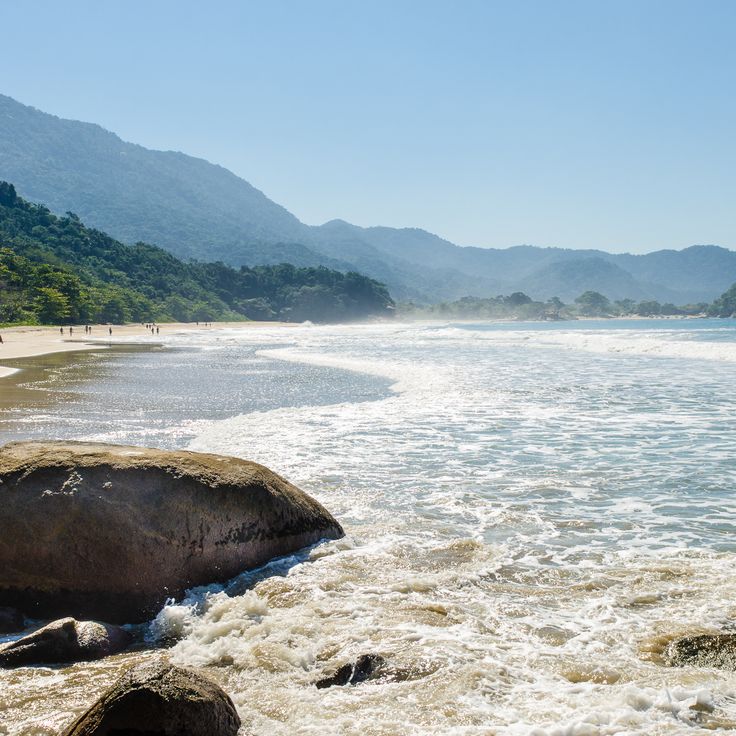
Brazil's coastline stretches over 4,600 miles (7,400 kilometers), connecting tropical forests, sandbars, and several climate zones. In Rio de Janeiro, Copacabana and Ipanema draw visitors with their urban energy, while Fernando de Noronha offers bays shaped by marine life and volcanic rock. Further north, palm trees and dunes define the scenery in Ceará, where Jericoacoara is known for kitesurfing. Bahia holds Praia do Espelho and Taipus de Fora, where coral reefs and tidal pools give snorkelers refuge.
Santa Catarina and São Paulo combine wave breaks with rainforest trails leading to remote beaches like Praia dos Castelhanos. Pernambuco and Alagoas feature warm, calm waters and natural pools that form at low tide, including Porto de Galinhas and Maragogi. In the north, Alter do Chão on the Tapajós River creates a freshwater beach surrounded by Amazon vegetation. Each region shows different tides, currents, and ecosystems, from sheltered lagoons to open Atlantic shores.
Brazil's coastline stretches over 4,600 miles (7,400 kilometers), connecting tropical forests, sandbars, and several climate zones. In Rio de Janeiro, Copacabana and Ipanema draw visitors with their urban energy, while Fernando de Noronha offers bays shaped by marine life and volcanic rock. Further north, palm trees and dunes define the scenery in Ceará, where Jericoacoara is known for kitesurfing. Bahia holds Praia do Espelho and Taipus de Fora, where coral reefs and tidal pools give snorkelers refuge.
Santa Catarina and São Paulo combine wave breaks with rainforest trails leading to remote beaches like Praia dos Castelhanos. Pernambuco and Alagoas feature warm, calm waters and natural pools that form at low tide, including Porto de Galinhas and Maragogi. In the north, Alter do Chão on the Tapajós River creates a freshwater beach surrounded by Amazon vegetation. Each region shows different tides, currents, and ecosystems, from sheltered lagoons to open Atlantic shores.
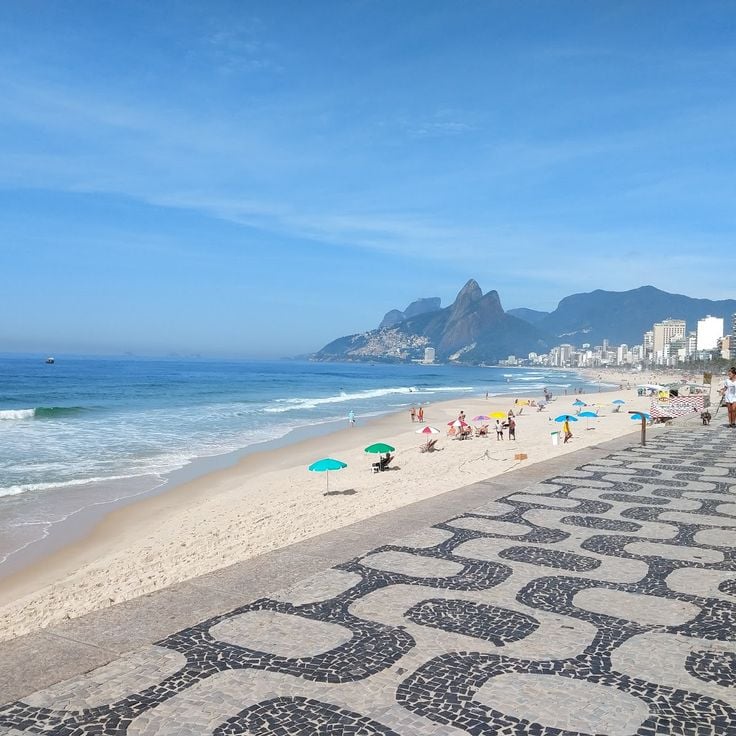
This beach runs along the Atlantic coast in Rio de Janeiro and stands as one of the most recognized urban beaches in Brazil. The waterfront promenade runs parallel to the sand, lined with palm trees and mosaic patterns on the walkway. Sports courts for volleyball and soccer are distributed along the entire length, where locals and visitors play throughout the year. The waves attract swimmers and surfers, while the adjacent streets are filled with bars, restaurants, and hotels.
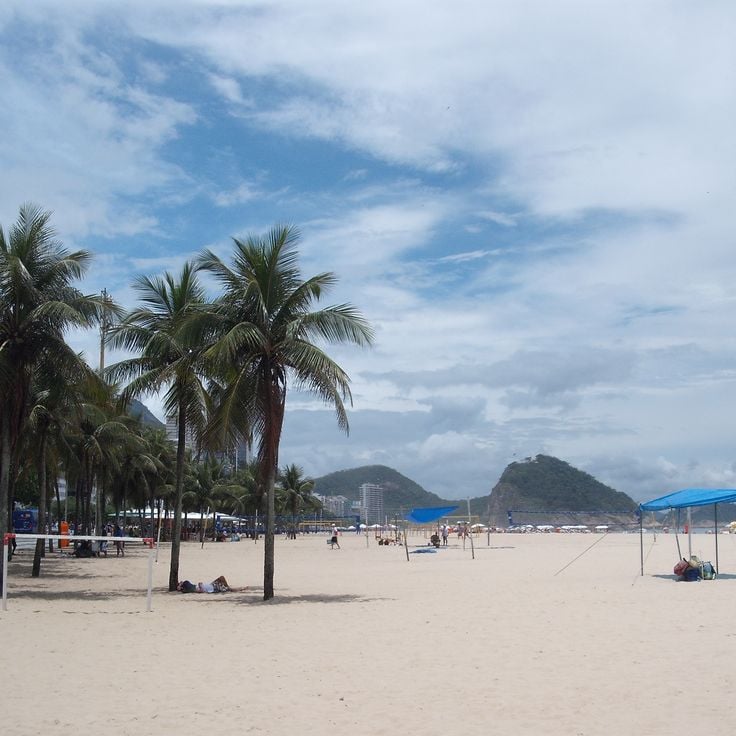
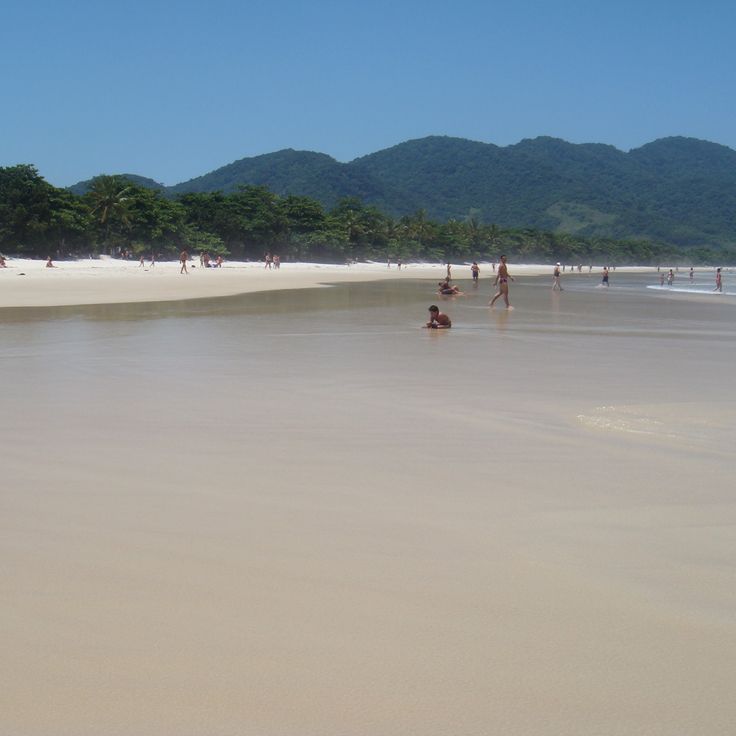
This coastal section stretches for 2 kilometers and offers fine sand that spreads between the residential buildings and restaurants of Rio de Janeiro. The sea has shifting currents that sometimes make swimming difficult. Palm trees line the promenade, and forested peaks rise on the horizon. Locals play beach volleyball and soccer on the sand, while street vendors sell drinks and snacks. The waves attract surfers, and in the late afternoon people gather along the shore to watch the sunset.
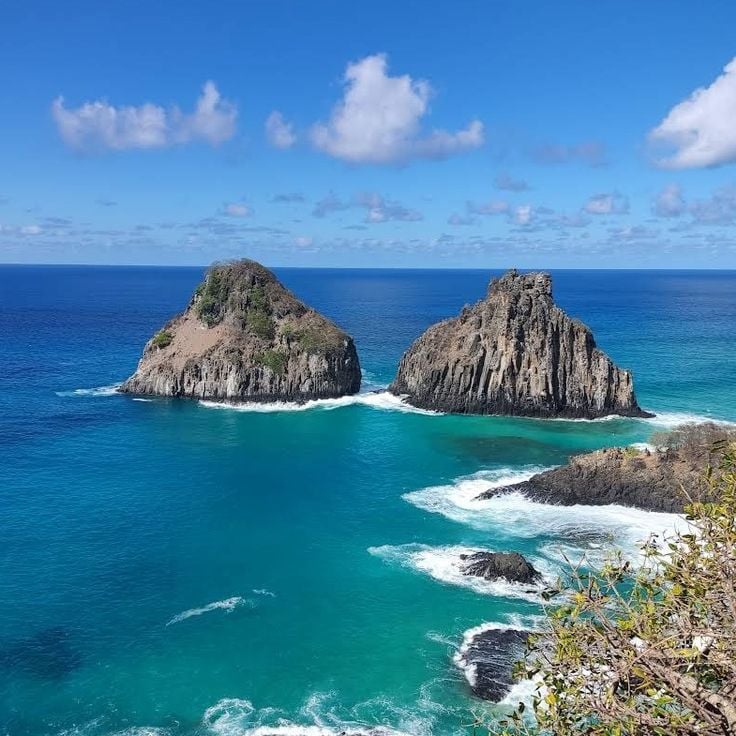
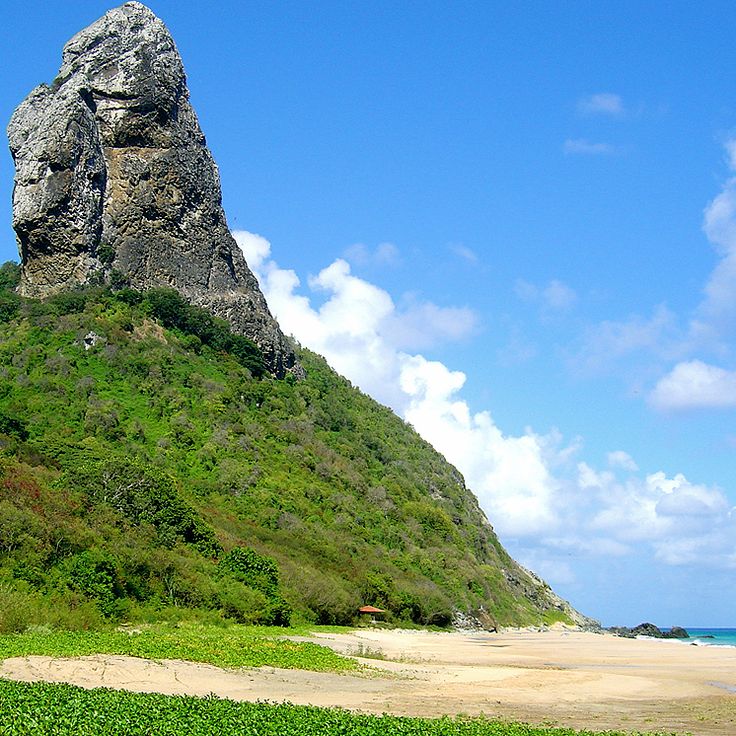
This beach sits between tall cliffs that rise up to 300 meters above the water. The sea is calm and clear, and sea turtles, colorful fish and corals live in the waters off the shore. You reach Praia do Sancho by a metal stairway that descends through a gap in the rock. The shore is covered with fine sand, and the cliffs form natural pools in some places. The cliffs and surrounding green shield the beach from wind and create a sheltered bay where the water often remains very still.
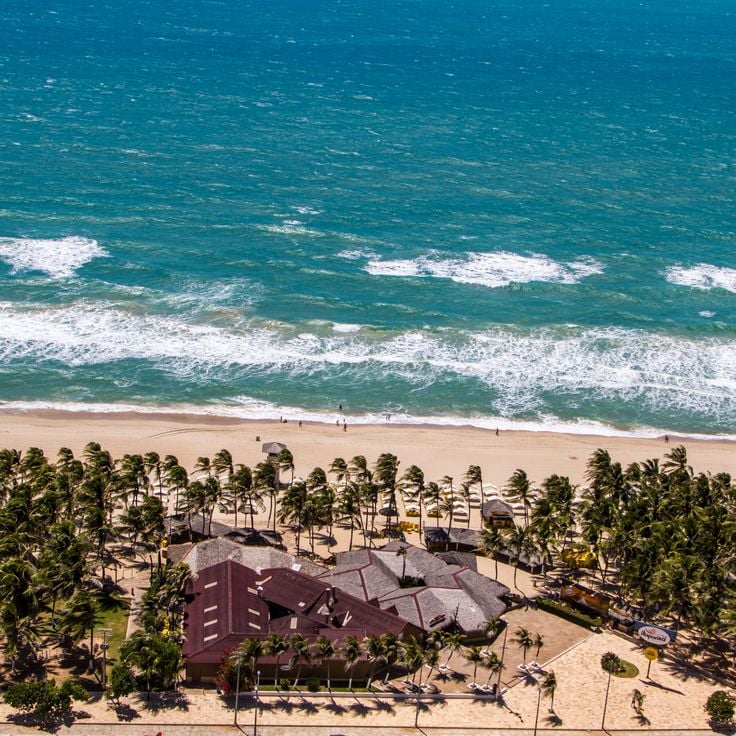
This beach on Brazil's northeast coast draws windsurfers and kitesurfers who come for the steady breeze and open water. Jericoacoara Beach sits among sand dunes and palm trees, with water that stays fairly calm even when the wind picks up. The dunes rise high enough to climb for views over the ocean. The nearby village has grown into a spot where travelers spend days on the sand and evenings in bars and restaurants.
This beach attracts surfers with steady waves and wide dunes. The sea becomes a migration route for southern right whales between July and November, swimming close to shore. Fishing boats share the bay with swimmers. The waves break evenly, and the water stays cool. Mornings often bring sightings of whales breathing at the surface. The sand is light and firm. Small restaurants line the access road. Evenings are quiet. Praia do Rosa is among the few places on Brazil's coast where whales approach the shore so closely.
This beach in Pernambuco lies among reefs and natural tidal pools where small fish swim between coral formations. The water in the shallow pools reaches 84 degrees Fahrenheit (28 degrees Celsius). Palm trees grow close to the sandy shore, which opens wider toward the sea at low tide. Fishermen bring their boats to land in the morning. The reefs protect the shallow water near the beach and create calm areas for swimming.
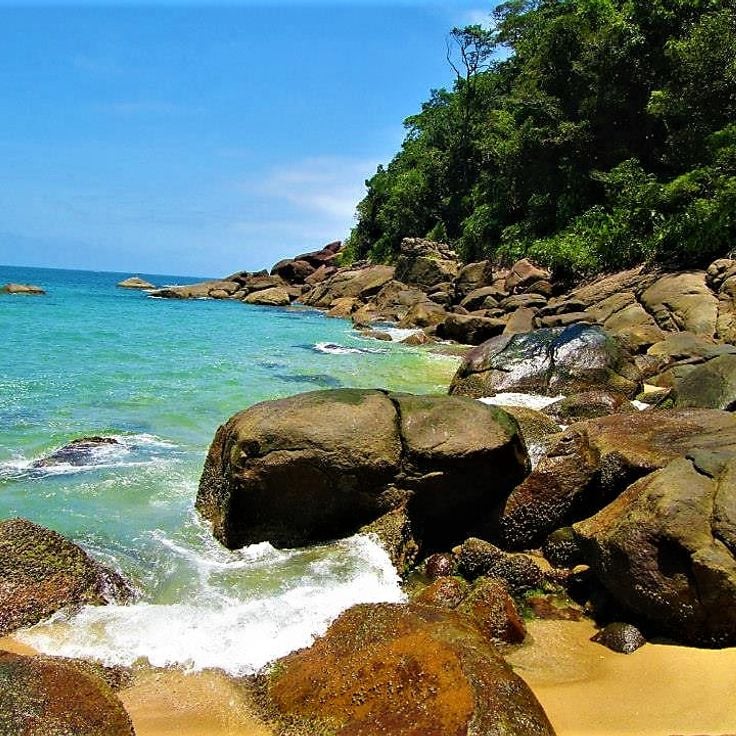
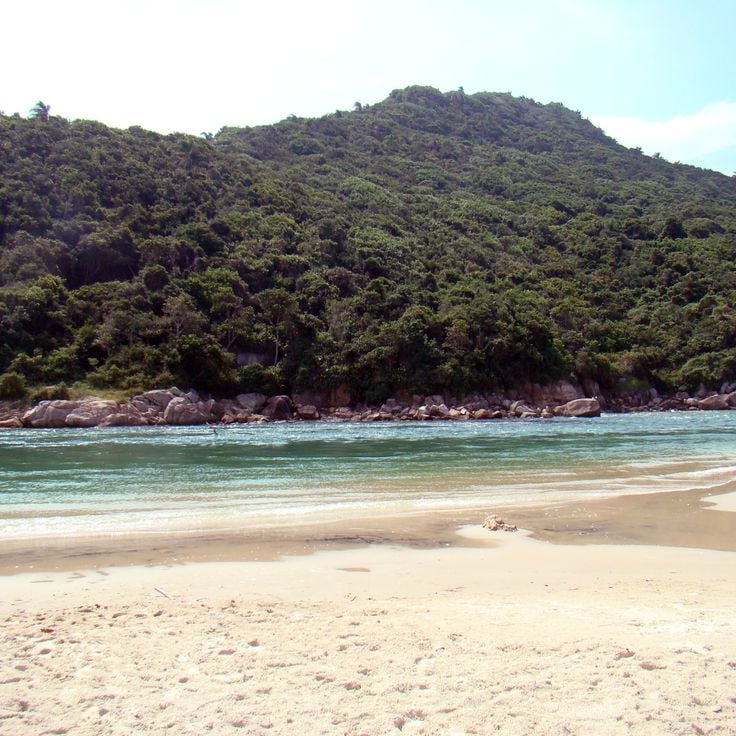
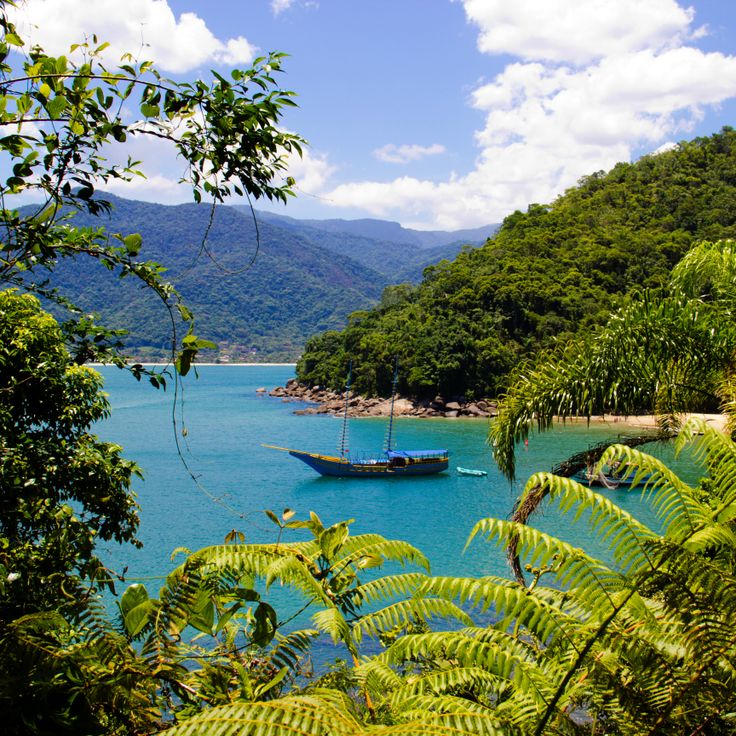
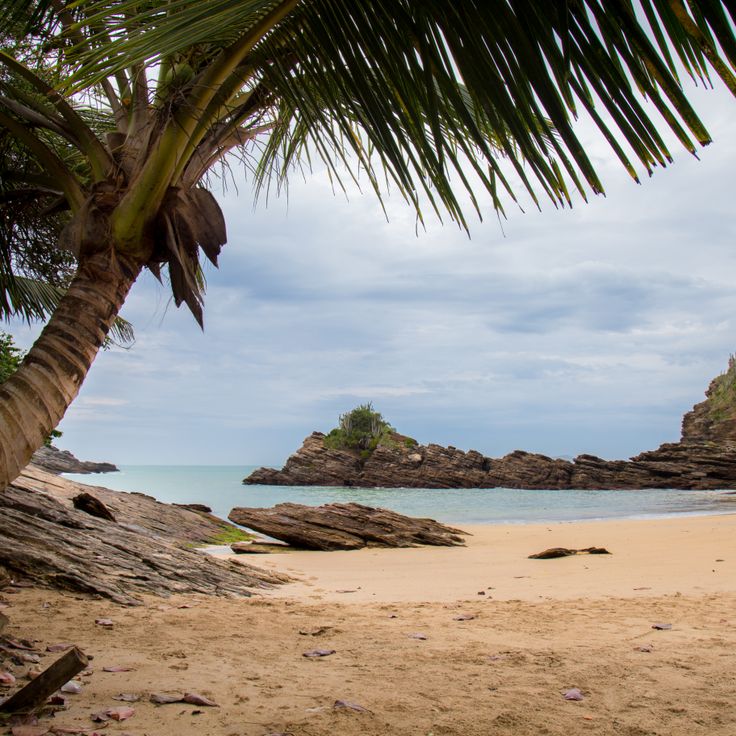
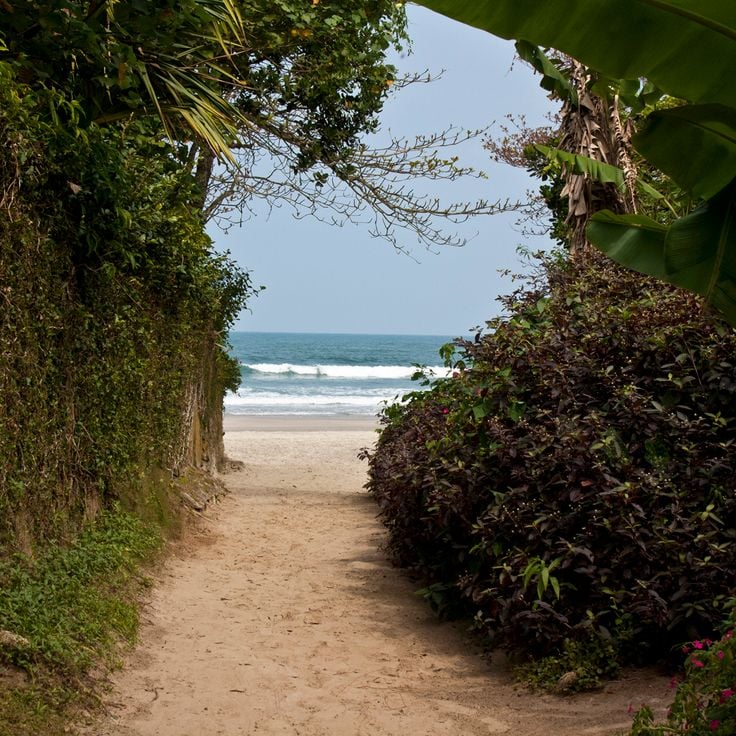
This beach lies 300 meters from the nearest road and is reachable only by a forest path or by boat. The water remains calm and clear, as the surrounding hills shelter it from the open sea. Locals come here to swim or snorkel, and the path through the forest offers shade and a view of the Atlantic. Along the shore, a few simple restaurants serve fish and drinks. The sand is light and fine, and the beach stays quieter than the large city beaches in the region, even during high season.
This beach runs for a mile and a half along the coast of Bahia. At low tide, natural pools form between the rocks, holding seawater and creating calm areas for wading. The clear water reflects the surroundings, which gives the place its name. Palms grow near the shore, and cliffs frame some sections. Access is by dirt roads through small villages.
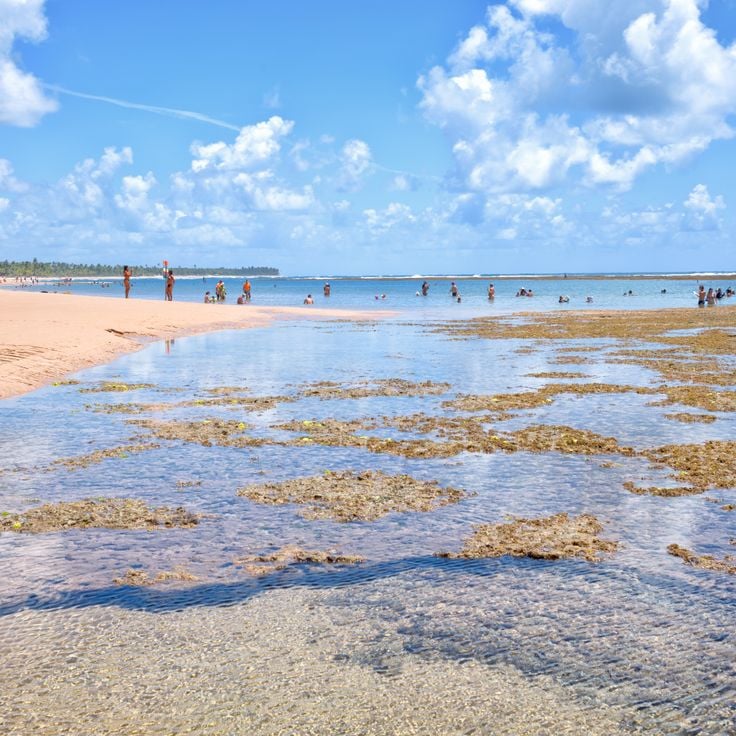
This beach sits between calm waters and reefs along the southern coast of Bahia. The reefs form natural pools with clear water where fish swim among corals. At low tide, shallow areas appear for observing small marine life. The setting is tropical with palm trees and minimal development. Access is by sandy paths through vegetation.
This beach looks out toward Campeche Island, which rises from the water just offshore. The seawater shifts between shades of blue, from pale turquoise near the sand to deeper blue farther out. The sand is light and fine, and the waves roll in steadily, making the beach popular for swimming and surfing. Locals and visitors come here to walk along the shore, to sunbathe, and to enjoy the open horizon. The island in the distance is a familiar landmark, visible from many points along the beach. Palm trees and low vegetation line parts of the shore, and the climate stays warm throughout the year.
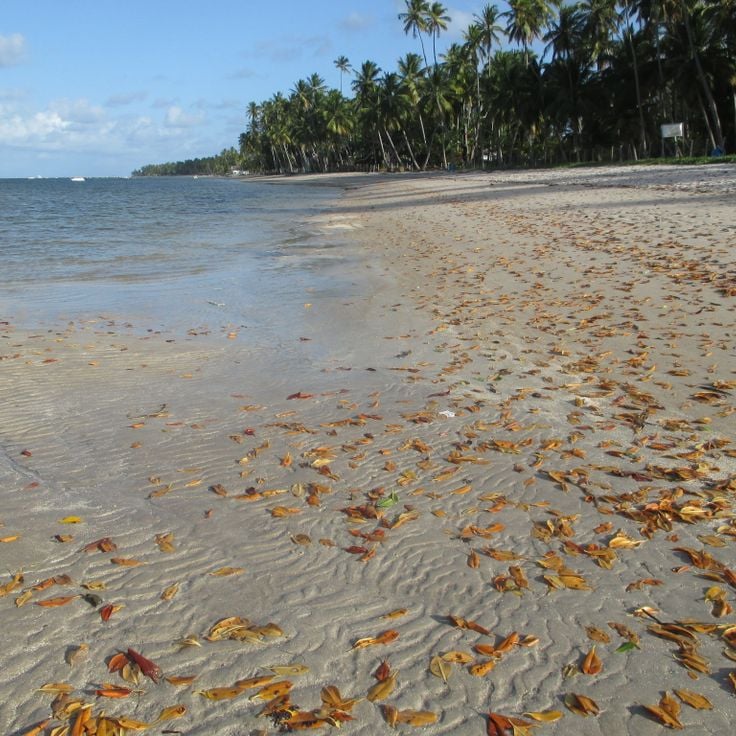
This beach stretches along the Pernambuco coast and shows calm, shallow water with gentle waves. A small 18th-century chapel stands near the shore, surrounded by palm trees and light sand. The sea remains shallow for a long distance, inviting wading and swimming. Fishermen moor their boats here, and visitors come to bathe or walk along the waterline. The beach is lined with natural vegetation, and the mood stays mostly quiet.
This beach sits in a bay south of the main town, where dolphins often swim along the shore. The area combines mangrove forest with stretches of sand. Surfers come for the waves, while others stay in the shallow water. A path leads through the forest down to the coast. The water is warm, and at low tide, natural pools form among the rocks.
This beach stretches along the western coast of Ilha Grande with fine white sand and waves that work well for swimming and surfing. The water is clear and the surf is consistent. Palm trees line the shore, and dense rainforest sits behind it. Access is on foot or by boat. The current can shift depending on tides, but it usually stays moderate. This stretch of coast is among the better known beaches on the island and attracts surfers in particular.
This beach stretches along the coast with warm, shallow water and coral reefs close to shore. Palm trees grow along the sand. Praia do Toque is one of the calm coastal sections in northeastern Brazil, where the water stays clear and suits swimming well. The reefs form natural pools at low tide.
This beach lies in a forested valley along the Ubatuba coast and draws many surfers. The ocean often brings high waves and strong currents. Dense rainforest reaches close to the water, birds call from the trees. Fishermen head out early in the morning. Praia de Itamambuca is less developed than other beaches in the area and offers room for long walks on the sand.
This beach has red sand and shallow water that extends far into the sea. Mangrove forests grow at both ends, giving the place a tropical appearance. Praia dos Nativos sits quietly between nature and is a spot where visitors come to relax and enjoy the warm water along Brazil's coast.
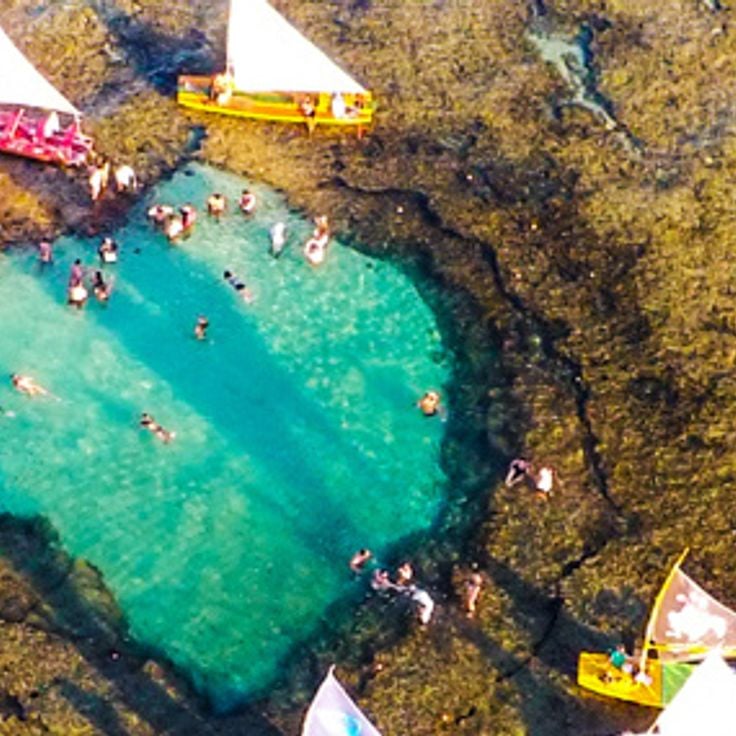
This beach is known for its natural pools that form on the coral reefs offshore. When the tide goes out, seawater remains trapped in the depressions of the reefs, turning them into shallow, warm pools. Small fish swim between the corals, starfish rest on the sandy bottom. The water is clear enough to observe the life beneath the surface. The reefs lie a few hundred meters from the shore and are reached by small boats when the sea is calm.
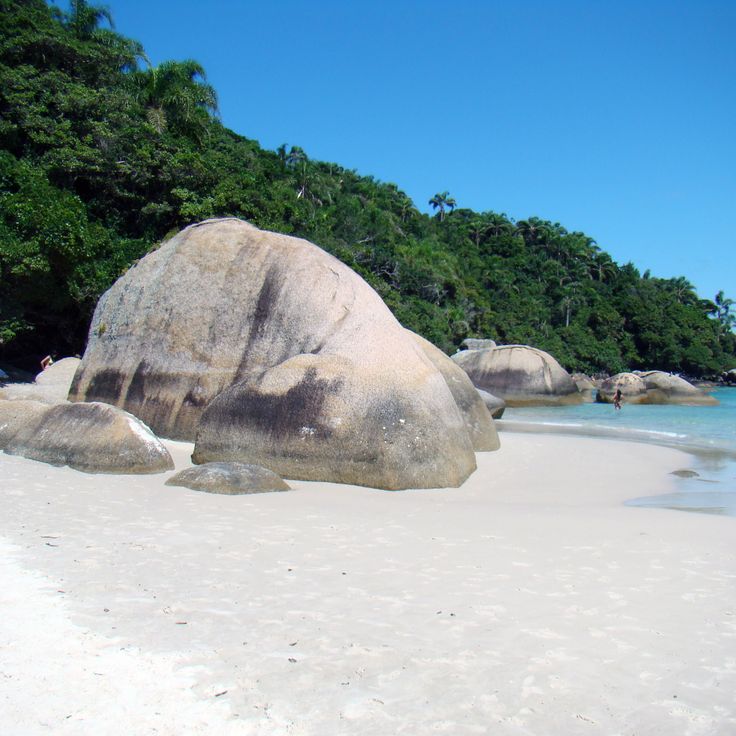
This beach brings together ocean and freshwater in a natural bay framed by granite rocks. The path winds through 800 meters of forest before opening to the lagoon. The rocks form a sheltered area where water collects quietly. Dense greenery reaches down to the sand, and the setting remains calm thanks to the walk-in access. Visitors find one of the less crowded coastal spots in Rio de Janeiro, where tropical forest meets the Atlantic shore directly.
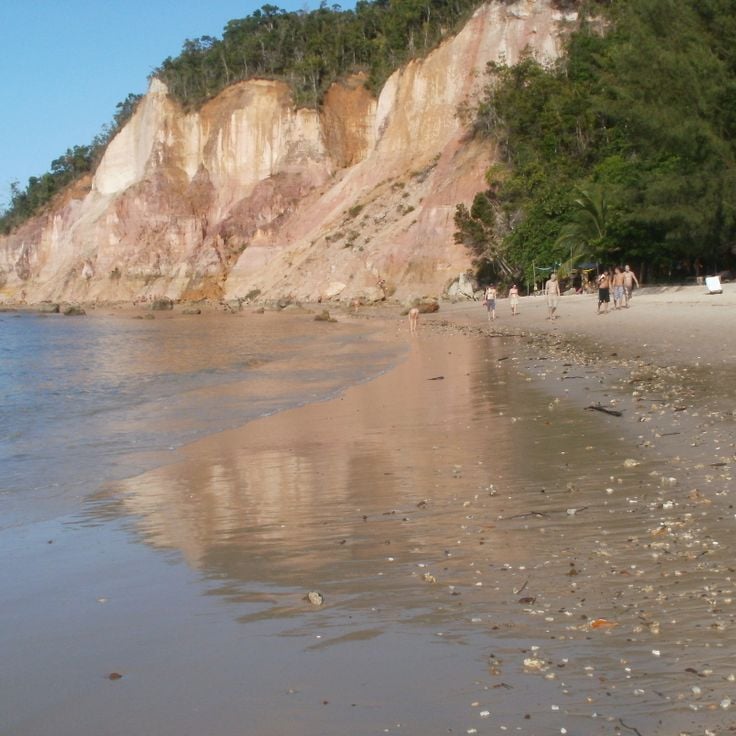
This beach runs along red cliffs that rise from the shoreline and give the place its character. Rock carvings of a moon and star appear on the walls, marking the area for many years. Simple paths lead down to the sand, where fishermen launch their boats and visitors swim in shallow water. The color of the cliffs shifts with the light of day, from pale orange in the morning to deep red in the afternoon. Wind continues to shape the landscape, creating new forms over time.
This beach in Ceará stretches for roughly 20 kilometers along the coast and benefits from steady winds between 15 and 25 knots, making it a popular destination for kitesurfers. The shallow water and soft sand attract athletes from many countries, while small lodges and restaurants along the dunes maintain a relaxed atmosphere.
This beach sits in a remote bay and can be reached through a two-hour drive by 4x4 vehicle or by boat from Ilhabela. Praia dos Castelhanos belongs to the protected coastal areas in southeastern Brazil, where dense rainforest grows down to the shoreline. The access route crosses unpaved roads through forested hills or comes from the water. Sandy stretches alternate with rock formations along the shore, while the sea may be calm or rough depending on weather conditions. The surroundings remain largely untouched since no hotels or shops stand nearby.
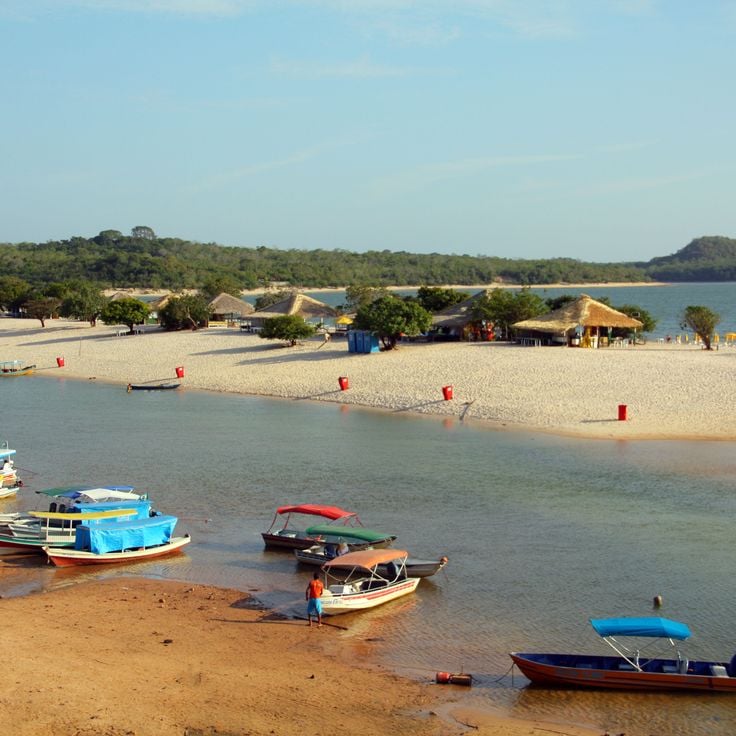
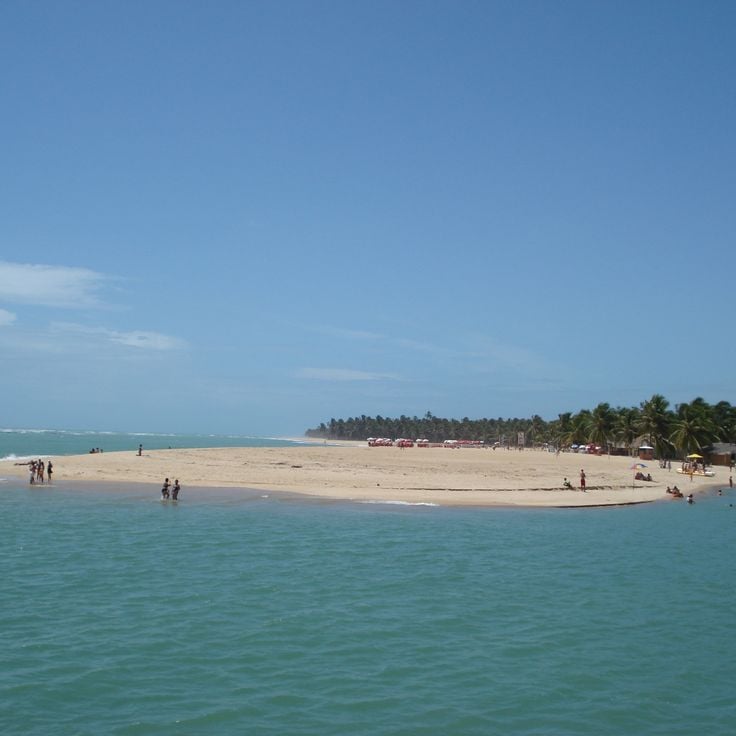
This river beach along the Tapajós offers white sand and water that changes color with the seasons. Palms and trees from the Amazon region line the shore. Sandbars emerge when the water level drops, stretching into the river. Locals come here to swim and have picnics. Small wooden boats rest on the sand or carry visitors to other spots along the river.
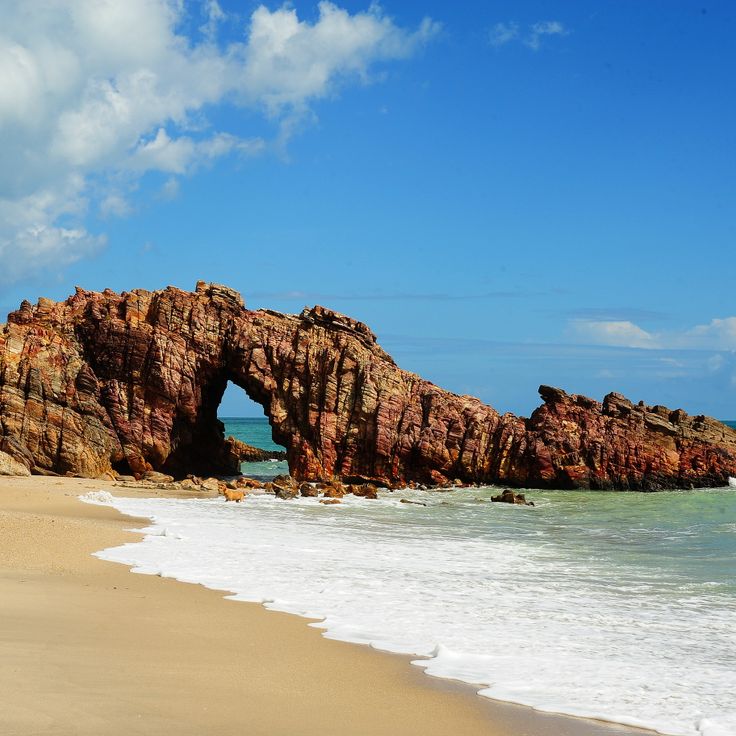
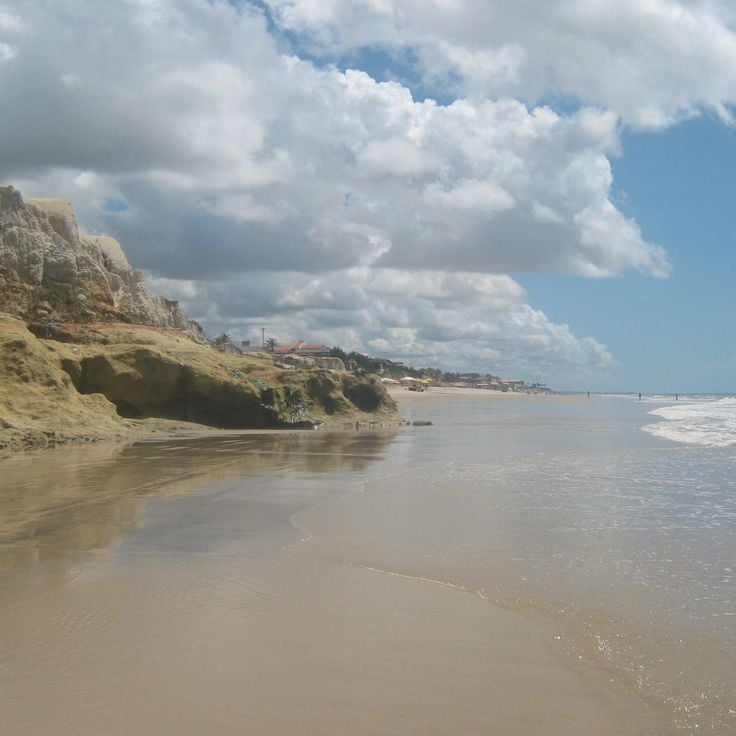
This beach in Ceará sits along the Atlantic coast and shows sandstone cliffs colored in shades of red and yellow. Freshwater springs emerge from the rocks, providing cool water between the sand and the sea. The rock formations create caves and alcoves that become visible at low tide. The water is warm, and the shoreline is backed by palm trees and low vegetation. The area is part of the less densely populated stretches of the Brazilian coast, where small fishing villages and simple accommodations can be found.
This beach lies between forested mountains and the Atlantic rainforest. Access follows a trail of roughly 4 miles (6 kilometers) through dense forest. The sea is calm, the water clear. The surroundings are green and lightly developed, with a few small guesthouses for visitors. The place draws people looking for quiet away from the main beaches.
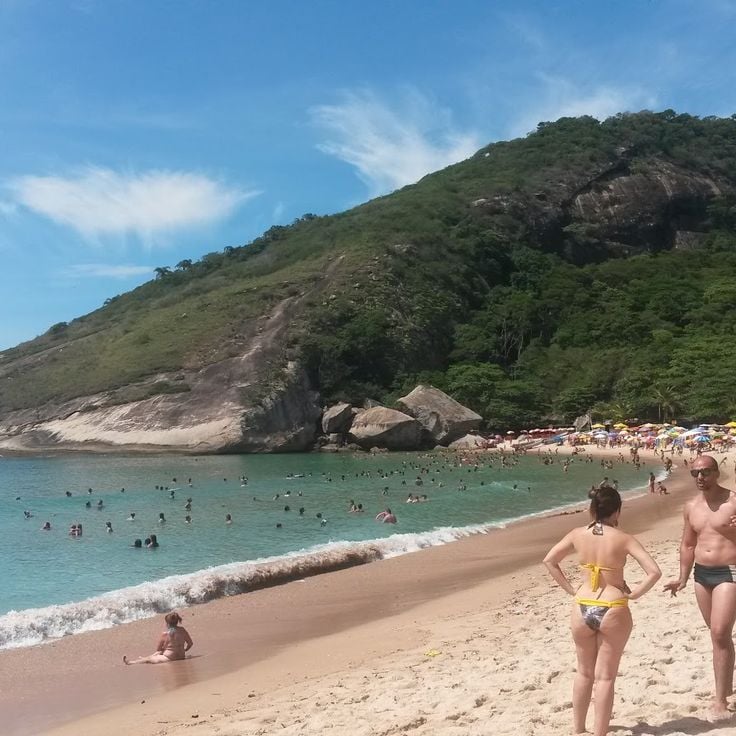
This beach lies between rock formations on the western edge of Rio de Janeiro, part of the longer Atlantic coastline that includes both busy and quiet sections. Grumari curves along a bay where rainforest comes down almost to the sand. The water is often clear, with gentle to moderate waves that draw surfers. Access is by a winding road through forested hills. Facilities are minimal: a few simple kiosks serve drinks and grilled fish. The surrounding area is protected, so there are no buildings beyond the beach shacks, and the vegetation feels untouched. On weekends, families drive out from the city; during the week, it stays quiet. The sand is pale and fine, the sea shifts between shades of green and blue.
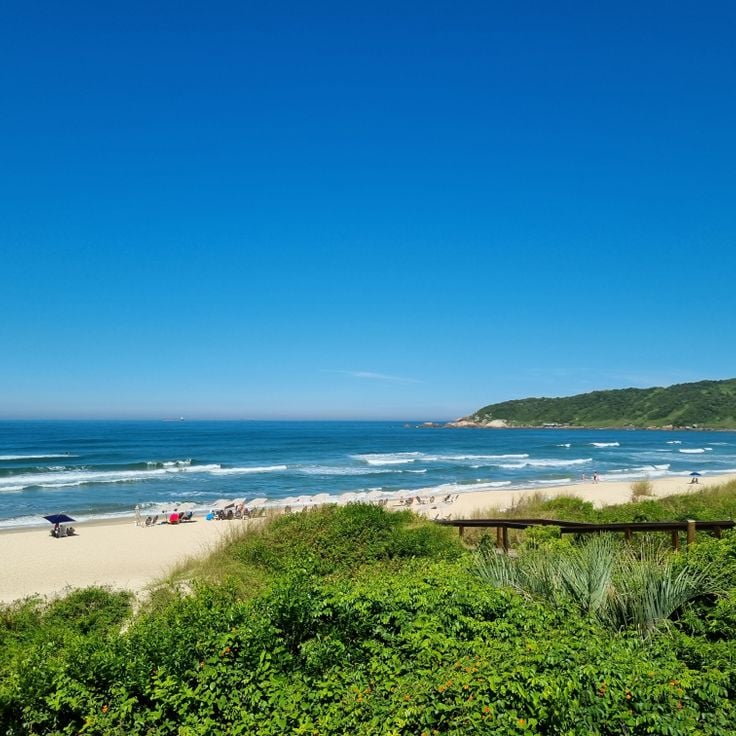
This beach sits within a World Surfing Reserve and attracts wave riders of different skill levels. The ocean delivers consistent waves that work for beginners and advanced surfers alike. The surroundings include vegetation, and access often involves crossing a small river mouth. Surf schools and rentals are available nearby, and local fishermen share the area with visitors.
Praia do Bonete is a remote beach in São Paulo accessible only by hiking trails or boat rides across the sea, with no road access. This beach exemplifies Brazil's diverse coastline, which stretches over 7,400 kilometers and features everything from coral reefs to rainforest paths. The beach shows how varied Brazil's shores can be, ranging from urban beaches with high energy to sheltered bays shaped by marine life and remote stretches surrounded by Amazon vegetation.
This island off the coast of Bahia draws travelers who want to leave the everyday behind. The beaches near Morro de São Paulo differ in water depth, sand color, and the way people use them. Some coves have calm, shallow water, others feel more open to the sea. Palms line the shore, small paths connect the sections. Local fishermen bring their boats to land in the morning, in the afternoon visitors sit in the shade and watch the activity. The island has no paved roads, you move on foot or by boat. In the evening calm returns, the sound of the waves becomes audible again.
This beach sits between forested hills and is framed by rock formations. The sea here is warm and clear. Access is through a steep staircase that descends through the forest. On some days the surf is strong, on others the water is calm enough for swimming. The bay is small and protected by the green vegetation of the slopes.
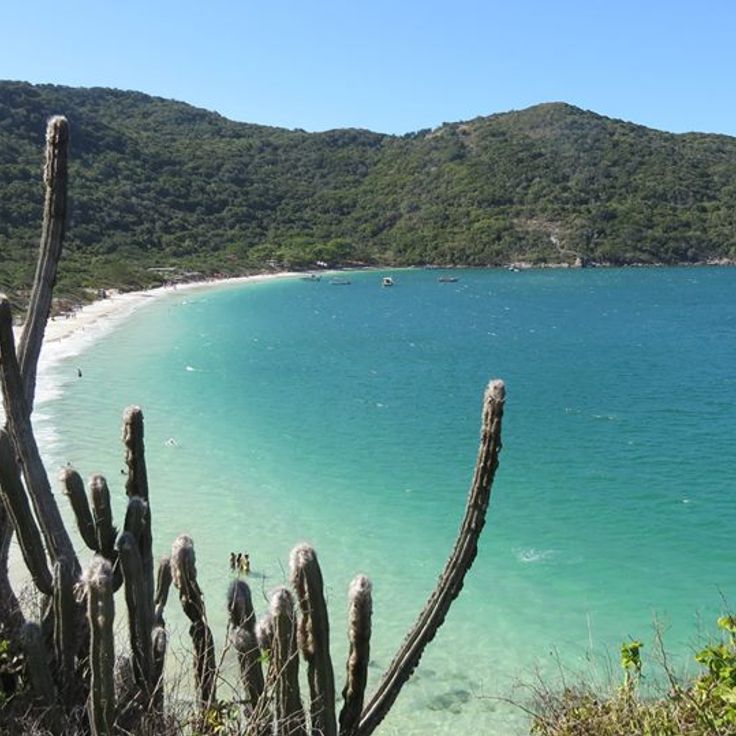
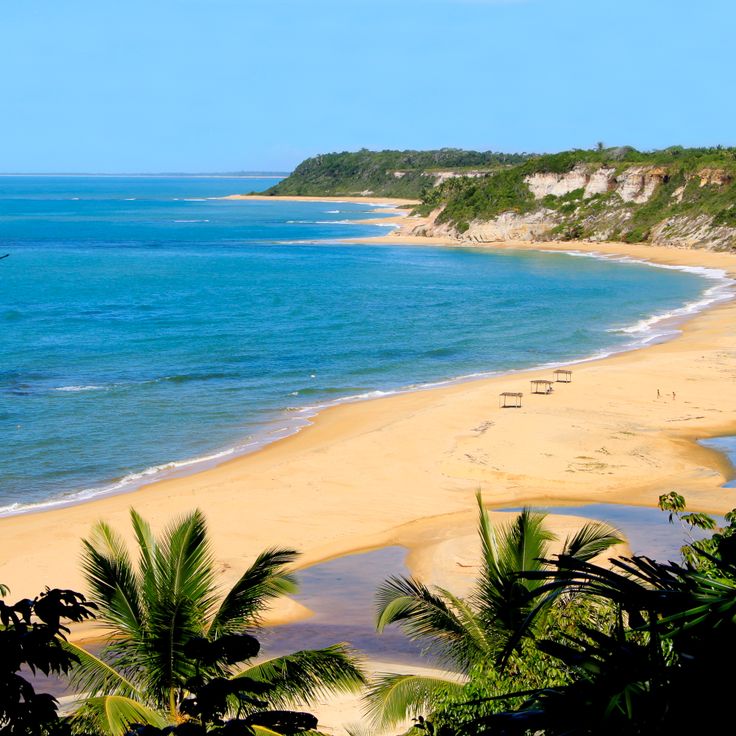
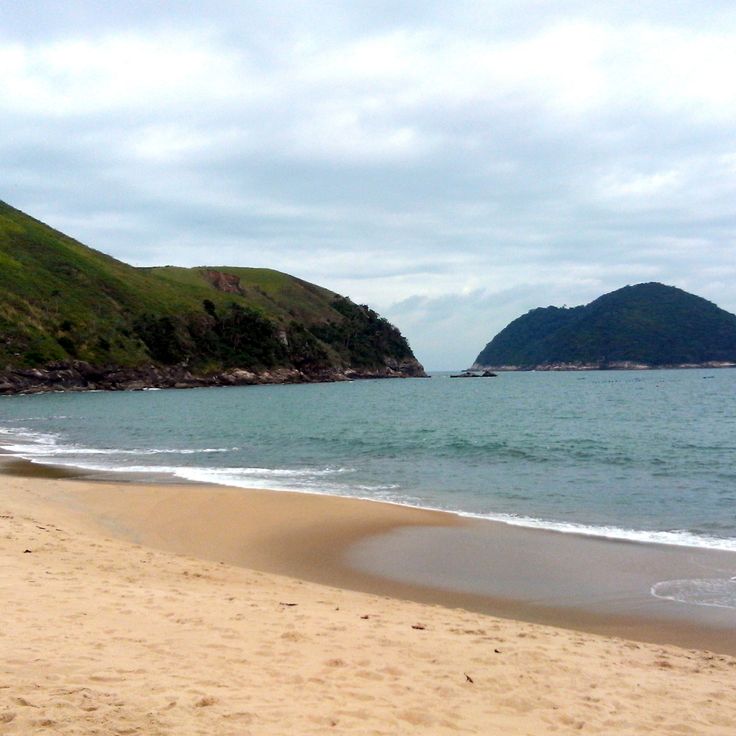
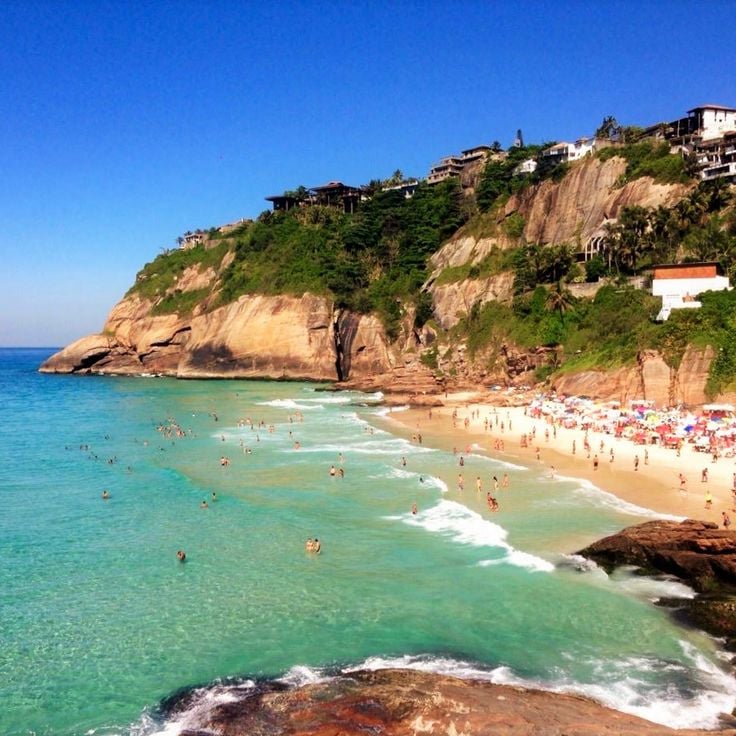
This beach sits in a protected bay along the coast of Rio de Janeiro. The water is clear enough to see the sandy floor below. The crescent shape of the bay limits its length to around 300 meters (about 985 feet). The surroundings provide shelter from stronger waves, which makes swimming and snorkeling easier. Green hills frame the bay. Locals come here to enjoy the calmer conditions, especially when other beaches in the area face stronger winds.
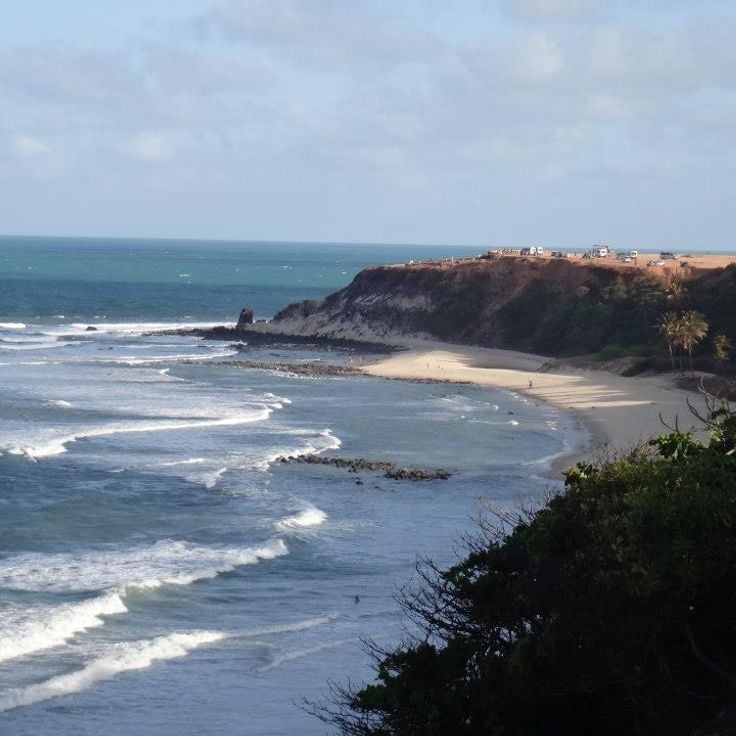
This beach in Rio Grande do Norte sits between rock formations on either side. The water brings steady waves that draw surfers throughout the year. Sand stretches between the natural stone barriers, and the shoreline follows a gentle curve. Waves break with regular force, making the place popular with surfers of different levels. The rock formations create small coves and tide pools when the water recedes. Praia do Amor forms part of Brazil's Rio Grande do Norte coast, where beaches often alternate between cliffs and calmer sections, and where the Atlantic meets sandy shores backed by coastal vegetation.
This bay lies in a part of the Brazilian coast where rainforest reaches down to the shore. The sand is white, the water clean. Praia da Baleia stretches for two kilometers, surrounded by thick vegetation and rocky rises on either side. A few guesthouses and restaurants sit nearby. The beach attracts locals and visitors who swim, walk, or sit in the sun. Mornings are quieter, afternoons bring more people. Access is by a road that runs through forest.
This beach sits in a bay below an 18th-century Portuguese fort and offers calm water and pale sand. The sheltered position makes swimming easy, and colonial buildings form the backdrop. Palm trees grow along the shore, and fishermen arrive in the early morning. The water stays shallow for several meters, and families often use the beach for longer stays. Being close to the main village means restaurants and small shops are within walking distance.
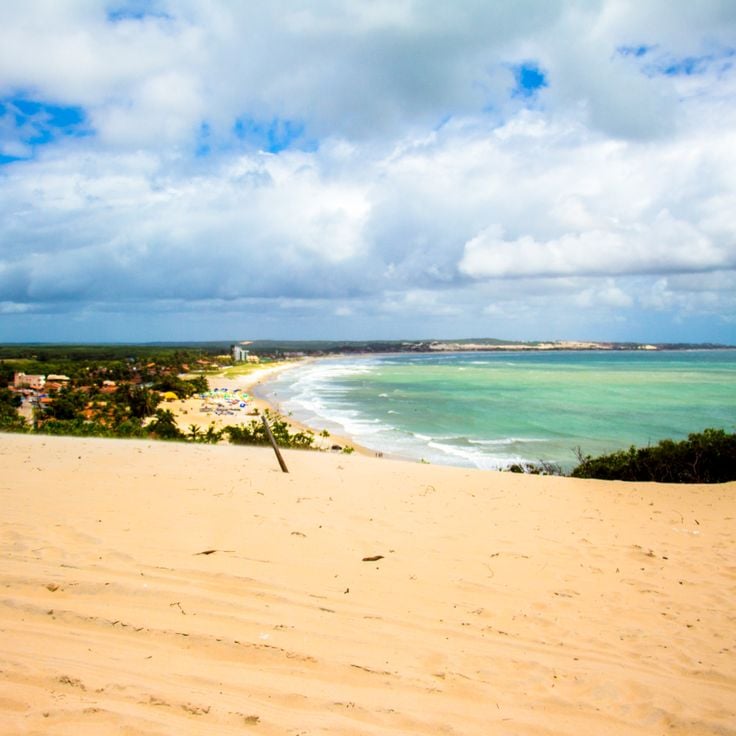
This beach in the northeast sits at the edge of a dune landscape that rises up to 30 meters above sea level. The sand-colored hills form a natural backdrop to the coast and turn the area into an open, almost bare stretch where wind constantly reshapes the surface. Between the dunes, a lagoon fills with fresh water fed by tides and rain. People drive dune buggies over the sand, slide down the slopes on boards, or paddle across the calm water of the lagoon. The beach itself is wide and bright, with palm trees growing at the edge of the dunes. Cambaúba is nearby and you often hear the sound of engines while the sun casts warm light over the entire terrain.
This beach sits between red cliffs that rise about 20 meters, with a freshwater lake and a grove of around 2000 coconut palms. Praia de Gunga offers a contrast between the ocean and the calm water of the lake, while the cliffs form a natural backdrop. The coconut trees provide shade, and the sand stretches along the coast. The area is quiet and draws visitors who appreciate the combination of different landscape elements.
This beach runs for 8 kilometers and offers about 150 restaurants in wooden huts, known for grilled shrimp and fish dishes. Praia do Futuro sits on the coast of Ceará and connects the open sea with local food culture. The huts stand right on the sand and are visited by locals and travelers who come to enjoy fresh seafood. The wind is often strong and the waves high. Many people come for the day to eat, swim, and feel the ocean breeze.
This beach runs along the Atlantic coast in Rio de Janeiro and stands as one of the most recognized urban beaches in Brazil. The waterfront promenade runs parallel to the sand, lined with palm trees and mosaic patterns on the walkway. Sports courts for volleyball and soccer are distributed along the entire length, where locals and visitors play throughout the year. The waves attract swimmers and surfers, while the adjacent streets are filled with bars, restaurants, and hotels.
This coastal section stretches for 2 kilometers and offers fine sand that spreads between the residential buildings and restaurants of Rio de Janeiro. The sea has shifting currents that sometimes make swimming difficult. Palm trees line the promenade, and forested peaks rise on the horizon. Locals play beach volleyball and soccer on the sand, while street vendors sell drinks and snacks. The waves attract surfers, and in the late afternoon people gather along the shore to watch the sunset.
This beach sits between tall cliffs that rise up to 300 meters above the water. The sea is calm and clear, and sea turtles, colorful fish and corals live in the waters off the shore. You reach Praia do Sancho by a metal stairway that descends through a gap in the rock. The shore is covered with fine sand, and the cliffs form natural pools in some places. The cliffs and surrounding green shield the beach from wind and create a sheltered bay where the water often remains very still.
This beach on Brazil's northeast coast draws windsurfers and kitesurfers who come for the steady breeze and open water. Jericoacoara Beach sits among sand dunes and palm trees, with water that stays fairly calm even when the wind picks up. The dunes rise high enough to climb for views over the ocean. The nearby village has grown into a spot where travelers spend days on the sand and evenings in bars and restaurants.
This beach attracts surfers with steady waves and wide dunes. The sea becomes a migration route for southern right whales between July and November, swimming close to shore. Fishing boats share the bay with swimmers. The waves break evenly, and the water stays cool. Mornings often bring sightings of whales breathing at the surface. The sand is light and firm. Small restaurants line the access road. Evenings are quiet. Praia do Rosa is among the few places on Brazil's coast where whales approach the shore so closely.
This beach in Pernambuco lies among reefs and natural tidal pools where small fish swim between coral formations. The water in the shallow pools reaches 84 degrees Fahrenheit (28 degrees Celsius). Palm trees grow close to the sandy shore, which opens wider toward the sea at low tide. Fishermen bring their boats to land in the morning. The reefs protect the shallow water near the beach and create calm areas for swimming.
This beach lies 300 meters from the nearest road and is reachable only by a forest path or by boat. The water remains calm and clear, as the surrounding hills shelter it from the open sea. Locals come here to swim or snorkel, and the path through the forest offers shade and a view of the Atlantic. Along the shore, a few simple restaurants serve fish and drinks. The sand is light and fine, and the beach stays quieter than the large city beaches in the region, even during high season.
This beach runs for a mile and a half along the coast of Bahia. At low tide, natural pools form between the rocks, holding seawater and creating calm areas for wading. The clear water reflects the surroundings, which gives the place its name. Palms grow near the shore, and cliffs frame some sections. Access is by dirt roads through small villages.
This beach sits between calm waters and reefs along the southern coast of Bahia. The reefs form natural pools with clear water where fish swim among corals. At low tide, shallow areas appear for observing small marine life. The setting is tropical with palm trees and minimal development. Access is by sandy paths through vegetation.
This beach looks out toward Campeche Island, which rises from the water just offshore. The seawater shifts between shades of blue, from pale turquoise near the sand to deeper blue farther out. The sand is light and fine, and the waves roll in steadily, making the beach popular for swimming and surfing. Locals and visitors come here to walk along the shore, to sunbathe, and to enjoy the open horizon. The island in the distance is a familiar landmark, visible from many points along the beach. Palm trees and low vegetation line parts of the shore, and the climate stays warm throughout the year.
This beach stretches along the Pernambuco coast and shows calm, shallow water with gentle waves. A small 18th-century chapel stands near the shore, surrounded by palm trees and light sand. The sea remains shallow for a long distance, inviting wading and swimming. Fishermen moor their boats here, and visitors come to bathe or walk along the waterline. The beach is lined with natural vegetation, and the mood stays mostly quiet.
This beach sits in a bay south of the main town, where dolphins often swim along the shore. The area combines mangrove forest with stretches of sand. Surfers come for the waves, while others stay in the shallow water. A path leads through the forest down to the coast. The water is warm, and at low tide, natural pools form among the rocks.
This beach stretches along the western coast of Ilha Grande with fine white sand and waves that work well for swimming and surfing. The water is clear and the surf is consistent. Palm trees line the shore, and dense rainforest sits behind it. Access is on foot or by boat. The current can shift depending on tides, but it usually stays moderate. This stretch of coast is among the better known beaches on the island and attracts surfers in particular.
This beach stretches along the coast with warm, shallow water and coral reefs close to shore. Palm trees grow along the sand. Praia do Toque is one of the calm coastal sections in northeastern Brazil, where the water stays clear and suits swimming well. The reefs form natural pools at low tide.
This beach lies in a forested valley along the Ubatuba coast and draws many surfers. The ocean often brings high waves and strong currents. Dense rainforest reaches close to the water, birds call from the trees. Fishermen head out early in the morning. Praia de Itamambuca is less developed than other beaches in the area and offers room for long walks on the sand.
This beach has red sand and shallow water that extends far into the sea. Mangrove forests grow at both ends, giving the place a tropical appearance. Praia dos Nativos sits quietly between nature and is a spot where visitors come to relax and enjoy the warm water along Brazil's coast.
This beach is known for its natural pools that form on the coral reefs offshore. When the tide goes out, seawater remains trapped in the depressions of the reefs, turning them into shallow, warm pools. Small fish swim between the corals, starfish rest on the sandy bottom. The water is clear enough to observe the life beneath the surface. The reefs lie a few hundred meters from the shore and are reached by small boats when the sea is calm.
This beach brings together ocean and freshwater in a natural bay framed by granite rocks. The path winds through 800 meters of forest before opening to the lagoon. The rocks form a sheltered area where water collects quietly. Dense greenery reaches down to the sand, and the setting remains calm thanks to the walk-in access. Visitors find one of the less crowded coastal spots in Rio de Janeiro, where tropical forest meets the Atlantic shore directly.
This beach runs along red cliffs that rise from the shoreline and give the place its character. Rock carvings of a moon and star appear on the walls, marking the area for many years. Simple paths lead down to the sand, where fishermen launch their boats and visitors swim in shallow water. The color of the cliffs shifts with the light of day, from pale orange in the morning to deep red in the afternoon. Wind continues to shape the landscape, creating new forms over time.
This beach in Ceará stretches for roughly 20 kilometers along the coast and benefits from steady winds between 15 and 25 knots, making it a popular destination for kitesurfers. The shallow water and soft sand attract athletes from many countries, while small lodges and restaurants along the dunes maintain a relaxed atmosphere.
This beach sits in a remote bay and can be reached through a two-hour drive by 4x4 vehicle or by boat from Ilhabela. Praia dos Castelhanos belongs to the protected coastal areas in southeastern Brazil, where dense rainforest grows down to the shoreline. The access route crosses unpaved roads through forested hills or comes from the water. Sandy stretches alternate with rock formations along the shore, while the sea may be calm or rough depending on weather conditions. The surroundings remain largely untouched since no hotels or shops stand nearby.
This river beach along the Tapajós offers white sand and water that changes color with the seasons. Palms and trees from the Amazon region line the shore. Sandbars emerge when the water level drops, stretching into the river. Locals come here to swim and have picnics. Small wooden boats rest on the sand or carry visitors to other spots along the river.
This beach in Ceará sits along the Atlantic coast and shows sandstone cliffs colored in shades of red and yellow. Freshwater springs emerge from the rocks, providing cool water between the sand and the sea. The rock formations create caves and alcoves that become visible at low tide. The water is warm, and the shoreline is backed by palm trees and low vegetation. The area is part of the less densely populated stretches of the Brazilian coast, where small fishing villages and simple accommodations can be found.
This beach lies between forested mountains and the Atlantic rainforest. Access follows a trail of roughly 4 miles (6 kilometers) through dense forest. The sea is calm, the water clear. The surroundings are green and lightly developed, with a few small guesthouses for visitors. The place draws people looking for quiet away from the main beaches.
This beach lies between rock formations on the western edge of Rio de Janeiro, part of the longer Atlantic coastline that includes both busy and quiet sections. Grumari curves along a bay where rainforest comes down almost to the sand. The water is often clear, with gentle to moderate waves that draw surfers. Access is by a winding road through forested hills. Facilities are minimal: a few simple kiosks serve drinks and grilled fish. The surrounding area is protected, so there are no buildings beyond the beach shacks, and the vegetation feels untouched. On weekends, families drive out from the city; during the week, it stays quiet. The sand is pale and fine, the sea shifts between shades of green and blue.
This beach sits within a World Surfing Reserve and attracts wave riders of different skill levels. The ocean delivers consistent waves that work for beginners and advanced surfers alike. The surroundings include vegetation, and access often involves crossing a small river mouth. Surf schools and rentals are available nearby, and local fishermen share the area with visitors.
Praia do Bonete is a remote beach in São Paulo accessible only by hiking trails or boat rides across the sea, with no road access. This beach exemplifies Brazil's diverse coastline, which stretches over 7,400 kilometers and features everything from coral reefs to rainforest paths. The beach shows how varied Brazil's shores can be, ranging from urban beaches with high energy to sheltered bays shaped by marine life and remote stretches surrounded by Amazon vegetation.
This island off the coast of Bahia draws travelers who want to leave the everyday behind. The beaches near Morro de São Paulo differ in water depth, sand color, and the way people use them. Some coves have calm, shallow water, others feel more open to the sea. Palms line the shore, small paths connect the sections. Local fishermen bring their boats to land in the morning, in the afternoon visitors sit in the shade and watch the activity. The island has no paved roads, you move on foot or by boat. In the evening calm returns, the sound of the waves becomes audible again.
This beach sits between forested hills and is framed by rock formations. The sea here is warm and clear. Access is through a steep staircase that descends through the forest. On some days the surf is strong, on others the water is calm enough for swimming. The bay is small and protected by the green vegetation of the slopes.
This beach sits in a protected bay along the coast of Rio de Janeiro. The water is clear enough to see the sandy floor below. The crescent shape of the bay limits its length to around 300 meters (about 985 feet). The surroundings provide shelter from stronger waves, which makes swimming and snorkeling easier. Green hills frame the bay. Locals come here to enjoy the calmer conditions, especially when other beaches in the area face stronger winds.
This beach in Rio Grande do Norte sits between rock formations on either side. The water brings steady waves that draw surfers throughout the year. Sand stretches between the natural stone barriers, and the shoreline follows a gentle curve. Waves break with regular force, making the place popular with surfers of different levels. The rock formations create small coves and tide pools when the water recedes. Praia do Amor forms part of Brazil's Rio Grande do Norte coast, where beaches often alternate between cliffs and calmer sections, and where the Atlantic meets sandy shores backed by coastal vegetation.
This bay lies in a part of the Brazilian coast where rainforest reaches down to the shore. The sand is white, the water clean. Praia da Baleia stretches for two kilometers, surrounded by thick vegetation and rocky rises on either side. A few guesthouses and restaurants sit nearby. The beach attracts locals and visitors who swim, walk, or sit in the sun. Mornings are quieter, afternoons bring more people. Access is by a road that runs through forest.
This beach sits in a bay below an 18th-century Portuguese fort and offers calm water and pale sand. The sheltered position makes swimming easy, and colonial buildings form the backdrop. Palm trees grow along the shore, and fishermen arrive in the early morning. The water stays shallow for several meters, and families often use the beach for longer stays. Being close to the main village means restaurants and small shops are within walking distance.
This beach in the northeast sits at the edge of a dune landscape that rises up to 30 meters above sea level. The sand-colored hills form a natural backdrop to the coast and turn the area into an open, almost bare stretch where wind constantly reshapes the surface. Between the dunes, a lagoon fills with fresh water fed by tides and rain. People drive dune buggies over the sand, slide down the slopes on boards, or paddle across the calm water of the lagoon. The beach itself is wide and bright, with palm trees growing at the edge of the dunes. Cambaúba is nearby and you often hear the sound of engines while the sun casts warm light over the entire terrain.
This beach sits between red cliffs that rise about 20 meters, with a freshwater lake and a grove of around 2000 coconut palms. Praia de Gunga offers a contrast between the ocean and the calm water of the lake, while the cliffs form a natural backdrop. The coconut trees provide shade, and the sand stretches along the coast. The area is quiet and draws visitors who appreciate the combination of different landscape elements.
This beach runs for 8 kilometers and offers about 150 restaurants in wooden huts, known for grilled shrimp and fish dishes. Praia do Futuro sits on the coast of Ceará and connects the open sea with local food culture. The huts stand right on the sand and are visited by locals and travelers who come to enjoy fresh seafood. The wind is often strong and the waves high. Many people come for the day to eat, swim, and feel the ocean breeze.
This beach runs along the Atlantic coast in Rio de Janeiro and stands as one of the most recognized urban beaches in Brazil. The waterfront promenade runs parallel to the sand, lined with palm trees and mosaic patterns on the walkway. Sports courts for volleyball and soccer are distributed along the entire length, where locals and visitors play throughout the year. The waves attract swimmers and surfers, while the adjacent streets are filled with bars, restaurants, and hotels.
This coastal section stretches for 2 kilometers and offers fine sand that spreads between the residential buildings and restaurants of Rio de Janeiro. The sea has shifting currents that sometimes make swimming difficult. Palm trees line the promenade, and forested peaks rise on the horizon. Locals play beach volleyball and soccer on the sand, while street vendors sell drinks and snacks. The waves attract surfers, and in the late afternoon people gather along the shore to watch the sunset.
This beach sits between tall cliffs that rise up to 300 meters above the water. The sea is calm and clear, and sea turtles, colorful fish and corals live in the waters off the shore. You reach Praia do Sancho by a metal stairway that descends through a gap in the rock. The shore is covered with fine sand, and the cliffs form natural pools in some places. The cliffs and surrounding green shield the beach from wind and create a sheltered bay where the water often remains very still.
This beach on Brazil's northeast coast draws windsurfers and kitesurfers who come for the steady breeze and open water. Jericoacoara Beach sits among sand dunes and palm trees, with water that stays fairly calm even when the wind picks up. The dunes rise high enough to climb for views over the ocean. The nearby village has grown into a spot where travelers spend days on the sand and evenings in bars and restaurants.
This beach attracts surfers with steady waves and wide dunes. The sea becomes a migration route for southern right whales between July and November, swimming close to shore. Fishing boats share the bay with swimmers. The waves break evenly, and the water stays cool. Mornings often bring sightings of whales breathing at the surface. The sand is light and firm. Small restaurants line the access road. Evenings are quiet. Praia do Rosa is among the few places on Brazil's coast where whales approach the shore so closely.
This beach in Pernambuco lies among reefs and natural tidal pools where small fish swim between coral formations. The water in the shallow pools reaches 84 degrees Fahrenheit (28 degrees Celsius). Palm trees grow close to the sandy shore, which opens wider toward the sea at low tide. Fishermen bring their boats to land in the morning. The reefs protect the shallow water near the beach and create calm areas for swimming.
This beach lies 300 meters from the nearest road and is reachable only by a forest path or by boat. The water remains calm and clear, as the surrounding hills shelter it from the open sea. Locals come here to swim or snorkel, and the path through the forest offers shade and a view of the Atlantic. Along the shore, a few simple restaurants serve fish and drinks. The sand is light and fine, and the beach stays quieter than the large city beaches in the region, even during high season.
This beach runs for a mile and a half along the coast of Bahia. At low tide, natural pools form between the rocks, holding seawater and creating calm areas for wading. The clear water reflects the surroundings, which gives the place its name. Palms grow near the shore, and cliffs frame some sections. Access is by dirt roads through small villages.
This beach sits between calm waters and reefs along the southern coast of Bahia. The reefs form natural pools with clear water where fish swim among corals. At low tide, shallow areas appear for observing small marine life. The setting is tropical with palm trees and minimal development. Access is by sandy paths through vegetation.
This beach looks out toward Campeche Island, which rises from the water just offshore. The seawater shifts between shades of blue, from pale turquoise near the sand to deeper blue farther out. The sand is light and fine, and the waves roll in steadily, making the beach popular for swimming and surfing. Locals and visitors come here to walk along the shore, to sunbathe, and to enjoy the open horizon. The island in the distance is a familiar landmark, visible from many points along the beach. Palm trees and low vegetation line parts of the shore, and the climate stays warm throughout the year.
This beach stretches along the Pernambuco coast and shows calm, shallow water with gentle waves. A small 18th-century chapel stands near the shore, surrounded by palm trees and light sand. The sea remains shallow for a long distance, inviting wading and swimming. Fishermen moor their boats here, and visitors come to bathe or walk along the waterline. The beach is lined with natural vegetation, and the mood stays mostly quiet.
This beach sits in a bay south of the main town, where dolphins often swim along the shore. The area combines mangrove forest with stretches of sand. Surfers come for the waves, while others stay in the shallow water. A path leads through the forest down to the coast. The water is warm, and at low tide, natural pools form among the rocks.
This beach stretches along the western coast of Ilha Grande with fine white sand and waves that work well for swimming and surfing. The water is clear and the surf is consistent. Palm trees line the shore, and dense rainforest sits behind it. Access is on foot or by boat. The current can shift depending on tides, but it usually stays moderate. This stretch of coast is among the better known beaches on the island and attracts surfers in particular.
This beach stretches along the coast with warm, shallow water and coral reefs close to shore. Palm trees grow along the sand. Praia do Toque is one of the calm coastal sections in northeastern Brazil, where the water stays clear and suits swimming well. The reefs form natural pools at low tide.
This beach lies in a forested valley along the Ubatuba coast and draws many surfers. The ocean often brings high waves and strong currents. Dense rainforest reaches close to the water, birds call from the trees. Fishermen head out early in the morning. Praia de Itamambuca is less developed than other beaches in the area and offers room for long walks on the sand.
This beach has red sand and shallow water that extends far into the sea. Mangrove forests grow at both ends, giving the place a tropical appearance. Praia dos Nativos sits quietly between nature and is a spot where visitors come to relax and enjoy the warm water along Brazil's coast.
This beach is known for its natural pools that form on the coral reefs offshore. When the tide goes out, seawater remains trapped in the depressions of the reefs, turning them into shallow, warm pools. Small fish swim between the corals, starfish rest on the sandy bottom. The water is clear enough to observe the life beneath the surface. The reefs lie a few hundred meters from the shore and are reached by small boats when the sea is calm.
This beach brings together ocean and freshwater in a natural bay framed by granite rocks. The path winds through 800 meters of forest before opening to the lagoon. The rocks form a sheltered area where water collects quietly. Dense greenery reaches down to the sand, and the setting remains calm thanks to the walk-in access. Visitors find one of the less crowded coastal spots in Rio de Janeiro, where tropical forest meets the Atlantic shore directly.
This beach runs along red cliffs that rise from the shoreline and give the place its character. Rock carvings of a moon and star appear on the walls, marking the area for many years. Simple paths lead down to the sand, where fishermen launch their boats and visitors swim in shallow water. The color of the cliffs shifts with the light of day, from pale orange in the morning to deep red in the afternoon. Wind continues to shape the landscape, creating new forms over time.
This beach in Ceará stretches for roughly 20 kilometers along the coast and benefits from steady winds between 15 and 25 knots, making it a popular destination for kitesurfers. The shallow water and soft sand attract athletes from many countries, while small lodges and restaurants along the dunes maintain a relaxed atmosphere.
This beach sits in a remote bay and can be reached through a two-hour drive by 4x4 vehicle or by boat from Ilhabela. Praia dos Castelhanos belongs to the protected coastal areas in southeastern Brazil, where dense rainforest grows down to the shoreline. The access route crosses unpaved roads through forested hills or comes from the water. Sandy stretches alternate with rock formations along the shore, while the sea may be calm or rough depending on weather conditions. The surroundings remain largely untouched since no hotels or shops stand nearby.
This river beach along the Tapajós offers white sand and water that changes color with the seasons. Palms and trees from the Amazon region line the shore. Sandbars emerge when the water level drops, stretching into the river. Locals come here to swim and have picnics. Small wooden boats rest on the sand or carry visitors to other spots along the river.
This beach in Ceará sits along the Atlantic coast and shows sandstone cliffs colored in shades of red and yellow. Freshwater springs emerge from the rocks, providing cool water between the sand and the sea. The rock formations create caves and alcoves that become visible at low tide. The water is warm, and the shoreline is backed by palm trees and low vegetation. The area is part of the less densely populated stretches of the Brazilian coast, where small fishing villages and simple accommodations can be found.
This beach lies between forested mountains and the Atlantic rainforest. Access follows a trail of roughly 4 miles (6 kilometers) through dense forest. The sea is calm, the water clear. The surroundings are green and lightly developed, with a few small guesthouses for visitors. The place draws people looking for quiet away from the main beaches.
This beach lies between rock formations on the western edge of Rio de Janeiro, part of the longer Atlantic coastline that includes both busy and quiet sections. Grumari curves along a bay where rainforest comes down almost to the sand. The water is often clear, with gentle to moderate waves that draw surfers. Access is by a winding road through forested hills. Facilities are minimal: a few simple kiosks serve drinks and grilled fish. The surrounding area is protected, so there are no buildings beyond the beach shacks, and the vegetation feels untouched. On weekends, families drive out from the city; during the week, it stays quiet. The sand is pale and fine, the sea shifts between shades of green and blue.
This beach sits within a World Surfing Reserve and attracts wave riders of different skill levels. The ocean delivers consistent waves that work for beginners and advanced surfers alike. The surroundings include vegetation, and access often involves crossing a small river mouth. Surf schools and rentals are available nearby, and local fishermen share the area with visitors.
Praia do Bonete is a remote beach in São Paulo accessible only by hiking trails or boat rides across the sea, with no road access. This beach exemplifies Brazil's diverse coastline, which stretches over 7,400 kilometers and features everything from coral reefs to rainforest paths. The beach shows how varied Brazil's shores can be, ranging from urban beaches with high energy to sheltered bays shaped by marine life and remote stretches surrounded by Amazon vegetation.
This island off the coast of Bahia draws travelers who want to leave the everyday behind. The beaches near Morro de São Paulo differ in water depth, sand color, and the way people use them. Some coves have calm, shallow water, others feel more open to the sea. Palms line the shore, small paths connect the sections. Local fishermen bring their boats to land in the morning, in the afternoon visitors sit in the shade and watch the activity. The island has no paved roads, you move on foot or by boat. In the evening calm returns, the sound of the waves becomes audible again.
This beach sits between forested hills and is framed by rock formations. The sea here is warm and clear. Access is through a steep staircase that descends through the forest. On some days the surf is strong, on others the water is calm enough for swimming. The bay is small and protected by the green vegetation of the slopes.
This beach sits in a protected bay along the coast of Rio de Janeiro. The water is clear enough to see the sandy floor below. The crescent shape of the bay limits its length to around 300 meters (about 985 feet). The surroundings provide shelter from stronger waves, which makes swimming and snorkeling easier. Green hills frame the bay. Locals come here to enjoy the calmer conditions, especially when other beaches in the area face stronger winds.
This beach in Rio Grande do Norte sits between rock formations on either side. The water brings steady waves that draw surfers throughout the year. Sand stretches between the natural stone barriers, and the shoreline follows a gentle curve. Waves break with regular force, making the place popular with surfers of different levels. The rock formations create small coves and tide pools when the water recedes. Praia do Amor forms part of Brazil's Rio Grande do Norte coast, where beaches often alternate between cliffs and calmer sections, and where the Atlantic meets sandy shores backed by coastal vegetation.
This bay lies in a part of the Brazilian coast where rainforest reaches down to the shore. The sand is white, the water clean. Praia da Baleia stretches for two kilometers, surrounded by thick vegetation and rocky rises on either side. A few guesthouses and restaurants sit nearby. The beach attracts locals and visitors who swim, walk, or sit in the sun. Mornings are quieter, afternoons bring more people. Access is by a road that runs through forest.
This beach sits in a bay below an 18th-century Portuguese fort and offers calm water and pale sand. The sheltered position makes swimming easy, and colonial buildings form the backdrop. Palm trees grow along the shore, and fishermen arrive in the early morning. The water stays shallow for several meters, and families often use the beach for longer stays. Being close to the main village means restaurants and small shops are within walking distance.
This beach in the northeast sits at the edge of a dune landscape that rises up to 30 meters above sea level. The sand-colored hills form a natural backdrop to the coast and turn the area into an open, almost bare stretch where wind constantly reshapes the surface. Between the dunes, a lagoon fills with fresh water fed by tides and rain. People drive dune buggies over the sand, slide down the slopes on boards, or paddle across the calm water of the lagoon. The beach itself is wide and bright, with palm trees growing at the edge of the dunes. Cambaúba is nearby and you often hear the sound of engines while the sun casts warm light over the entire terrain.
This beach sits between red cliffs that rise about 20 meters, with a freshwater lake and a grove of around 2000 coconut palms. Praia de Gunga offers a contrast between the ocean and the calm water of the lake, while the cliffs form a natural backdrop. The coconut trees provide shade, and the sand stretches along the coast. The area is quiet and draws visitors who appreciate the combination of different landscape elements.
This beach runs for 8 kilometers and offers about 150 restaurants in wooden huts, known for grilled shrimp and fish dishes. Praia do Futuro sits on the coast of Ceará and connects the open sea with local food culture. The huts stand right on the sand and are visited by locals and travelers who come to enjoy fresh seafood. The wind is often strong and the waves high. Many people come for the day to eat, swim, and feel the ocean breeze.