The HBO series Game of Thrones brought its fictional world to life by filming across real locations in six countries. From the Adriatic coast to desert landscapes, these places became sets for the show's most memorable scenes. Walking through these sites today, you step into the same streets and monuments that appeared on screen, seeing how the filmmakers transformed familiar landmarks into the kingdoms of Westeros and Essos. Croatia forms the heart of this journey, with Dubrovnik serving as King's Landing and its surrounding areas providing settings for battles, royal courts, and dramatic moments. The walled city, medieval fortresses like Klis, and natural parks such as Krka all feature prominently in the series. Moving west, Spain contributed grand palaces and historic bridges that grounded the show's fantasy world in real architecture. Iceland, Malta, the United Kingdom, and Morocco added further backdrops, from northern landscapes to North African deserts, each region bringing its own character to the fictional realm. For fans of the series, visiting these places offers a chance to relive favorite scenes while appreciating the actual history and beauty of these locations. You might recognize a palace courtyard, a fortress tower, or a winding street, but you will also discover why these places captured the imagination of filmmakers and audiences alike. Each site stands on its own as a worthwhile destination, regardless of your connection to the show.
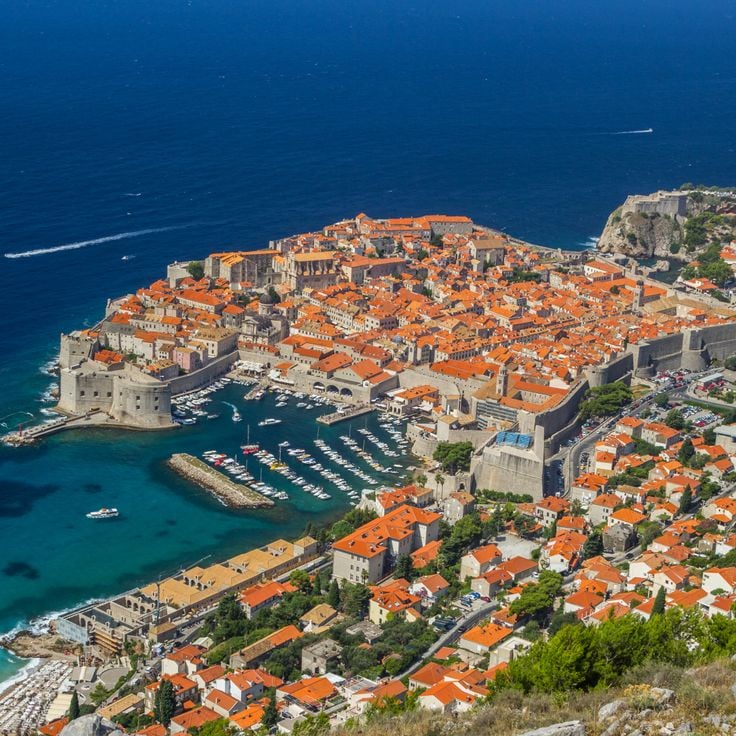
Dubrovnik, Croatia
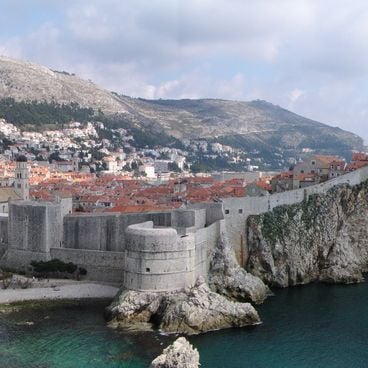
Dubrovnik served as King's Landing, the capital of the Seven Kingdoms, in the HBO series. The old city with its limestone walls, narrow streets, and historic buildings became the backdrop for many iconic scenes. When you walk through Dubrovnik today, you recognize the plazas, staircases, and gates that appeared on screen. Located on the Adriatic coast, the city offers genuine history and architecture spanning several centuries beyond the show. The fortifications tell of the city's past, while the streets show how people live in this living, working place.
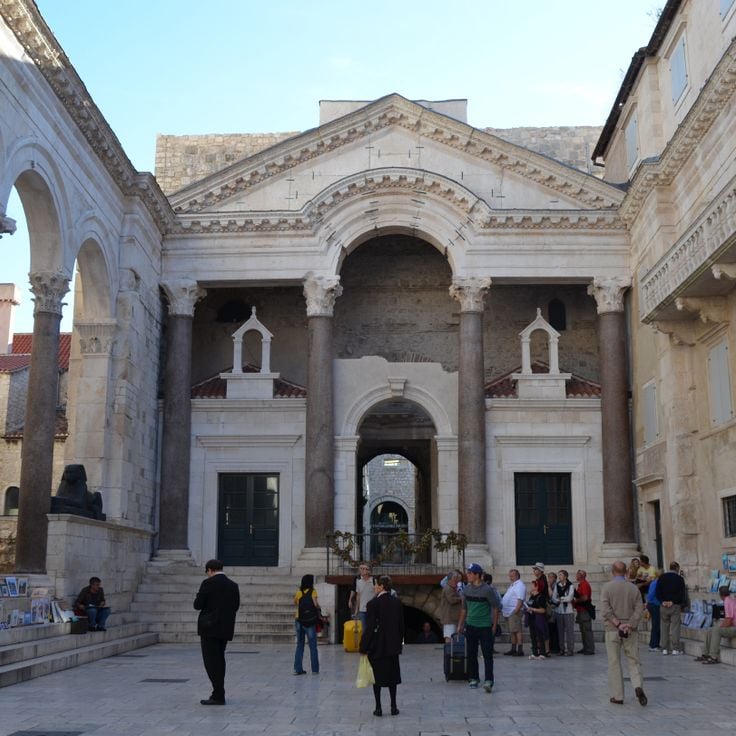
Split, Croatia
The Palace of Diocletian in Split served as a location for scenes set in Meereen. This ancient Roman structure with its underground chambers provided filmmakers with the perfect setting to bring the exotic city from the series to life. The palace stands as part of this collection of filming locations where Game of Thrones transformed real places into the fictional kingdoms of its world.
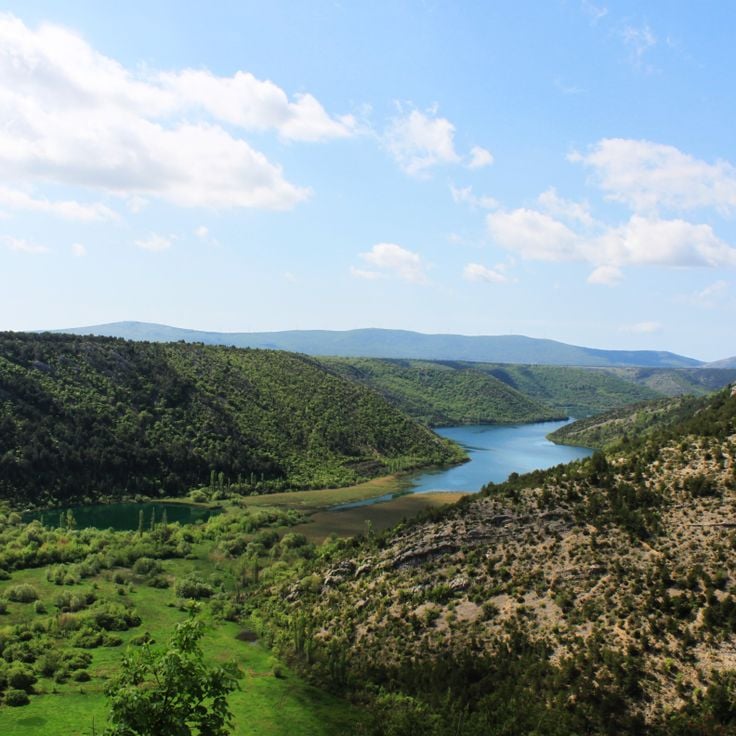
Krka, Croatia
Krka National Park served as a filming location for the series and features a varied landscape with waterfalls and waterways. The park stretches along a river in Dalmatia, with walking paths that take you past turquoise pools and cascading falls. Limestone cliffs frame the scenery, and dense vegetation covers the slopes. Visitors can see why filmmakers chose this place for their shots, as the natural setting provided an ideal backdrop for the show's world.
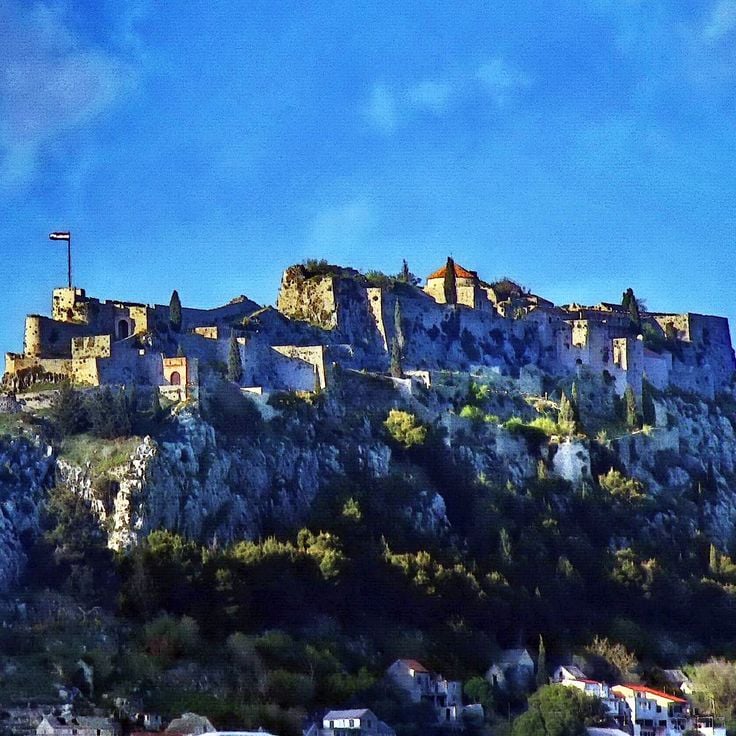
Split, Croatia
Klis Fortress rises on a hillside above Split and served as Meereen, the capital city of Daenerys in the series. This stronghold stood as an important part of Croatian history long before the production crew arrived to film here. Walking through the stone walls and passages today, you see the same views that appeared in some of the show's most intense moments. The rough medieval architecture and dramatic hilltop setting draw visitors who love the series and those interested in real fortress history alike.
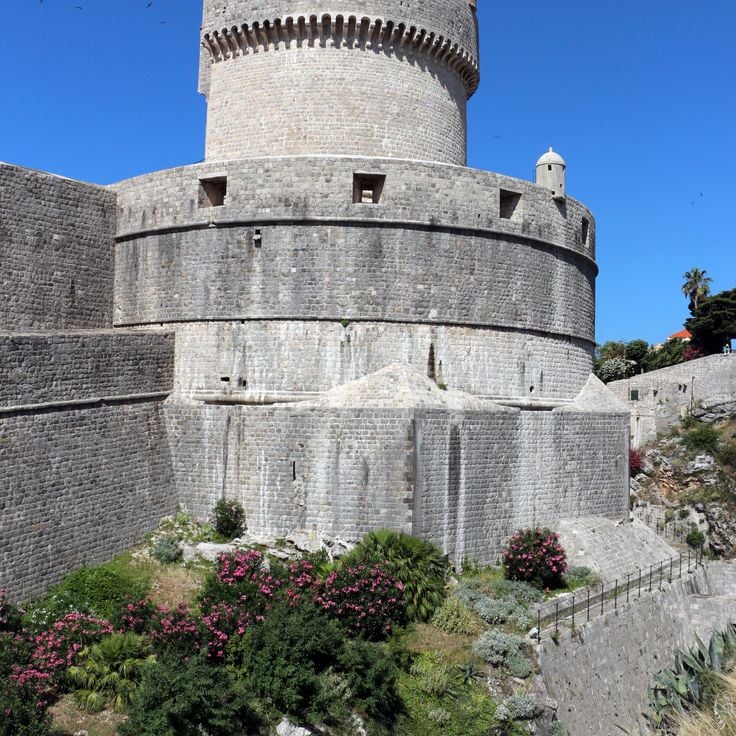
Dubrovnik, Croatia
The Minčeta tower in this Game of Thrones collection is a circular stone tower in Dubrovnik that appears in scenes set at the House of the Undying in Qarth. The tower stands in the medieval city that served as King's Landing, showing how filmmakers transformed real architecture into the fictional world of Westeros and Essos. When you visit this location today, you see the same spot that appeared on screen while discovering the history and character of Dubrovnik itself.
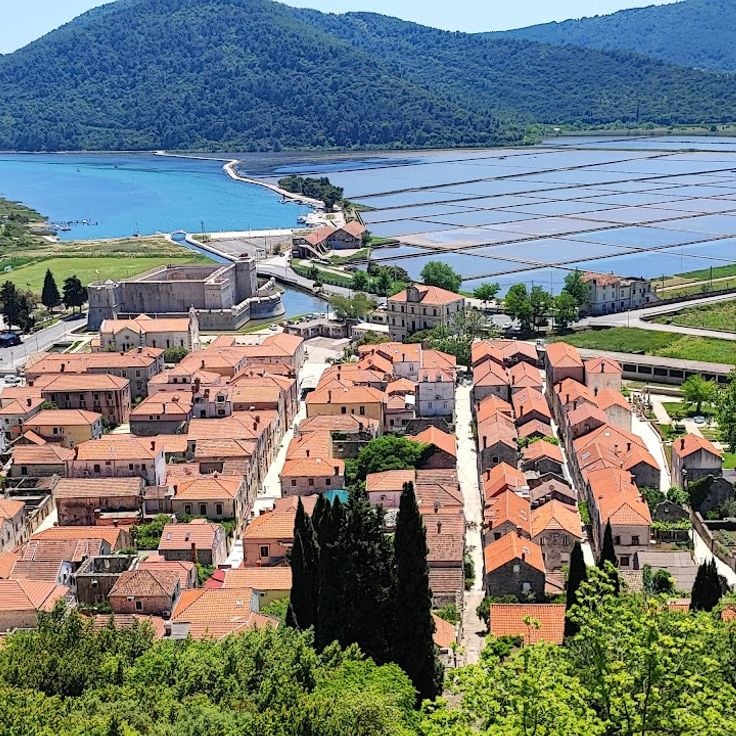
Ston, Croatia
The town of Ston served as King's Landing in Game of Thrones, with its ancient defensive walls providing the backdrop for scenes across the series. Walking through Ston today, you recognize the same passages and fortifications that appeared on screen. The walls themselves reveal the history of this coastal settlement, built to protect the salt pans that made it prosper. Beyond the show's connection, Ston offers a genuine glimpse into how medieval communities defended their most valuable resources.
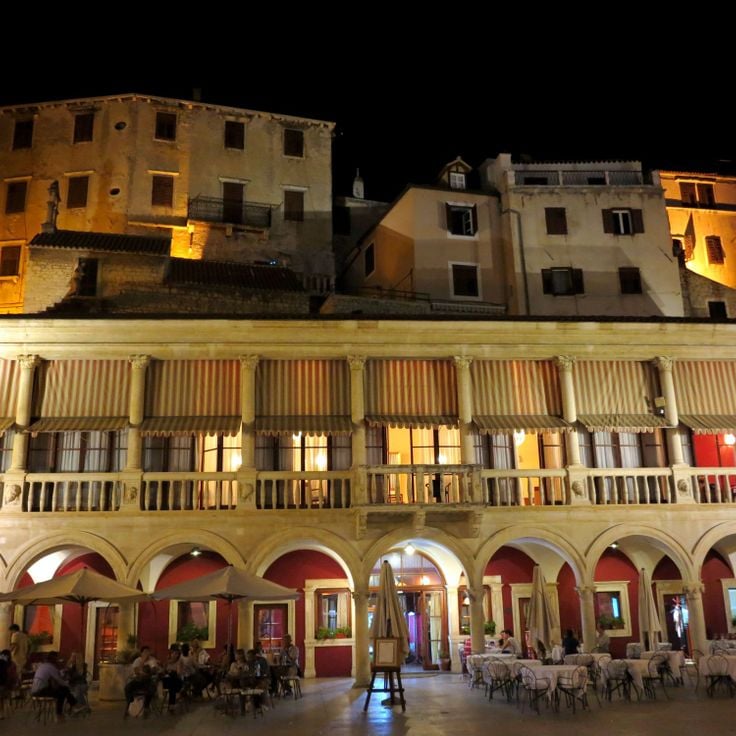
Šibenik, Croatia
Šibenik served as a filming location for scenes depicting Braavos, one of the trading cities in the series. This Adriatic coastal town features medieval architecture and narrow streets that worked well as a backdrop for portraying the city's character. The stone old town with its canals and historic buildings provided the filmmakers with authentic settings to bring the world of the show to life.
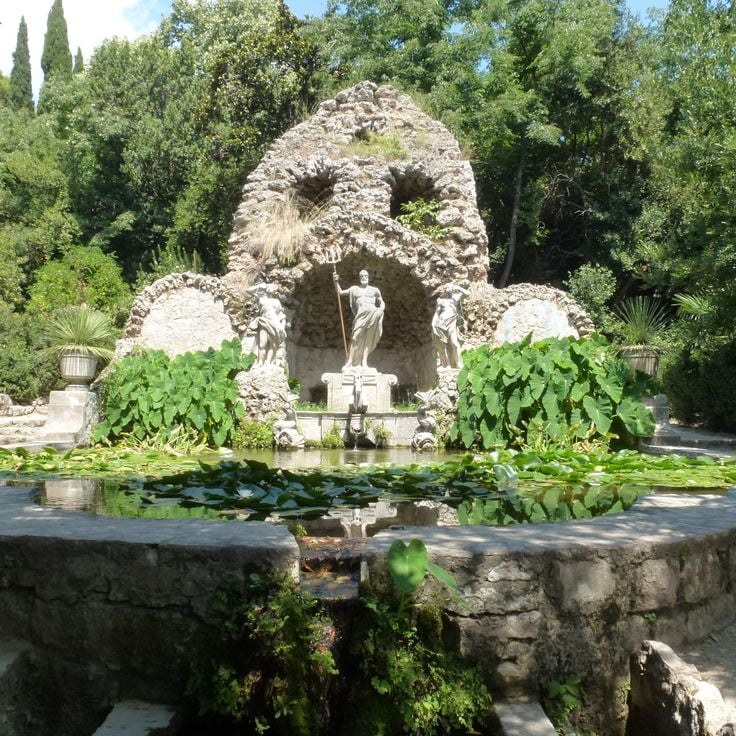
Dubrovnik, Croatia
The Arboretum de Trsteno served as a filming location for palace garden scenes throughout the series. This historic garden shows how filmmakers used real places to bring the fictional kingdoms to life. Walking through it today, you see where crews transformed the landscape for the show while discovering a site with its own long history of drawing visitors and offering natural beauty.
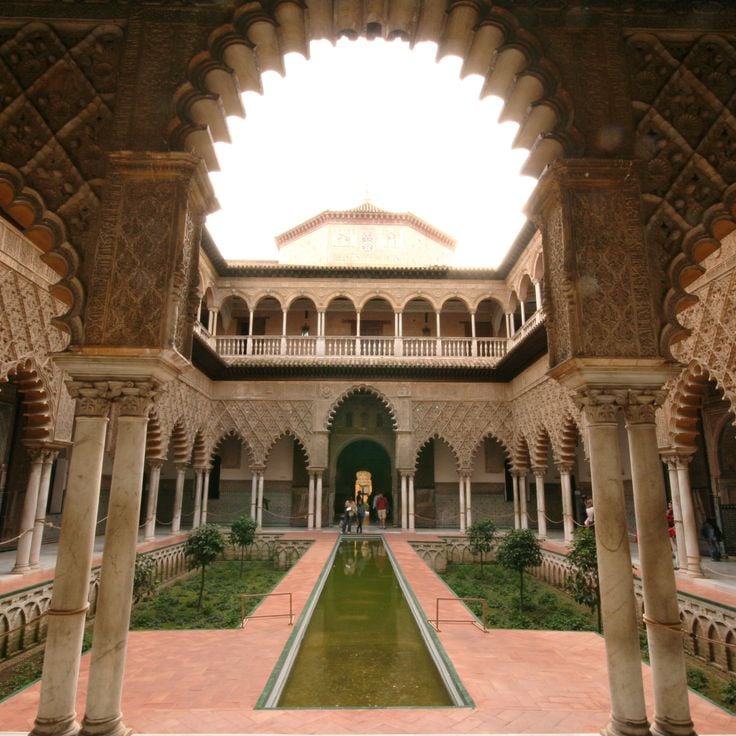
Seville, Spain
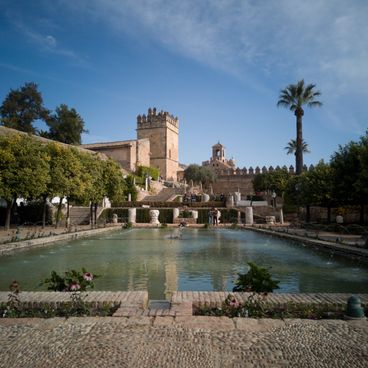
The Alcazar of Seville is a royal palace with Moorish architecture that served as a filming location for Lannister family scenes in the series. Its grand courtyards, decorated walls, and historic rooms provided the backdrop for portraying the luxury and power of the fictional royal family. The palace blends Andalusian and European architectural styles and offers a window into Spain's actual history while becoming part of the Game of Thrones world.
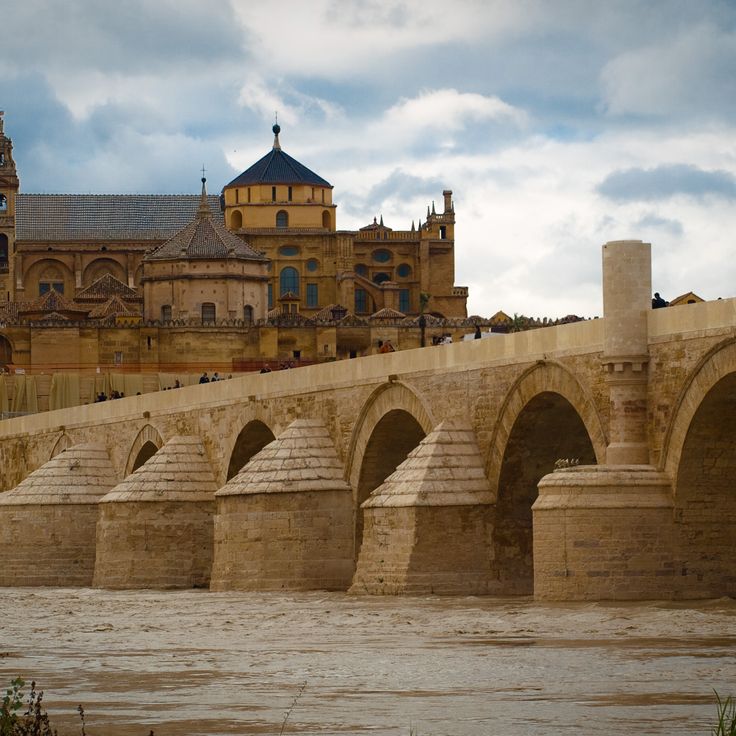
Cordoba, Spain
This Roman bridge in Cordoba served as a filming location for scenes set in Volantis, a trading city in the series. The bridge spans the Guadalquivir River and displays the engineering skill of Roman times. For the production, it provided an authentic backdrop for the fictional eastern city with its waterways and ancient structures. Today, visitors can walk across the same stone arches seen on screen and experience the history of this structure, which has stood for more than 2000 years.
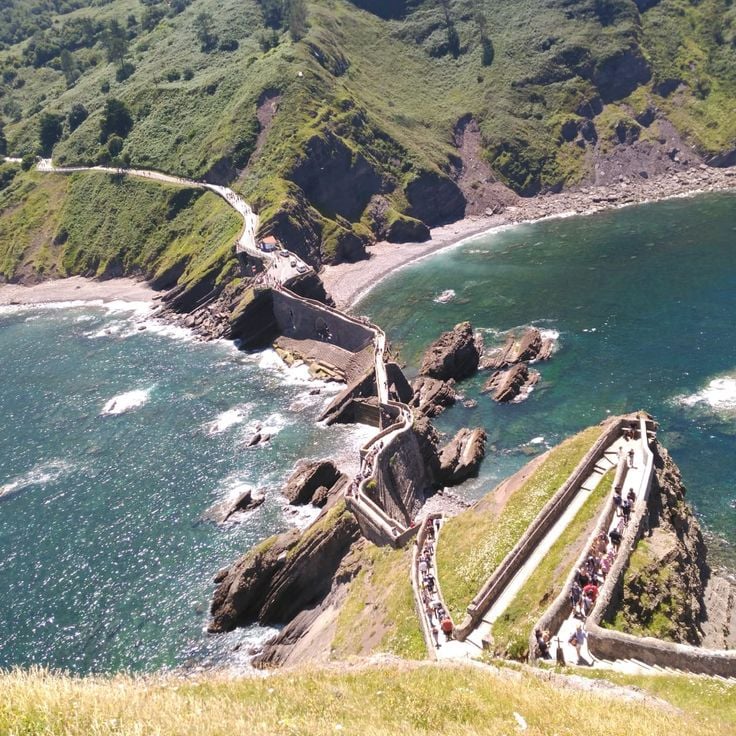
Basque Country, Spain
This rocky islet off the Basque coast served as the exterior for Dragonstone, the fortress from the series. With its dramatic setting rising from the sea and the medieval castle perched at its peak, Gaztelugatxe provided a natural backdrop for the Targaryen stronghold. Visitors can climb the steep stone staircase today and see the same location where filmmakers shot scenes for the show. The islet combines actual history with the raw beauty of the Basque shoreline.
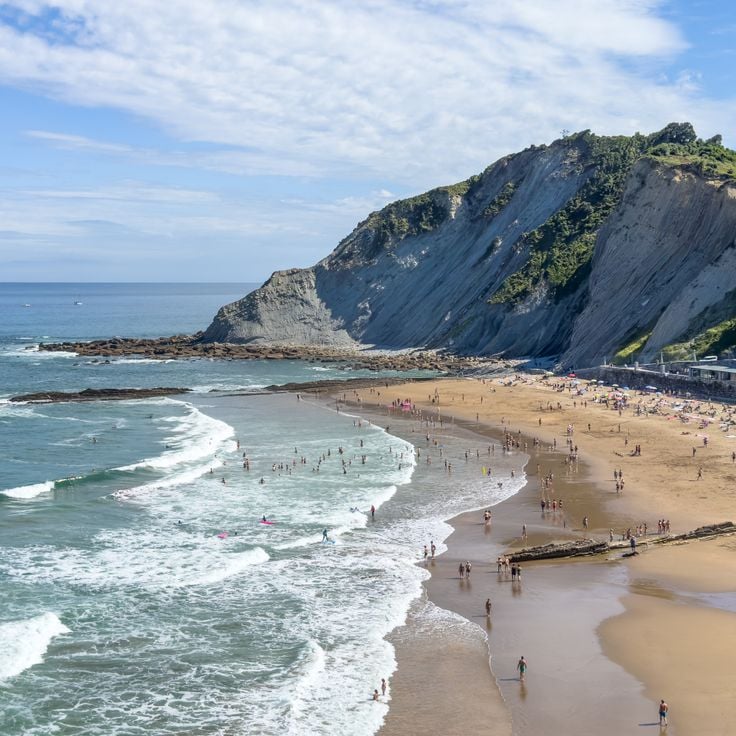
Zumaia, Spain
This beach in the Basque region served as the shore of Dragonstone in the series. The dramatic cliffs rising above the water created a striking backdrop for scenes from the show. The location demonstrates how filmmakers transformed real landscapes into the fictional world of Westeros. The beach itself invites exploration and offers views of the region's geological history through its distinctive rock formations.
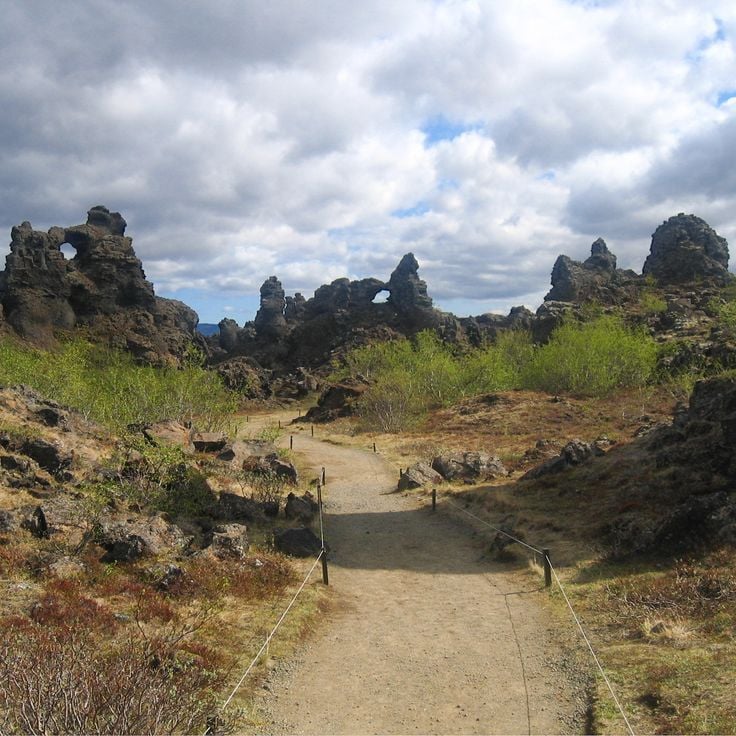
Dimmuborgir, Iceland
Dimmuborgir forms part of Iceland's filming locations in this Game of Thrones collection. This volcanic landscape served as a setting for scenes beyond the Wall, capturing the harsh and desolate nature of the world north of civilization. The strange lava formations and bare terrain convey a sense of danger and isolation, just as shown in the series. Visitors to this place experience the same bleak landscape that thousands of viewers saw on screen.
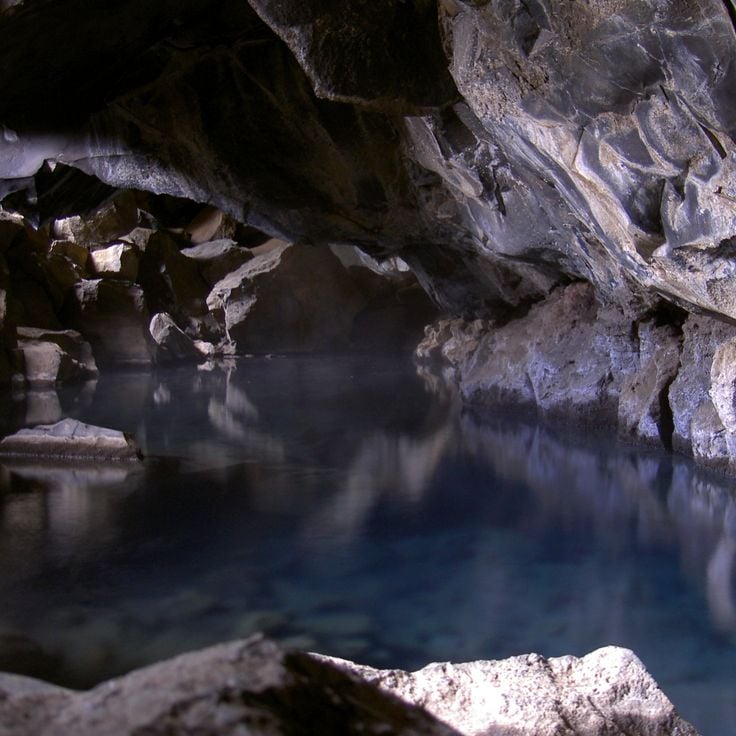
Iceland
In this collection of Game of Thrones filming locations, Grjótagjá is a small hot spring cave where filmmakers captured a memorable scene between two main characters. Located in Iceland, this natural cave became part of the show's journey across real landscapes. Visitors to the cave today experience both the connection to the series and the unique geology that makes this geothermal site special.
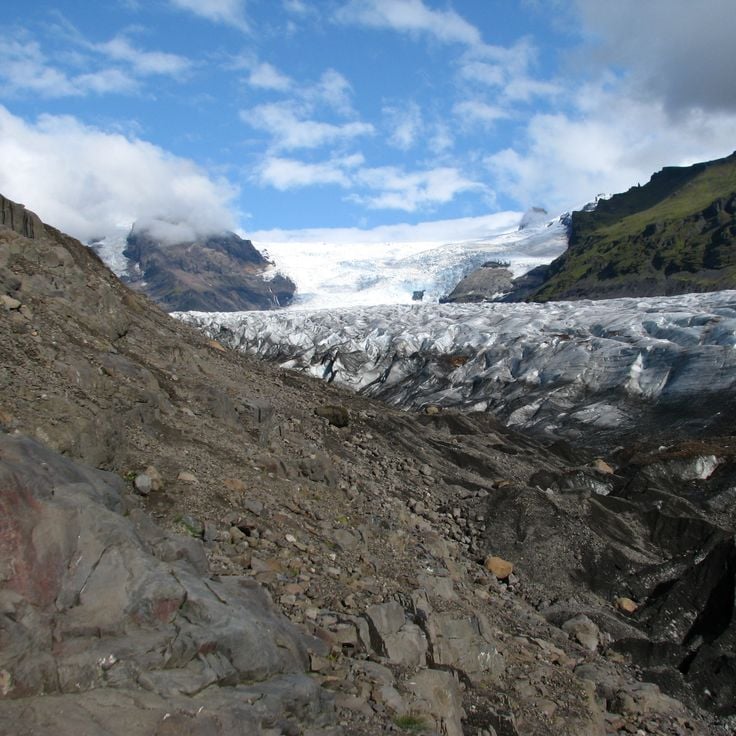
Iceland
Svínafellsjökull is a glacier that served as a filming location for scenes beyond the Wall, showcasing Iceland's raw and frozen landscape. This site is part of the Game of Thrones journey across six countries, where real locations became settings for the show's fictional world. Visiting the glacier today allows you to walk through the same icy terrain that appeared on screen, seeing how this natural landmark helped bring the story to life and understanding why filmmakers chose these dramatic northern landscapes for their production.
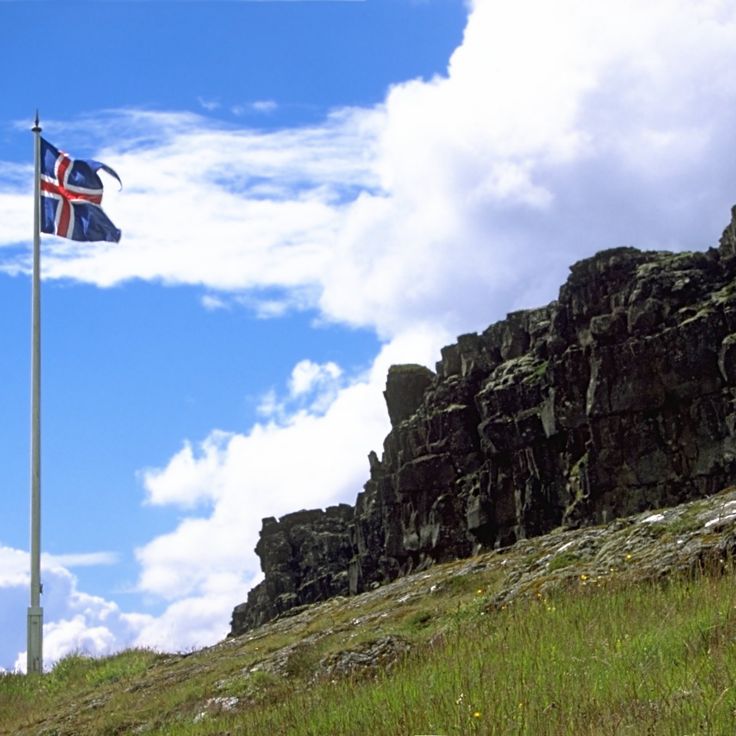
Iceland
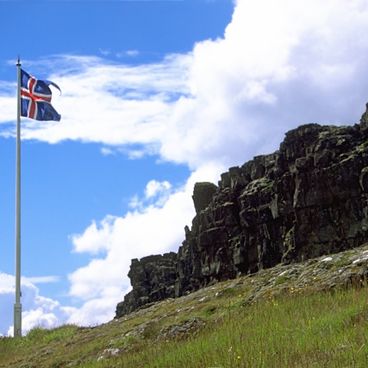
Þingvellir is a national park in Iceland that served as a filming location for travel scenes in the series. The park's dramatic canyon and expansive landscape were used by filmmakers to portray the characters' epic journeys across the world of Westeros. Today, the park shows the same geological formations and natural terrain that appeared on screen, offering visitors the chance to explore the places where these important scenes were filmed.
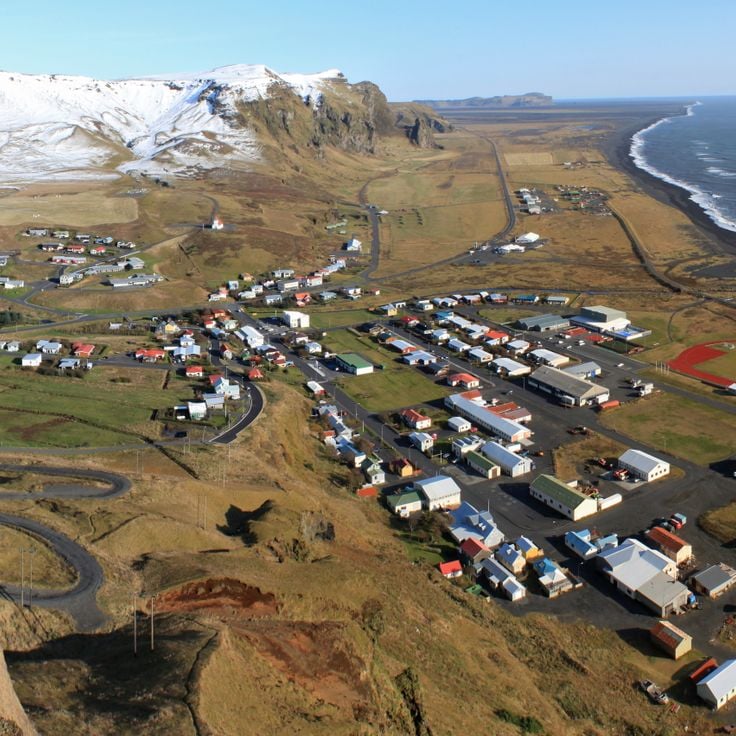
Vík í Mýrdal, Iceland
The village of Vík í Mýrdal served as a filming location for wildling scenes and features a rugged Icelandic coast with black sand beach. Within this collection of Game of Thrones locations, this place embodies the northern, harsh landscapes of Westeros and offers visitors a view of the dramatic natural setting that filmmakers used for their fantasy world.
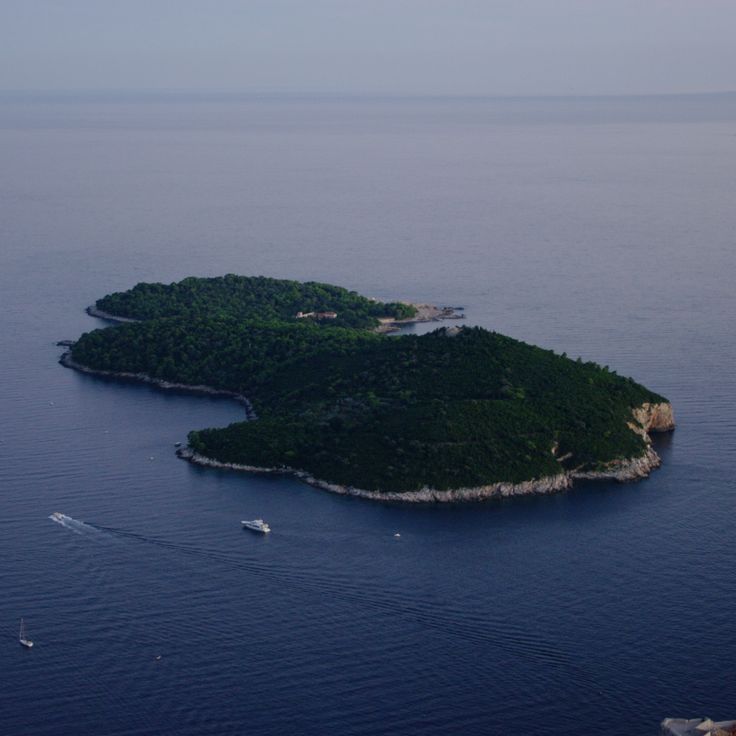
Lokrum, Malta
Lokrum is an island off Malta that served as the city of Qarth in the series. The island's botanical gardens became the backdrop for scenes depicting this fictional city. Today you can walk through these gardens and see the same spots where key moments were filmed. The island shows how filmmakers used the landscape and plants to bring the exotic world of Essos to life on screen.
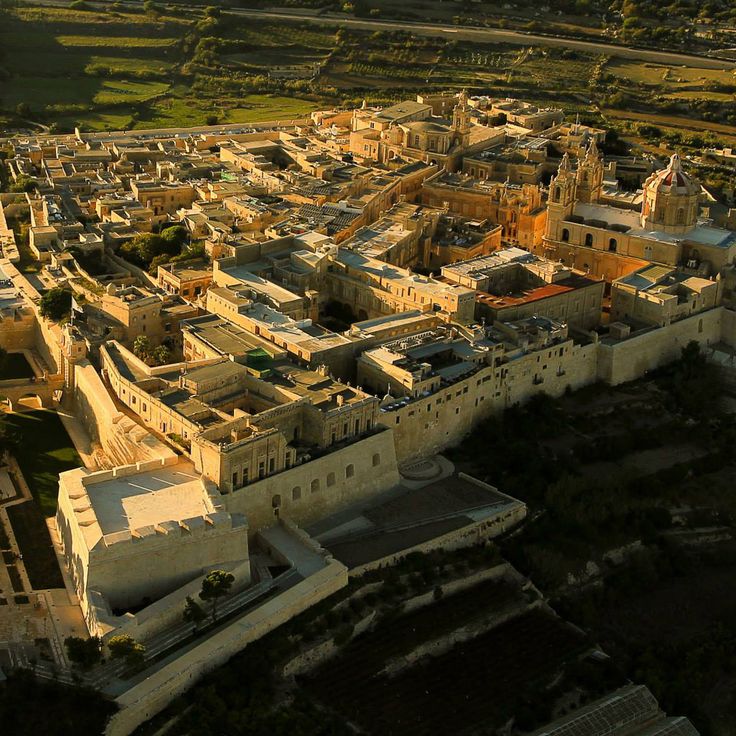
L-Imdina, Malta
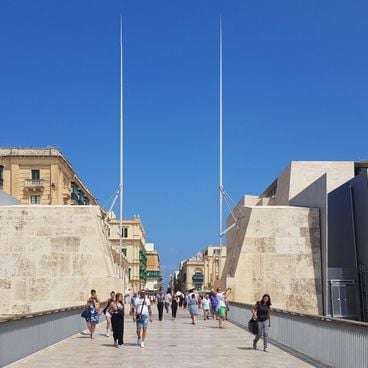
L-Imdina, a fortified medieval city, served as a primary location for King's Landing scenes throughout the series. The old town's narrow streets and historic buildings provided authentic backdrops for the fictional capital of Westeros. Today, you can walk through the same passages where crucial scenes were filmed, discovering how the city's layered history and architecture made it the perfect fit for the show's imagined kingdom.
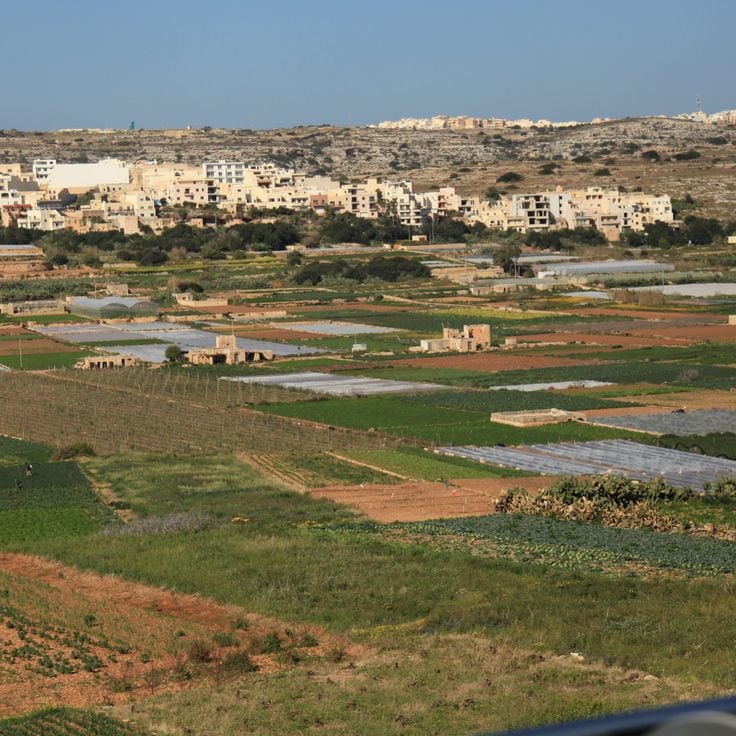
Manikata, Malta
This rural village served as a filming location for Lhazar scenes in the HBO series. Manikata demonstrates how filmmakers transformed real Maltese locations into settings for the fictional world of Game of Thrones. The village sits within natural countryside and provided the backdrop for scenes set in distant lands across the show's fantasy realm. Visitors can walk through the same landscape where these moments were captured on screen.
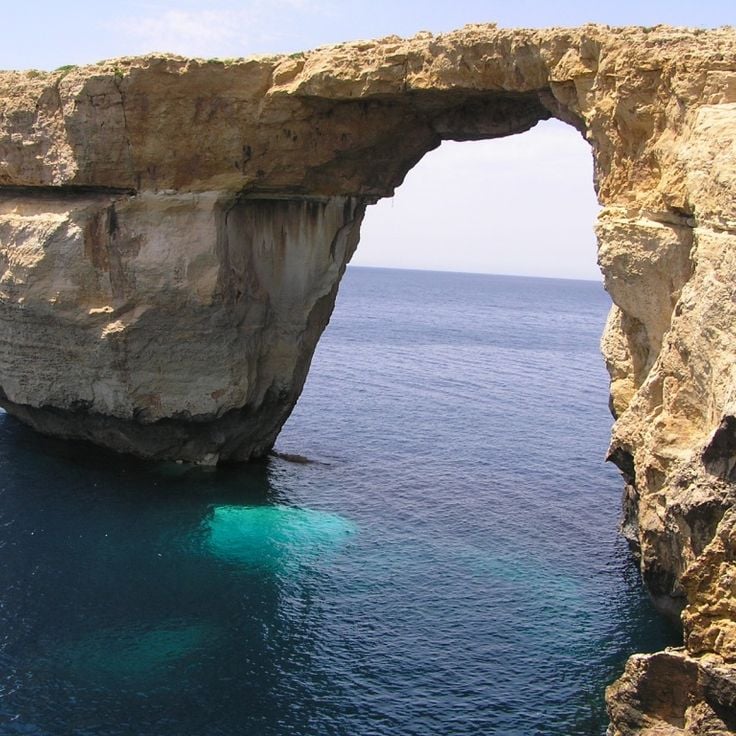
Malta
The Fenêtre d'Azur is a natural sea arch on Malta's coast that served as a wedding scene location in the series. This site shows how filmmakers incorporated natural rock formations into their fictional world. The arch frames the water in a striking way, creating a dramatic backdrop that appeared on screen. Visitors can stand here today and see the same view that the cameras captured.
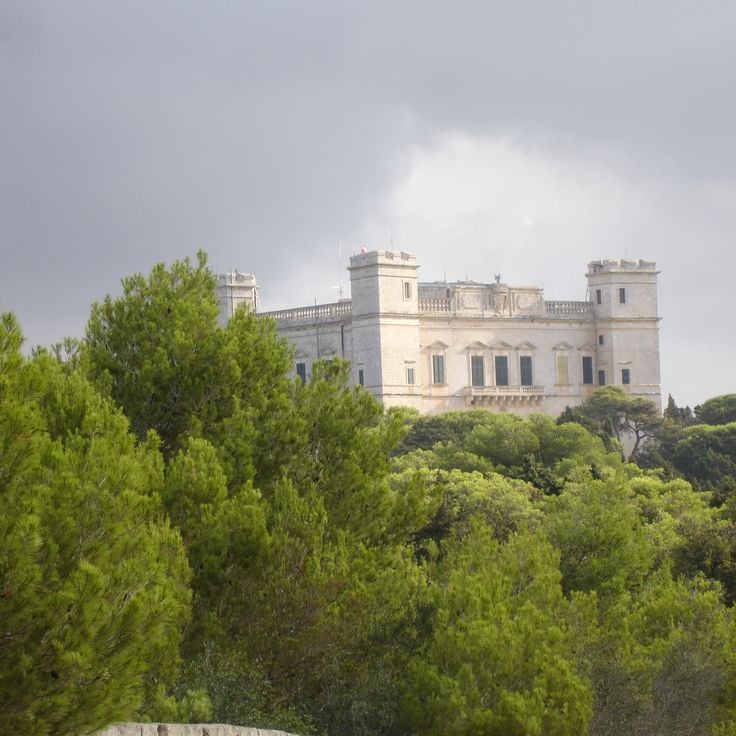
Malta
Palais Verdala served as a filming location for Pentos scenes in the HBO series Game of Thrones. This historic palace in Malta provided the elegant architectural setting for the Eastern city where Daenerys encountered crucial characters and moments in the story. Walking through its rooms and courtyards today, you can recognize the spaces transformed into this fictional realm while appreciating the actual history and craftsmanship of the building.
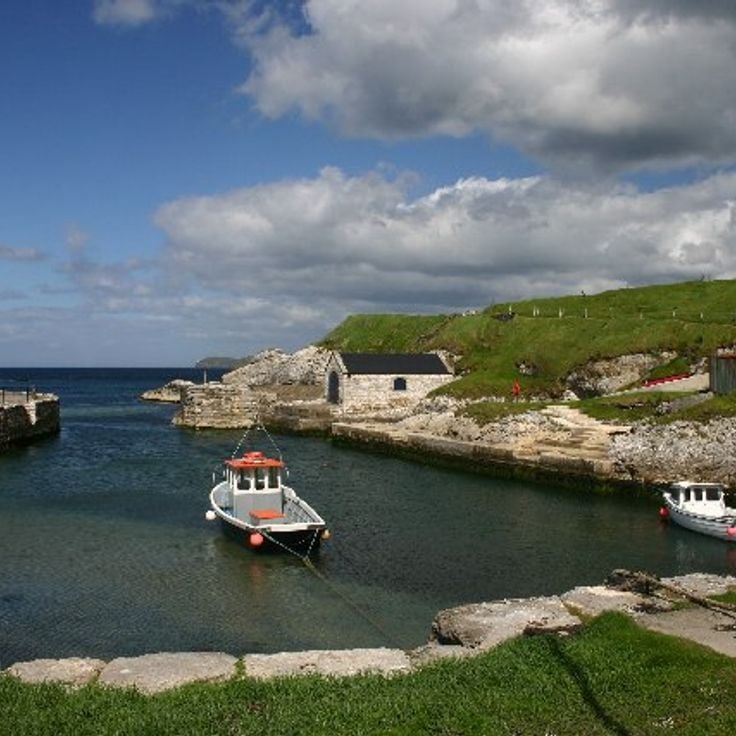
Ballintoy, Northern Ireland
Ballintoy served as the setting for scenes depicting the Iron Islands in the series. With its cliffs and sea views, this coastal village embodies the rugged character that filmmakers sought for the warrior kingdoms' coastal lands. The location demonstrates how real Irish coastlines were transformed into fictional Westerosi realms.
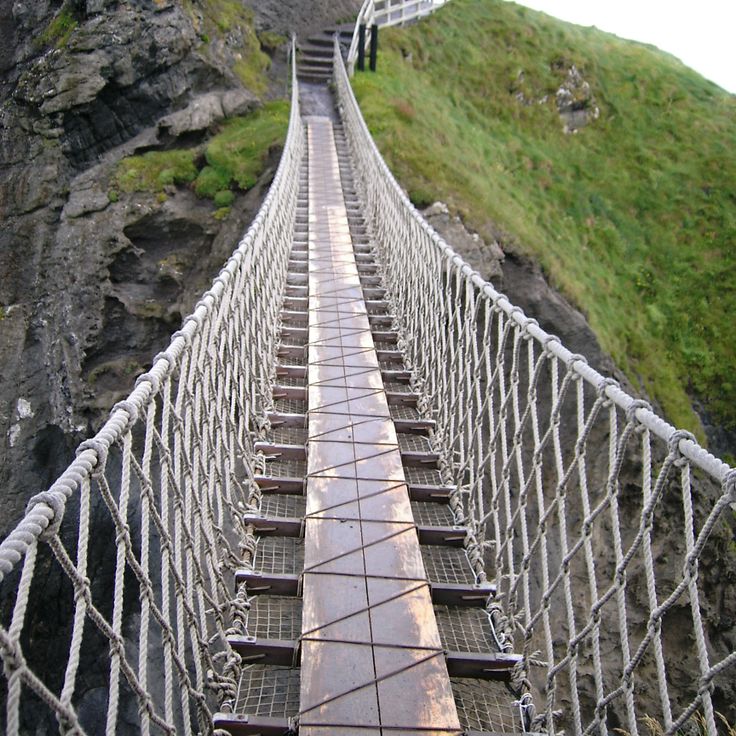
Northern Ireland, United Kingdom
Carrick-a-Rede rope bridge in Northern Ireland served as a filming location for Game of Thrones, appearing in various scenes throughout the series. This narrow bridge stretches across to a small island and offers dramatic views of the rocky coastline. Visitors today can walk the same path that appeared on screen while experiencing the raw beauty of the Northern Irish coast. The site shows how filmmakers used real landscapes to bring the fictional world of Westeros to life.
Northern Ireland
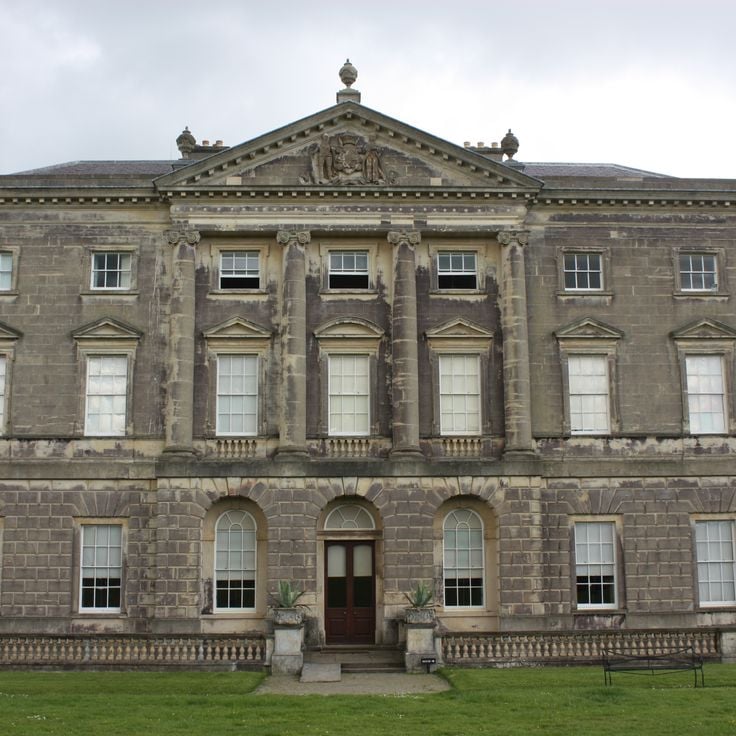
Castle Ward is a historic estate that served as the exterior location for Winterfell in the series. The castle and its grounds were chosen to bring the icy fortress of House Stark to life on screen. Today, visitors can walk the same grounds where filming took place and see the architecture and landscape that filmmakers used to create these memorable scenes.
Northern Ireland, United Kingdom
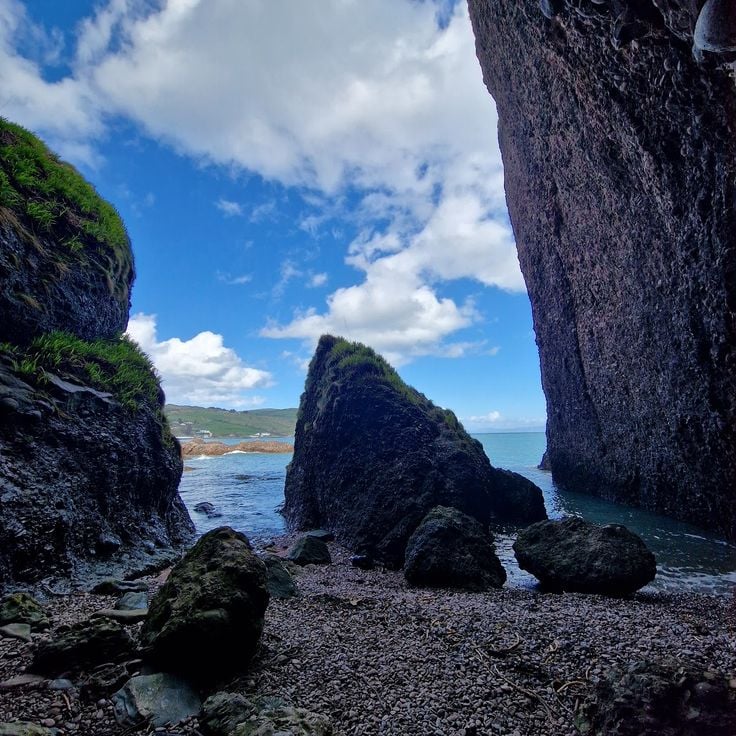
The Grottes de Cushendun are sea caves on the Northern Ireland coast that served as filming locations for dramatic scenes in Game of Thrones. These natural caves became backdrops for pivotal moments in the series, showing how filmmakers incorporated the rugged coastal landscape into their fictional world. Today, visitors can explore the same caves where memorable scenes were shot while discovering the striking geology and character of this seaside region.
Doune, Scotland
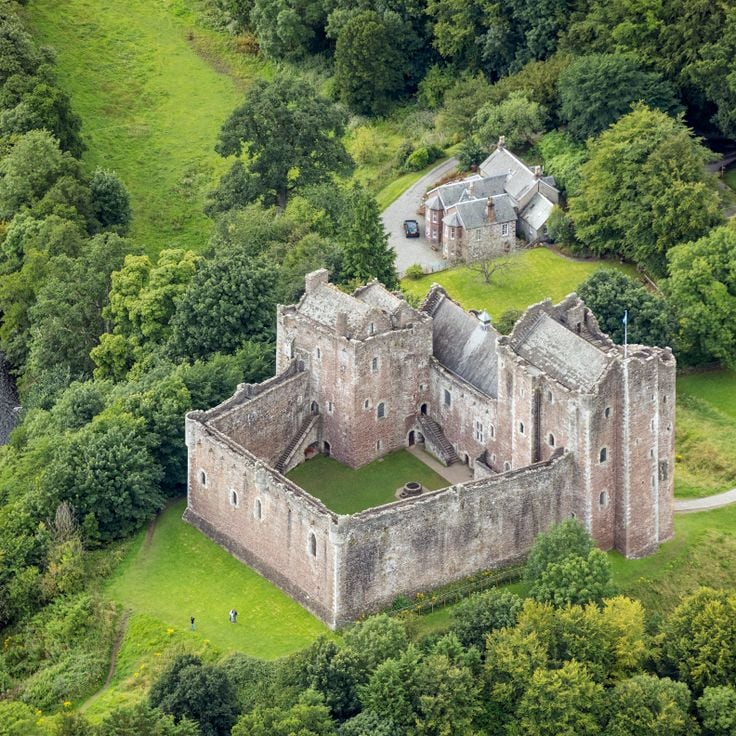
Château de Doune is a medieval fortress in Scotland that served as Winterfell in the series. The castle's thick stone walls and narrow passages provided the perfect setting for scenes depicting the seat of House Stark. Visitors can walk through the same rooms where key moments of the show were filmed and discover the real history behind this Scottish stronghold.
Northern Ireland
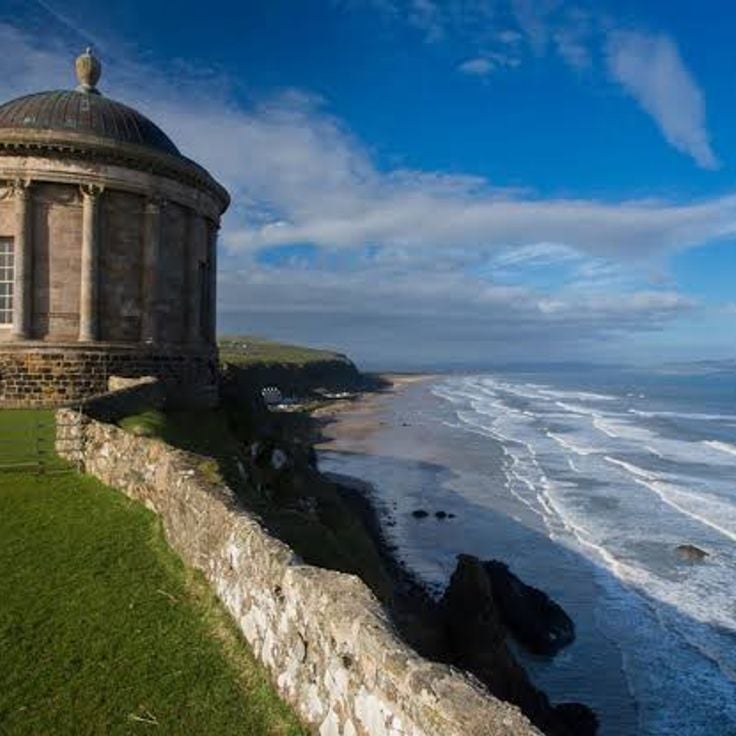
This beach with distinctive rock formations served as a filming location for Dragonstone scenes in the HBO series. The site is part of the journey through real places that brought the fictional world of Game of Thrones to life, showing how filmmakers transformed actual landscapes into the kingdoms of Westeros.
Northern Ireland, United Kingdom
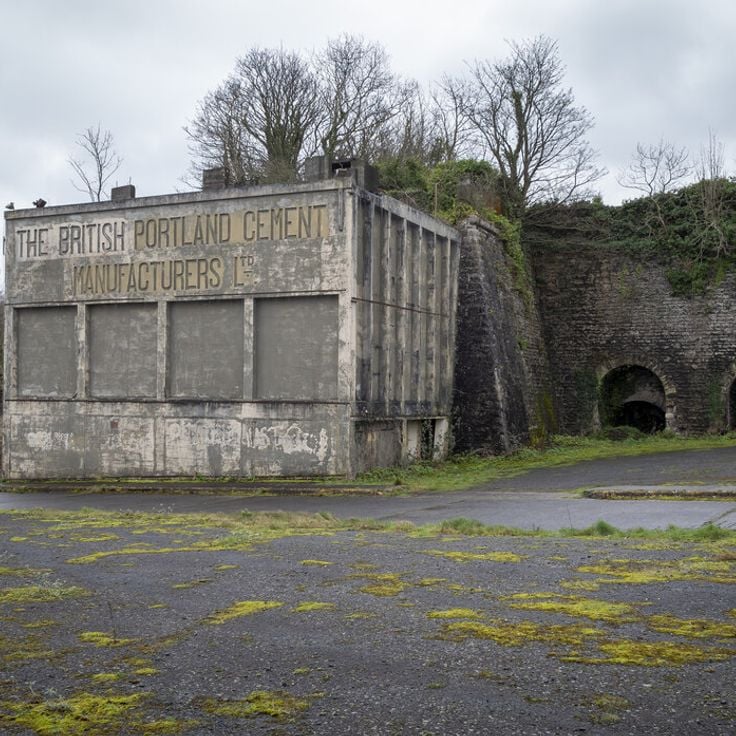
This quarry provided the raw setting for Castle Black's most demanding scenes in the series. The Carrière de Magheramorne shows how filmmakers transformed a working stone pit into a fortress stronghold. Visiting this site reveals both the behind-the-scenes creativity of production design and the industrial heritage of Northern Ireland's landscape.
Northern Ireland, United Kingdom
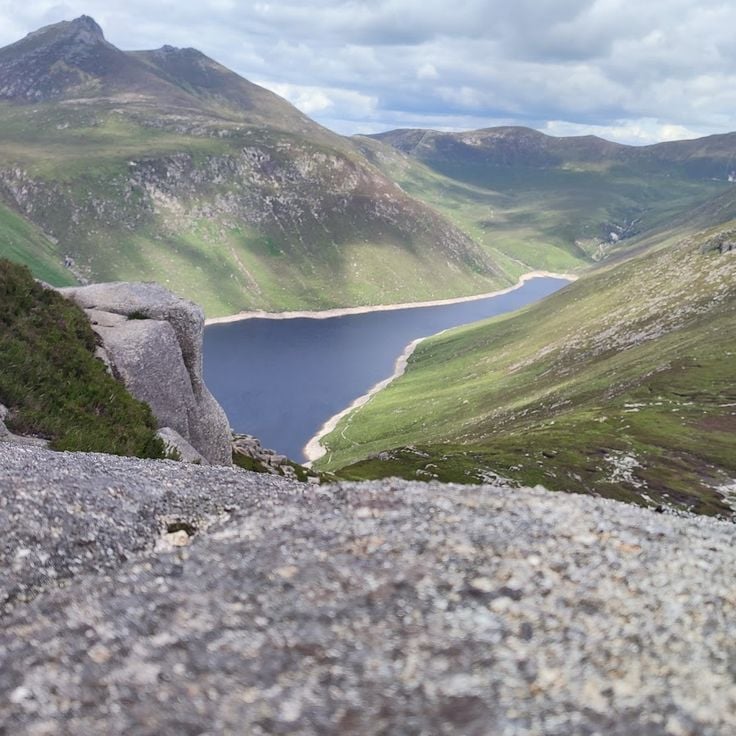
The Montagnes de Mourne in Northern Ireland served the series as a setting for scenes of the Dothraki Sea. This mountain range was transformed into the fictional world of Westeros, showing how filmmakers used real landscapes to create fantastical places. Today you can walk through these mountains yourself and understand why they were chosen for such dramatic moments in the show.
Northern Ireland, United Kingdom
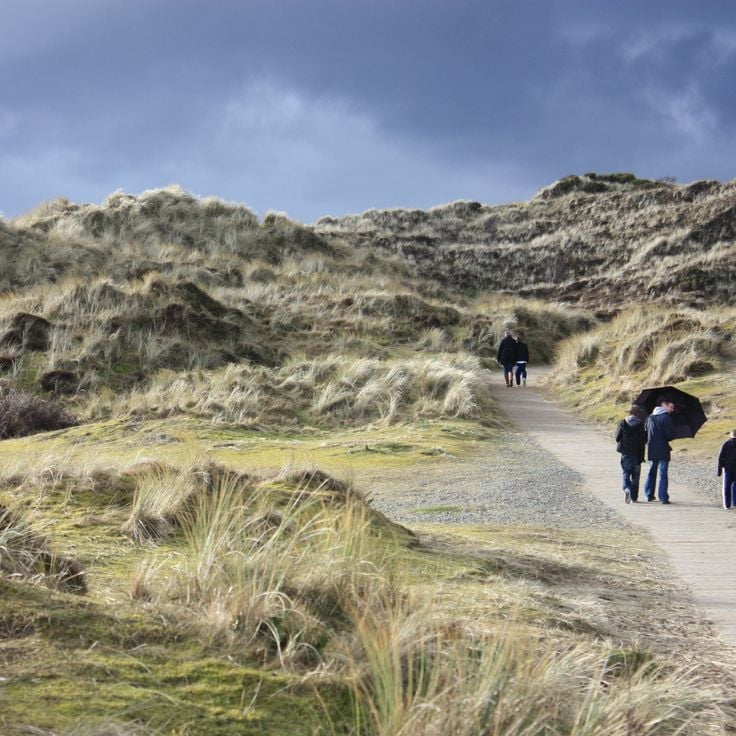
Murlough Bay in Northern Ireland served as a filming location for Iron Islands scenes in the series. This bay and its rugged coastal landscape proved ideal for portraying the harsh, seafaring regions of Westeros. The rocky shoreline and water of this bay helped filmmakers capture the demanding scenes of the Iron Islands, and today the location still displays the same dramatic beauty viewers saw on screen.
Tollymore Park, Northern Ireland
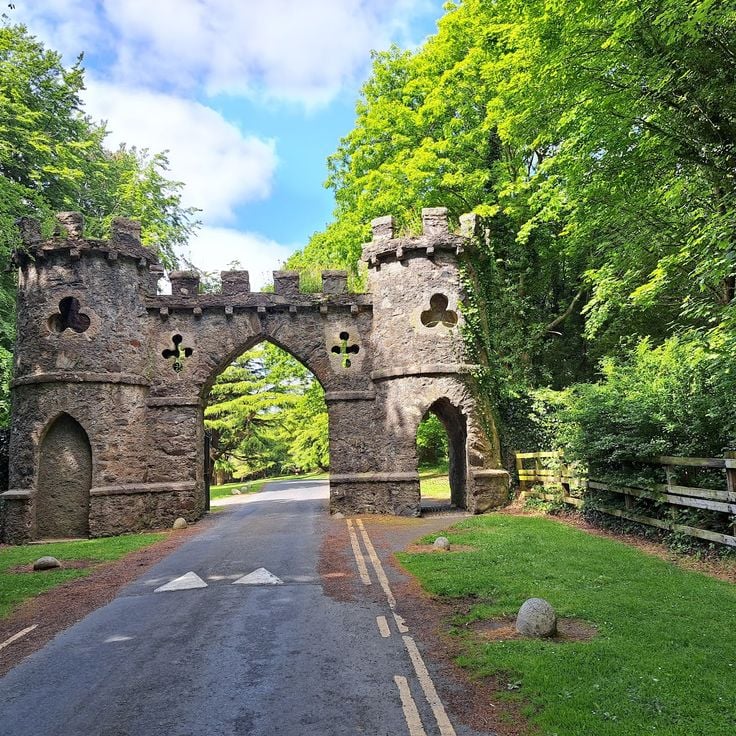
This forest park served as a backdrop for woodland scenes in the series, bringing the rugged northern landscapes of Westeros to life. The park's network of trails winding through trees and alongside streams provided filmmakers with natural settings for scenes set in the northern regions of the fictional world. Visitors today can walk the same paths where characters from the show traveled.
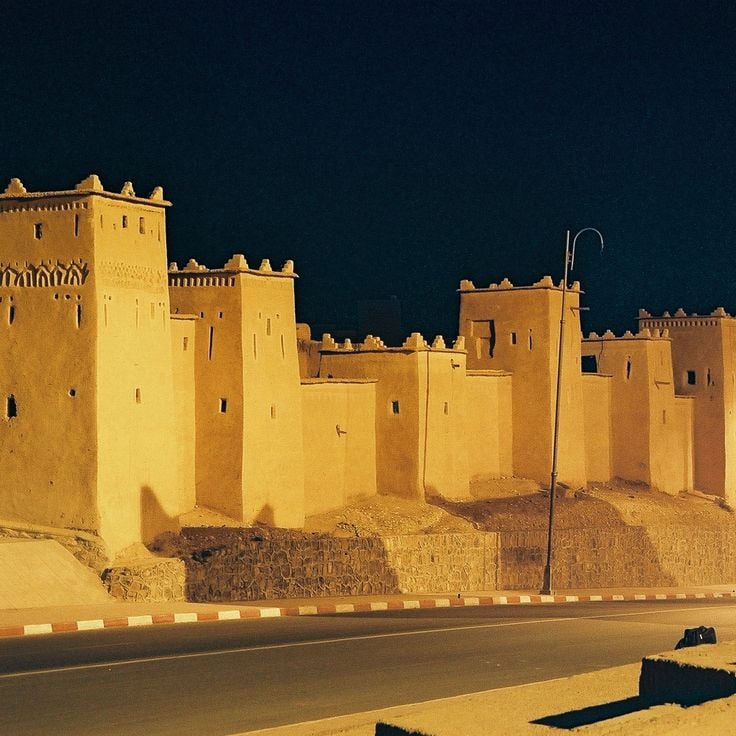
Ouarzazate, Morocco
This desert city in Morocco served as the filming location for Pentos and other Essos settings in Game of Thrones. With its earth-built structures and vast landscapes, Ouarzazate provided authentic backdrops for the show's exotic regions. Visitors today can walk through the same streets and squares that appeared on screen, discovering the real architecture and history that brought the fictional world to life.
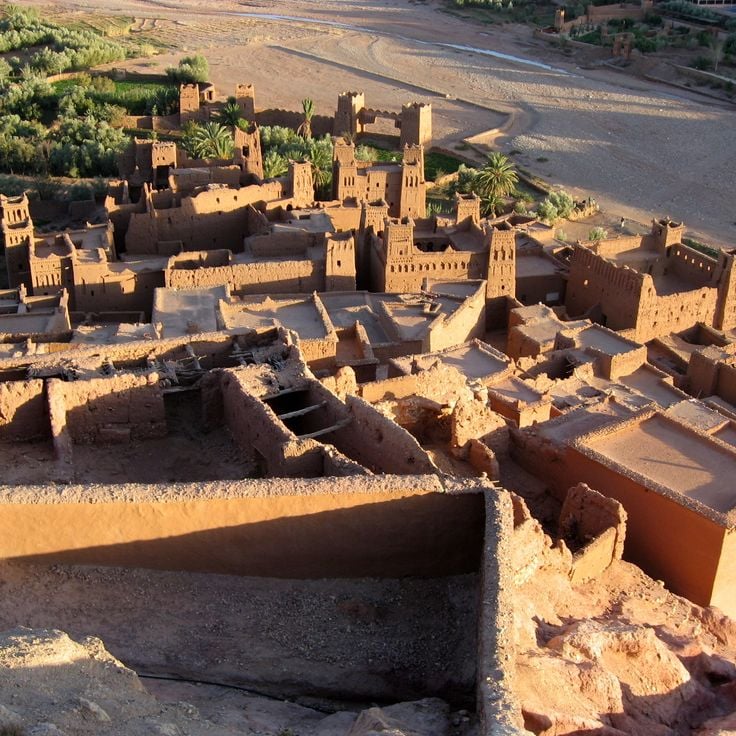
Aït-ben-Haddou, Morocco
Aït-ben-Haddou served as the filming location for Yunkaï in Game of Thrones, the golden city of the east. This ancient fortified clay city appears in this collection as an example of how the show used real places to build its fictional world. The earthen buildings and narrow streets created the visual backdrop for one of the series' most recognizable kingdoms.
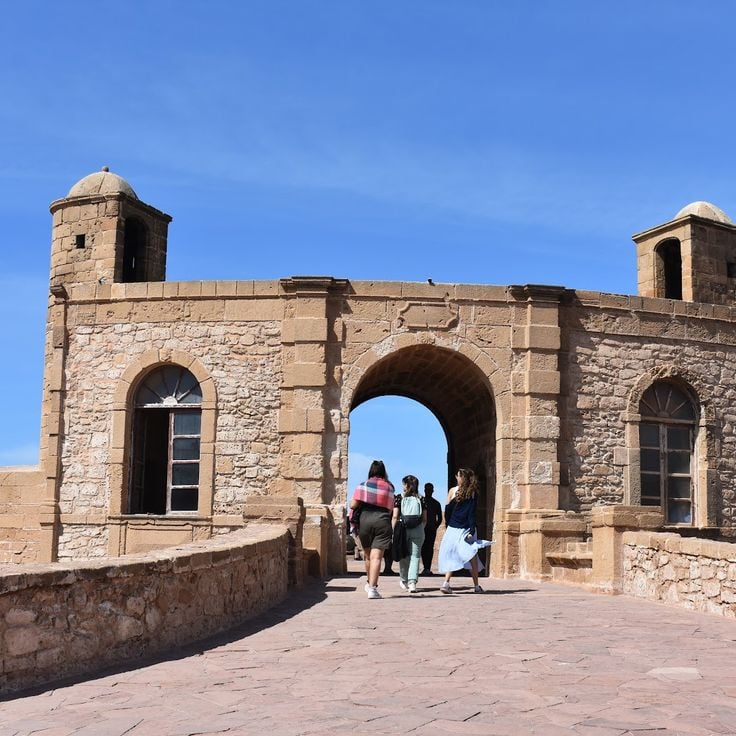
Essaouira, Morocco
Essaouira is a coastal city on Morocco's Atlantic shore that served as Astapor in the series. The town's blue and white architecture and fortress walls provided settings for scenes of slavery abolition and key moments in Daenerys' story. Walking through Essaouira today, you recognize where these scenes were filmed while discovering the authentic history and trading life of this port town.
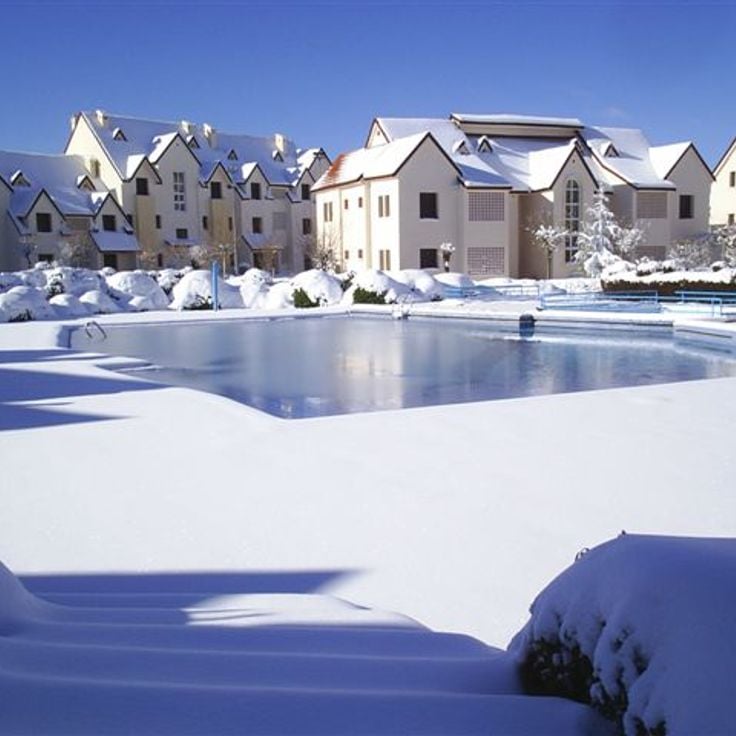
Ifrane, Morocco
Ifrane in the Atlas Mountains served as a filming location for scenes showing characters arriving at Winterfell. The cool mountain climate and snow-covered landscapes around the town made it a perfect match for depicting the frozen North of Westeros. Walking through these streets today, you can see where key arrival moments were filmed and discover the genuine history of this Moroccan mountain town, which has much to offer beyond its appearance on screen.
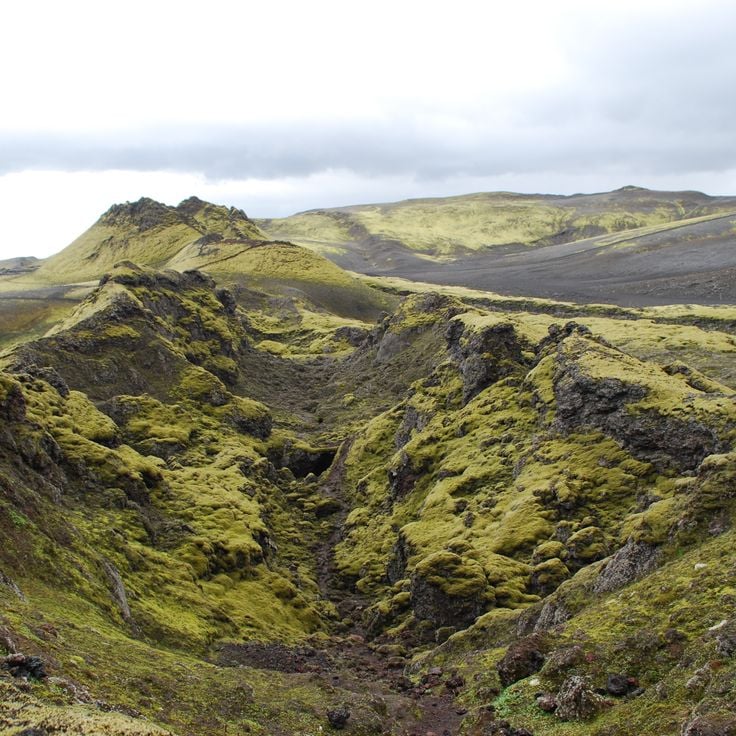
Vatnajökull National Park, Iceland
Laki is a volcanic crater system located in Vatnajökull National Park in Iceland. The landscape here is marked by a series of craters that run across the terrain, creating an unusual and barren surface. This site served as a filming location for Game of Thrones, used to depict alien worlds in the series. When you walk here, you see the raw power of nature: dark lava fields, crater openings, and a landscape that appears almost untouched. The place conveys a sense of isolation and wildness, fitting for the distant and extreme environments shown in the show. Visitors find a sparsely populated region shaped entirely by Iceland's volcanic geology.
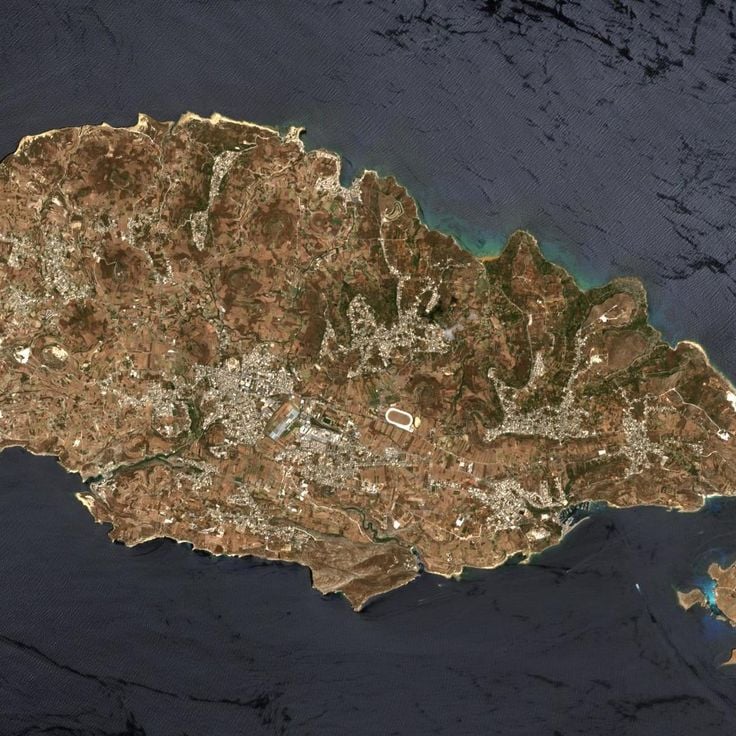
Malta
Gozo is a Mediterranean island in Malta that served as a filming location for Game of Thrones. The island's limestone cliffs, hidden coves, and traditional villages provided backdrops for various scenes in the series. Visitors can walk the same paths today and see the landscapes that filmmakers used for their production. The island's natural beauty makes it an interesting place for anyone who wants to experience how this fictional world was brought to life on screen.
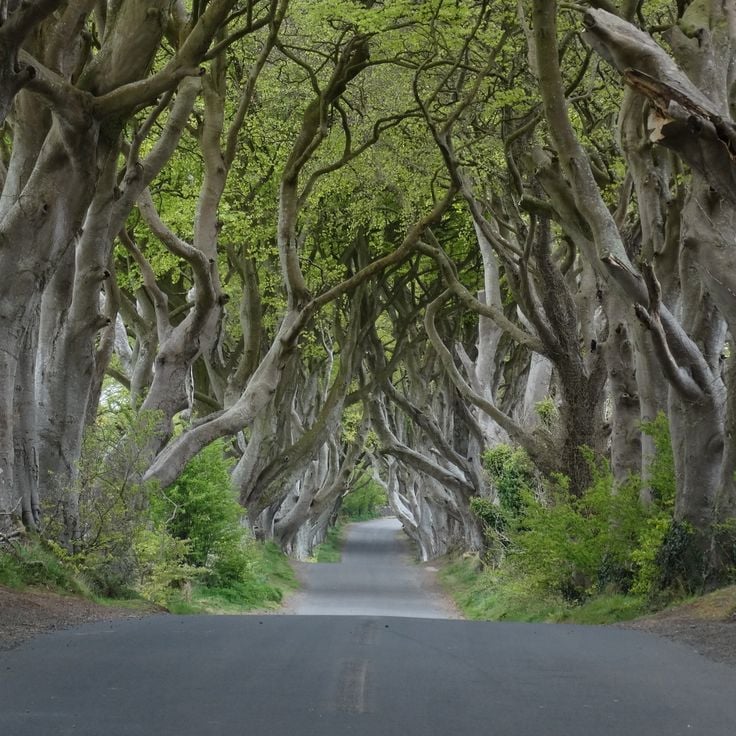
Ballymoney, Northern Ireland
Dark Hedges is a natural tree tunnel formed by branches lining a narrow lane in Northern Ireland that served as a filming location for several scenes in the series. This corridor with overhanging branches became part of the show's visual world, depicting roads and passages in the kingdoms of Westeros. Walking through Dark Hedges today, you see the same dramatic natural setting that appeared on screen, surrounded by the green canopy that shaped the location's character.