See the monuments around you in AROpen chests in the app
Around Us is built for your phone — point your camera at the streets and discover the monuments and places around you in augmented reality.Around Us is built for your phone — chests unlock when you walk, explore and capture nearby places.
The main mosques around the world show different styles of building and spiritual practices that are part of history.
A selection of around thirty major mosques around the world, chosen for their spiritual importance and architectural value. These places of worship show the architecture of Islam and attract visitors from many countries. Each mosque has its own style and comes from a specific historical period, from the Middle Ages to modern times.
The main mosques around the world show different styles of building and spiritual practices that are part of history.
A selection of around thirty major mosques around the world, chosen for their spiritual importance and architectural value. These places of worship show the architecture of Islam and attract visitors from many countries. Each mosque has its own style and comes from a specific historical period, from the Middle Ages to modern times.
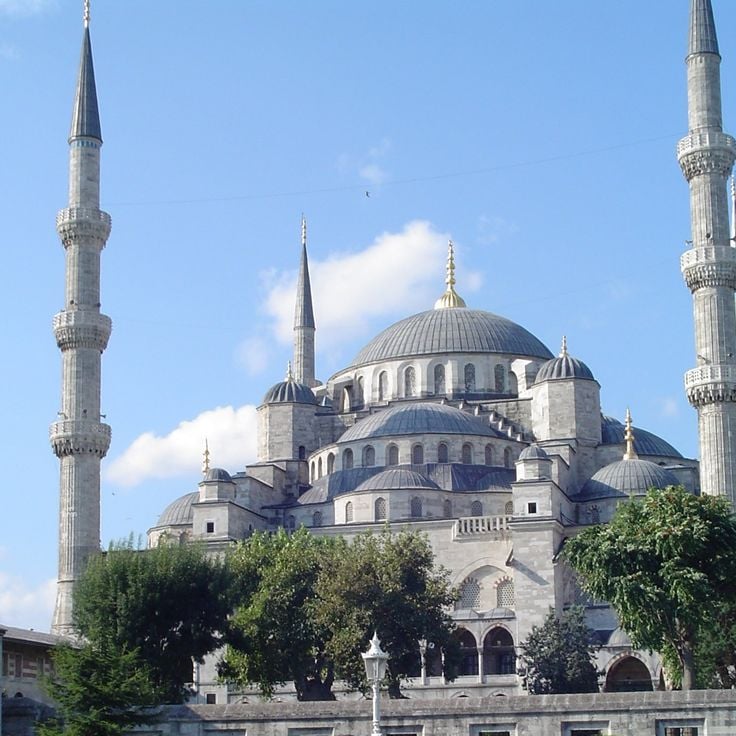
The Blue Mosque in Istanbul stands as a remarkable example of Ottoman architectural design. Its six minarets and distinctive blue domes create a striking presence in the city. This place of worship reflects the craftsmanship of its era and draws visitors who wish to experience one of the world's significant Islamic religious structures.
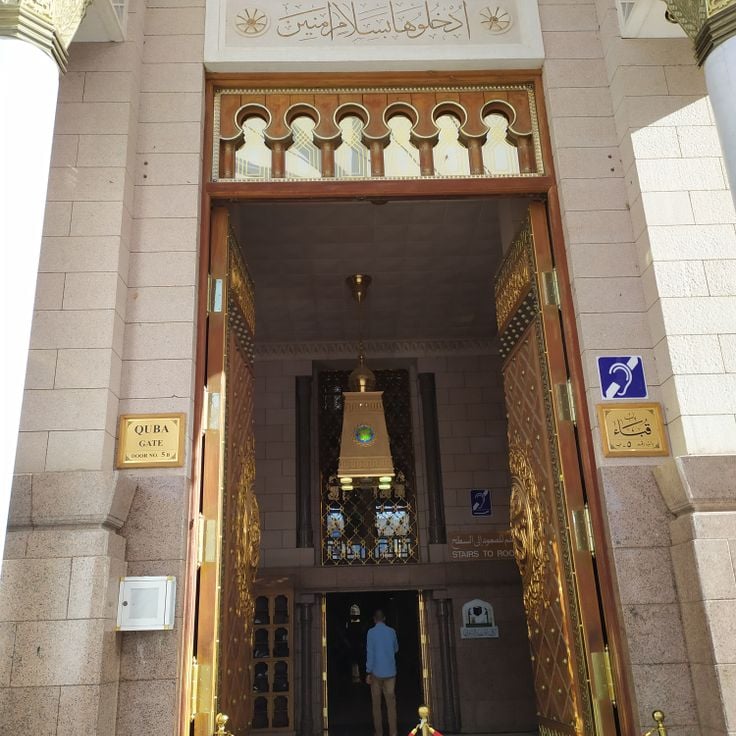
Al Masjid an Nabawi is one of Islam's holiest places. Located in Medina, it was built around the tomb of the Prophet Muhammad. Millions of worshippers come here each year to pray and visit the sacred spaces. The mosque displays the evolution of Islamic architecture across many centuries. Its structure blends historical and contemporary building techniques.
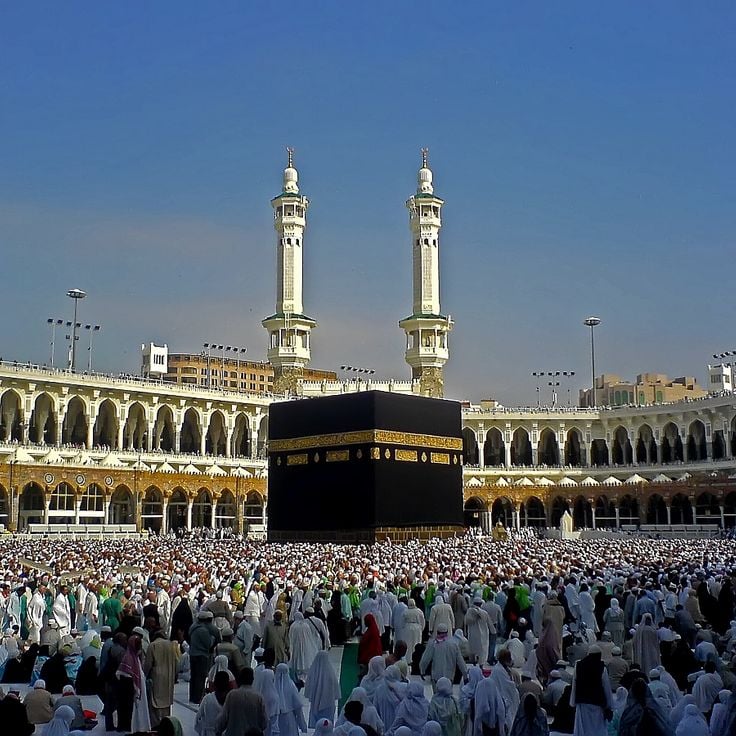
Al Masjid al Haram is the holiest mosque in Islam, surrounding the Kaaba, which serves as the center of pilgrimage for Muslims around the world. This site draws millions of believers each year who come to pray and express their spiritual devotion. The mosque combines different architectural styles from various periods and demonstrates the development of Islamic architecture across centuries.
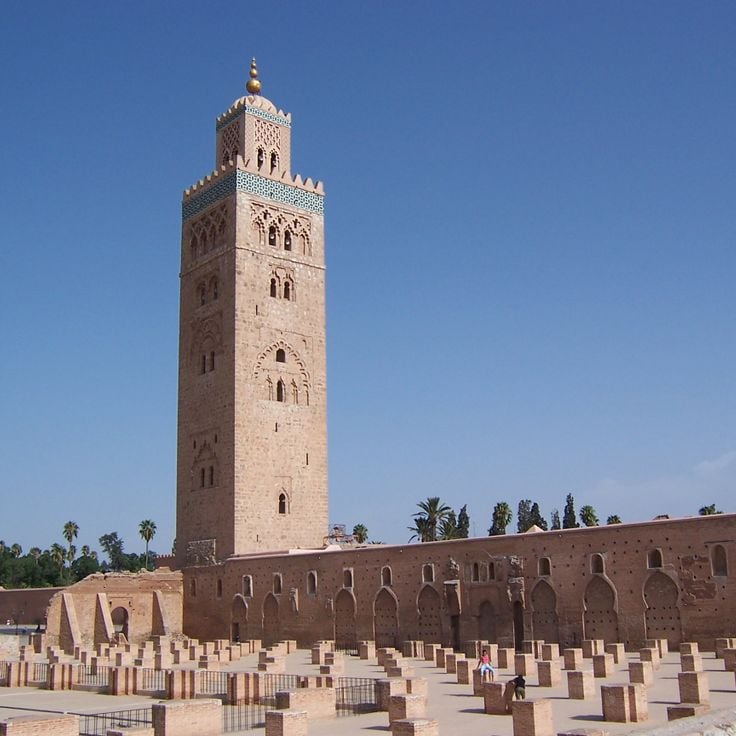
The Koutoubia Mosque in Marrakech stands as an important example of Islamic architecture. Its stone minaret rises above the medina and displays the Almohad style that flourished in medieval North Africa. The mosque occupies a prominent location at the edge of the old city and serves as a major religious center. Visitors can observe the architectural details that define this period.
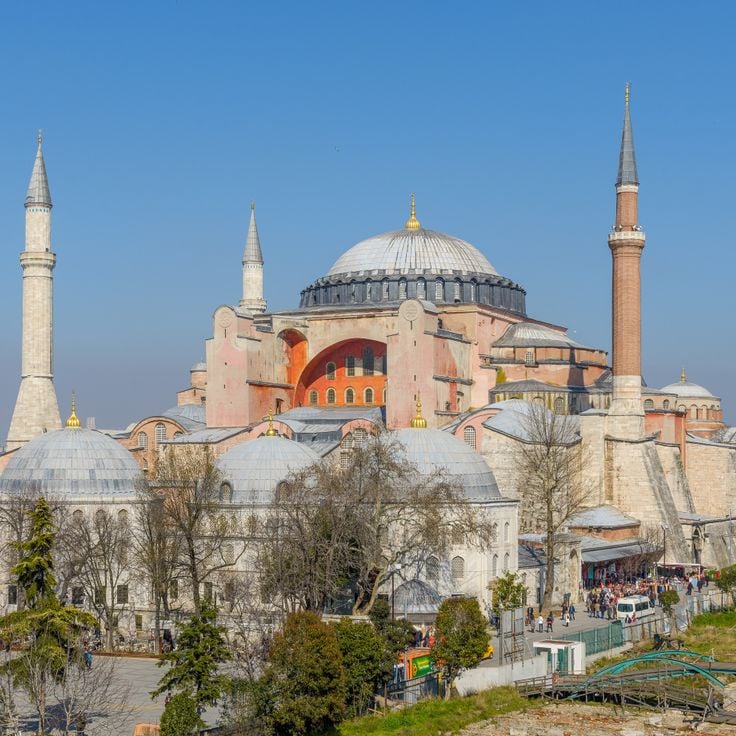
Hagia Sophia in Istanbul began as a Byzantine basilica and remains one of the most important structures in the city. Its massive dome dominates the interior and creates a striking effect when you first enter. The building has served many purposes over time: a church, later a mosque, and at one point a museum. Its architecture blends Eastern and Western design traditions, reflecting the complex history of Istanbul.
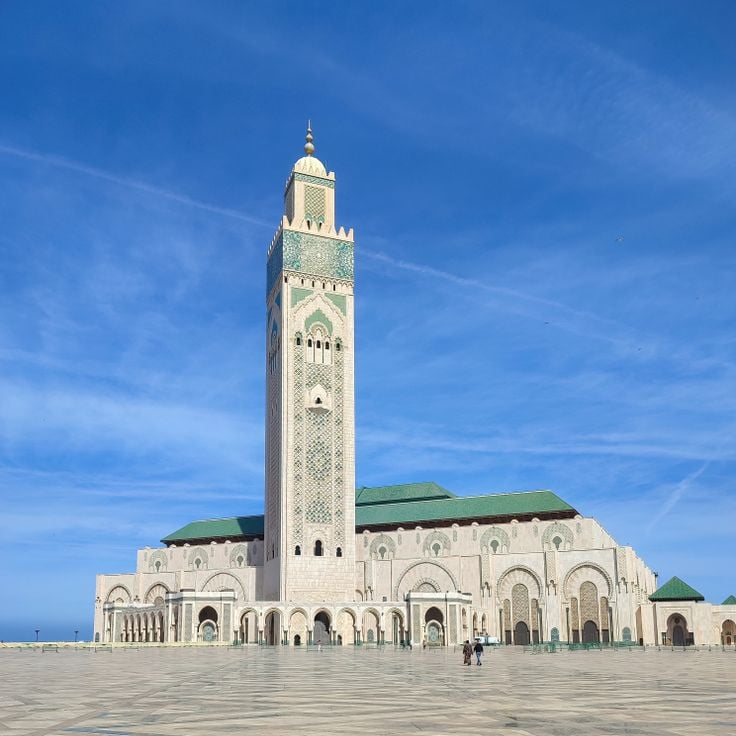
The Hassan II Mosque in Casablanca is a modern structure with a very tall minaret and a prayer hall built partly over the ocean. It shows the development of Islamic architecture in the 20th century and attracts visitors from around the world. This mosque represents its own building style and stands for a special historical period of Islamic architecture.
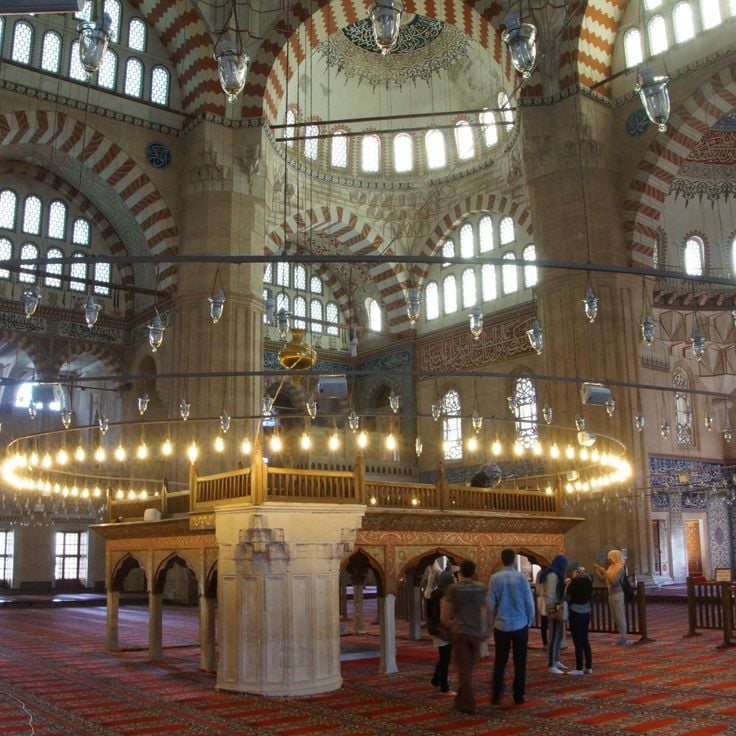
The Selimiye Mosque in Edirne is a masterwork of 16th-century Ottoman architecture. This mosque stands out for its central dome, which allows light to flood the interior space. The building demonstrates the technical skill of Ottoman builders and represents one of the most important Islamic structures from this period. Visitors experience a space shaped by careful design and skilled craftsmanship.
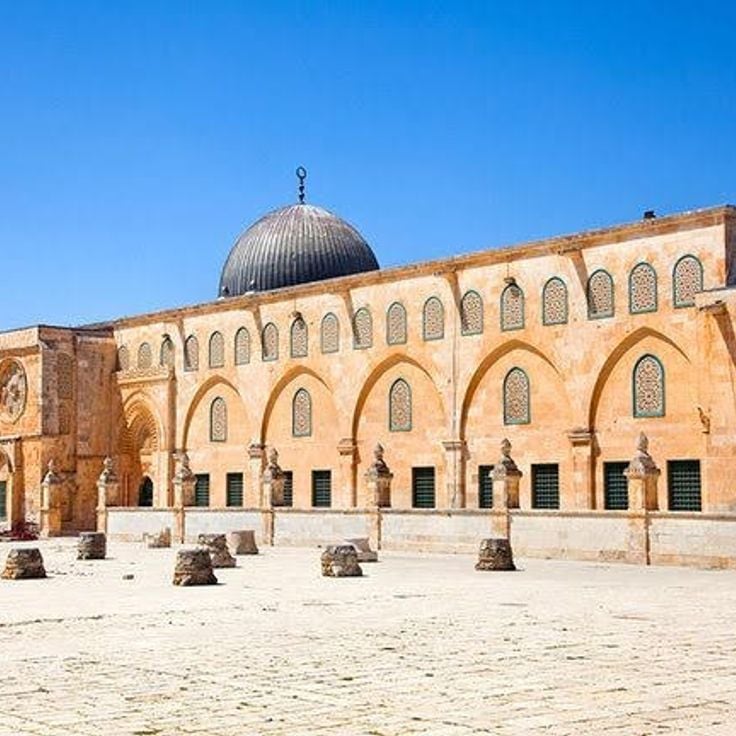
The Al Aqsa Mosque sits on the Temple Mount in the Old City of Jerusalem. It is one of the most important sanctuaries in Islam. The building shows Islamic architecture from different periods, as it has been restored and rebuilt several times over the centuries. Visitors from around the world come to see this spiritual place and understand its central role in Islamic history.
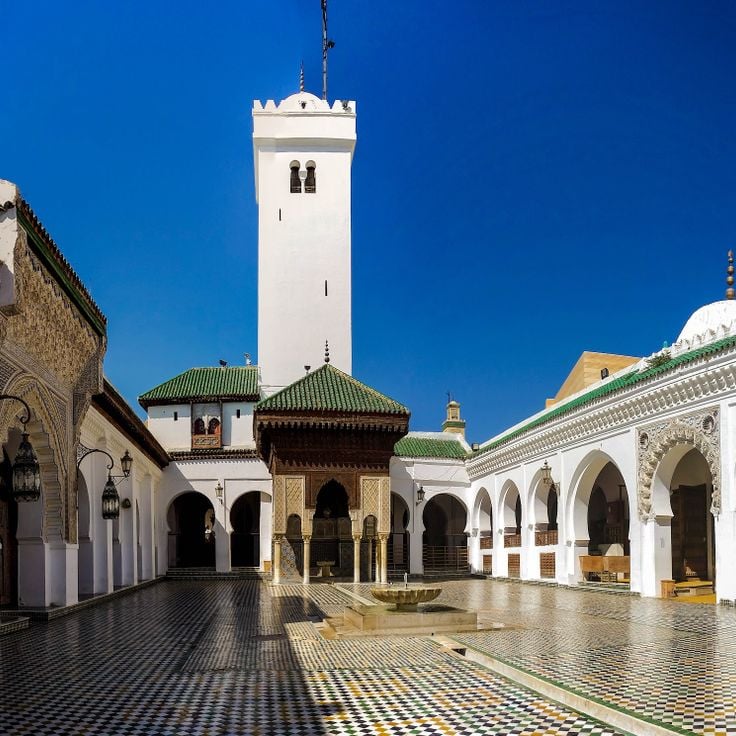
The Al-Qarawiyyin Mosque in Fès is one of the world's oldest Islamic universities. It features a courtyard and intricate arcaded structures that reflect centuries of architectural refinement. The building shows how Islamic scholarship developed over time through its various connected spaces and decorated chambers. Visitors can walk through learning halls and see how this place functioned as a center of knowledge and spiritual life. The craftsmanship visible throughout the building tells the story of Islamic culture and tradition.
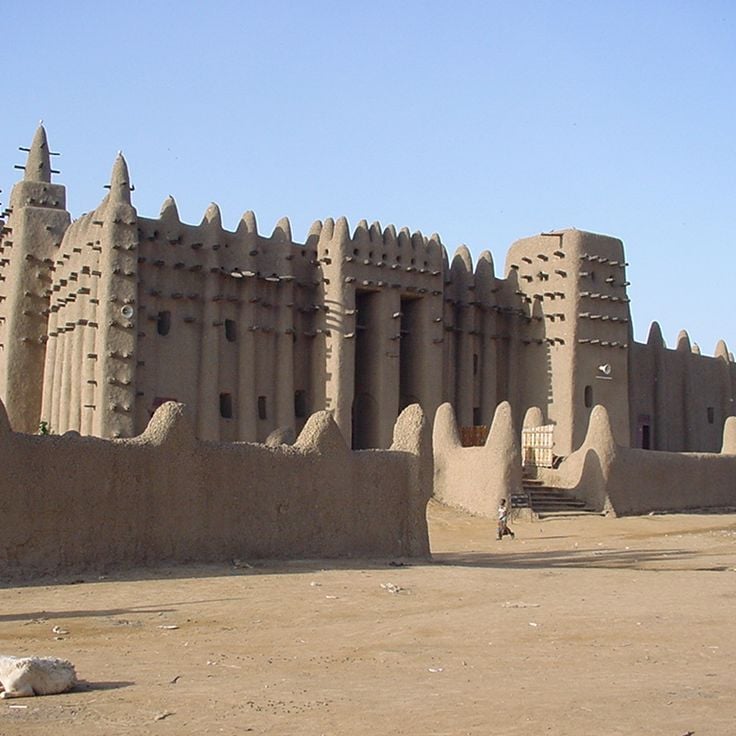
The Great Mosque of Djenné is a mud-brick structure built in Sudanese style. Its exterior is defined by protruding buttresses and a distinctive facade that catches the eye. This building displays the craft traditions of earthen architecture in West Africa and attracts visitors interested in exploring Islamic construction methods in the region.
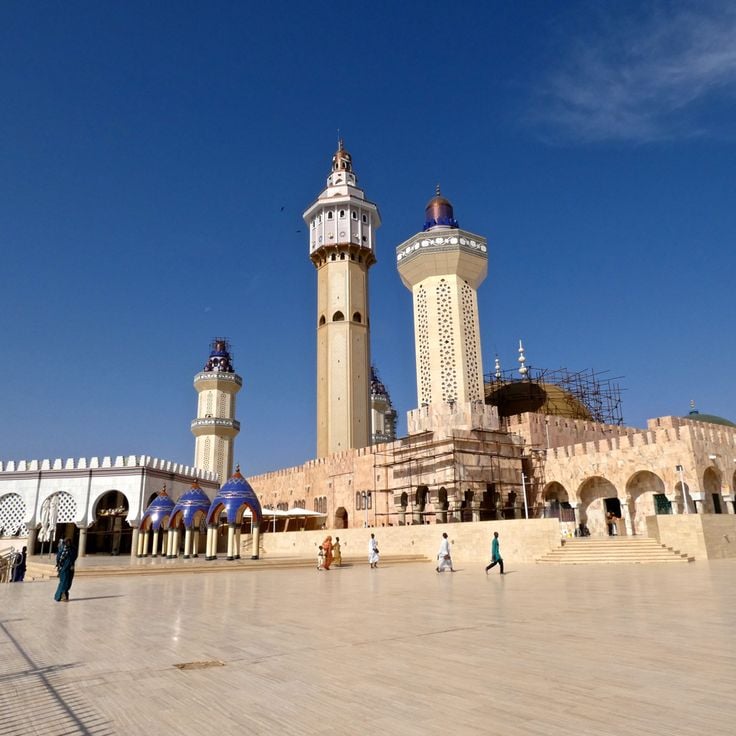
The Great Mosque of Touba is one of Senegal's most important mosques. Its distinctive minaret rises high above the city, and its red brick walls define the skyline. The mosque serves as a significant religious center and draws believers and visitors from around the world. It showcases the distinctive features of West African Islamic architecture, blending traditional construction methods with modern elements. The site holds deep spiritual value for the community.
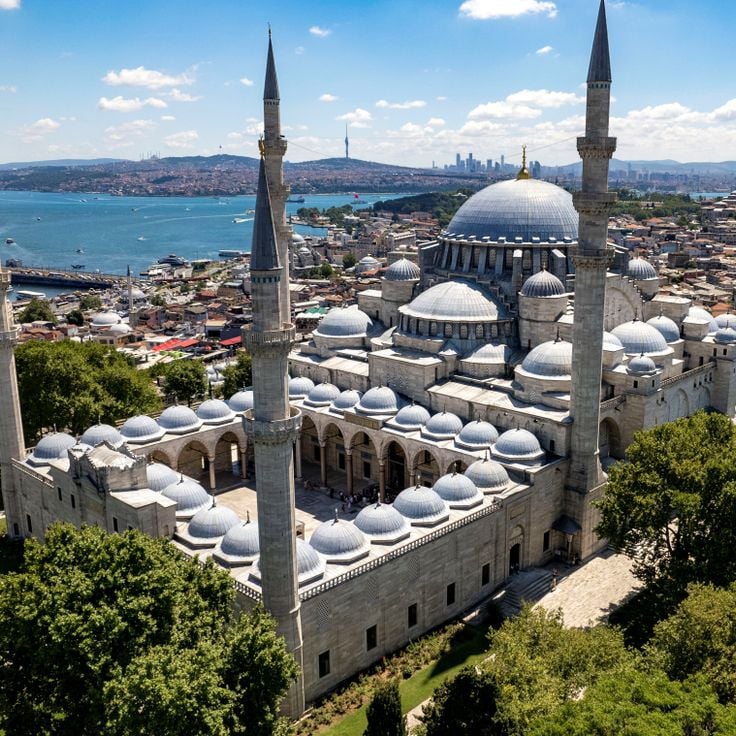
The Suleymaniye Mosque in Istanbul is a major work of Ottoman architecture from the 16th century. The building features four minarets and a spacious courtyard. The mosque demonstrates how Islamic architecture developed during the height of the Ottoman Empire and attracts visitors from around the world.
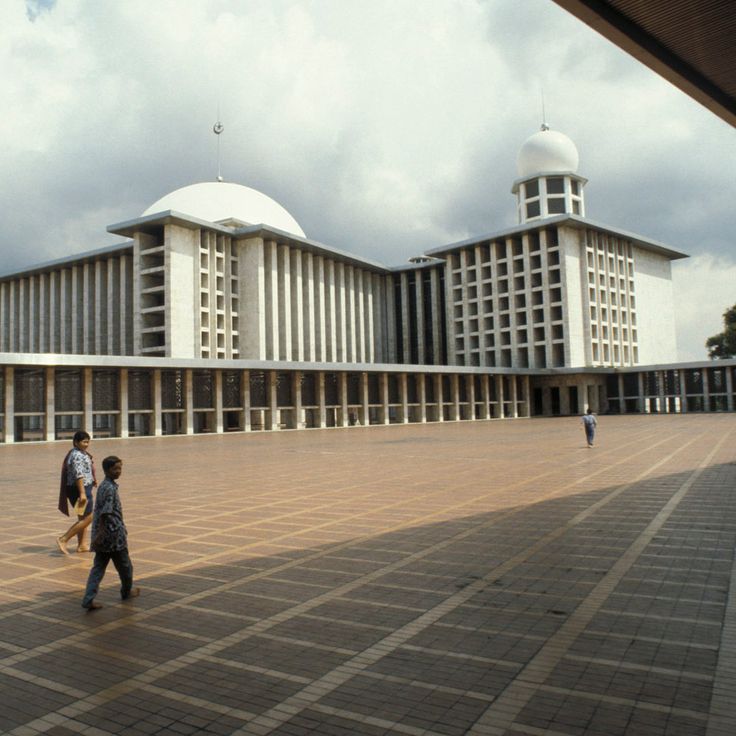
The Istiqlal Mosque in Jakarta combines modern architecture with Islamic traditions. It features spacious prayer halls and contemporary design that draws Muslim worshippers and visitors. The building demonstrates how modern architecture can create sacred spaces that serve the needs of a large community.
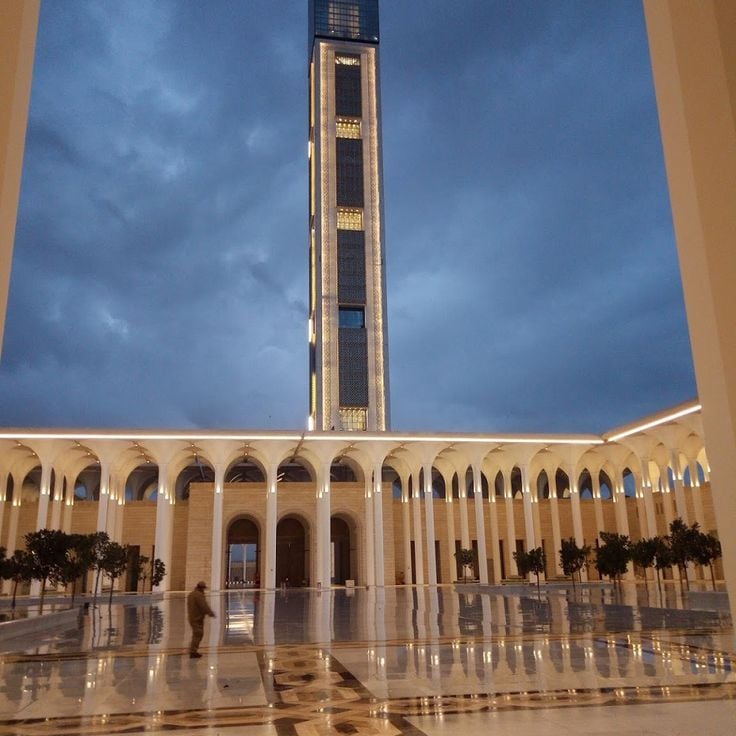
The Great Mosque of Algiers is a major place of worship in Algeria's capital city, built with modern Islamic architecture. Its central minaret stands as a distinctive landmark in the urban landscape. This mosque serves as an important spiritual center for the faithful and welcomes visitors who come to experience its contemporary design and connection to Islamic traditions.
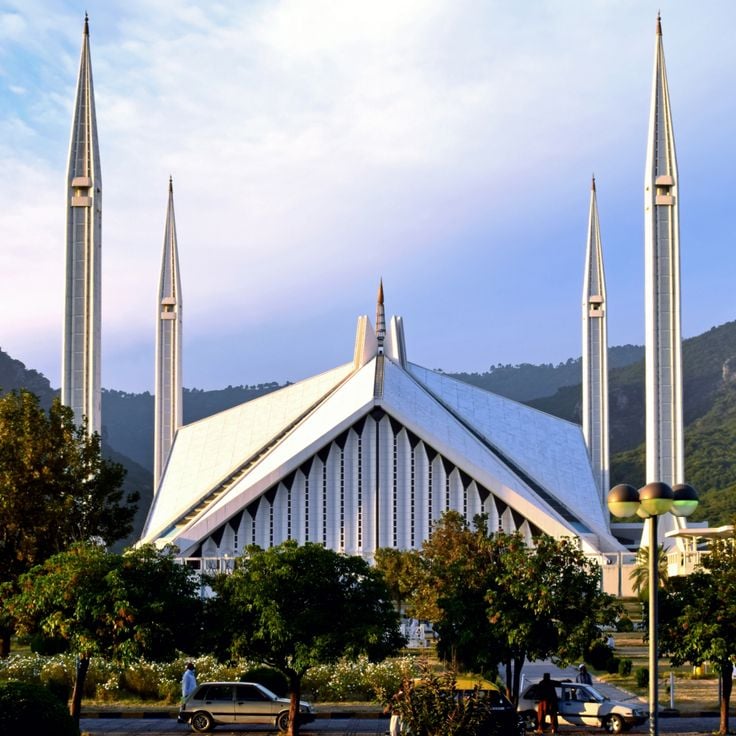
The Faisal Mosque in Islamabad is a modern place of worship featuring a large dome and a tall minaret. It ranks among the largest mosques in South Asia and displays contemporary Islamic architecture. The site draws visitors from around the world and serves as an important religious center in Pakistan.
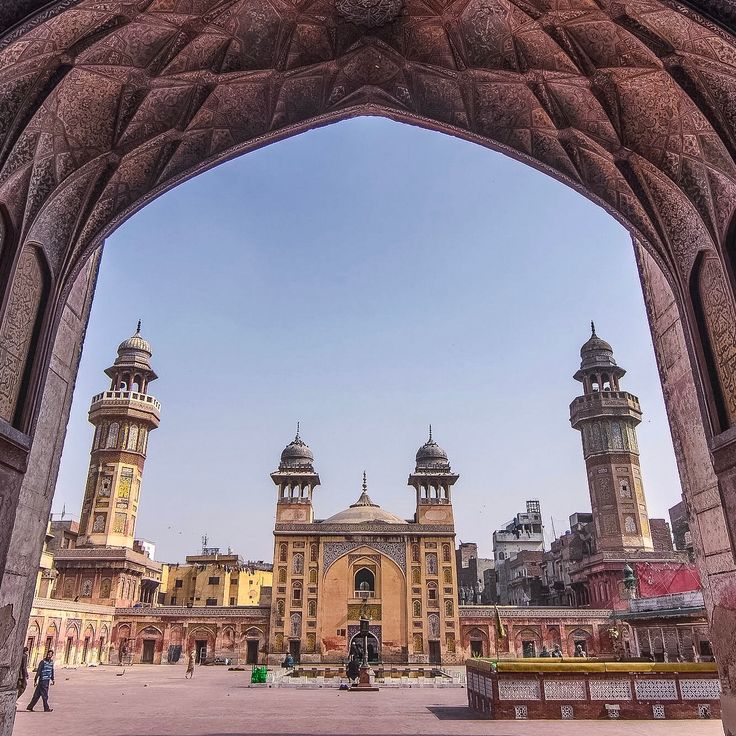
The Wazir Khan Mosque in Lahore is a Mughal structure with intricate architectural details. Colored ceramic tiles cover the walls and create visual patterns throughout the space. The mosque displays the craftsmanship of artisans from earlier periods. Visitors can observe the detailed ornamentation and spatial arrangement that hold religious significance for Islamic worship.
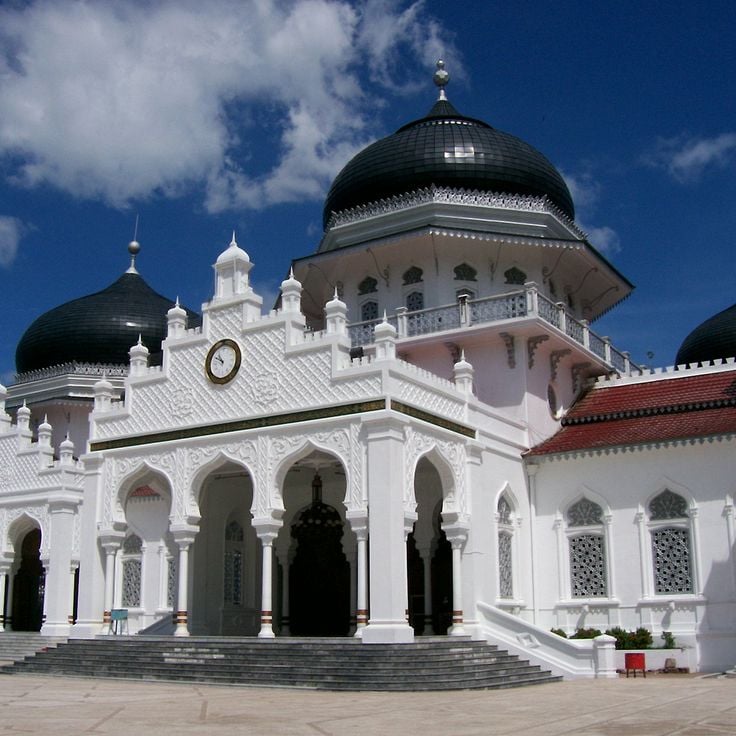
The Baiturrahman Mosque in Banda Aceh stands as a place of worship with striking black domes and Indo-Islamic architecture. It holds deep spiritual importance for the local community and demonstrates how Islamic design principles blend with regional building traditions. Visitors can observe the devotion and craftsmanship reflected in every aspect of this structure.
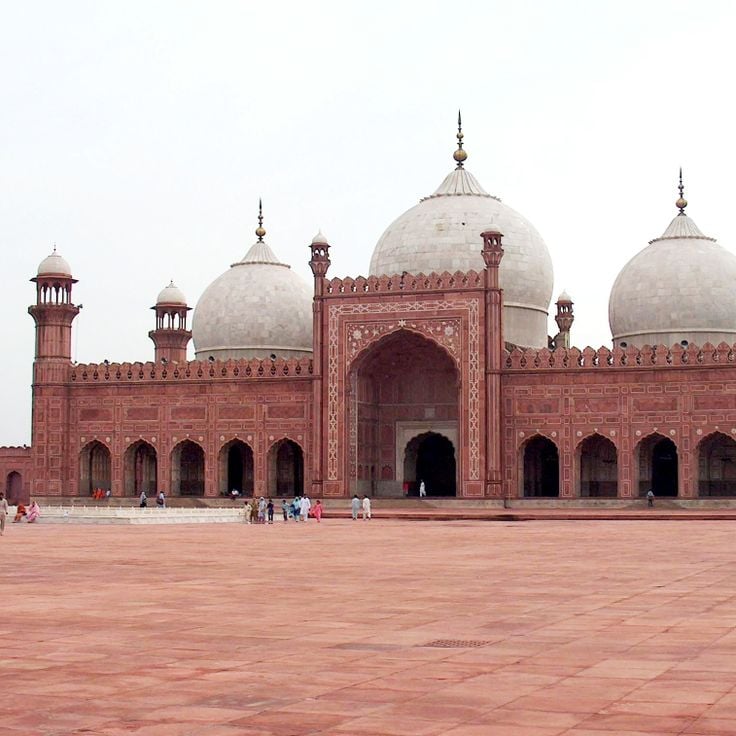
The Badshahi Mosque in Lahore is a major Mughal architectural work from the 17th century. It features large domes and slender minarets that stand out in the city skyline. The building displays the craftsmanship and wealth of its era. Visitors can experience the scale of the courtyard and examine the decorative details throughout the structure.
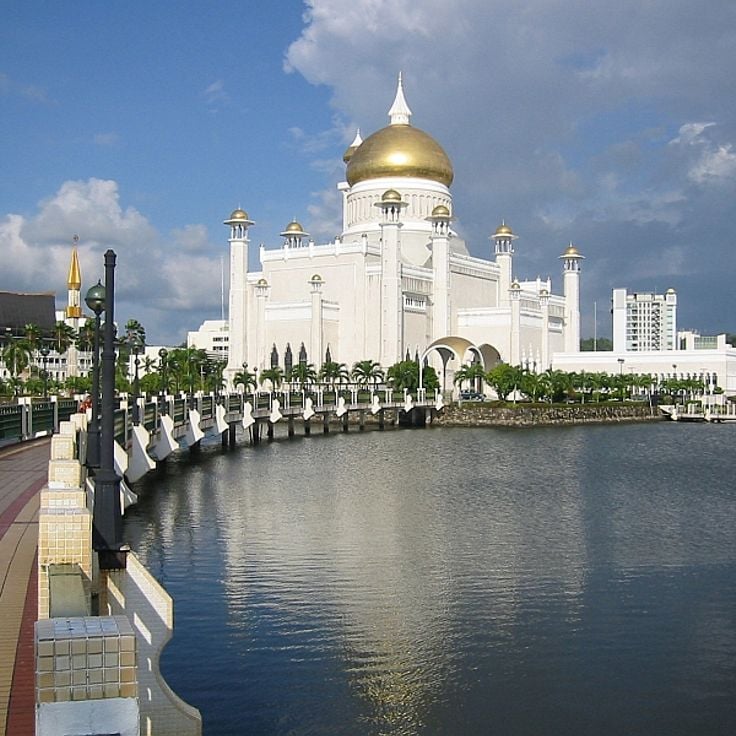
The Mosque Sultan Omar Ali Saifuddien is located in Bandar Seri Begawan and represents the architecture of Brunei. The building combines Indian and Islamic style elements. A tall minaret shapes the exterior of the mosque. It is an important place for the faithful and also attracts visitors from other countries. The mosque represents the religious and cultural history of the country.
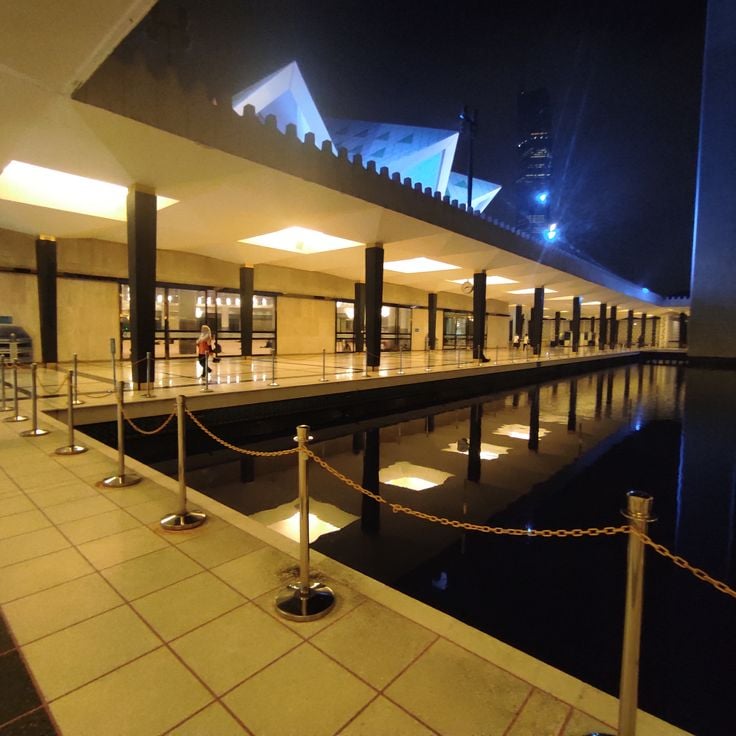
Masjid Negara is the national mosque of Malaysia, built as a symbol of the country's identity and faith. Located in Kuala Lumpur, it combines contemporary architecture with traditional Islamic design. The building features distinctive elements that make it recognizable across the region. Surrounding gardens provide a quiet space for reflection and prayer. This mosque represents Malaysia's spiritual heritage and welcomes visitors seeking to understand Islamic architecture.
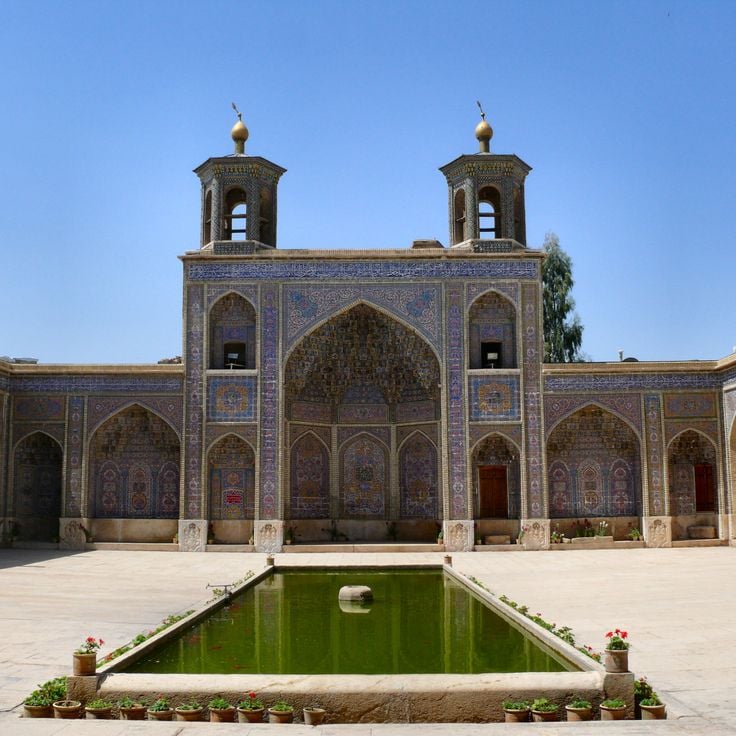
The Nasir al-Molk Mosque in Shiraz stands out for its colored glass windows and gleaming tilework. Natural light enters through the windows and casts colorful patterns across the interior surfaces. The walls and floors feature intricate tiles with geometric and floral designs. The mosque demonstrates the craftsmanship of Islamic architecture through its detailed decorative elements.
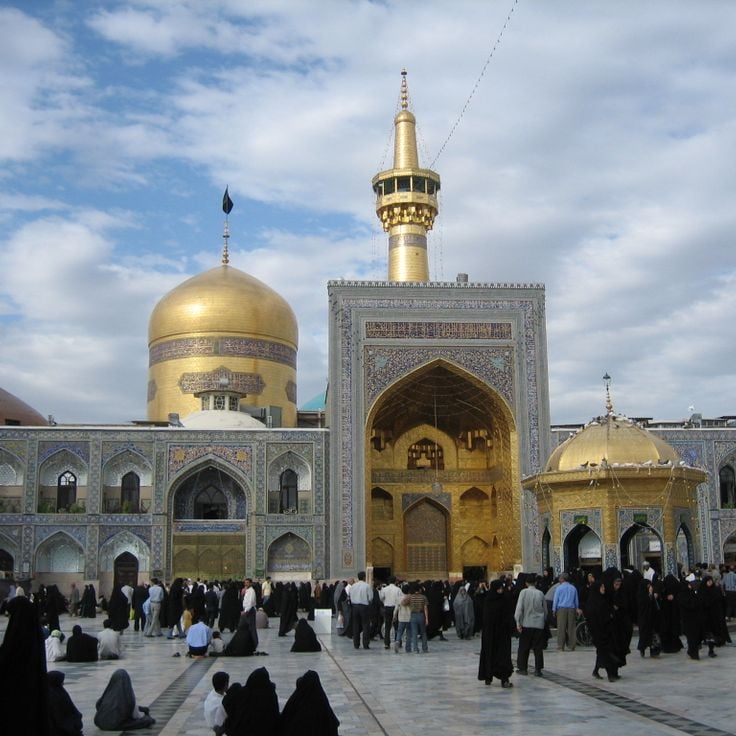
The Imam Reza Mosque in Mashhad is the holiest shrine in Shia Islam. It houses the mausoleum of Imam Reza and welcomes thousands of pilgrims daily from around the world. The building combines traditional Islamic architecture with elaborate decorations and expansive courtyards. This mosque serves as both a place of worship and a center of Shia faith and culture.
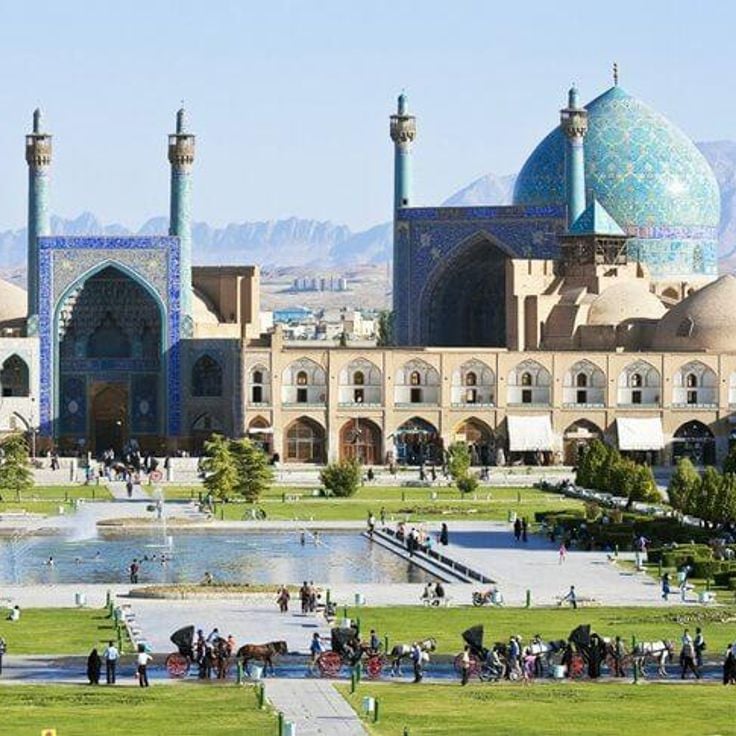
The Shah Mosque in Isfahan stands as a major work of Safavid architecture in Iran. Its walls display brilliant turquoise tilework and intricate calligraphy that covers the interior spaces. The building shows the craftsmanship and artistic skill of its era. Visitors come from around the world to see this place of worship and its detailed decoration.
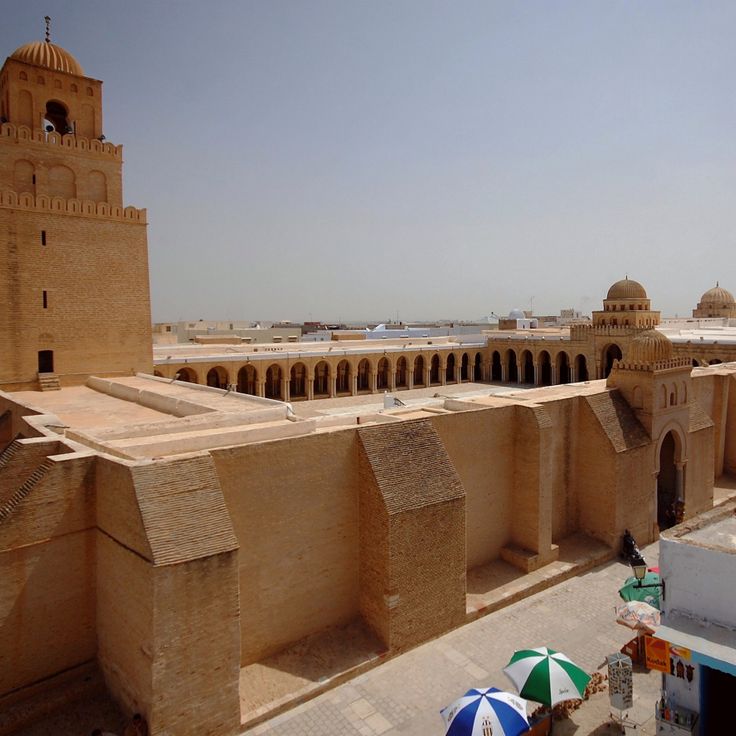
The Great Mosque of Kairouan is one of the oldest mosques in the Maghreb and displays Arab-Muslim architecture in its classical form. This historical site in Tunisia embodies the development of Islamic architecture over many centuries and draws visitors from around the world.
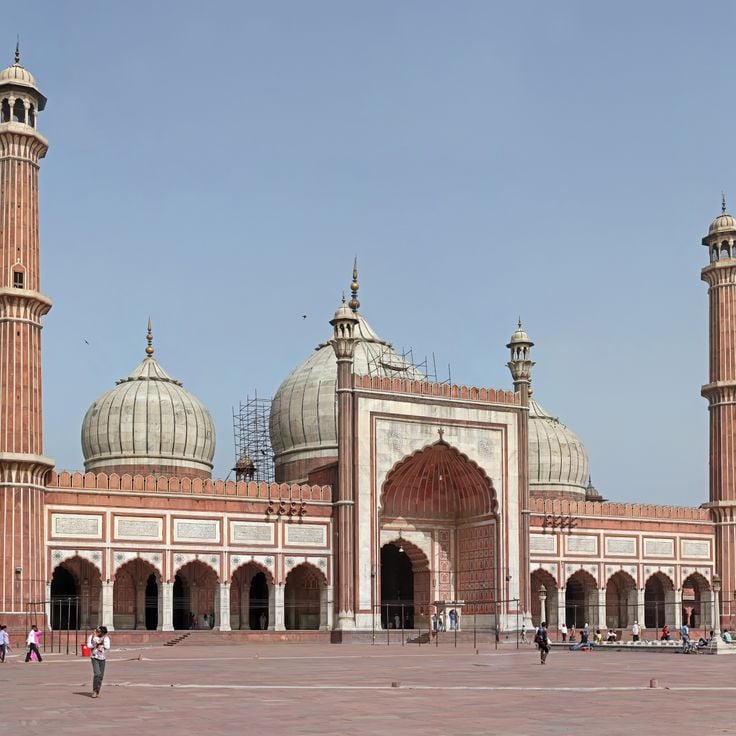
The Jama Masjid is a major mosque from the Mughal era in Delhi. It features a spacious courtyard and two prominent minarets. The building displays the characteristic architecture of Islamic construction from this period and remains an important place for worshippers and visitors.
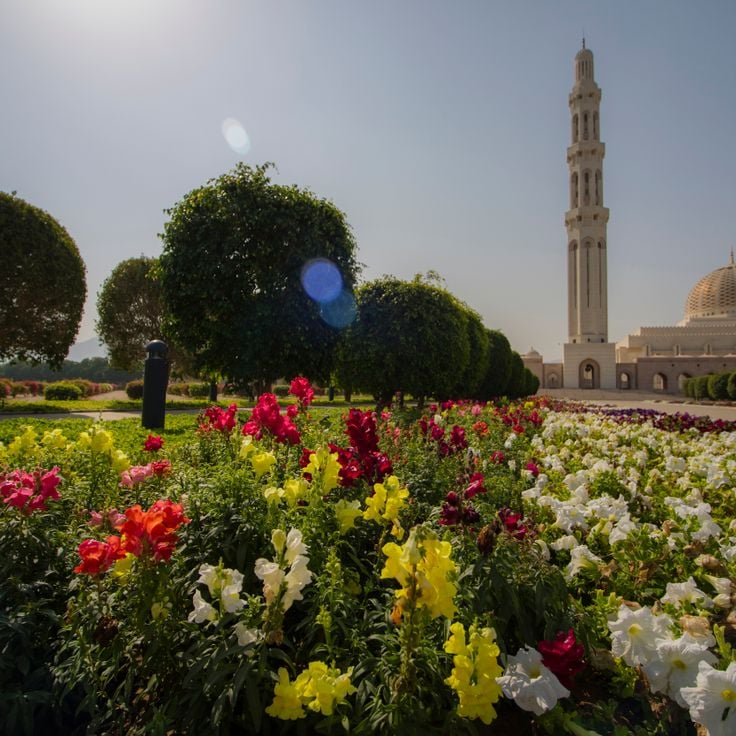
The Sultan Qaboos Mosque in Muscat is a modern mosque that stands out with its white minaret and massive chandeliers. The building features elaborate ornamentation throughout its spaces. This place of worship represents contemporary Islamic architecture and serves as one of Oman's major religious sites, reflecting the country's spiritual life and architectural vision from the late 20th century.
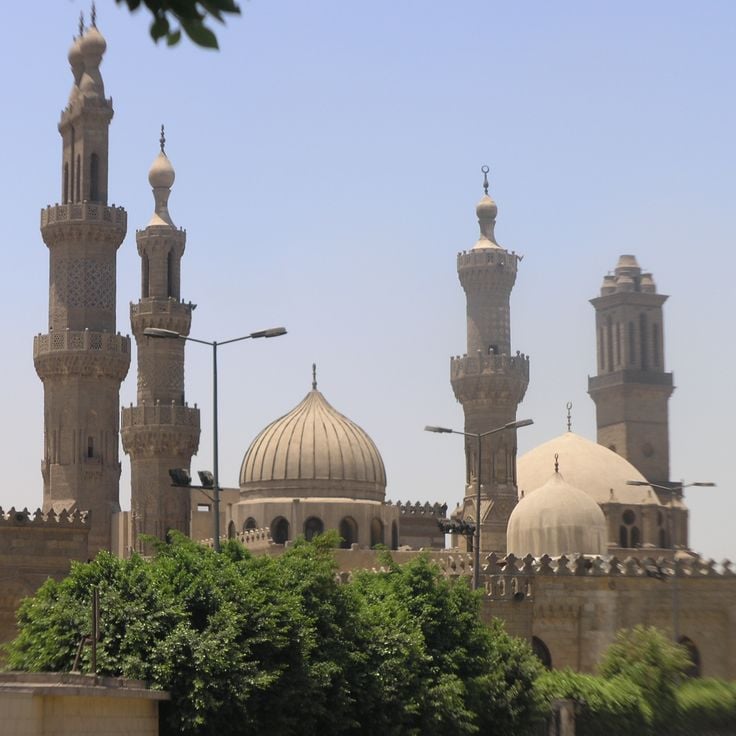
Al-Azhar Mosque is one of Cairo's most important religious and academic institutions. Founded in the 10th century, it has served as both a place of prayer and a university for hundreds of years. The building displays the development of Islamic architecture across multiple periods. Its halls are decorated with elaborate details, and the spaces reflect the long history of the site. The mosque attracts worshippers and visitors from around the world who come to admire its architectural features and religious significance.
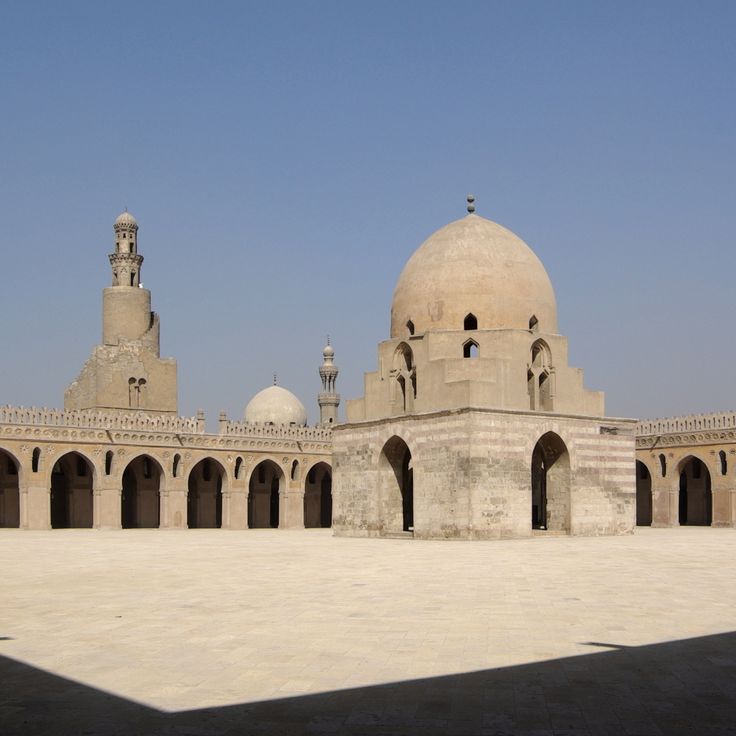
The Ibn Tulun Mosque in Cairo is a medieval structure with a spacious courtyard and a spiral minaret, ranking among Egypt's oldest mosques. Built in the 9th century, it demonstrates early Islamic architecture and captures attention through its understated design and expansive layout. Visitors can walk through the courtyards and climb the minaret to see views across Cairo.
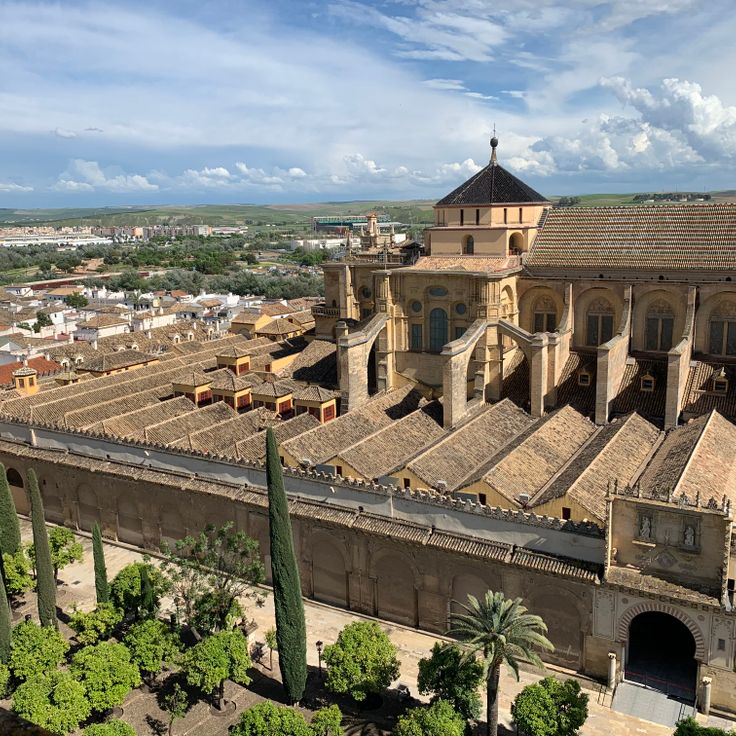
The Mosque-Cathedral of Córdoba is a building that reflects the history of two religions. It began as a mosque and was later transformed into a cathedral. The structure displays skilled Islamic architecture from the Middle Ages. Visitors can see the striking columns and arches that define the interior. This building is an important example of architectural history and draws people from around the world.
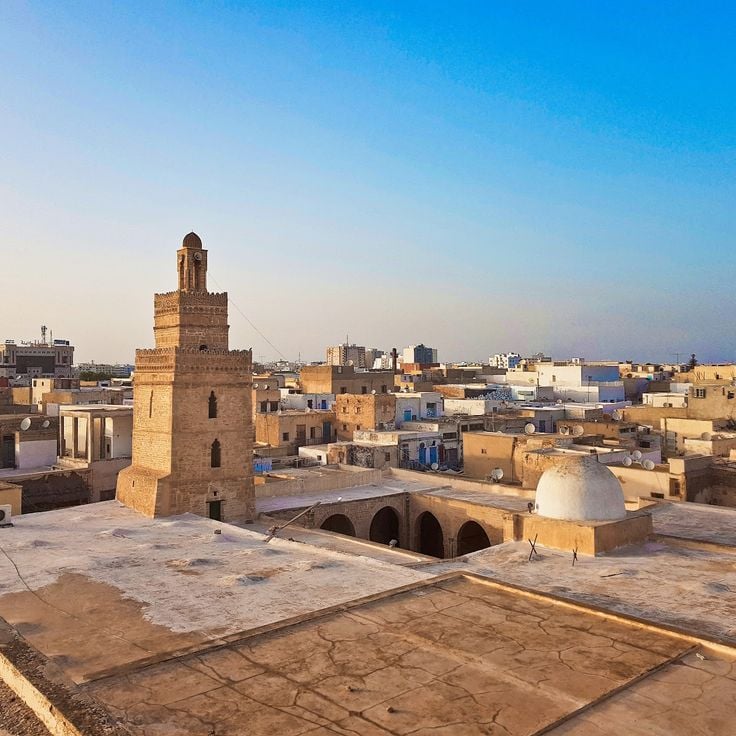
The Great Mosque of Sfax is a place of worship in the Tunisian city of Sfax and features traditional architecture with a stone minaret. It reflects the building styles of Islamic tradition in North Africa and welcomes visitors from many backgrounds who are interested in the religious history of the area.
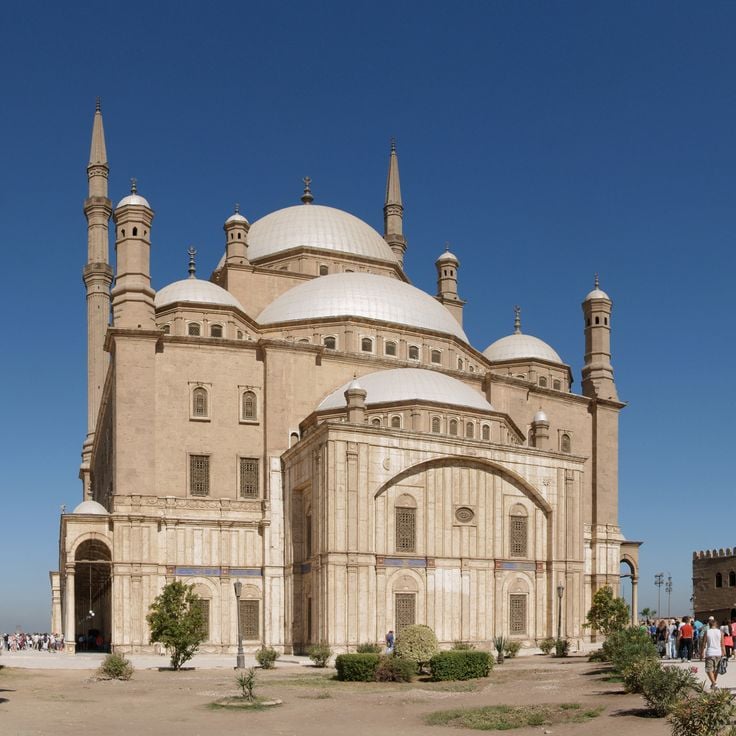
The Mohammed Ali Mosque sits within the Citadel of Cairo and represents Ottoman architectural design. The building features a white dome and two minarets that rise above the Cairo skyline. Built in the 19th century, it serves as an important place of worship and draws visitors from around the world.
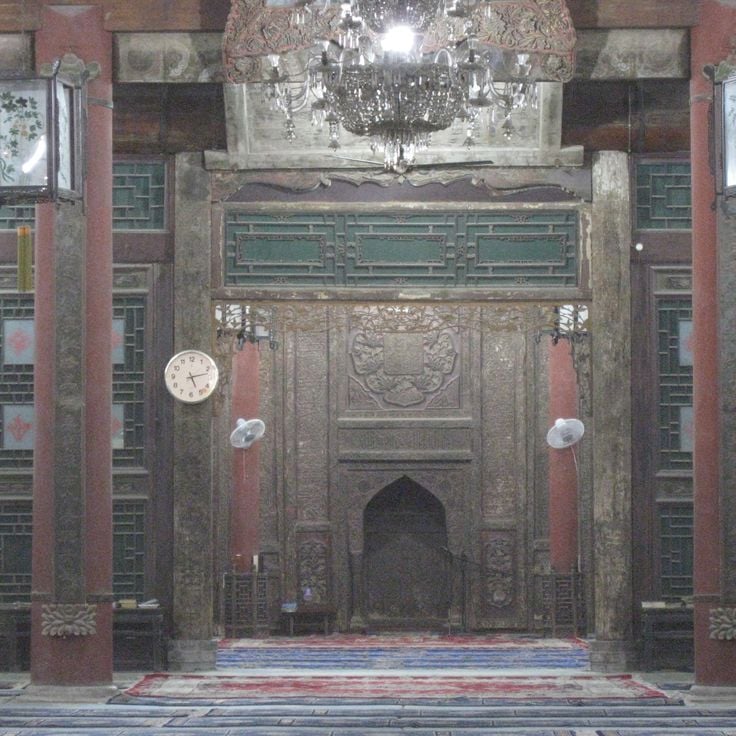
The Great Mosque of Xi'an is an important religious site that blends Chinese architectural traditions with Islamic design. Among the oldest mosques in China, it demonstrates how Islamic faith took root in Chinese culture over centuries. The building combines different structural elements and represents a long history of spiritual practice and cultural exchange.
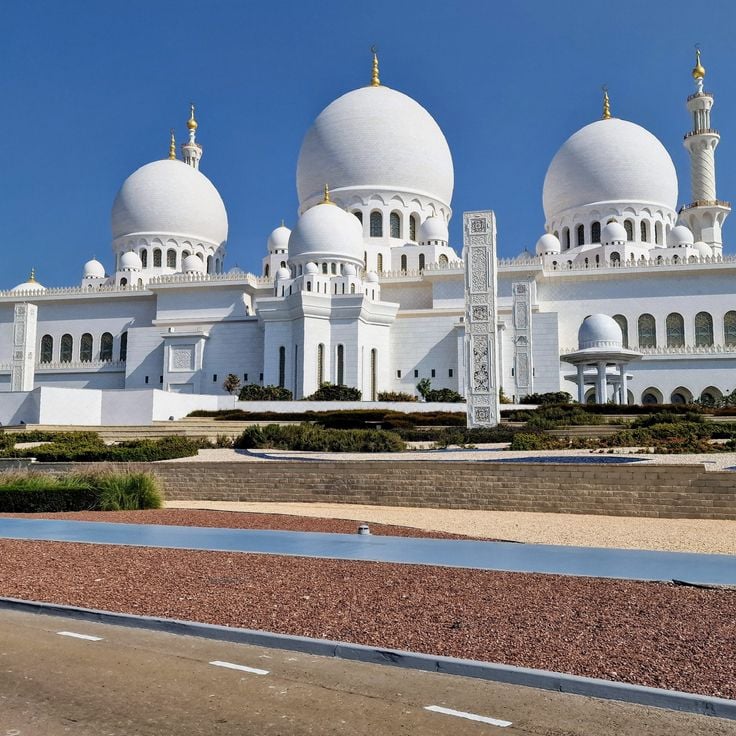
The Sheikh Zayed Mosque in Abu Dhabi features white marble walls and multiple domes, making it one of the largest mosques in the world. This place of worship showcases modern Islamic architecture and draws visitors from around the globe. The mosque serves as a significant spiritual center and represents contemporary approaches to sacred design in the United Arab Emirates.
The Blue Mosque in Istanbul stands as a remarkable example of Ottoman architectural design. Its six minarets and distinctive blue domes create a striking presence in the city. This place of worship reflects the craftsmanship of its era and draws visitors who wish to experience one of the world's significant Islamic religious structures.
Al Masjid an Nabawi is one of Islam's holiest places. Located in Medina, it was built around the tomb of the Prophet Muhammad. Millions of worshippers come here each year to pray and visit the sacred spaces. The mosque displays the evolution of Islamic architecture across many centuries. Its structure blends historical and contemporary building techniques.
Al Masjid al Haram is the holiest mosque in Islam, surrounding the Kaaba, which serves as the center of pilgrimage for Muslims around the world. This site draws millions of believers each year who come to pray and express their spiritual devotion. The mosque combines different architectural styles from various periods and demonstrates the development of Islamic architecture across centuries.
The Koutoubia Mosque in Marrakech stands as an important example of Islamic architecture. Its stone minaret rises above the medina and displays the Almohad style that flourished in medieval North Africa. The mosque occupies a prominent location at the edge of the old city and serves as a major religious center. Visitors can observe the architectural details that define this period.
Hagia Sophia in Istanbul began as a Byzantine basilica and remains one of the most important structures in the city. Its massive dome dominates the interior and creates a striking effect when you first enter. The building has served many purposes over time: a church, later a mosque, and at one point a museum. Its architecture blends Eastern and Western design traditions, reflecting the complex history of Istanbul.
The Hassan II Mosque in Casablanca is a modern structure with a very tall minaret and a prayer hall built partly over the ocean. It shows the development of Islamic architecture in the 20th century and attracts visitors from around the world. This mosque represents its own building style and stands for a special historical period of Islamic architecture.
The Selimiye Mosque in Edirne is a masterwork of 16th-century Ottoman architecture. This mosque stands out for its central dome, which allows light to flood the interior space. The building demonstrates the technical skill of Ottoman builders and represents one of the most important Islamic structures from this period. Visitors experience a space shaped by careful design and skilled craftsmanship.
The Al Aqsa Mosque sits on the Temple Mount in the Old City of Jerusalem. It is one of the most important sanctuaries in Islam. The building shows Islamic architecture from different periods, as it has been restored and rebuilt several times over the centuries. Visitors from around the world come to see this spiritual place and understand its central role in Islamic history.
The Al-Qarawiyyin Mosque in Fès is one of the world's oldest Islamic universities. It features a courtyard and intricate arcaded structures that reflect centuries of architectural refinement. The building shows how Islamic scholarship developed over time through its various connected spaces and decorated chambers. Visitors can walk through learning halls and see how this place functioned as a center of knowledge and spiritual life. The craftsmanship visible throughout the building tells the story of Islamic culture and tradition.
The Great Mosque of Djenné is a mud-brick structure built in Sudanese style. Its exterior is defined by protruding buttresses and a distinctive facade that catches the eye. This building displays the craft traditions of earthen architecture in West Africa and attracts visitors interested in exploring Islamic construction methods in the region.
The Great Mosque of Touba is one of Senegal's most important mosques. Its distinctive minaret rises high above the city, and its red brick walls define the skyline. The mosque serves as a significant religious center and draws believers and visitors from around the world. It showcases the distinctive features of West African Islamic architecture, blending traditional construction methods with modern elements. The site holds deep spiritual value for the community.
The Suleymaniye Mosque in Istanbul is a major work of Ottoman architecture from the 16th century. The building features four minarets and a spacious courtyard. The mosque demonstrates how Islamic architecture developed during the height of the Ottoman Empire and attracts visitors from around the world.
The Istiqlal Mosque in Jakarta combines modern architecture with Islamic traditions. It features spacious prayer halls and contemporary design that draws Muslim worshippers and visitors. The building demonstrates how modern architecture can create sacred spaces that serve the needs of a large community.
The Great Mosque of Algiers is a major place of worship in Algeria's capital city, built with modern Islamic architecture. Its central minaret stands as a distinctive landmark in the urban landscape. This mosque serves as an important spiritual center for the faithful and welcomes visitors who come to experience its contemporary design and connection to Islamic traditions.
The Faisal Mosque in Islamabad is a modern place of worship featuring a large dome and a tall minaret. It ranks among the largest mosques in South Asia and displays contemporary Islamic architecture. The site draws visitors from around the world and serves as an important religious center in Pakistan.
The Wazir Khan Mosque in Lahore is a Mughal structure with intricate architectural details. Colored ceramic tiles cover the walls and create visual patterns throughout the space. The mosque displays the craftsmanship of artisans from earlier periods. Visitors can observe the detailed ornamentation and spatial arrangement that hold religious significance for Islamic worship.
The Baiturrahman Mosque in Banda Aceh stands as a place of worship with striking black domes and Indo-Islamic architecture. It holds deep spiritual importance for the local community and demonstrates how Islamic design principles blend with regional building traditions. Visitors can observe the devotion and craftsmanship reflected in every aspect of this structure.
The Badshahi Mosque in Lahore is a major Mughal architectural work from the 17th century. It features large domes and slender minarets that stand out in the city skyline. The building displays the craftsmanship and wealth of its era. Visitors can experience the scale of the courtyard and examine the decorative details throughout the structure.
The Mosque Sultan Omar Ali Saifuddien is located in Bandar Seri Begawan and represents the architecture of Brunei. The building combines Indian and Islamic style elements. A tall minaret shapes the exterior of the mosque. It is an important place for the faithful and also attracts visitors from other countries. The mosque represents the religious and cultural history of the country.
Masjid Negara is the national mosque of Malaysia, built as a symbol of the country's identity and faith. Located in Kuala Lumpur, it combines contemporary architecture with traditional Islamic design. The building features distinctive elements that make it recognizable across the region. Surrounding gardens provide a quiet space for reflection and prayer. This mosque represents Malaysia's spiritual heritage and welcomes visitors seeking to understand Islamic architecture.
The Nasir al-Molk Mosque in Shiraz stands out for its colored glass windows and gleaming tilework. Natural light enters through the windows and casts colorful patterns across the interior surfaces. The walls and floors feature intricate tiles with geometric and floral designs. The mosque demonstrates the craftsmanship of Islamic architecture through its detailed decorative elements.
The Imam Reza Mosque in Mashhad is the holiest shrine in Shia Islam. It houses the mausoleum of Imam Reza and welcomes thousands of pilgrims daily from around the world. The building combines traditional Islamic architecture with elaborate decorations and expansive courtyards. This mosque serves as both a place of worship and a center of Shia faith and culture.
The Shah Mosque in Isfahan stands as a major work of Safavid architecture in Iran. Its walls display brilliant turquoise tilework and intricate calligraphy that covers the interior spaces. The building shows the craftsmanship and artistic skill of its era. Visitors come from around the world to see this place of worship and its detailed decoration.
The Great Mosque of Kairouan is one of the oldest mosques in the Maghreb and displays Arab-Muslim architecture in its classical form. This historical site in Tunisia embodies the development of Islamic architecture over many centuries and draws visitors from around the world.
The Jama Masjid is a major mosque from the Mughal era in Delhi. It features a spacious courtyard and two prominent minarets. The building displays the characteristic architecture of Islamic construction from this period and remains an important place for worshippers and visitors.
The Sultan Qaboos Mosque in Muscat is a modern mosque that stands out with its white minaret and massive chandeliers. The building features elaborate ornamentation throughout its spaces. This place of worship represents contemporary Islamic architecture and serves as one of Oman's major religious sites, reflecting the country's spiritual life and architectural vision from the late 20th century.
Al-Azhar Mosque is one of Cairo's most important religious and academic institutions. Founded in the 10th century, it has served as both a place of prayer and a university for hundreds of years. The building displays the development of Islamic architecture across multiple periods. Its halls are decorated with elaborate details, and the spaces reflect the long history of the site. The mosque attracts worshippers and visitors from around the world who come to admire its architectural features and religious significance.
The Ibn Tulun Mosque in Cairo is a medieval structure with a spacious courtyard and a spiral minaret, ranking among Egypt's oldest mosques. Built in the 9th century, it demonstrates early Islamic architecture and captures attention through its understated design and expansive layout. Visitors can walk through the courtyards and climb the minaret to see views across Cairo.
The Mosque-Cathedral of Córdoba is a building that reflects the history of two religions. It began as a mosque and was later transformed into a cathedral. The structure displays skilled Islamic architecture from the Middle Ages. Visitors can see the striking columns and arches that define the interior. This building is an important example of architectural history and draws people from around the world.
The Great Mosque of Sfax is a place of worship in the Tunisian city of Sfax and features traditional architecture with a stone minaret. It reflects the building styles of Islamic tradition in North Africa and welcomes visitors from many backgrounds who are interested in the religious history of the area.
The Mohammed Ali Mosque sits within the Citadel of Cairo and represents Ottoman architectural design. The building features a white dome and two minarets that rise above the Cairo skyline. Built in the 19th century, it serves as an important place of worship and draws visitors from around the world.
The Great Mosque of Xi'an is an important religious site that blends Chinese architectural traditions with Islamic design. Among the oldest mosques in China, it demonstrates how Islamic faith took root in Chinese culture over centuries. The building combines different structural elements and represents a long history of spiritual practice and cultural exchange.
The Sheikh Zayed Mosque in Abu Dhabi features white marble walls and multiple domes, making it one of the largest mosques in the world. This place of worship showcases modern Islamic architecture and draws visitors from around the globe. The mosque serves as a significant spiritual center and represents contemporary approaches to sacred design in the United Arab Emirates.
The Blue Mosque in Istanbul stands as a remarkable example of Ottoman architectural design. Its six minarets and distinctive blue domes create a striking presence in the city. This place of worship reflects the craftsmanship of its era and draws visitors who wish to experience one of the world's significant Islamic religious structures.
Al Masjid an Nabawi is one of Islam's holiest places. Located in Medina, it was built around the tomb of the Prophet Muhammad. Millions of worshippers come here each year to pray and visit the sacred spaces. The mosque displays the evolution of Islamic architecture across many centuries. Its structure blends historical and contemporary building techniques.
Al Masjid al Haram is the holiest mosque in Islam, surrounding the Kaaba, which serves as the center of pilgrimage for Muslims around the world. This site draws millions of believers each year who come to pray and express their spiritual devotion. The mosque combines different architectural styles from various periods and demonstrates the development of Islamic architecture across centuries.
The Koutoubia Mosque in Marrakech stands as an important example of Islamic architecture. Its stone minaret rises above the medina and displays the Almohad style that flourished in medieval North Africa. The mosque occupies a prominent location at the edge of the old city and serves as a major religious center. Visitors can observe the architectural details that define this period.
Hagia Sophia in Istanbul began as a Byzantine basilica and remains one of the most important structures in the city. Its massive dome dominates the interior and creates a striking effect when you first enter. The building has served many purposes over time: a church, later a mosque, and at one point a museum. Its architecture blends Eastern and Western design traditions, reflecting the complex history of Istanbul.
The Hassan II Mosque in Casablanca is a modern structure with a very tall minaret and a prayer hall built partly over the ocean. It shows the development of Islamic architecture in the 20th century and attracts visitors from around the world. This mosque represents its own building style and stands for a special historical period of Islamic architecture.
The Selimiye Mosque in Edirne is a masterwork of 16th-century Ottoman architecture. This mosque stands out for its central dome, which allows light to flood the interior space. The building demonstrates the technical skill of Ottoman builders and represents one of the most important Islamic structures from this period. Visitors experience a space shaped by careful design and skilled craftsmanship.
The Al Aqsa Mosque sits on the Temple Mount in the Old City of Jerusalem. It is one of the most important sanctuaries in Islam. The building shows Islamic architecture from different periods, as it has been restored and rebuilt several times over the centuries. Visitors from around the world come to see this spiritual place and understand its central role in Islamic history.
The Al-Qarawiyyin Mosque in Fès is one of the world's oldest Islamic universities. It features a courtyard and intricate arcaded structures that reflect centuries of architectural refinement. The building shows how Islamic scholarship developed over time through its various connected spaces and decorated chambers. Visitors can walk through learning halls and see how this place functioned as a center of knowledge and spiritual life. The craftsmanship visible throughout the building tells the story of Islamic culture and tradition.
The Great Mosque of Djenné is a mud-brick structure built in Sudanese style. Its exterior is defined by protruding buttresses and a distinctive facade that catches the eye. This building displays the craft traditions of earthen architecture in West Africa and attracts visitors interested in exploring Islamic construction methods in the region.
The Great Mosque of Touba is one of Senegal's most important mosques. Its distinctive minaret rises high above the city, and its red brick walls define the skyline. The mosque serves as a significant religious center and draws believers and visitors from around the world. It showcases the distinctive features of West African Islamic architecture, blending traditional construction methods with modern elements. The site holds deep spiritual value for the community.
The Suleymaniye Mosque in Istanbul is a major work of Ottoman architecture from the 16th century. The building features four minarets and a spacious courtyard. The mosque demonstrates how Islamic architecture developed during the height of the Ottoman Empire and attracts visitors from around the world.
The Istiqlal Mosque in Jakarta combines modern architecture with Islamic traditions. It features spacious prayer halls and contemporary design that draws Muslim worshippers and visitors. The building demonstrates how modern architecture can create sacred spaces that serve the needs of a large community.
The Great Mosque of Algiers is a major place of worship in Algeria's capital city, built with modern Islamic architecture. Its central minaret stands as a distinctive landmark in the urban landscape. This mosque serves as an important spiritual center for the faithful and welcomes visitors who come to experience its contemporary design and connection to Islamic traditions.
The Faisal Mosque in Islamabad is a modern place of worship featuring a large dome and a tall minaret. It ranks among the largest mosques in South Asia and displays contemporary Islamic architecture. The site draws visitors from around the world and serves as an important religious center in Pakistan.
The Wazir Khan Mosque in Lahore is a Mughal structure with intricate architectural details. Colored ceramic tiles cover the walls and create visual patterns throughout the space. The mosque displays the craftsmanship of artisans from earlier periods. Visitors can observe the detailed ornamentation and spatial arrangement that hold religious significance for Islamic worship.
The Baiturrahman Mosque in Banda Aceh stands as a place of worship with striking black domes and Indo-Islamic architecture. It holds deep spiritual importance for the local community and demonstrates how Islamic design principles blend with regional building traditions. Visitors can observe the devotion and craftsmanship reflected in every aspect of this structure.
The Badshahi Mosque in Lahore is a major Mughal architectural work from the 17th century. It features large domes and slender minarets that stand out in the city skyline. The building displays the craftsmanship and wealth of its era. Visitors can experience the scale of the courtyard and examine the decorative details throughout the structure.
The Mosque Sultan Omar Ali Saifuddien is located in Bandar Seri Begawan and represents the architecture of Brunei. The building combines Indian and Islamic style elements. A tall minaret shapes the exterior of the mosque. It is an important place for the faithful and also attracts visitors from other countries. The mosque represents the religious and cultural history of the country.
Masjid Negara is the national mosque of Malaysia, built as a symbol of the country's identity and faith. Located in Kuala Lumpur, it combines contemporary architecture with traditional Islamic design. The building features distinctive elements that make it recognizable across the region. Surrounding gardens provide a quiet space for reflection and prayer. This mosque represents Malaysia's spiritual heritage and welcomes visitors seeking to understand Islamic architecture.
The Nasir al-Molk Mosque in Shiraz stands out for its colored glass windows and gleaming tilework. Natural light enters through the windows and casts colorful patterns across the interior surfaces. The walls and floors feature intricate tiles with geometric and floral designs. The mosque demonstrates the craftsmanship of Islamic architecture through its detailed decorative elements.
The Imam Reza Mosque in Mashhad is the holiest shrine in Shia Islam. It houses the mausoleum of Imam Reza and welcomes thousands of pilgrims daily from around the world. The building combines traditional Islamic architecture with elaborate decorations and expansive courtyards. This mosque serves as both a place of worship and a center of Shia faith and culture.
The Shah Mosque in Isfahan stands as a major work of Safavid architecture in Iran. Its walls display brilliant turquoise tilework and intricate calligraphy that covers the interior spaces. The building shows the craftsmanship and artistic skill of its era. Visitors come from around the world to see this place of worship and its detailed decoration.
The Great Mosque of Kairouan is one of the oldest mosques in the Maghreb and displays Arab-Muslim architecture in its classical form. This historical site in Tunisia embodies the development of Islamic architecture over many centuries and draws visitors from around the world.
The Jama Masjid is a major mosque from the Mughal era in Delhi. It features a spacious courtyard and two prominent minarets. The building displays the characteristic architecture of Islamic construction from this period and remains an important place for worshippers and visitors.
The Sultan Qaboos Mosque in Muscat is a modern mosque that stands out with its white minaret and massive chandeliers. The building features elaborate ornamentation throughout its spaces. This place of worship represents contemporary Islamic architecture and serves as one of Oman's major religious sites, reflecting the country's spiritual life and architectural vision from the late 20th century.
Al-Azhar Mosque is one of Cairo's most important religious and academic institutions. Founded in the 10th century, it has served as both a place of prayer and a university for hundreds of years. The building displays the development of Islamic architecture across multiple periods. Its halls are decorated with elaborate details, and the spaces reflect the long history of the site. The mosque attracts worshippers and visitors from around the world who come to admire its architectural features and religious significance.
The Ibn Tulun Mosque in Cairo is a medieval structure with a spacious courtyard and a spiral minaret, ranking among Egypt's oldest mosques. Built in the 9th century, it demonstrates early Islamic architecture and captures attention through its understated design and expansive layout. Visitors can walk through the courtyards and climb the minaret to see views across Cairo.
The Mosque-Cathedral of Córdoba is a building that reflects the history of two religions. It began as a mosque and was later transformed into a cathedral. The structure displays skilled Islamic architecture from the Middle Ages. Visitors can see the striking columns and arches that define the interior. This building is an important example of architectural history and draws people from around the world.
The Great Mosque of Sfax is a place of worship in the Tunisian city of Sfax and features traditional architecture with a stone minaret. It reflects the building styles of Islamic tradition in North Africa and welcomes visitors from many backgrounds who are interested in the religious history of the area.
The Mohammed Ali Mosque sits within the Citadel of Cairo and represents Ottoman architectural design. The building features a white dome and two minarets that rise above the Cairo skyline. Built in the 19th century, it serves as an important place of worship and draws visitors from around the world.
The Great Mosque of Xi'an is an important religious site that blends Chinese architectural traditions with Islamic design. Among the oldest mosques in China, it demonstrates how Islamic faith took root in Chinese culture over centuries. The building combines different structural elements and represents a long history of spiritual practice and cultural exchange.
The Sheikh Zayed Mosque in Abu Dhabi features white marble walls and multiple domes, making it one of the largest mosques in the world. This place of worship showcases modern Islamic architecture and draws visitors from around the globe. The mosque serves as a significant spiritual center and represents contemporary approaches to sacred design in the United Arab Emirates.
Visiting a mosque requires respect for local practices: remove your shoes, wear modest clothes, and stay quiet during prayers. Plan your visit outside prayer times if you are not Muslim, unless you are asked to stay. Ramadan offers a time of devotion, but the times change.