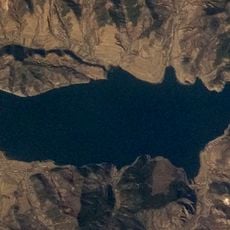
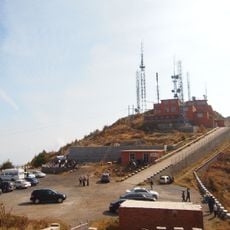
Panjiakou Shuiku, Stausee in der Volksrepublik China
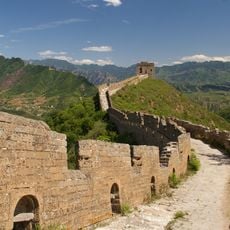
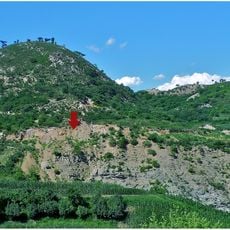
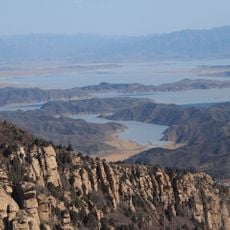
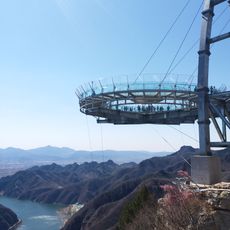
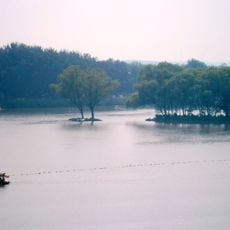
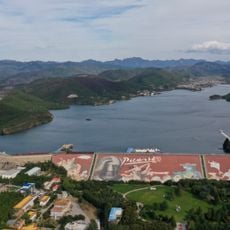
Panjiakou Shuiku is a large water reservoir in Hebei Province created by a concrete dam that spans across mountainous terrain. The water submerges sections of an ancient wall built during the Ming Dynasty, though some segments of the fortified stone structure remain visible above the waterline on higher ground.
The wall was constructed during the Ming Dynasty to protect the northern border of the Chinese empire and served as a vital military and trade route. The dam itself was built in the mid-1970s, which flooded surrounding villages and permanently submerged large sections of the ancient fortification.
The name Panjiakou refers to a mountain pass that was strategically important during the Ming Dynasty. Today, visitors and local families come to the water to fish, boat, and explore the ruins, making this a place where people connect with ancient history through everyday activities rather than formal tourism.
You can best explore this site by taking a boat to view the submerged wall segments, or by walking on the sections above water that are accessible from the shore. The pathways and wall segments have not been restored recently, so wear sturdy shoes and move carefully when stepping on the ancient stones.
A fascinating aspect is that sections of the Ming Dynasty wall lie underwater and become visible only when water levels drop seasonally. Some trained divers have explored and documented submerged watchtowers beneath the surface, making this one of the few places where history is literally hidden beneath the water.
The community of curious travelers
AroundUs brings together thousands of curated places, local tips, and hidden gems, enriched daily by 90,836 contributors worldwide.