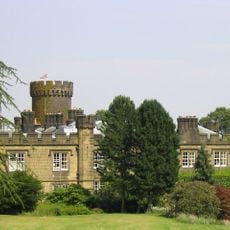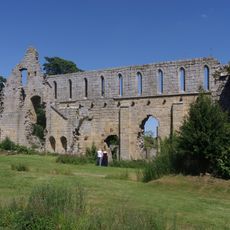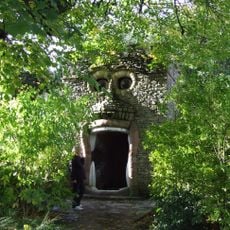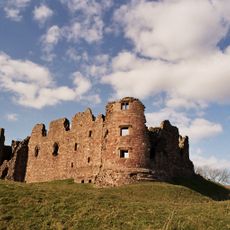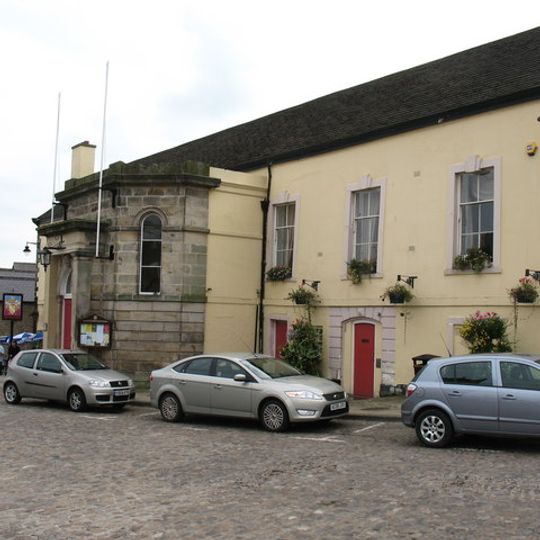
Richmondshire, former non-metropolitan district of North Yorkshire, England, UK
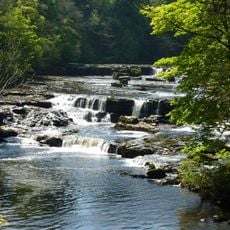
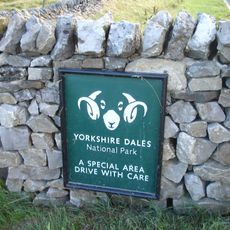
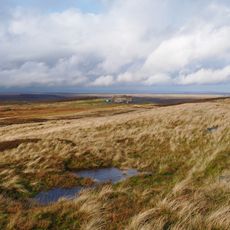
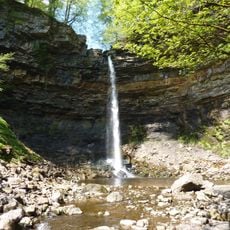
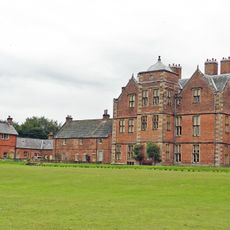
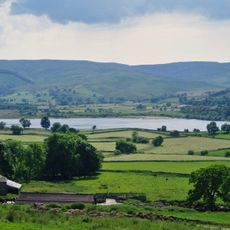
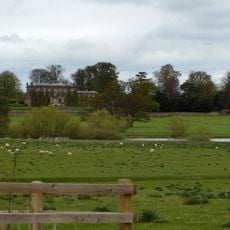
Richmondshire is a district in North Yorkshire, England, covering much of the Yorkshire Dales and including valleys such as Swaledale, Wensleydale, and Coverdale. The landscape features rolling fields, stone walls, and old farms, with hiking paths running alongside rivers and across ridges.
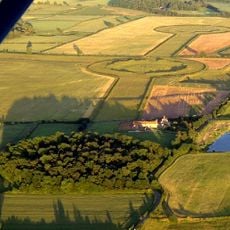
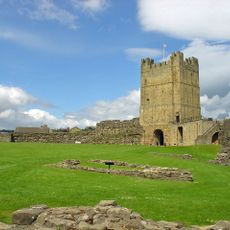
The region shows signs of settlement from the Neolithic, Bronze Age, and Roman periods, including an important Roman site at Catterick that was involved in the Battle of Catterick. After the Norman Conquest, Alan the Red received the land from William the Conqueror, and around 1071 Richmond Castle was built to establish Norman rule in the area.
The name Richmondshire comes from Richmond Castle, which shaped the region's identity. Today this connection lives on in the villages, where old churches like Holy Trinity in Wensley have served as community gathering places for generations.
The region is crossed by hiking trails that let visitors explore the valleys and hills, with Richmond Castle standing on a hill overlooking the landscape. Local villages have pubs, shops, and small museums, and parking is available in the main villages, though the paths themselves remain quiet and natural.
Catterick remains a centre of military activity and has housed one of the world's largest British Army garrisons since the First World War. This modern presence weaves together with the site's ancient Roman history in an unusual way, shaping daily life in the region to this day.
The community of curious travelers
AroundUs brings together thousands of curated places, local tips, and hidden gems, enriched daily by 91,431 contributors worldwide.