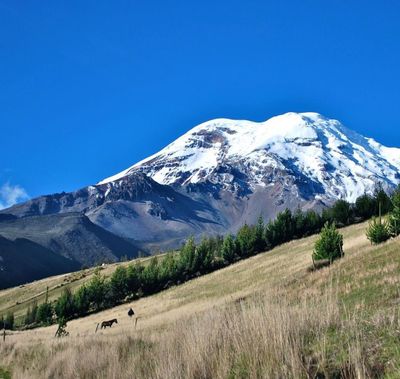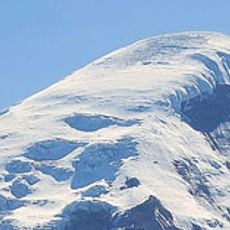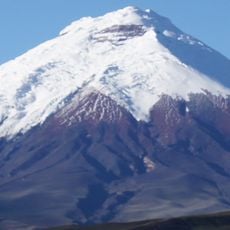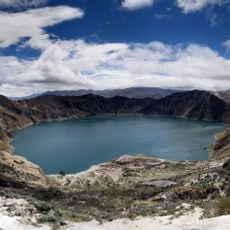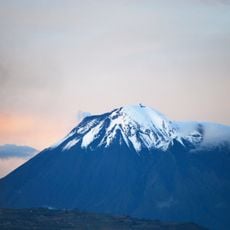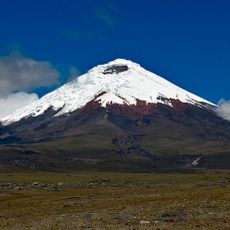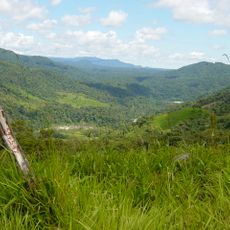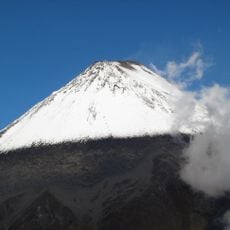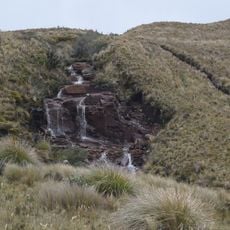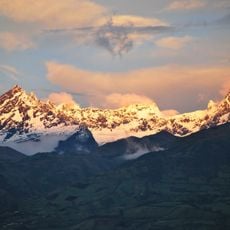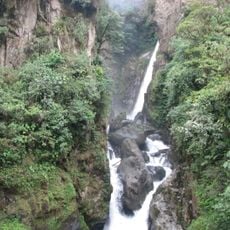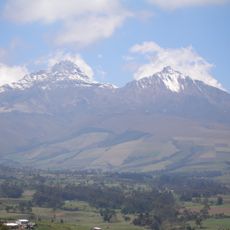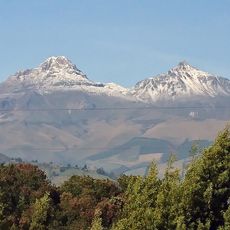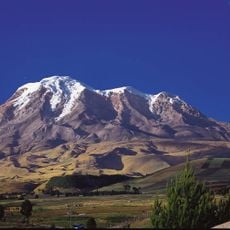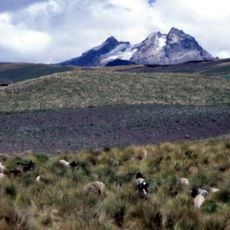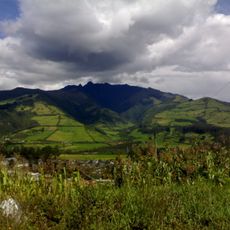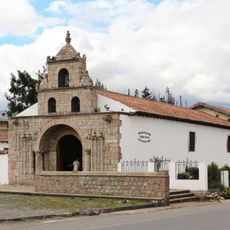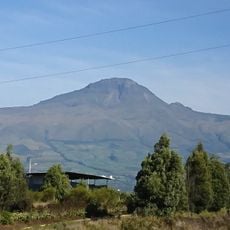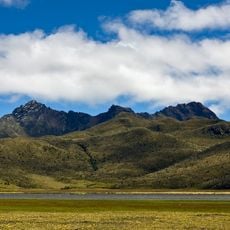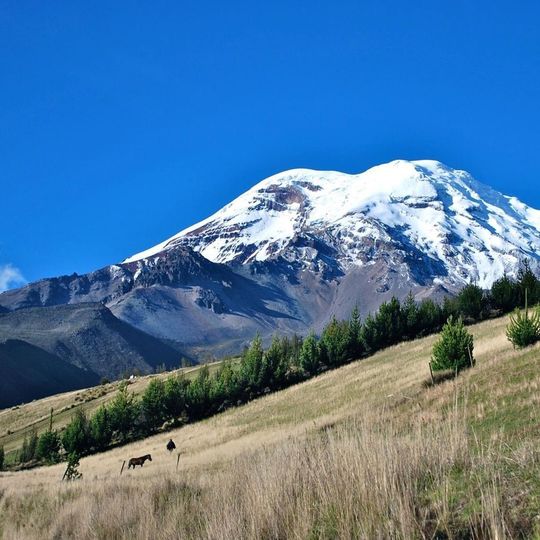
Chimborazo, Glacier on Mount Chimborazo, Ecuador.
Chimborazo is a glacier covering portions of the mountain of the same name in Ecuador, spanning multiple elevations with permanent ice fields and meltwater streams. The ice creates a striking landscape feature across the high-altitude terrain.
Explorer and naturalist Alexander von Humboldt studied the mountain in 1802 and documented the glacier's extent at that time. His early observations now serve as crucial baseline data for tracking climate change.
Local indigenous groups view the glacier as a sacred water source and incorporate it into their seasonal agricultural practices. Visitors can observe these traditional connections reflected in local customs and the reverence shown to the mountain.
Climbing expeditions to the glacier require permits, specialized equipment, and several days for acclimatization due to the extreme altitude. Visitors should prepare for physical demands and expect a gradual adjustment period.
Despite its location near the equator, the mountain hosts one of the highest ice fields at this latitude in South America. This combination of equatorial location with extreme altitude makes it geographically remarkable.
The community of curious travelers
AroundUs brings together thousands of curated places, local tips, and hidden gems, enriched daily by 60,000 contributors worldwide.