Najaf Governorate, Administrative division in central Iraq
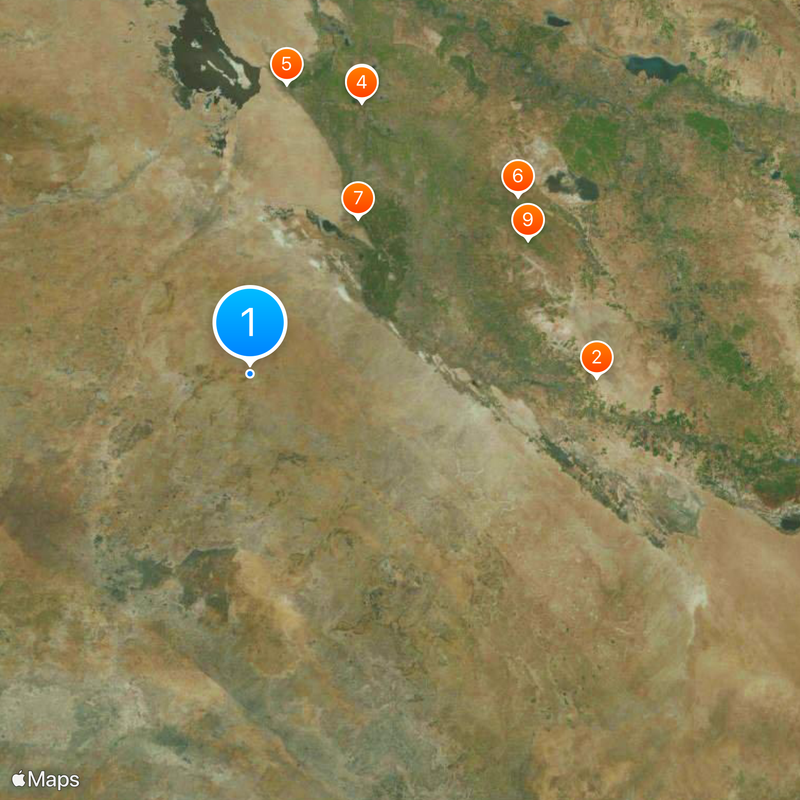
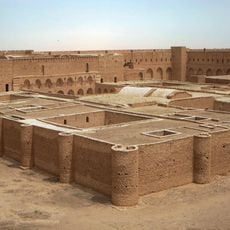
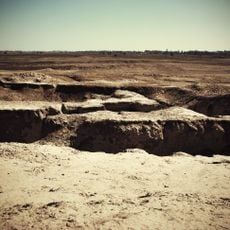
Najaf Governorate is an administrative region in central Iraq that stretches across agricultural plains and desert areas used mainly for farming and livestock. The territory divides into several districts including Najaf city, Kufa, Al-Manathera, and Al-Meshkhab, each managing different urban and rural zones.
The governorate was established in 1976 as part of Iraq's administrative reorganization that reshaped the country's provincial structure. This reform combined previously separate areas into a single administrative entity.
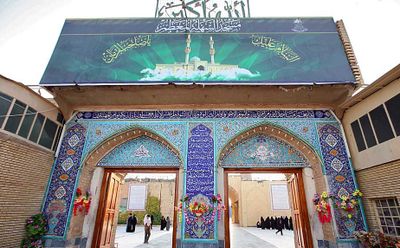
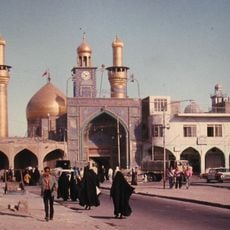
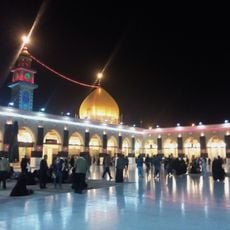
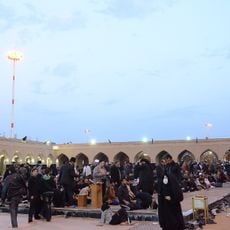
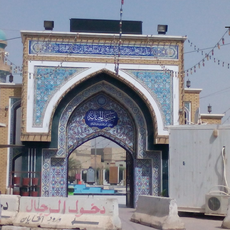
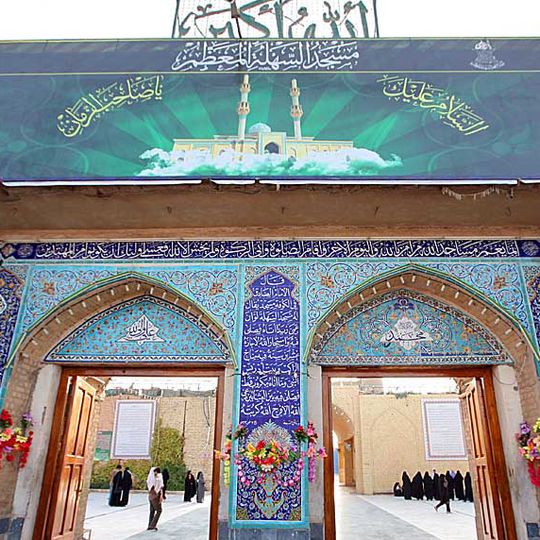
Najaf city serves as a major pilgrimage destination for Shia Muslims from around the world who visit the Imam Ali Mosque. The place has shaped itself around this spiritual role, with pilgrims moving through streets and markets as part of their religious journey.
Visitors should plan their visit outside the intense summer heat, and local guides can help with navigation and cultural context. Infrastructure is better developed in urban areas, while rural zones present simpler conditions and fewer services.
Within Najaf city lies Wadi-us-Salaam, a cemetery that has existed for centuries and ranks among the largest in the world. Millions of believers have been buried there, making it a solemn place tied to deep spiritual meaning.
The community of curious travelers
AroundUs brings together thousands of curated places, local tips, and hidden gems, enriched daily by 91,680 contributors worldwide.