Alaska North Slope, Geographic region in northern Alaska, United States.
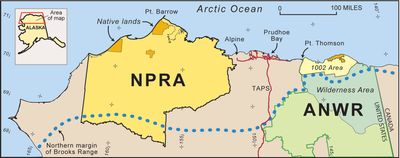
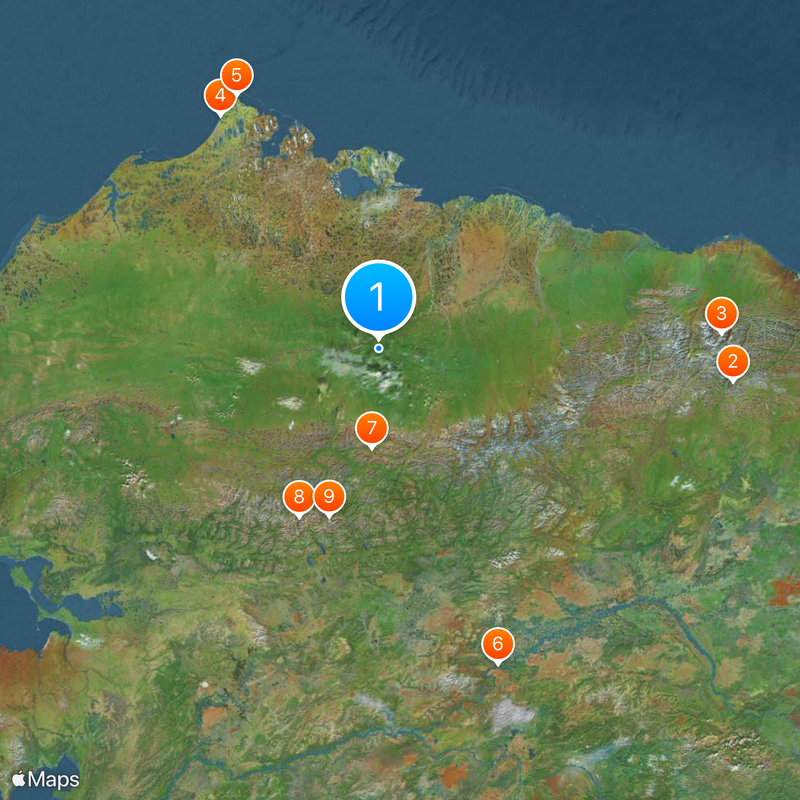
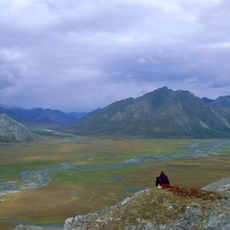
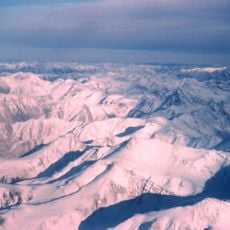
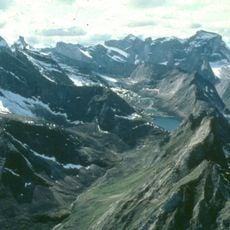
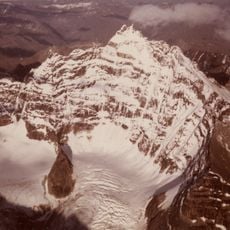
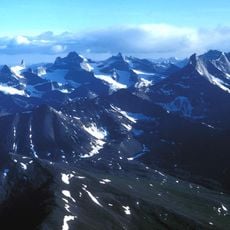
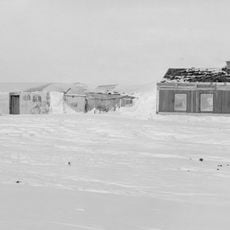
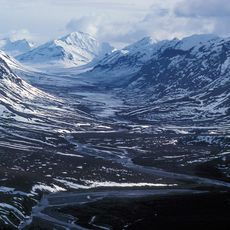
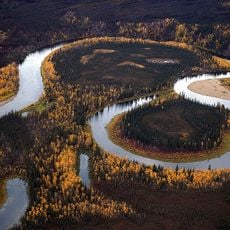
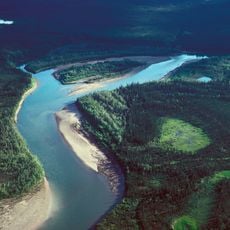
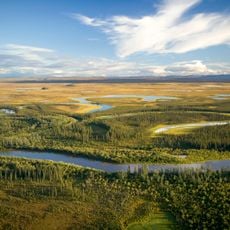
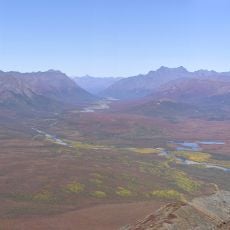
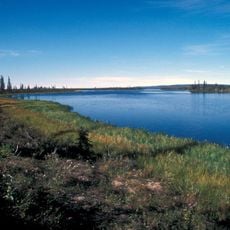
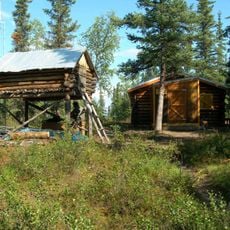
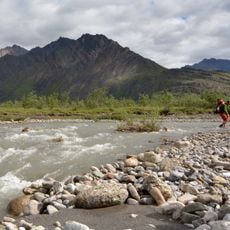
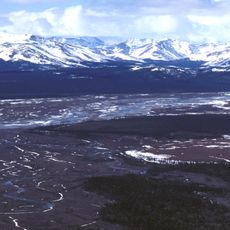
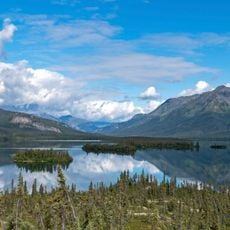
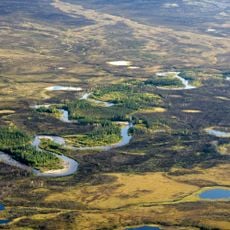
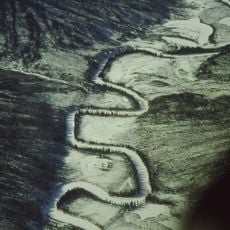
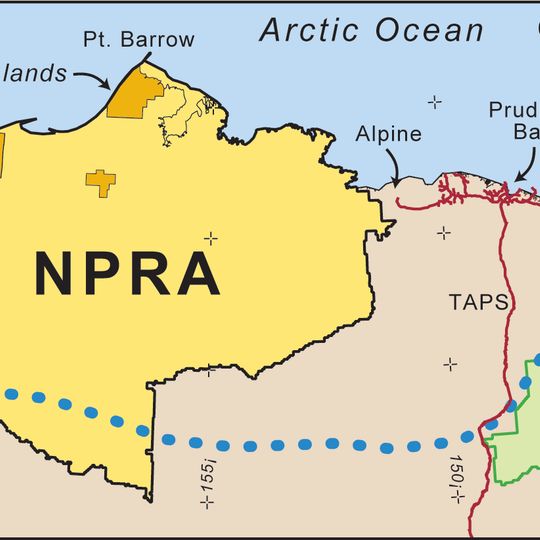
The Alaska North Slope is an expansive region at the far northern edge of the state, stretching between the Brooks Range and the Arctic Ocean. The landscape consists primarily of tundra terrain and mountain ranges beneath extreme climatic conditions.
Oil was discovered at Prudhoe Bay in 1968, leading to construction of the Trans-Alaska Pipeline System and fundamentally transforming the region's economy. This development brought industrial activity to an otherwise remote area and reshaped Alaska's future.
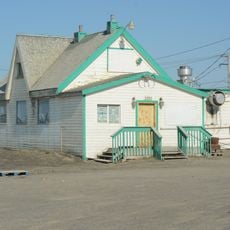
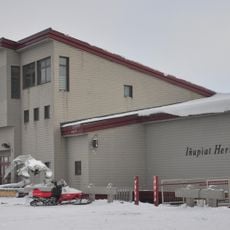
The Iñupiat people practice traditional hunting and fishing that sustains their communities and shapes how they relate to this land. These activities remain central to daily life and identity in settlements across the region.
Most locations are accessible only by small aircraft or seasonal ice roads that operate during winter, making overland travel limited and unpredictable. Visitors should prepare for extreme weather conditions and allow flexibility in their travel plans.
The region experiences 24-hour darkness in winter and constant daylight in summer, creating an unusual rhythm that affects wildlife patterns and human daily routines. This extreme light cycle shapes nearly every aspect of life throughout the year.
The community of curious travelers
AroundUs brings together thousands of curated places, local tips, and hidden gems, enriched daily by 90,842 contributors worldwide.