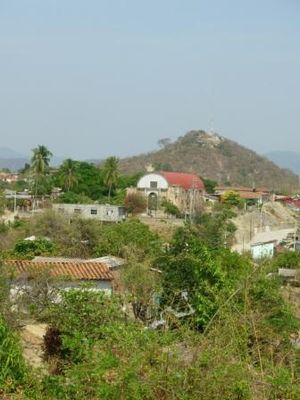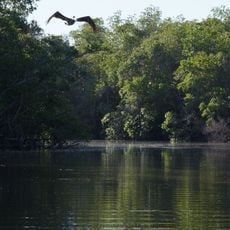
Tututepec, Archaeological site in Oaxaca, Mexico
Tututepec is an archaeological site in Oaxaca located near the Pacific coast that was home to the Mixtec people. The grounds contain multiple structures and artifacts that show how pre-Hispanic inhabitants built temples and ceremonial centers.
The settlement was founded in 1063 and kept its independence until 1522, when Spanish conquistador Pedro de Alvarado defeated the local warriors led by Cuaxintecutli. This marked the end of independent Mixtec rule in this region.
The name comes from the Mixtec language and means Bird Mountain. People in the area still speak Tututepec Mixtec as their main language today.
The site is located near the Pacific coast in Oaxaca and is best explored on foot as various structures are spread across the grounds. Visitors should prepare for warm, humid weather and wear comfortable shoes to handle the uneven paths.
The region is also known for producing watermelons, cantaloupes, papayas, hibiscus, and bananas, which thrive alongside the ancient ruins. This blend of archaeological remains and active farmland creates an unusual visitor experience.
The community of curious travelers
AroundUs brings together thousands of curated places, local tips, and hidden gems, enriched daily by 60,000 contributors worldwide.