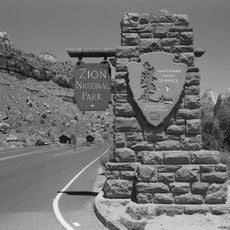
Zion National Park, National Park in Utah, US
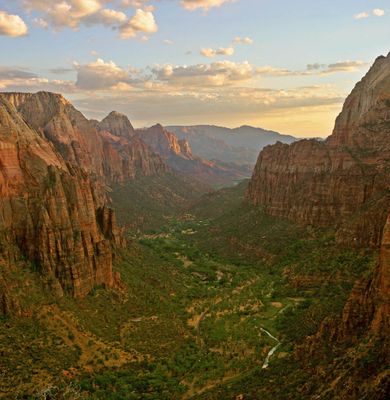
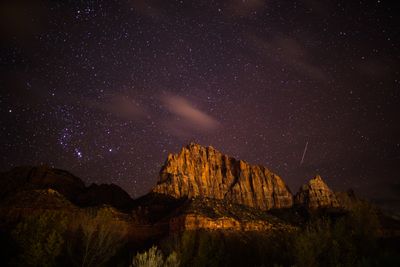
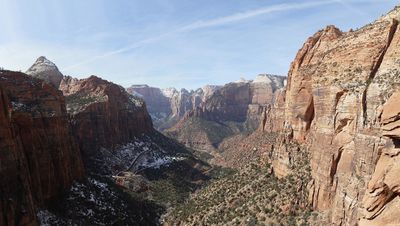
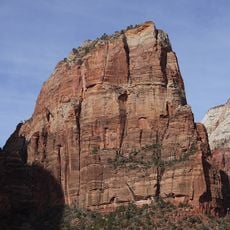
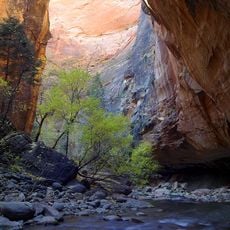
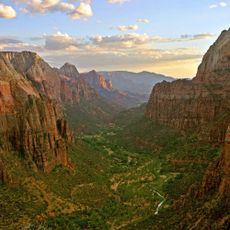
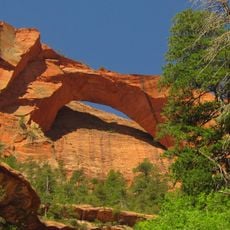
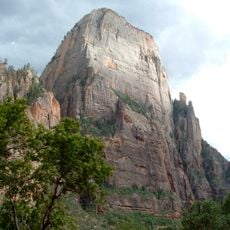
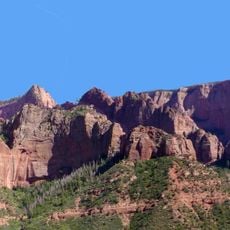
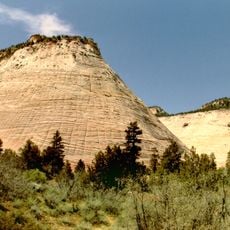
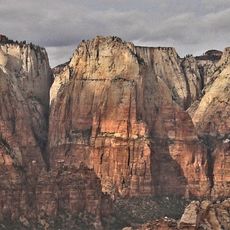
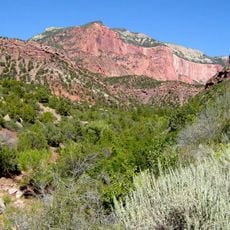
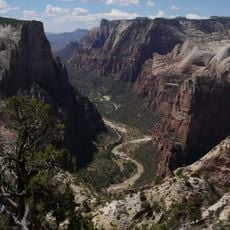
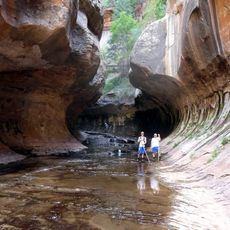
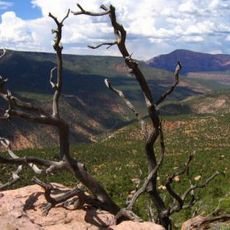
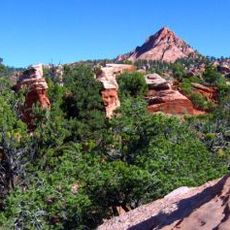
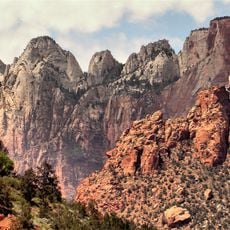
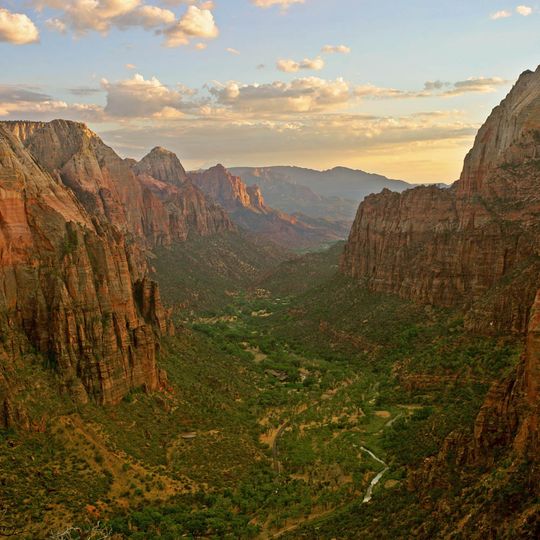
Zion National Park sits in southwestern Utah and covers an area where deep canyons, tall red sandstone cliffs, and the Virgin River shape the terrain. The rock walls reach heights up to 800 meters (2,600 feet) and form narrow valleys that hold trails and waterways running through the landscape.
The area received protection in 1909 as Mukuntuweap National Monument, then gained its current status and name as a national park in 1919. This shift marked the transition to a larger protected area with expanded boundaries and official recognition.
Hiking through the narrow canyons is a tradition many visitors follow in the early morning, when the sun first lights the red walls and the air remains cool enough for comfortable walking. People often pause at overlooks to share the view with strangers, creating a quiet sense of community among those who come to experience the landscape together.
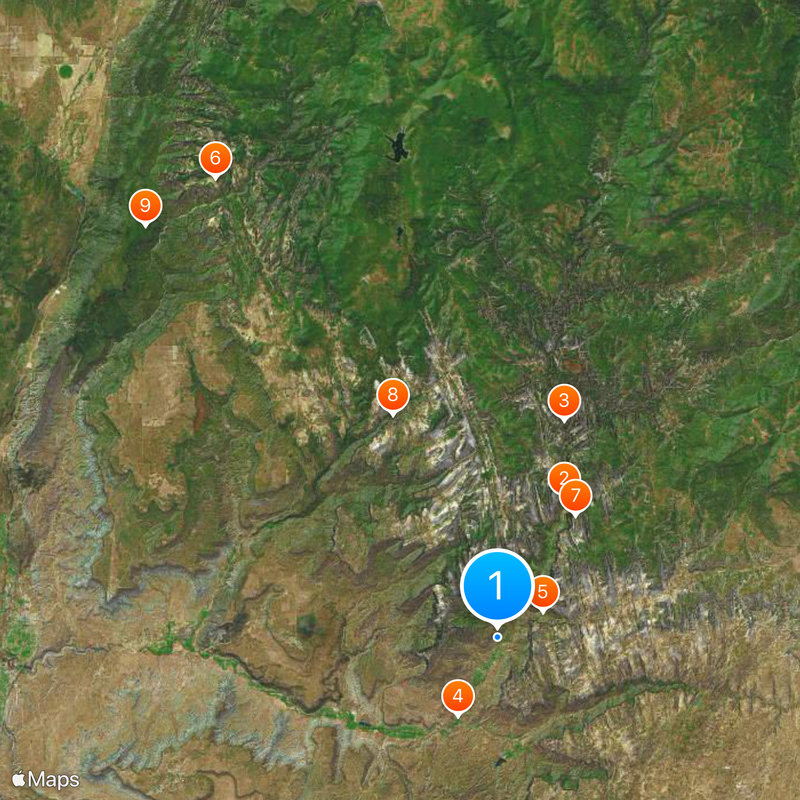
A free shuttle connects major trailheads and viewpoints along the main canyon road during spring, summer, and fall, making it easier to move between different areas without a car. Most trails are clearly marked, but some pass through water or over slippery rocks, so sturdy footwear and readiness for changing conditions help ensure a safer visit.
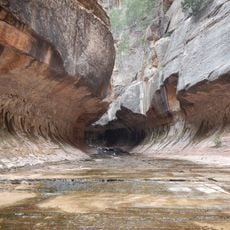
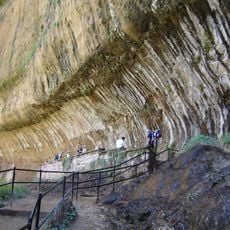
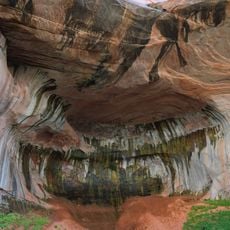
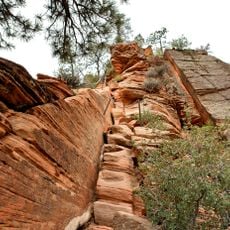
The rock layers reveal nine different geological formations that took shape over 150 million years and now appear through ongoing erosion, offering a visible cross-section of deep time. Visitors can trace these layers along the canyon walls while walking, seeing how ancient environments stacked one on top of the other.
The community of curious travelers
AroundUs brings together thousands of curated places, local tips, and hidden gems, enriched daily by 90,860 contributors worldwide.