Tongass National Forest, National forest in Southeast Alaska, United States.
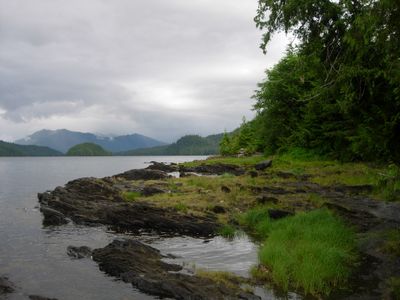
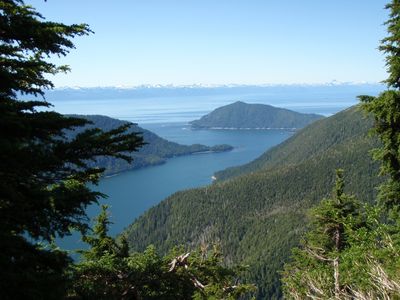
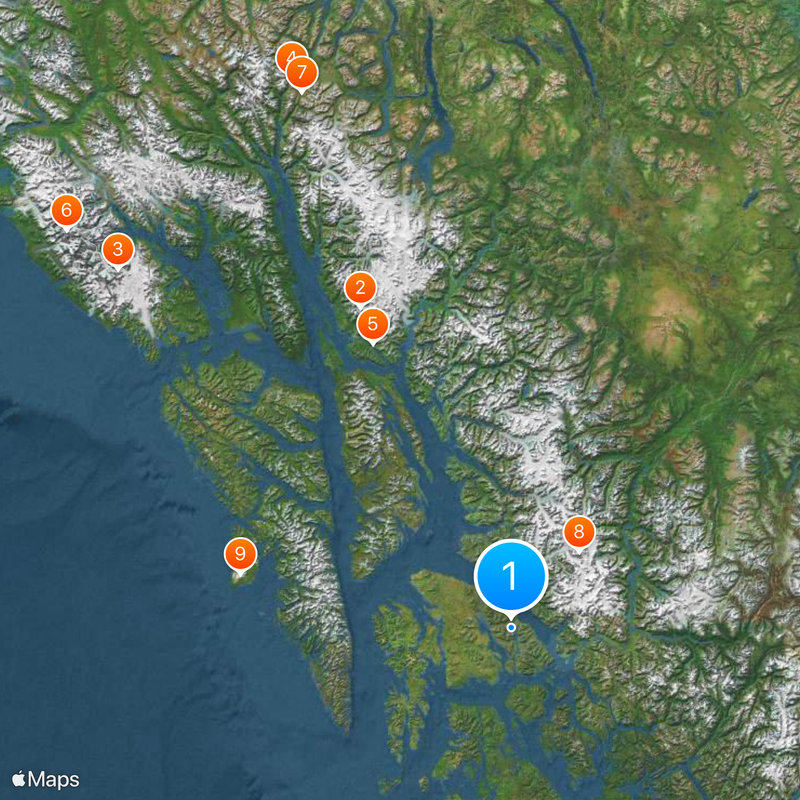
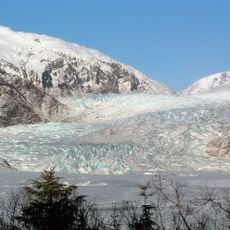
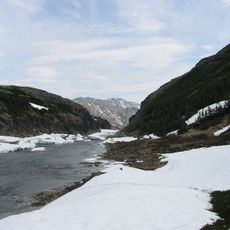
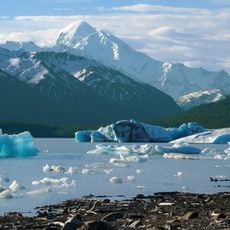
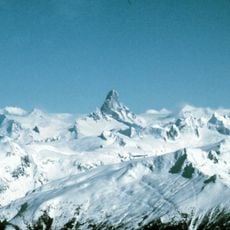
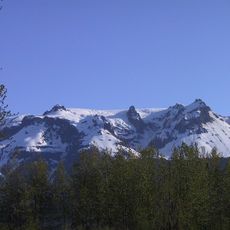
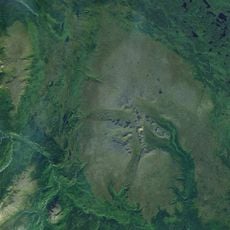
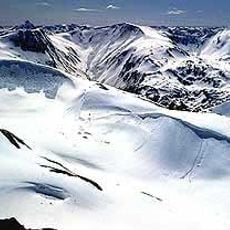
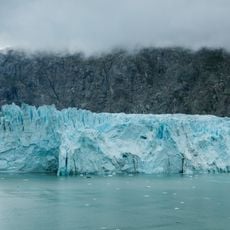
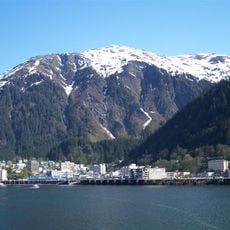
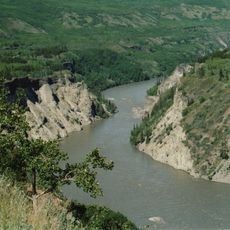
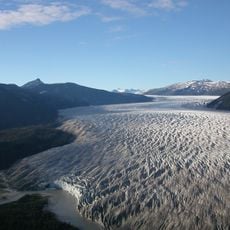
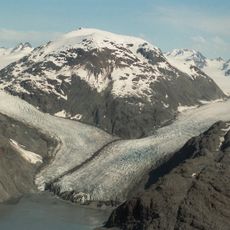
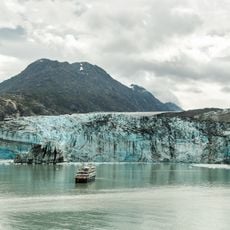
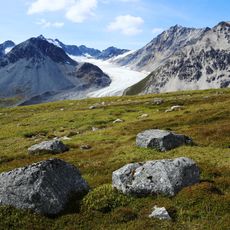
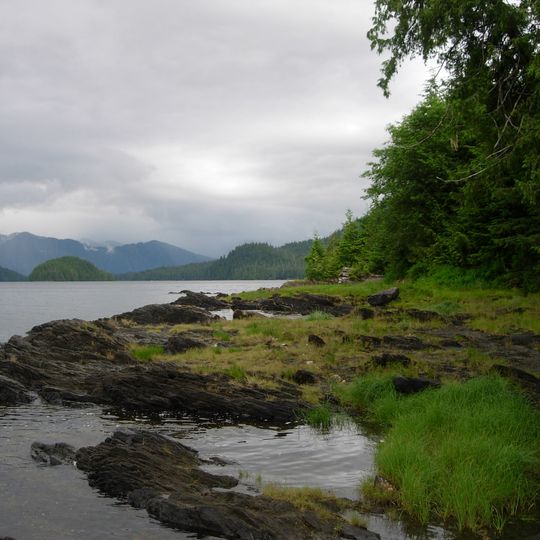
Tongass National Forest covers 6.8 million hectares in Southeast Alaska and includes temperate rainforest, high mountain areas, glaciers, and branching coastlines with fjords. The area consists of several large islands and a narrow strip of mainland, crossed by bays and waterways that connect with each other.
The reserve was established in 1907 by order of President Theodore Roosevelt and expanded several times over the following decades through the addition of other protected areas. The name comes from a small island, which in turn was named after a Tlingit clan.
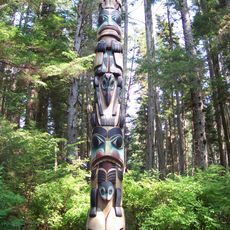
Indigenous communities continue to use certain areas for traditional ceremonies and harvesting plants that have been part of their culture for centuries. Totem poles and villages along the coast remind visitors that people lived here long before the forest became protected.
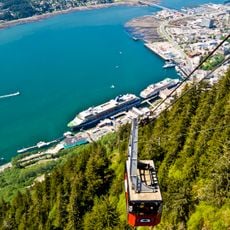
Access is mainly through smaller coastal towns reached by plane or ferry, as there are no continuous roads. Visitors should prepare for changeable weather and bring rain gear, as the region remains very wet throughout the year.
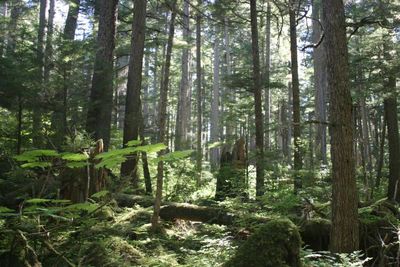
Sitka spruce trees grow up to 90 meters (295 feet) tall here and rank among the tallest coniferous trees in North America. In some valleys, so much rain falls that the ground is covered with a thick layer of moss that cushions every step.
The community of curious travelers
AroundUs brings together thousands of curated places, local tips, and hidden gems, enriched daily by 90,960 contributors worldwide.