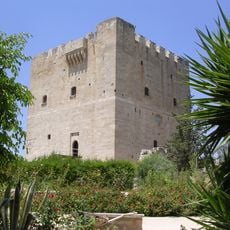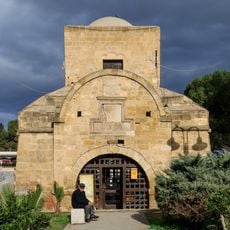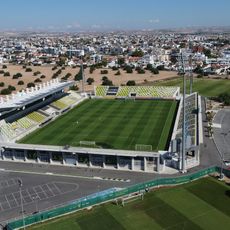
Cyprus, Island nation in Mediterranean Sea, Eastern Europe.
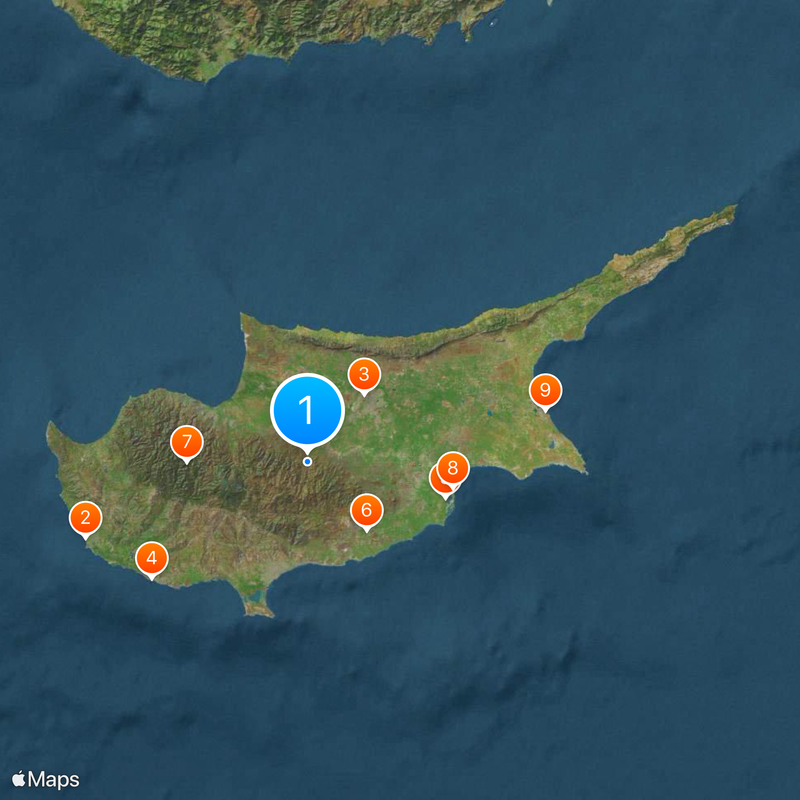
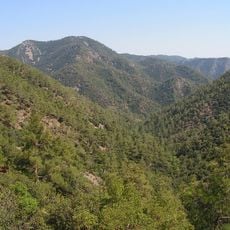
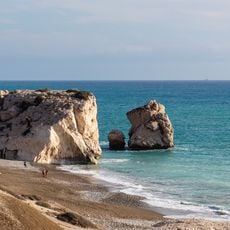
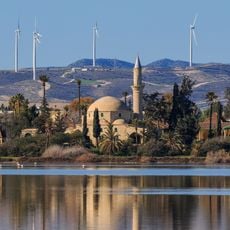
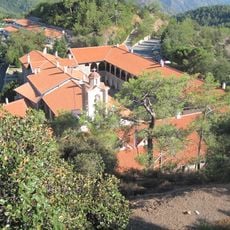
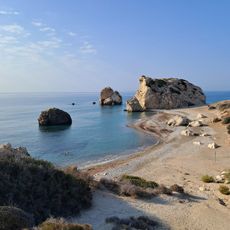
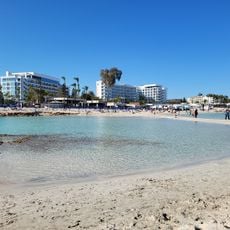
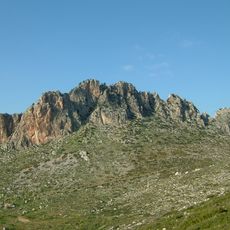
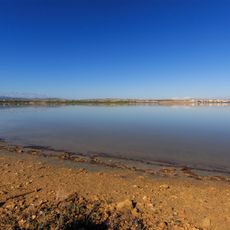
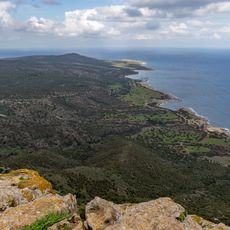
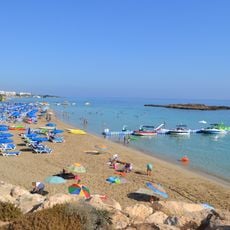
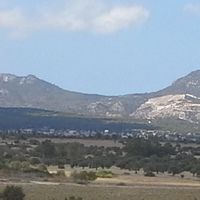
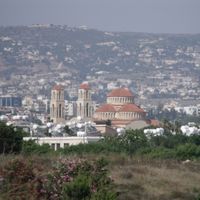
Cyprus is an island republic in the eastern Mediterranean covering roughly 3570 square miles (9250 km), shifting between central mountain ranges, coastal plains, and zones where forests meet farmland. The landscape shows jagged peaks inland, sandy bays at the edges, and vineyards on gentle slopes in between.
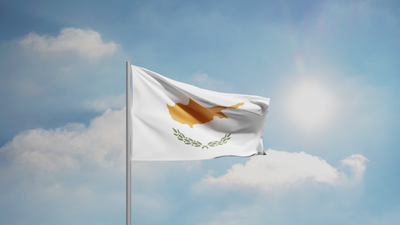
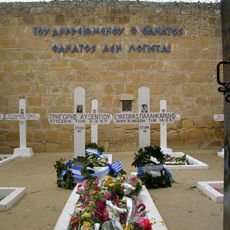
The island gained independence from British rule in 1960 and became a sovereign state with its own constitution. The division in 1974 led to two separate administrative zones that remain apart today.
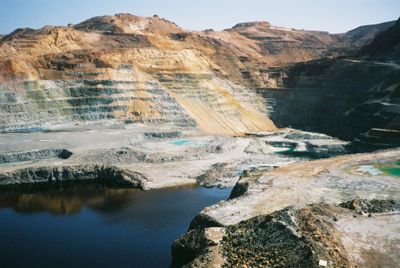
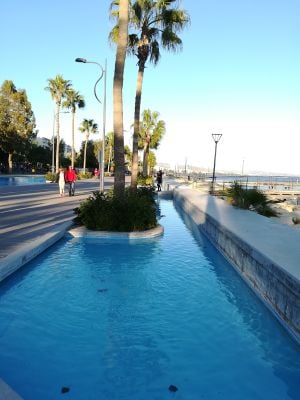
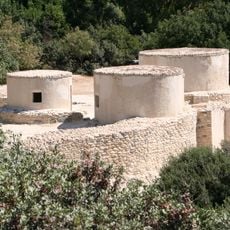
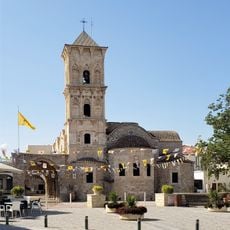
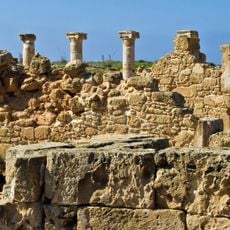
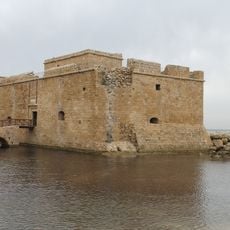
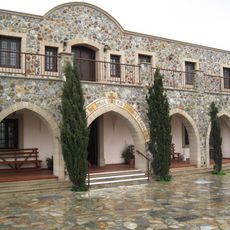
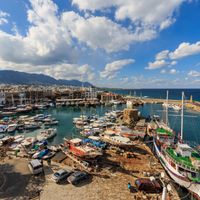
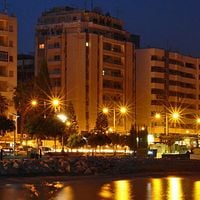
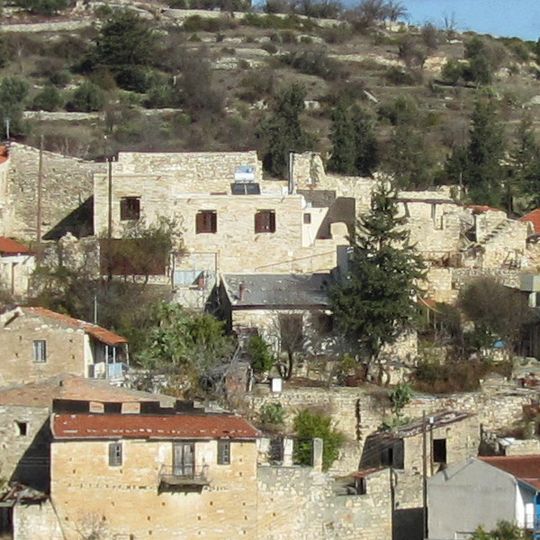
The name Cyprus comes from the ancient Greek word for copper, which has been mined here since the Bronze Age. Today you can see traditional stone houses with flat roofs in many villages, while coastal towns show modern waterfronts lined with tavernas and cafés where locals gather over meze platters.
The Mediterranean climate brings mild winters and warm summers with temperatures ranging from 60 to 95 degrees Fahrenheit (15 to 35 degrees Celsius), with April to October offering the most comfortable travel conditions. Coastal areas often catch a light breeze in summer, while the mountain interior occasionally sees snow in winter.
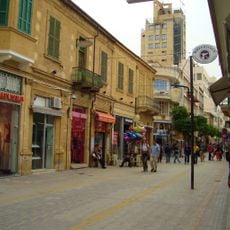
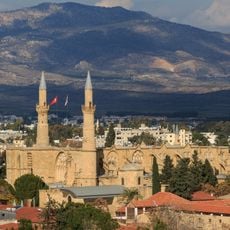
Nicosia stands as Europe's only divided capital, crossed by a demarcation line that has separated the internationally recognized southern zone from the Turkish-administered northern area for decades. You can walk along streets in the old town that show different currencies, languages, and traffic rules on either side.
The community of curious travelers
AroundUs brings together thousands of curated places, local tips, and hidden gems, enriched daily by 90,790 contributors worldwide.