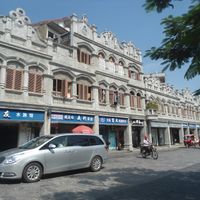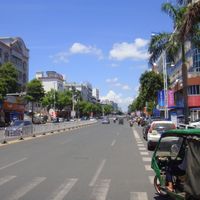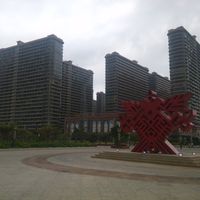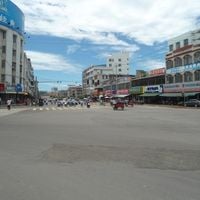
Hainan, Island province in southern China
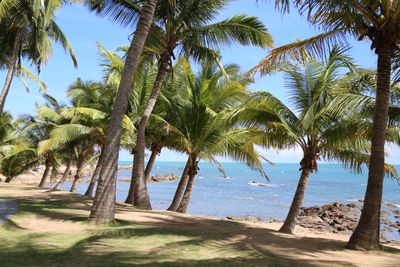
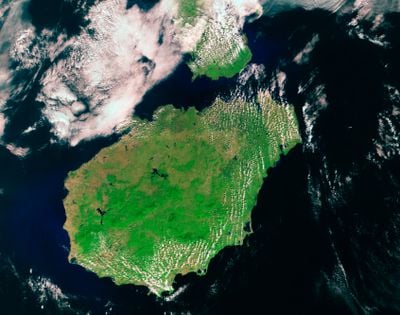
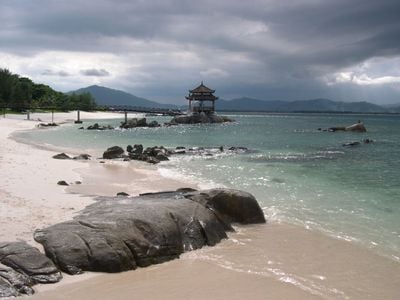
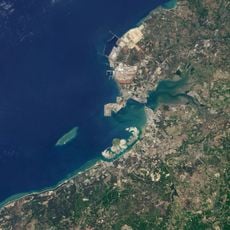
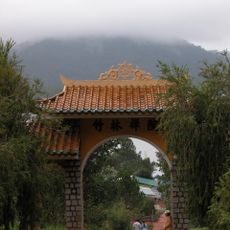
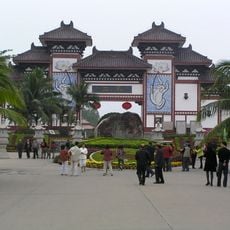
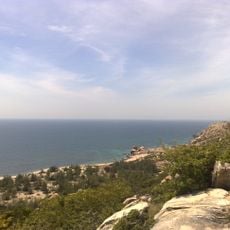
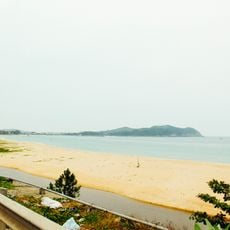
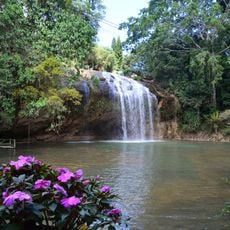
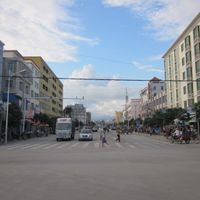
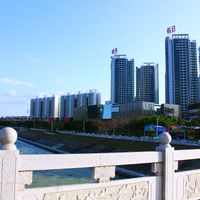
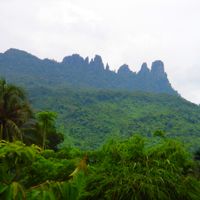
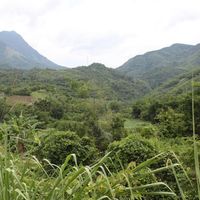
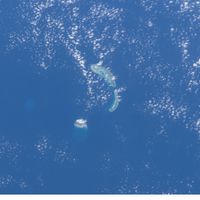
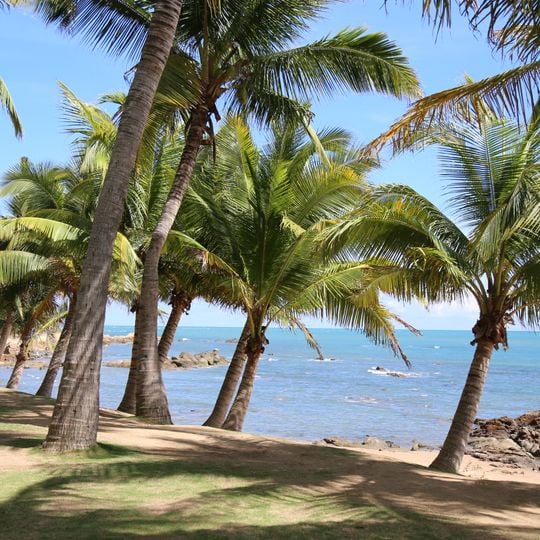
Hainan is an island province in southern China covering 34,300 square kilometers with a coastline stretching roughly 1,500 kilometers and mountains rising to 1,840 meters. The landscape shifts between tropical coastal strips, dense inland forests, and volcanic plateaus in the north.
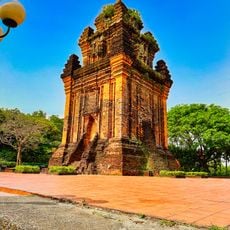
The Chinese empire annexed the island in 110 BCE by establishing two prefectures, though local indigenous groups maintained control over much of the region until the Tang dynasty. During the 20th century, it was separated from Guangdong province and granted independent provincial status in 1988.
The Li and Miao minorities live in the central mountains and maintain their languages, festivals, and farming traditions. Visitors can find handwoven textiles and carved wooden crafts at local markets, still made using methods passed down through generations.
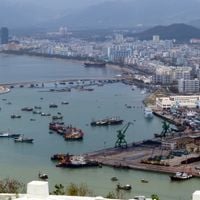
The international airport in Haikou connects the island with major cities across Asia, while highways link coastal towns to inland areas. The best time to visit is from November through April, when temperatures and humidity are more comfortable and tropical storms are less common.
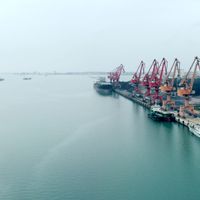
The province hosts the largest special economic zone in China and is planned to become a free trade port by 2035. Inland, coffee plantations grow on volcanic soil and support a growing local coffee industry that remains relatively unknown outside the region.
The community of curious travelers
AroundUs brings together thousands of curated places, local tips, and hidden gems, enriched daily by 90,812 contributors worldwide.