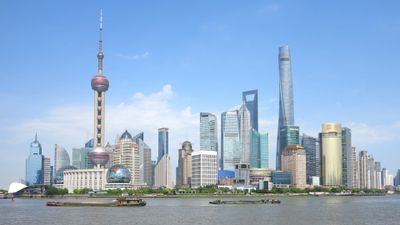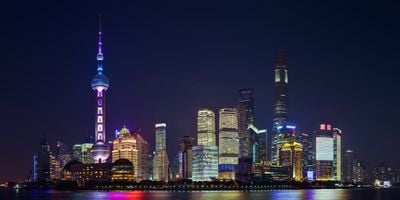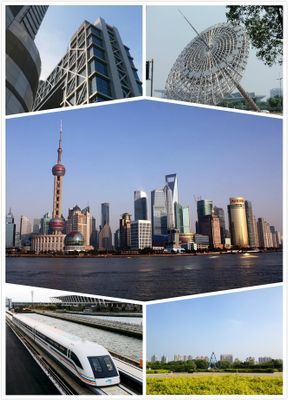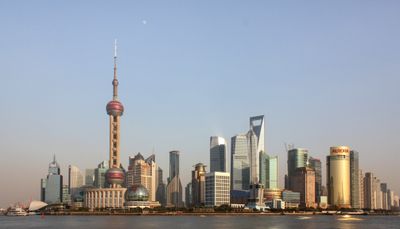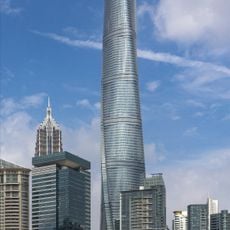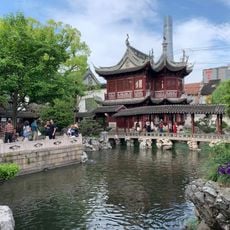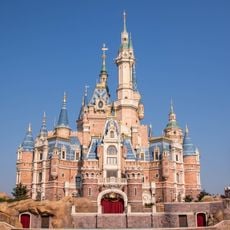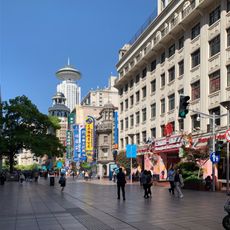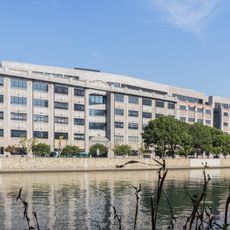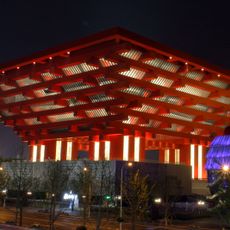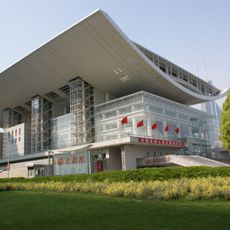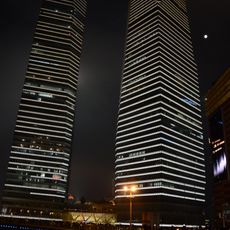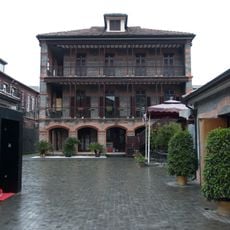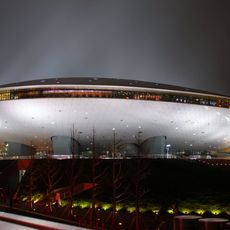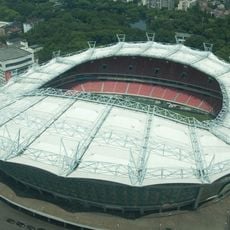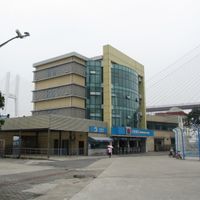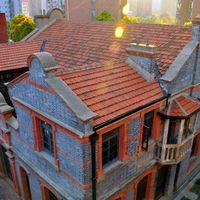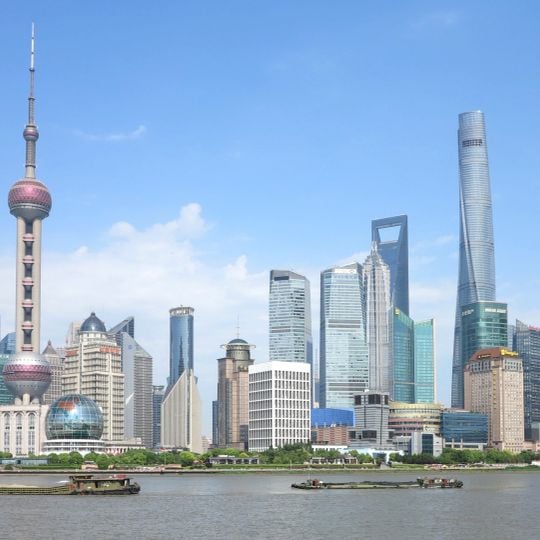
Pudong, Financial district in Shanghai, China.
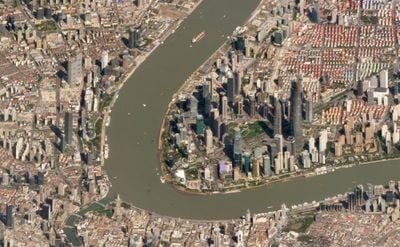
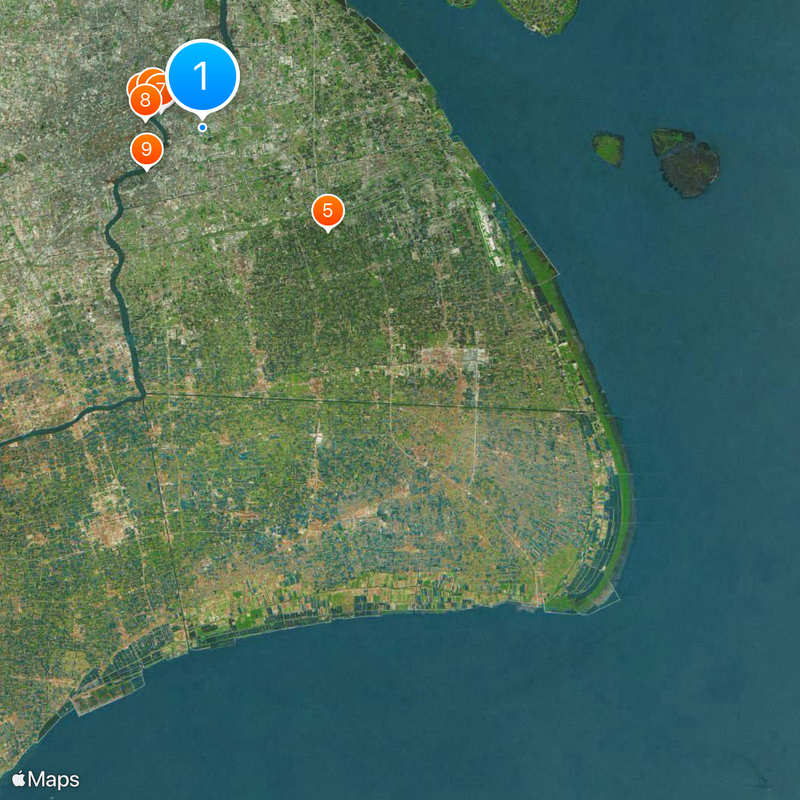
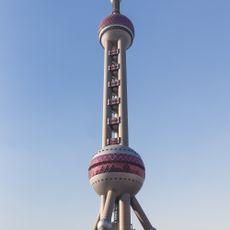
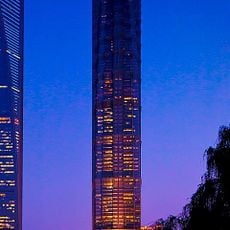
Pudong is an administrative district on the eastern shore of the Huangpu River in Shanghai, China, extending across a wide area between the river and the East China Sea. The area combines high-rise clusters with green spaces, residential neighborhoods, and infrastructure facilities such as the international airport and several metro stations connecting the center to outer zones.
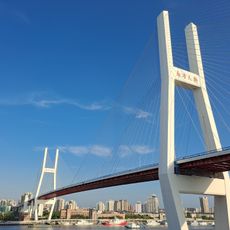
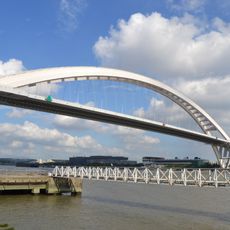
Until 1990, the area consisted mainly of fields, fishing villages, and abandoned shipyards along the riverbank with no connection to the city center. The government declared it a Special Economic Zone and initiated the construction of bridges, tunnels, and skyscrapers, fundamentally changing its appearance within a few decades.
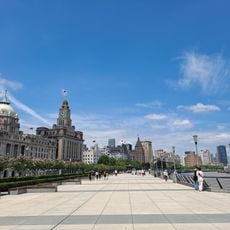
The name means 'east of the Huangpu River' and refers to its location across from the old city center on the western bank. Locals still distinguish between the two sides of the river today and use the riverside promenades for morning exercise and evening walks with views of the opposite shore.
The metro connects the different parts of the district with each other and with the western city center, with several lines running through tunnels under the river. Visitors should plan for longer walking distances between high-rise clusters, as the gaps between individual neighborhoods are often larger than they appear on maps.
The district produces an annual economic output roughly equivalent to the gross domestic product of a medium-sized country, underlining its role as a financial hub. This concentration of trade activity in a relatively limited urban area demonstrates the speed and intensity of Chinese economic development since the early 1990s.
The community of curious travelers
AroundUs brings together thousands of curated places, local tips, and hidden gems, enriched daily by 90,738 contributors worldwide.