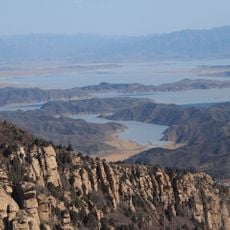
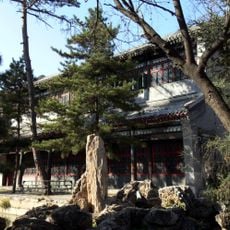
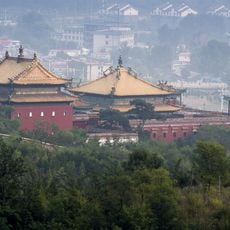
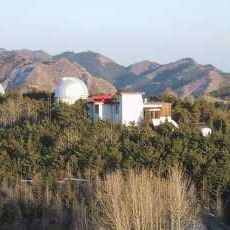
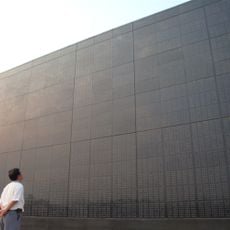
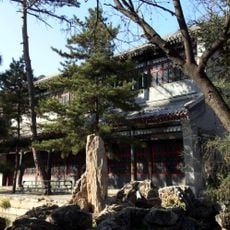
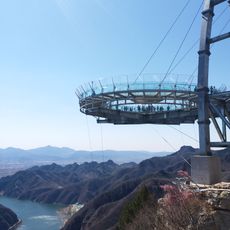
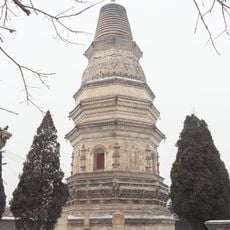
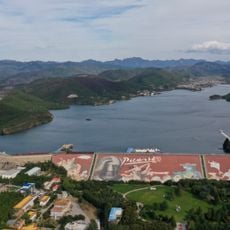
Panjiakou Dam, Gravity dam and hydroelectric power station in Qianxi County, China.
Panjiakou Dam is a gravity dam and hydroelectric power station on the Luan River that spans approximately 1,040 meters across the water and reaches about 107 meters high. The structure has 18 floodgates for water management and works with a lower reservoir 5.5 kilometers downstream to generate electricity through both conventional and pumped-storage hydroelectric systems.
Construction began in 1975, with the first generator becoming operational in 1981 and the initial phase completed in 1984. The project was developed to meet growing energy needs in the region and provide flood control along with reliable electricity supply to nearby areas.
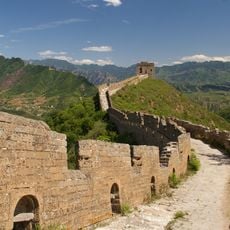
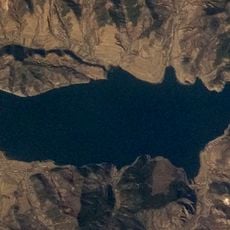
The reservoir flooded the ancient Panjiakou Pass section of the Great Wall, which emerges from the water during dry seasons and draws visitors seeking this hidden chapter. This submerged passage becomes visible and accessible when water levels drop, revealing a piece of the wall that few expect to find beneath the surface.
The best time to visit is during dry periods when water levels are low and the submerged Great Wall section becomes visible and accessible. Bring sturdy footwear and be prepared for uneven terrain along the dam structure and viewpoints where you can observe both the reservoir and surrounding landscape.
When drought lowers the water level, an entire ancient gate structure emerges from the reservoir, not just a wall section - Panjiakou Pass was a strategic checkpoint on the Ming-era wall system. This temporary archaeological site reveals Ming-period stonework that would normally remain submerged, giving visitors a rare look at fortification architecture beneath the surface.
The community of curious travelers
AroundUs brings together thousands of curated places, local tips, and hidden gems, enriched daily by 60,000 contributors worldwide.