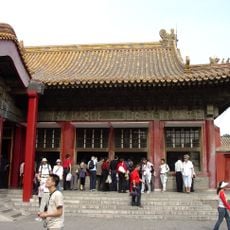
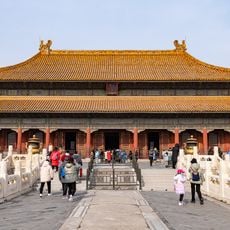
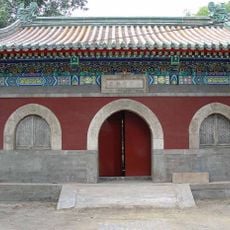
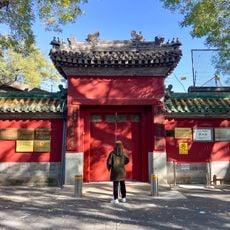
英華殿, Buddhist temple hall in Forbidden City, China
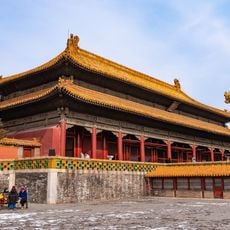
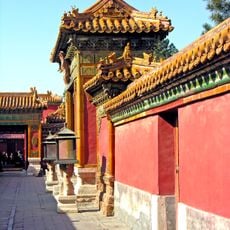
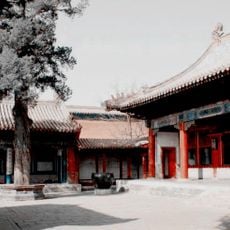
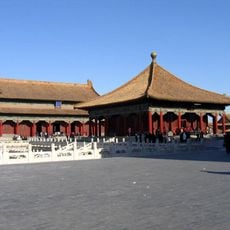
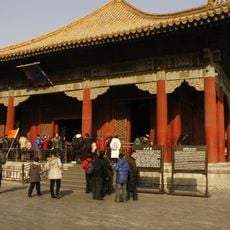
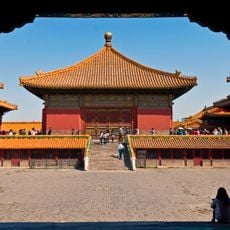
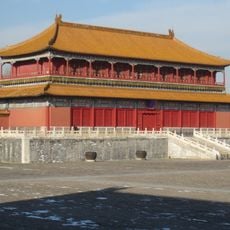
Yinghua Hall is a structure five bays wide with yellow glazed tiles covering a hip roof and containing seven Buddhist shrines inside. The entire compound includes two courtyards positioned between the main building and its entrance gates.
The hall was originally built in 1567 during the Ming Dynasty and later underwent major renovation in 1771 under Emperor Qianlong. This 18th century update gave the building much of its current appearance.
The hall served as a prayer space where empresses and imperial women worshipped before seven altars holding figures from Tibetan Buddhism. This room shows how the imperial family practiced their religious beliefs in their private lives.
Access to the hall involves walking along an elevated pathway that passes through a central entrance area and navigates different levels. Visitors should be prepared to climb steps and cross platforms to see all parts of the compound.
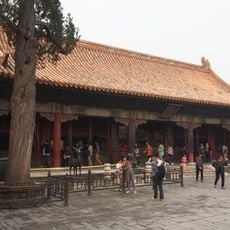
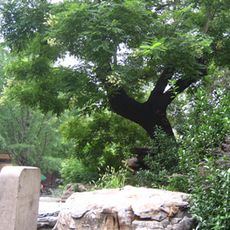
Two Bodhi trees planted by the mother of Emperor Wanli still stand along the elevated pathway and represent some of the oldest living elements of the compound. These trees connect the physical history of the place with the spiritual practice that occurred here.
The community of curious travelers
AroundUs brings together thousands of curated places, local tips, and hidden gems, enriched daily by 90,779 contributors worldwide.