Düssel, Right tributary river in North Rhine-Westphalia, Germany
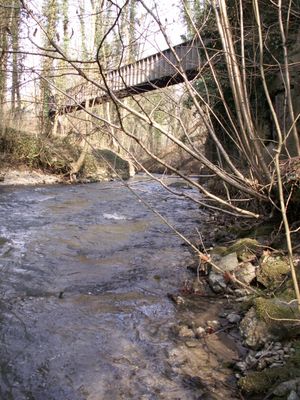
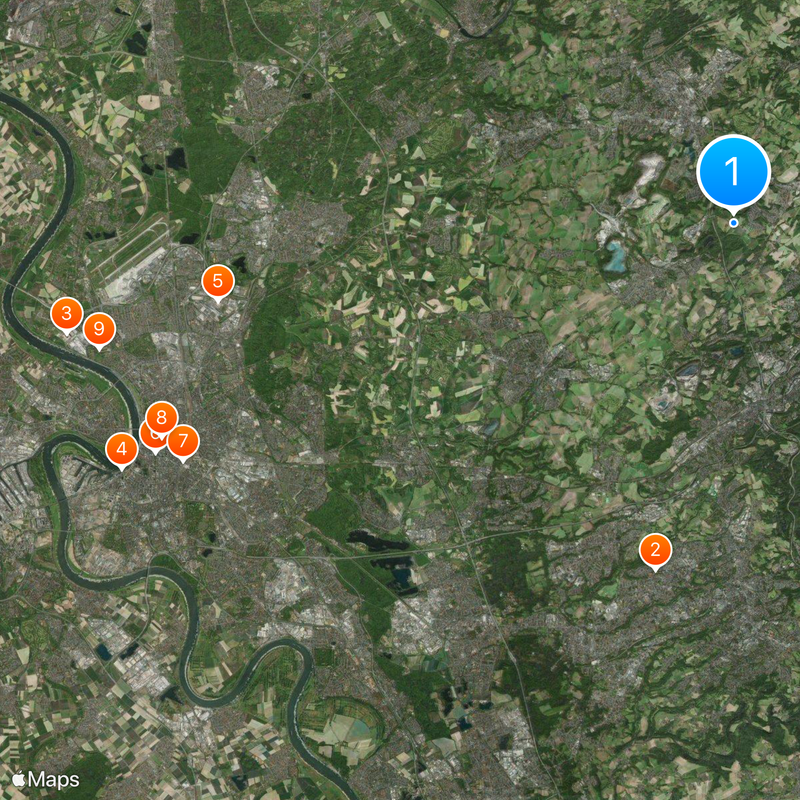
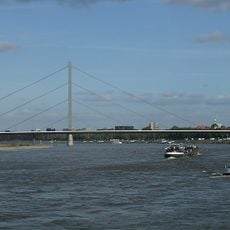
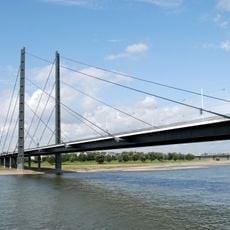
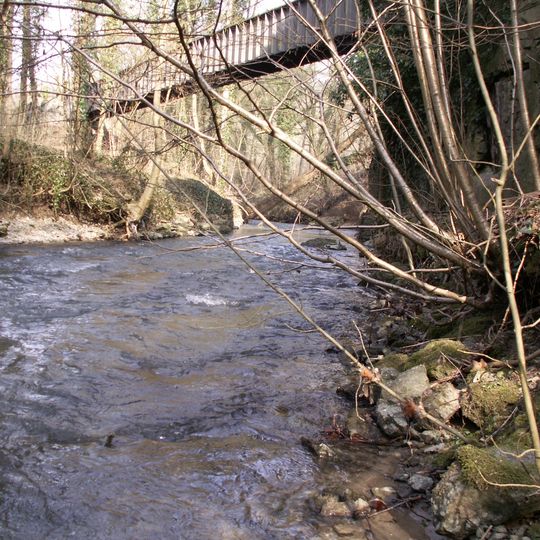
The Düssel is a right tributary of the Rhine in North Rhine-Westphalia, flowing through several municipalities over approximately 46 kilometers. Before joining the Rhine in Düsseldorf, it splits into four separate channels.
Neanderthal fossils were discovered in 1856 in the Neander Valley, a section along the Düssel. This finding fundamentally changed our understanding of early human history.
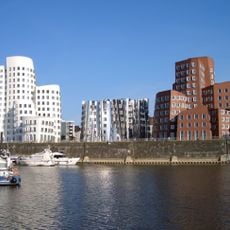
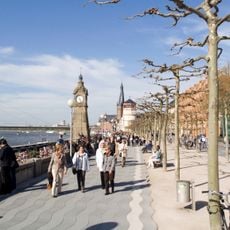
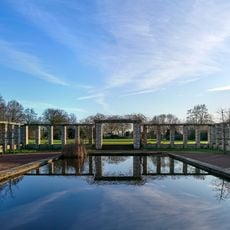
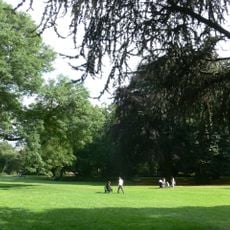
Düsseldorf takes its name from this river, with the city founded at the point where the Düssel meets the Rhine. Today, the riverbanks serve as spaces where people walk and spend time outdoors.
The northern branch flows through Hofgarten park and beneath the Golden Bridge in central Düsseldorf. The best time to explore is during warmer months when the riverbanks are easily accessible.
The name Düssel comes from the Germanic word thusila, meaning roar or rush, reflecting the sound of the water. This etymology reveals how long the river has been woven into local identity.
The community of curious travelers
AroundUs brings together thousands of curated places, local tips, and hidden gems, enriched daily by 60,000 contributors worldwide.