Jaipur, State capital city in Rajasthan, India
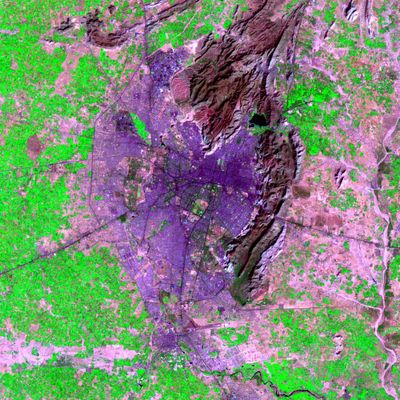
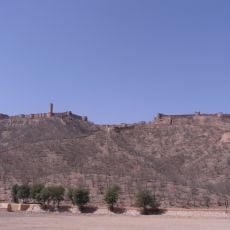
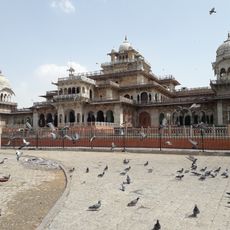
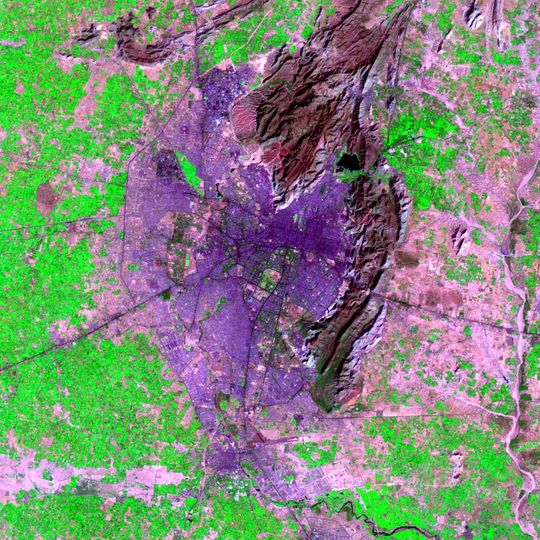
Jaipur is a state capital in Rajasthan that grew around a geometric street plan organized in rectangular blocks. The main sectors connect through wide avenues that meet at central squares, where shops and residences line the ground floors of tall buildings.
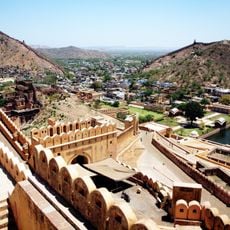
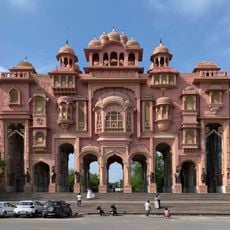
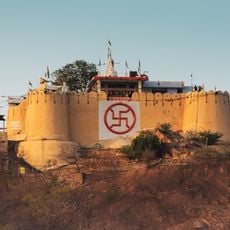
The city was designed in the early 18th century under Jai Singh II, following principles that emphasized solar alignment and directional symbolism. Walls and gates were added to define boundaries and regulate movement between the different neighborhoods.
Craftspeople work in open workshops throughout the old quarters, shaping brass, weaving carpets and stamping dyed fabrics by hand. Many families maintain studios inside their homes, where traditional techniques pass from one generation to the next through apprenticeship.
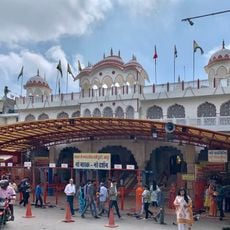
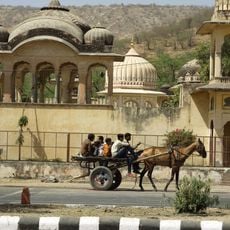
The streets fill with pedestrians, cycle rickshaws and small motorbikes, especially during morning and evening hours when shops are busiest. Sidewalks vary in width, so it helps to stay alert and move with the general flow of traffic.
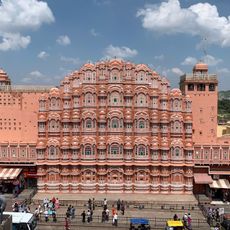
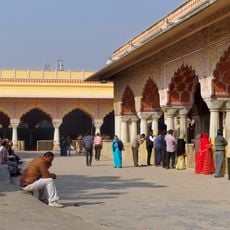
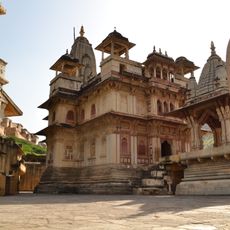
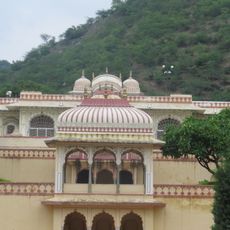
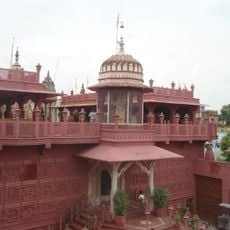
The color of the facades came from a decision to repaint the old town ahead of a royal visit in the late 19th century. The tradition stuck, and residents continue to use shades of terracotta and rose when renovating their buildings.
The community of curious travelers
AroundUs brings together thousands of curated places, local tips, and hidden gems, enriched daily by 92,214 contributors worldwide.