Tamba Province, Historical province in central Kyoto and east-central Hyōgo, Japan
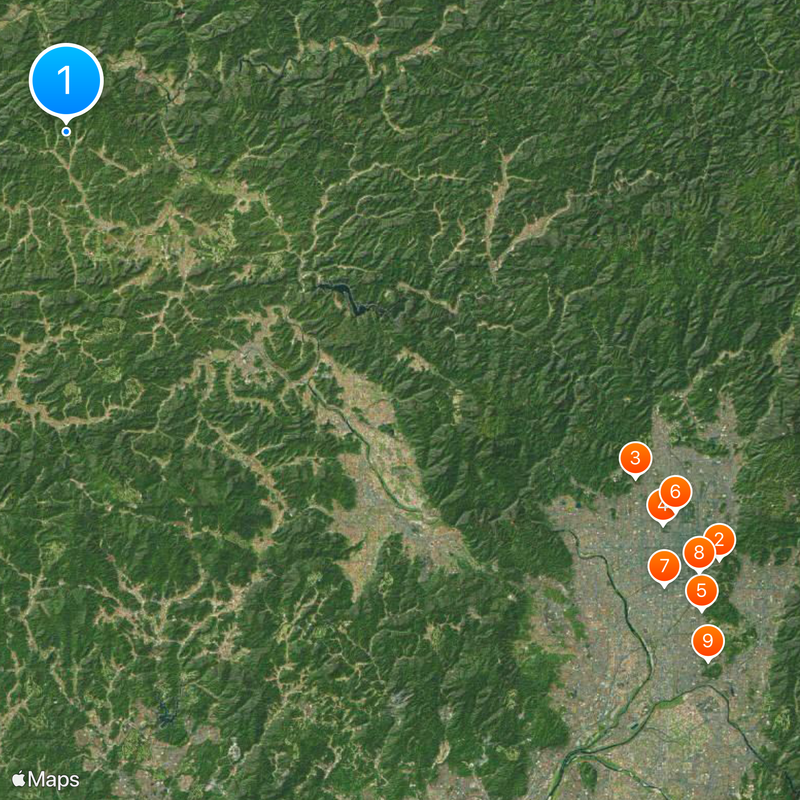
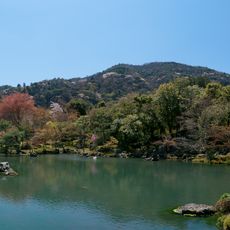
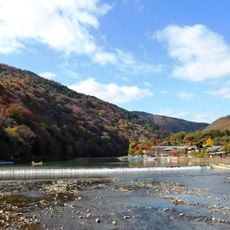
Tamba is a former province within the San'indō circuit that covers parts of present-day Kyoto and Hyōgo prefectures. The territory includes several river valleys separated by forested mountain ridges, now connecting smaller towns and scattered farming villages.
In 713, the territory split from Tango Province and formed its own administrative unit within the imperial system. Later, during the Edo period, the shogunate divided the region among several loyal families to better guard the capital at Kyoto.
The name comes from ancient Japanese words meaning 'wet field', which reflects how residents in many of the valleys still grow rice in terraced paddies. Local festivals often honor the protective spirits of these farming communities, continuing traditions that have linked mountain and valley villages for centuries.
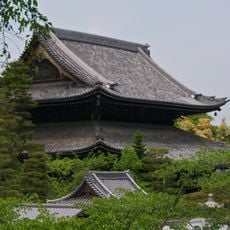
The terrain consists of several separate valleys that work well for day hikes between old temple sites and farmland. Regional bus lines connect the towns, though service is less frequent in the mountain villages than in the larger settlements near Kyoto.
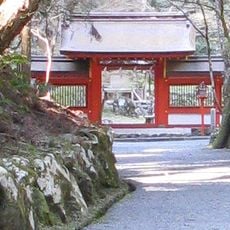
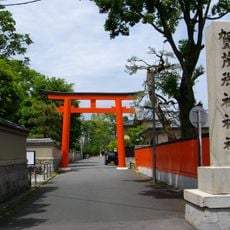
The Izumo shrine in Kameoka shares its name with the famous sanctuary in Shimane because a group of believers is said to have carried the deity here from afar. Some villages in the highlands still brew their own sake following recipes passed down for several centuries.
The community of curious travelers
AroundUs brings together thousands of curated places, local tips, and hidden gems, enriched daily by 90,816 contributors worldwide.