Chișinău, Capital city in central Moldova.
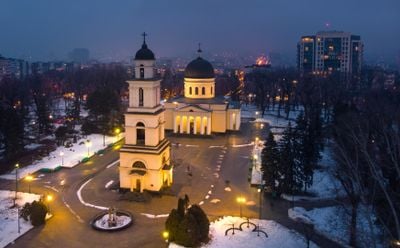
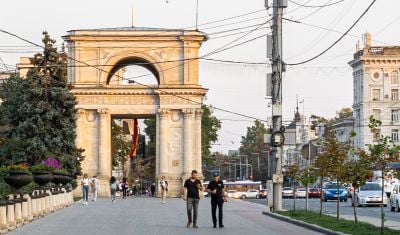
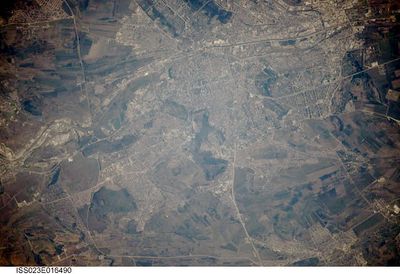
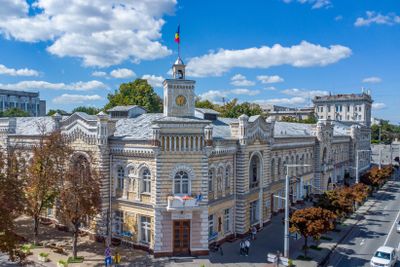
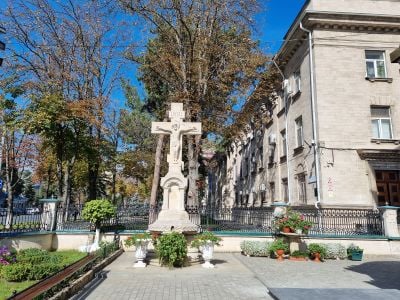
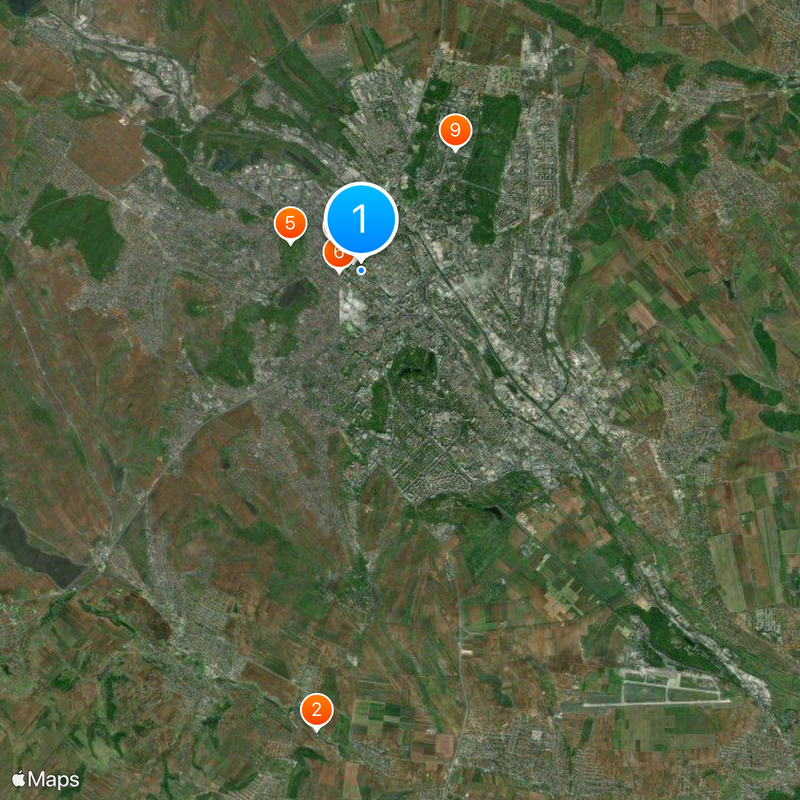
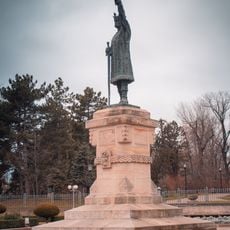
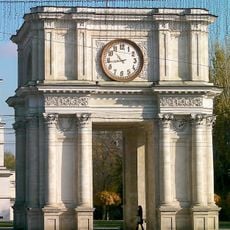
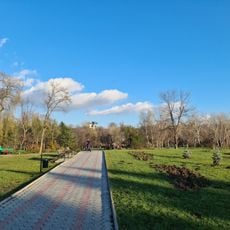
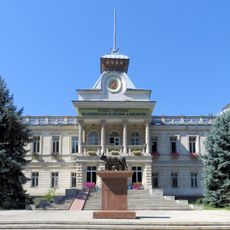
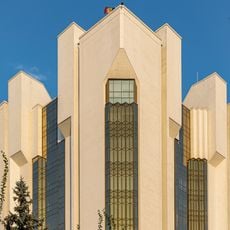
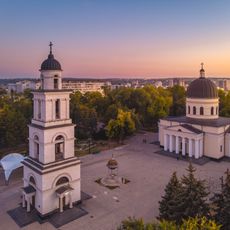
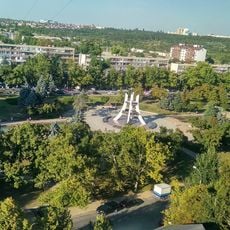
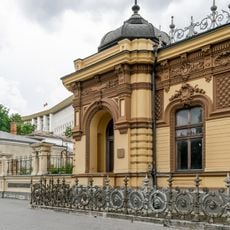
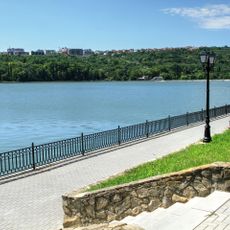
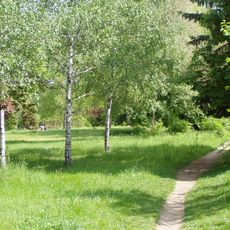
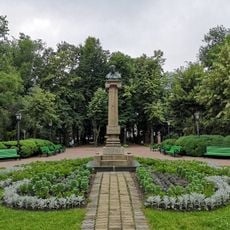
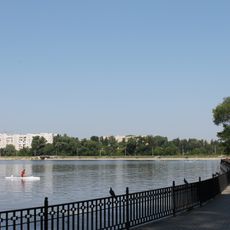
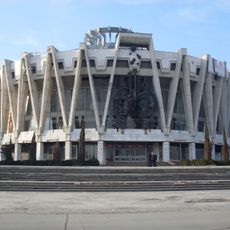
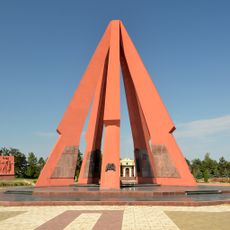
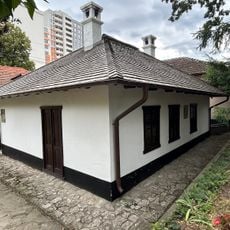
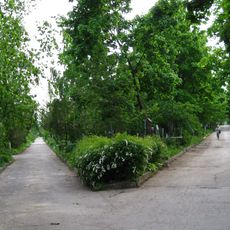
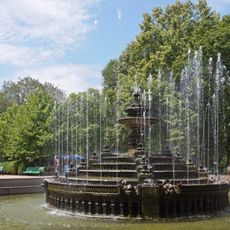
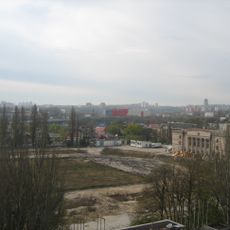
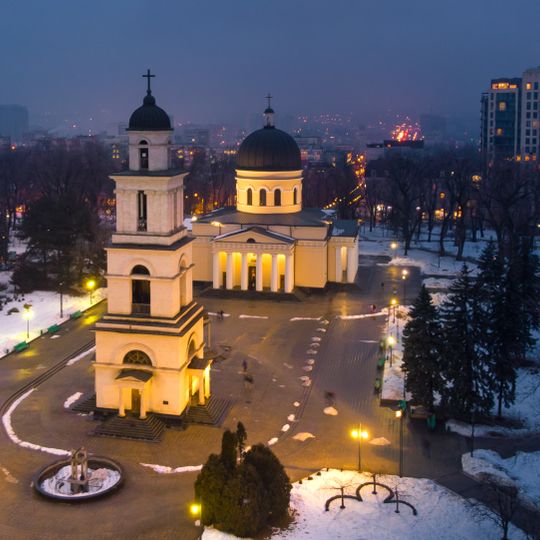
Chișinău is the capital of the Republic of Moldova, situated in the central part of the country along the banks of the Bâc River. The streets follow a grid pattern lined with Soviet-era apartment blocks, low historical houses, and newer commercial and residential buildings, while large parks with lakes and monuments are interspersed throughout.
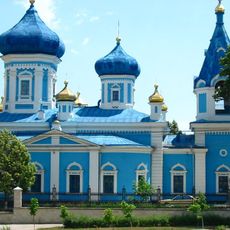
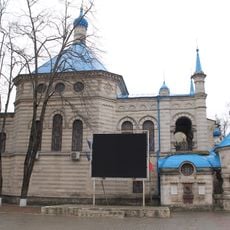
The village began in the 15th century around an Orthodox monastery and remained small for centuries until it became the administrative center of Bessarabia under Russian rule after 1812. Heavy destruction during the Second World War led to reconstruction in Soviet architectural style, which still defines much of the cityscape today.
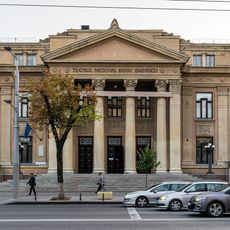
The National Opera and Ballet draws locals and visitors who often dress formally to attend performances reflecting a long local tradition of classical repertoire. In cafés and parks, people sit for hours over conversation while street vendors sell roasted sunflower seeds that remain a popular snack throughout the region.
Public transport connects all main districts with vehicles running until late evening and signs displaying both Cyrillic and Latin scripts. Many sights and restaurants lie within walking distance in the center, while broad sidewalks and tree-lined boulevards make walking comfortable even during summer heat.
The Cricova winery on the outskirts holds over 120 kilometers (75 miles) of underground tunnels storing millions of bottles in a vast maze-like facility that can be toured by car. Visiting heads of state have held receptions there for decades, with some tunnels named after wine regions.
The community of curious travelers
AroundUs brings together thousands of curated places, local tips, and hidden gems, enriched daily by 91,255 contributors worldwide.