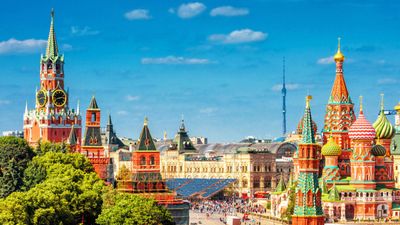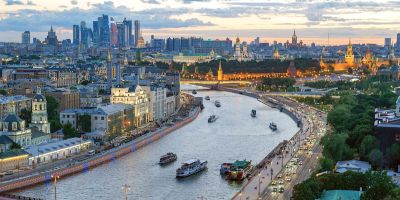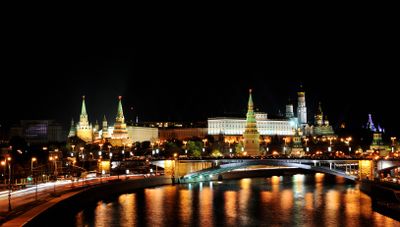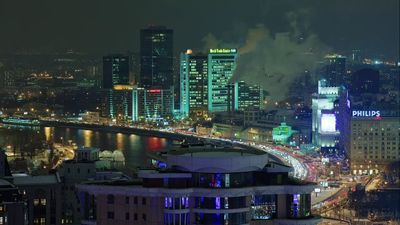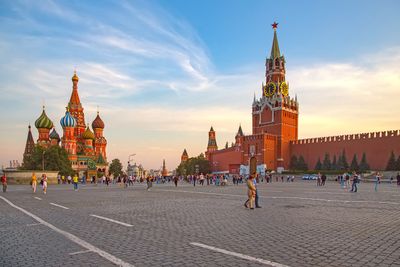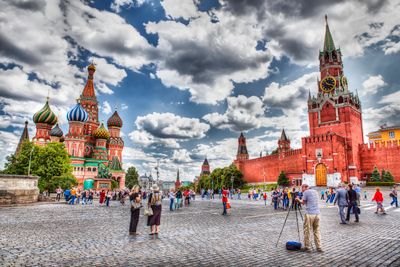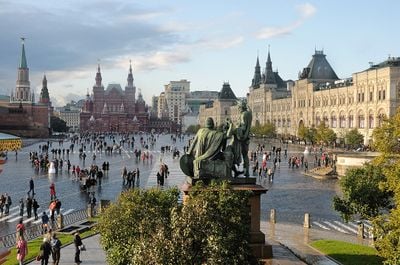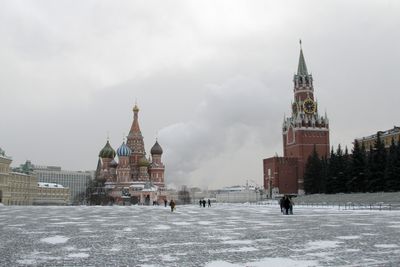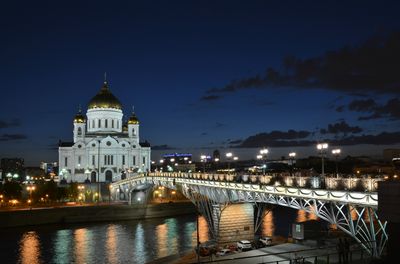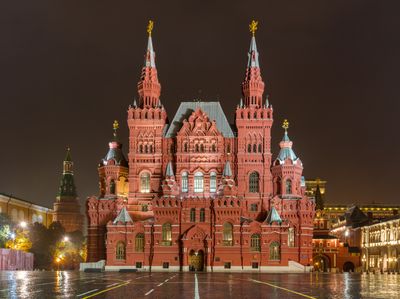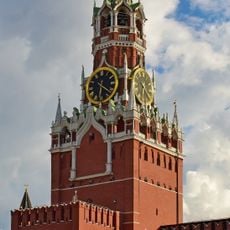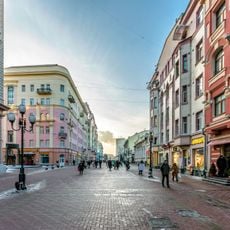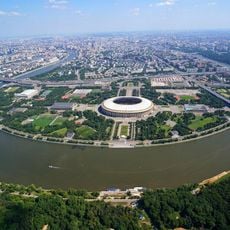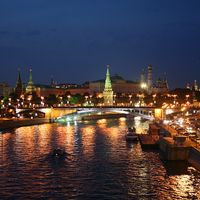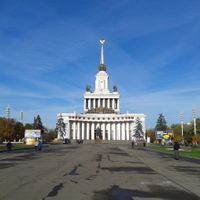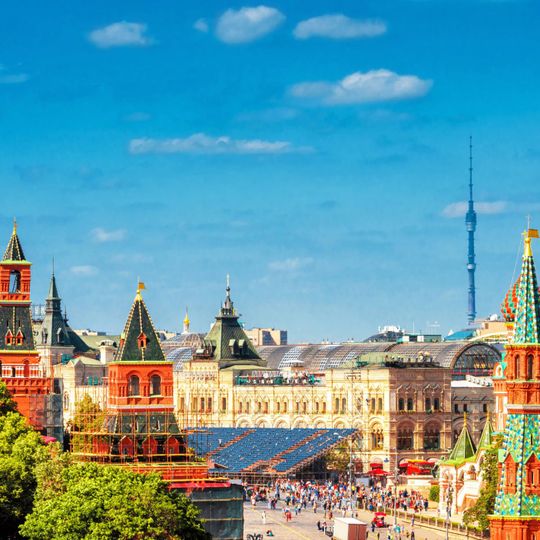
Moscow, Capital city in Central Russia.
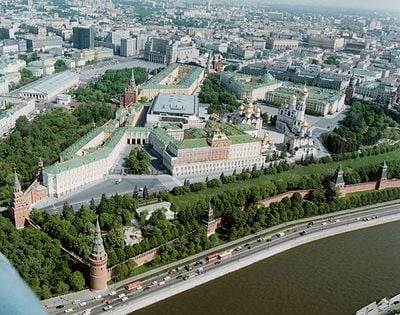
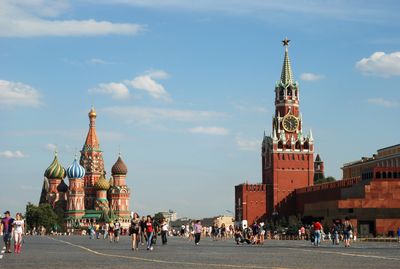
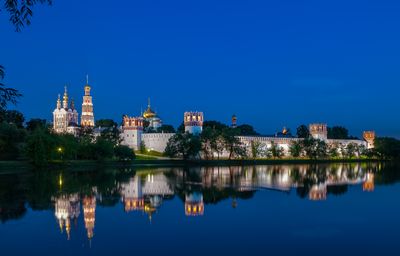
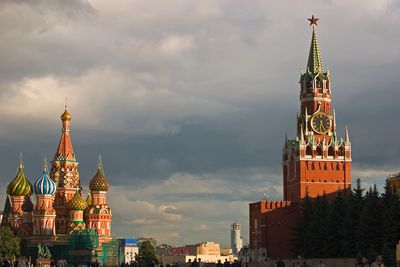
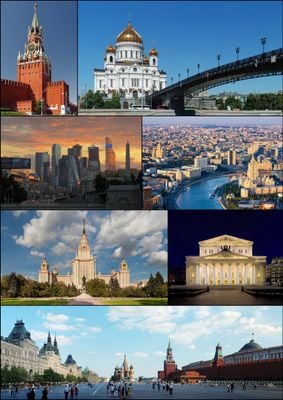
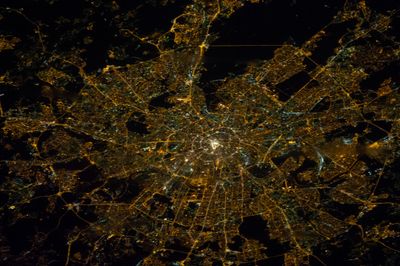
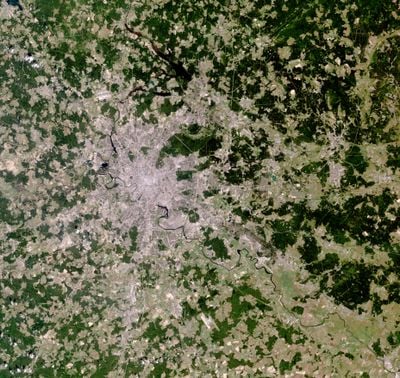
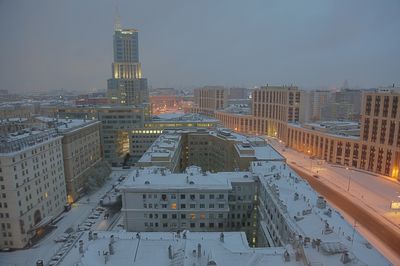
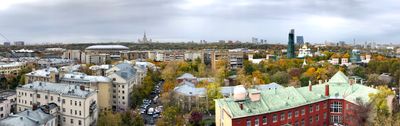
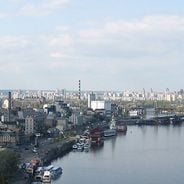
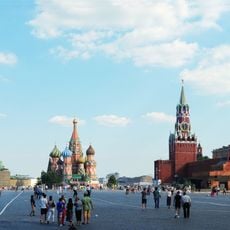
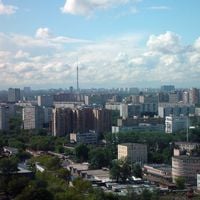
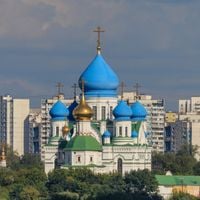
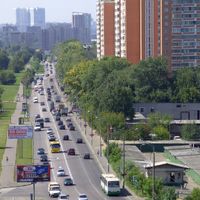
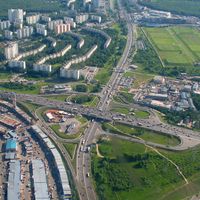
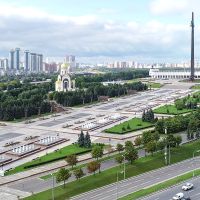
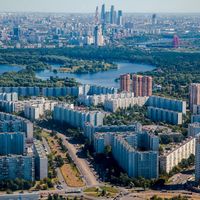
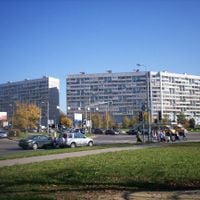
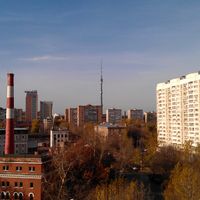
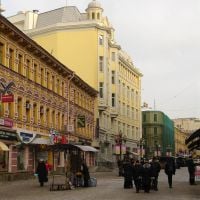
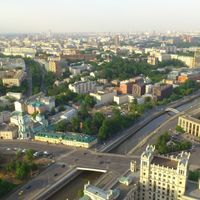
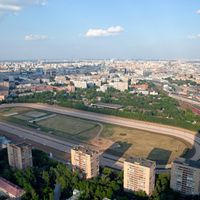
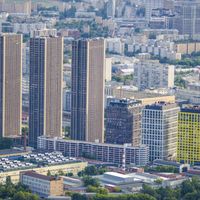
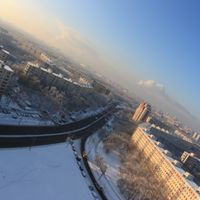
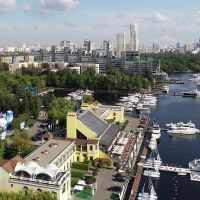
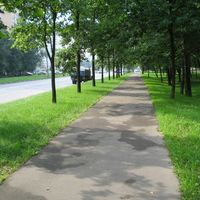
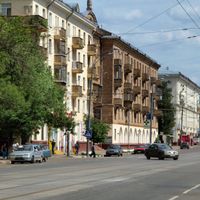
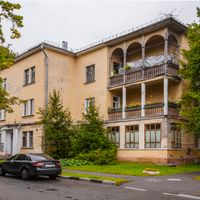
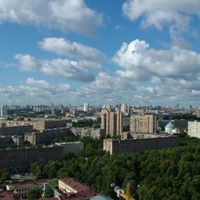
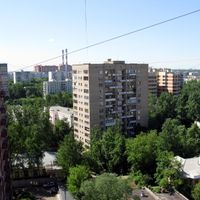
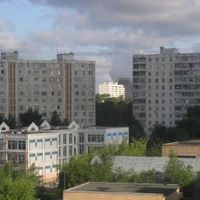
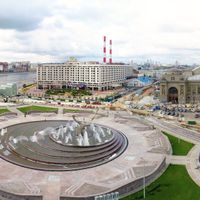
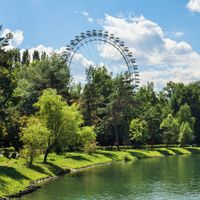
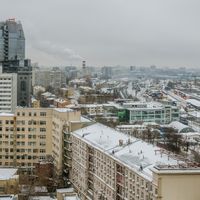
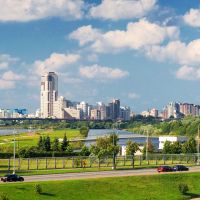
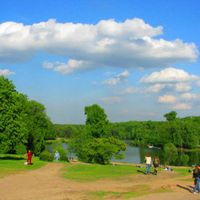
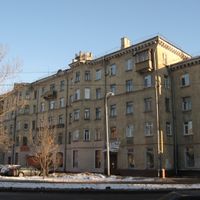
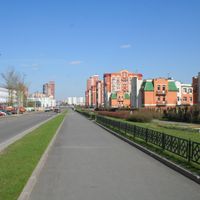
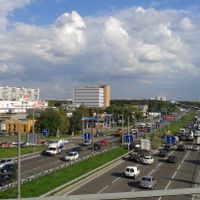
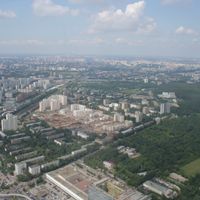
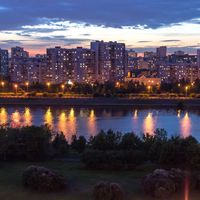
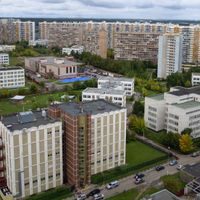
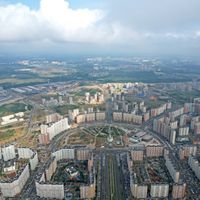
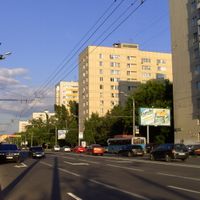
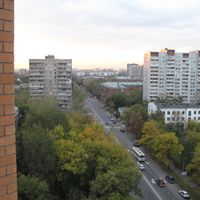
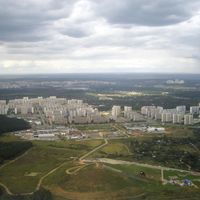
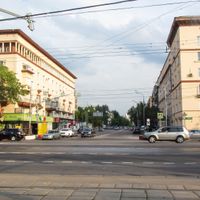
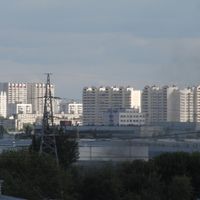
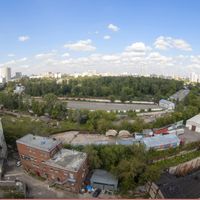
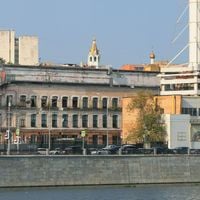
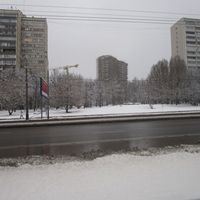
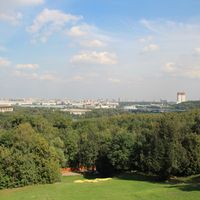
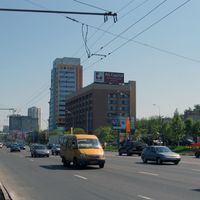
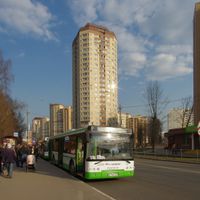
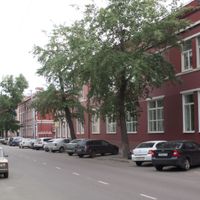
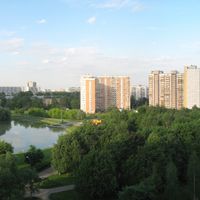
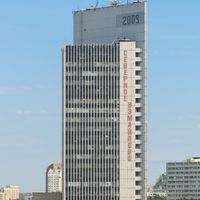
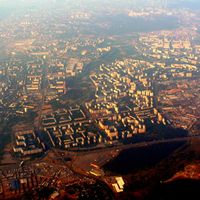
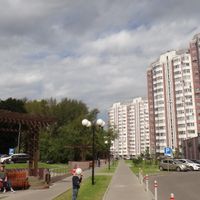
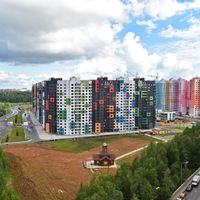
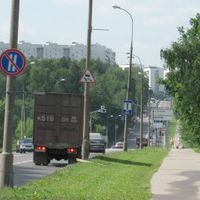
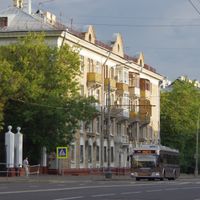
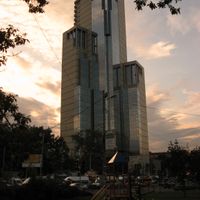
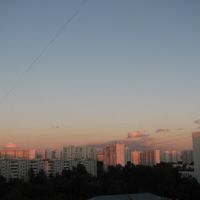
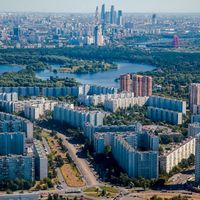
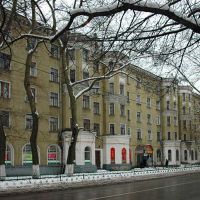
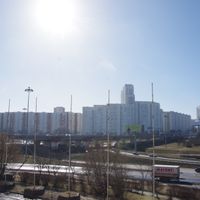
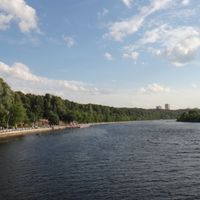
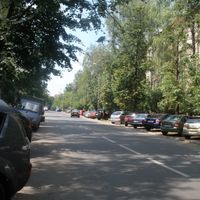
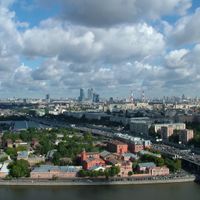
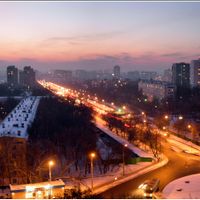
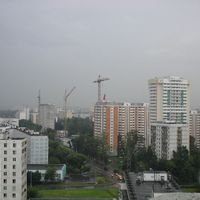
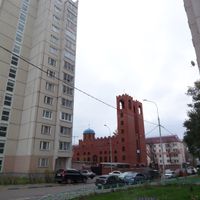
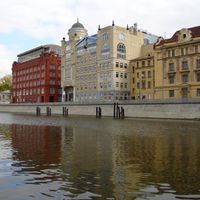
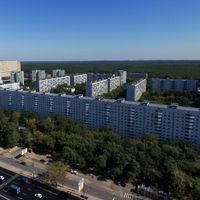
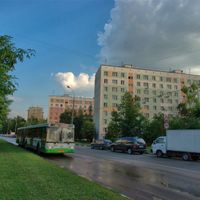
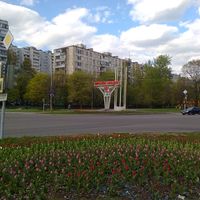
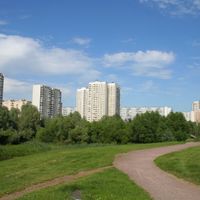
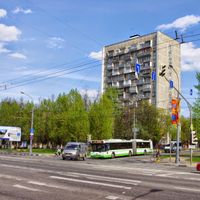
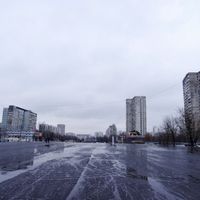
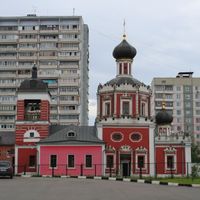
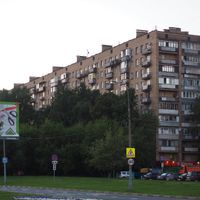
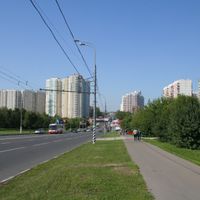
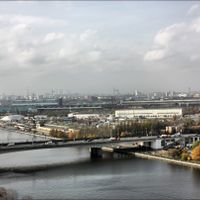
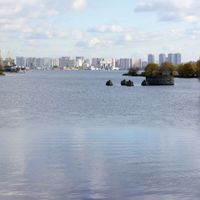
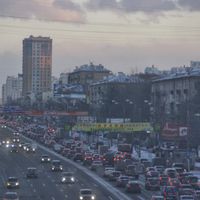
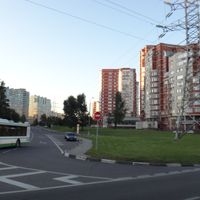
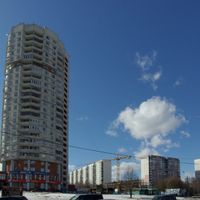
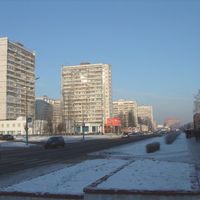
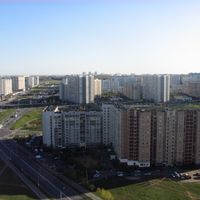
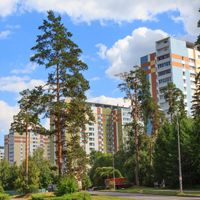
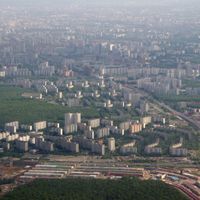
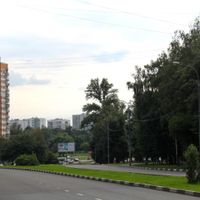
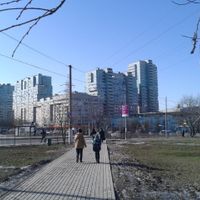
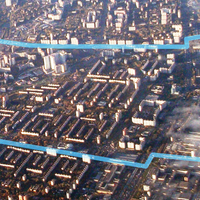
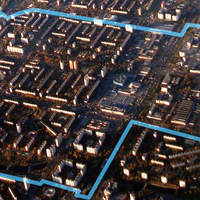
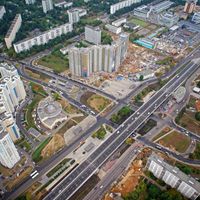
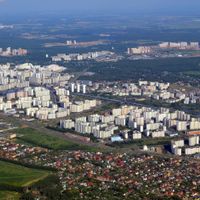
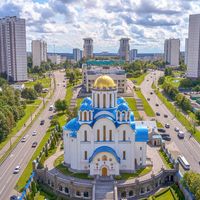
The city stretches along the Moskva River through a vast territory in the western part of the country, housing more than thirteen million residents within its administrative limits, making it one of the most populated urban areas in Europe, with wide boulevards, green parks, soviet housing blocks and modern skyscrapers spread across several ring roads.
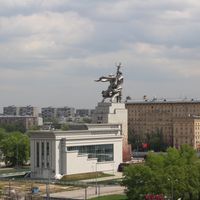
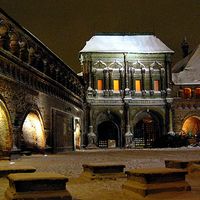
The settlement arose in the twelfth century as a wooden fort under Prince Yuri Dolgorukiy and grew over the centuries into the heart of the Russian tsardom, later becoming capital of the Soviet Union and eventually of the Russian Federation, undergoing numerous transformations and expansions that shaped its current appearance.
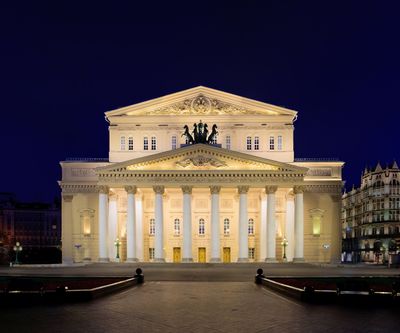
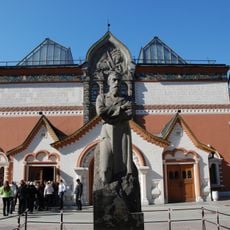
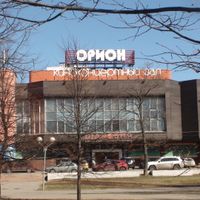
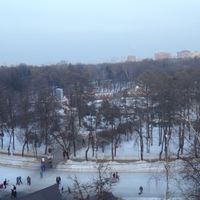
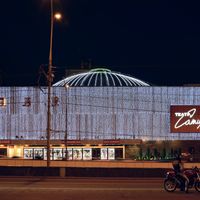
This metropolitan area acts as the engine of Russian daily life and language, where theaters like the Bolshoi exist alongside contemporary art scenes and where local customs such as shared tea hours and evening walks in parks are woven into the urban rhythm and where families often visit flea markets on weekends or travel to countryside cottages on their days off.
The metro network extends through around two hundred stations and carries millions of passengers daily across the urban area, with single tickets and rechargeable cards available at all stations, while many central areas can be explored on foot if you allow enough time for walking.
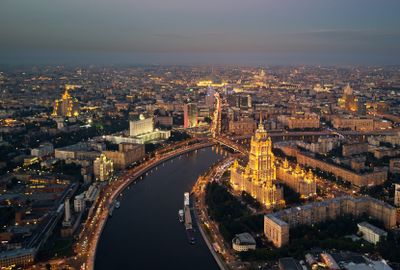
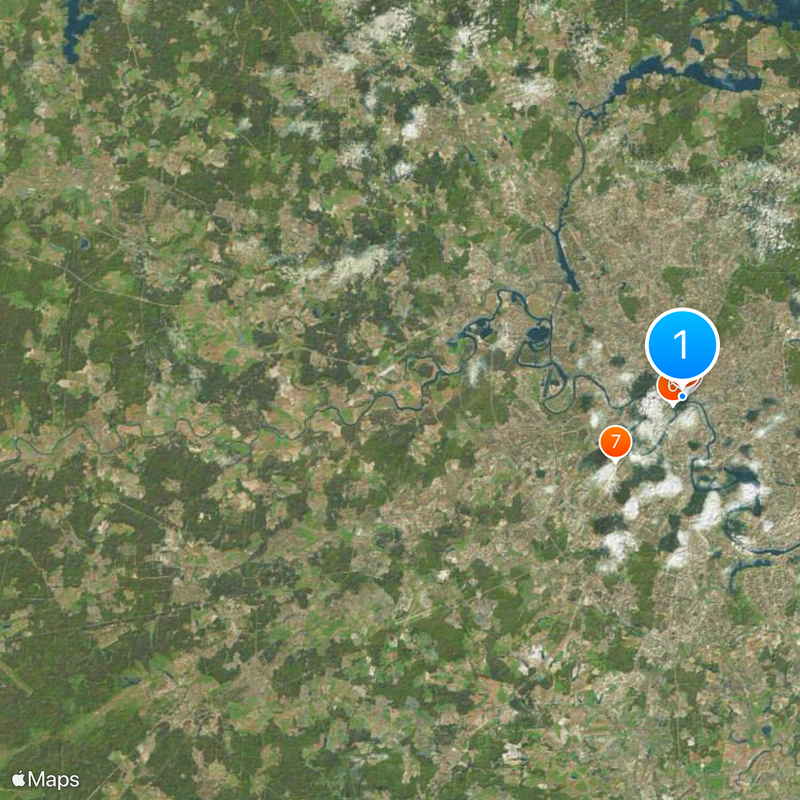
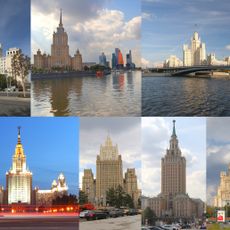
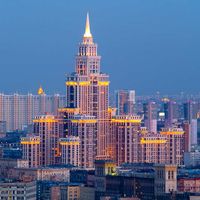
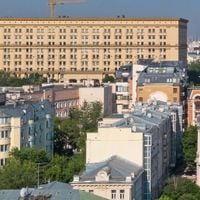
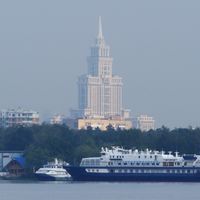
The city contains seven towering buildings known as the Seven Sisters, erected between the late forties and early fifties in Stalinist style, which still dominate the skyline and can be spotted from many points throughout the urban area.
The community of curious travelers
AroundUs brings together thousands of curated places, local tips, and hidden gems, enriched daily by 90,833 contributors worldwide.