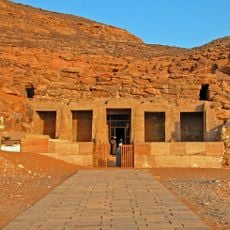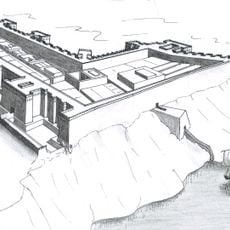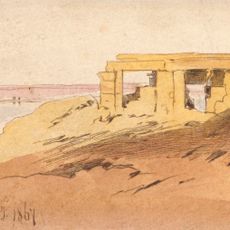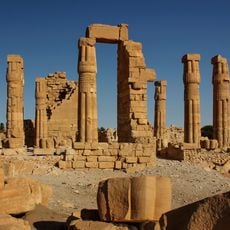
Shalfak, Egyptian fortress on Lake Nubia island, Sudan
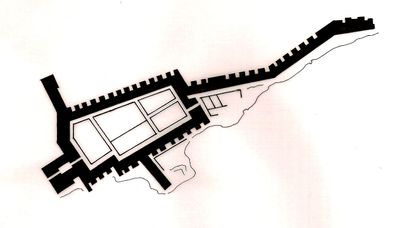
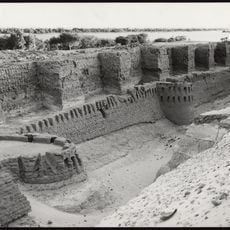
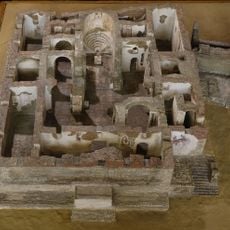
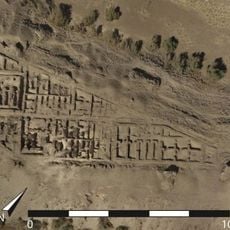
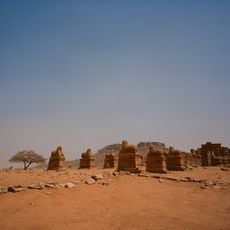
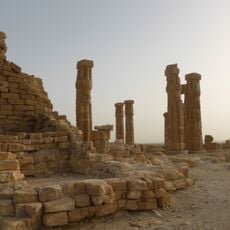
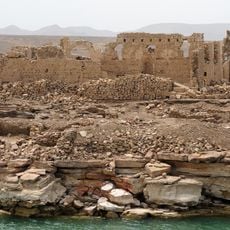
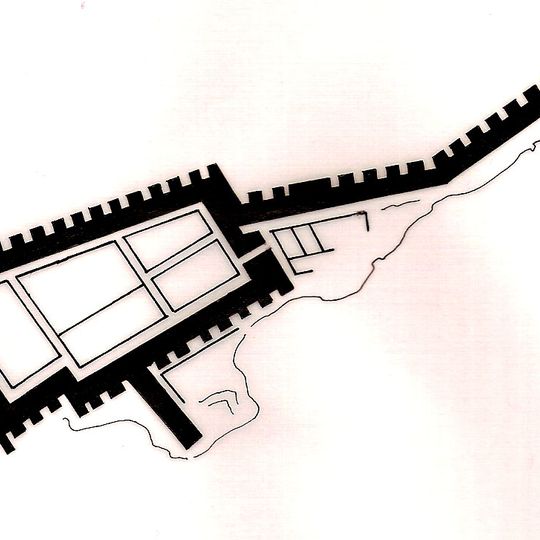
Shalfak is an Egyptian fortress occupying a roughly triangular area of about 1,800 square metres on what is now an island in Lake Nubia. Its massive mudbrick wall still stands up to 6 metres high and 8 metres thick, with three spur walls to the north, west and east. The eastern wall protects a stairway down to the river, and inside are a command building, barracks, workshops, storerooms and a granary laid out on a grid plan.
The fortress was built during Egypt's Middle Kingdom period under Pharaoh Senusret III around 1870 to 1850 BCE as part of a border defense network. It was one of several installations constructed along the river at that time to protect Egyptian territorial interests.
The original name Waf-Chastiu means 'subduing the foreign lands' and reflects the Egyptian military role in ancient Nubia. This naming reveals how important this location was for controlling the region.
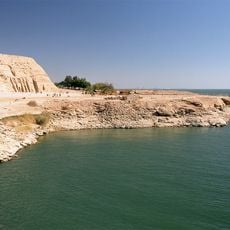
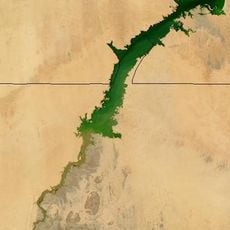
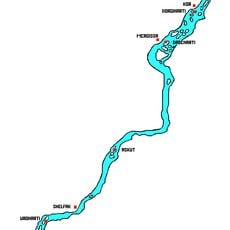
Shalfak lies on an island in Lake Nubia, about five kilometres south of Uronarti, and can be reached only by boat, so transport must be arranged in advance. The eastern wall shelters the stairway down to the river; the ground inside the walls is uneven and the ruins are unprotected, so bring water, sun protection and sturdy footwear.
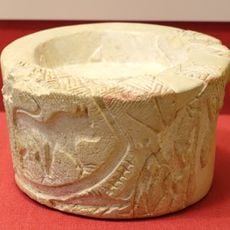
The fortress lies on what is now an island in Lake Nubia, about five kilometres north of Uronarti. A small Middle Kingdom cemetery was found beside the walls, and a few finds show Nubians of the Roman period were present there long after the Egyptian garrison left.
The community of curious travelers
AroundUs brings together thousands of curated places, local tips, and hidden gems, enriched daily by 93,963 contributors worldwide.