See the monuments around you in AROpen chests in the app
Around Us is built for your phone — point your camera at the streets and discover the monuments and places around you in augmented reality.Around Us is built for your phone — chests unlock when you walk, explore and capture nearby places.
Between national parks, historic villages, and ski resorts, Gangwon offers landscapes that change with the seasons.
Gangwon is a Korean province where mountains meet the sea. You will find national parks with striking rocky peaks, Buddhist temples tucked into forests, white sand beaches facing the ocean, and villages that tell the story of the region. Seoraksan, in the heart of the province, draws hikers all year round. Its valleys, waterfalls, and granite rocks change their look with the seasons. Further north, Odaesan offers hikes through a calmer forest, with old temples and wooded scenery. Along the coast, you will discover beaches that differ from one another: some wide and sandy, others rocky and wild. Fishing villages like Sokcho keep their way of life, their markets full of fresh fish, and their local dishes. Inland, rolling pastures and birch forests offer views you will not find elsewhere in Korea. Pine-lined coastal lakes, old railway lines turned into trails, rail bikes that take you through the valleys, and underground caves complete this wide range. Gangwon truly changes with the seasons: green and cool in summer, snow-covered in winter, blazing in autumn. It is a place where something new happens on every visit, and where everyone can find something to do, whether they like hiking, relaxing at the beach, historic sites, or simply walking in nature.
Between national parks, historic villages, and ski resorts, Gangwon offers landscapes that change with the seasons.
Gangwon is a Korean province where mountains meet the sea. You will find national parks with striking rocky peaks, Buddhist temples tucked into forests, white sand beaches facing the ocean, and villages that tell the story of the region. Seoraksan, in the heart of the province, draws hikers all year round. Its valleys, waterfalls, and granite rocks change their look with the seasons. Further north, Odaesan offers hikes through a calmer forest, with old temples and wooded scenery. Along the coast, you will discover beaches that differ from one another: some wide and sandy, others rocky and wild. Fishing villages like Sokcho keep their way of life, their markets full of fresh fish, and their local dishes. Inland, rolling pastures and birch forests offer views you will not find elsewhere in Korea. Pine-lined coastal lakes, old railway lines turned into trails, rail bikes that take you through the valleys, and underground caves complete this wide range. Gangwon truly changes with the seasons: green and cool in summer, snow-covered in winter, blazing in autumn. It is a place where something new happens on every visit, and where everyone can find something to do, whether they like hiking, relaxing at the beach, historic sites, or simply walking in nature.
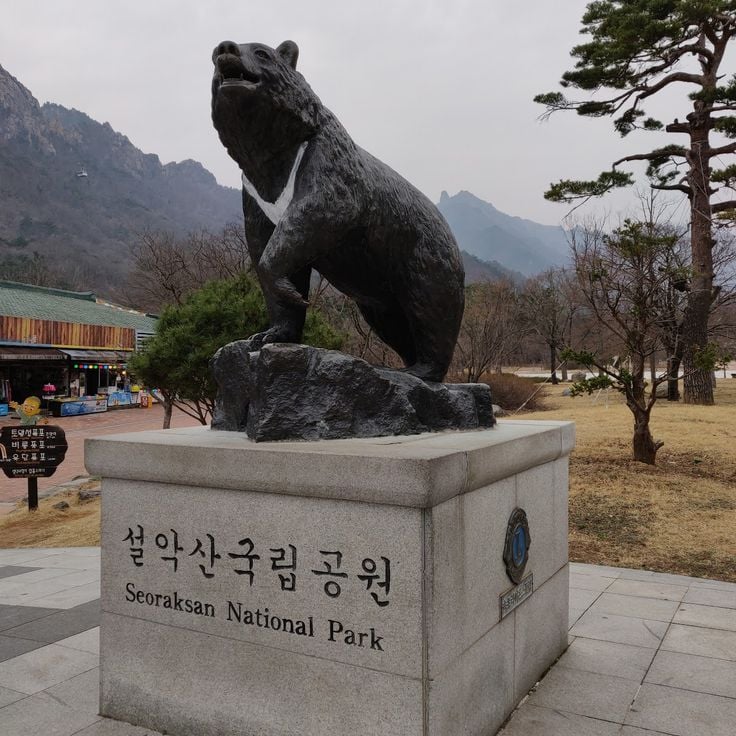
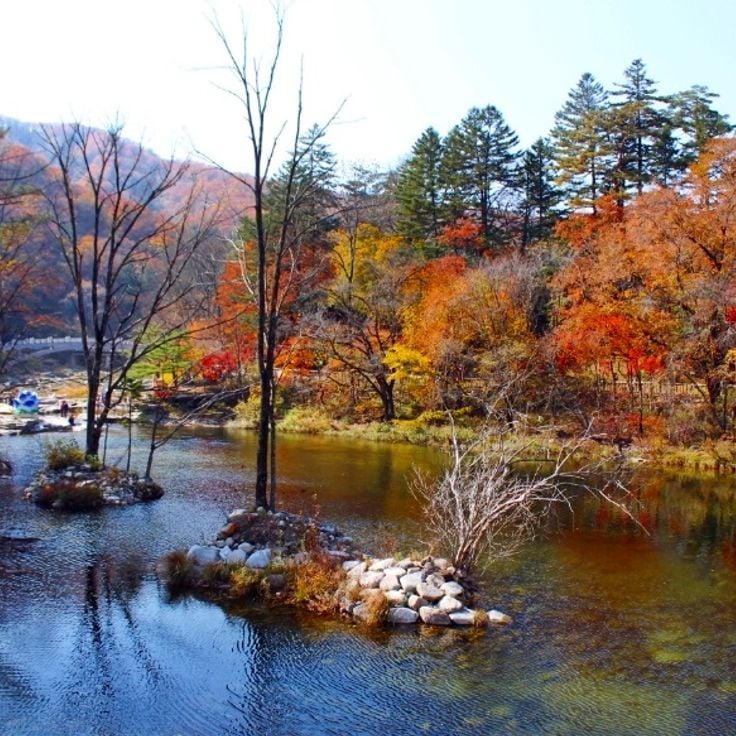
Seoraksan National Park sits in the heart of Gangwon province, spreading across the areas of Sokcho, Inje and Yangyang. Granite peaks, deep valleys and waterfalls define the landscape. The Daecheongbong summit reaches 5,600 ft (1,707 m) and is the highest point in the park. In autumn, the forests turn red and orange; in winter, snow settles on the rocks. Hikers come year-round on trails suited to all levels.
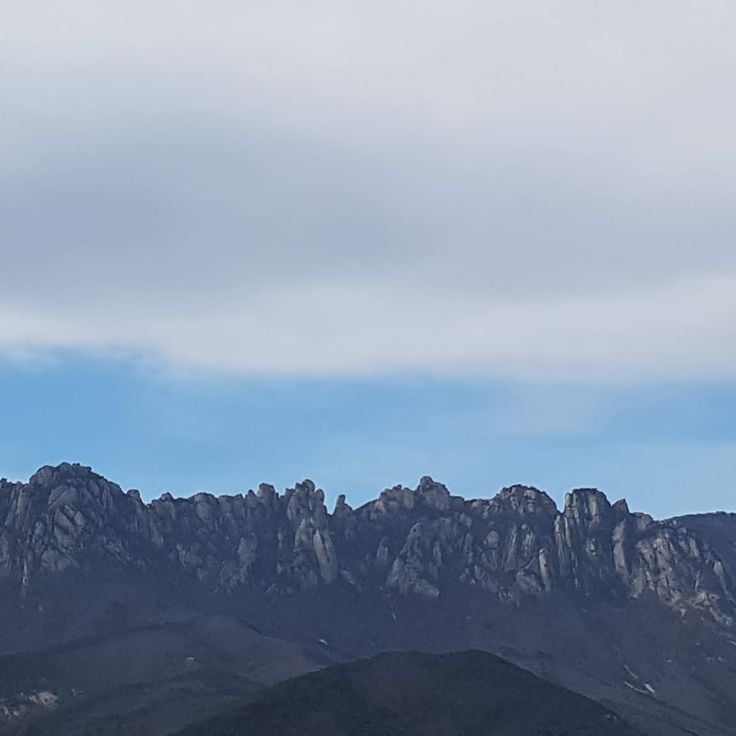
Ulsanbawi Rock is a large granite formation that rises above the forests of Seoraksan National Park. The trail leading up to it passes through trees and climbs steep stone steps carved into the rock face. From the top, you get a broad view over the surrounding peaks of Gangwon province.
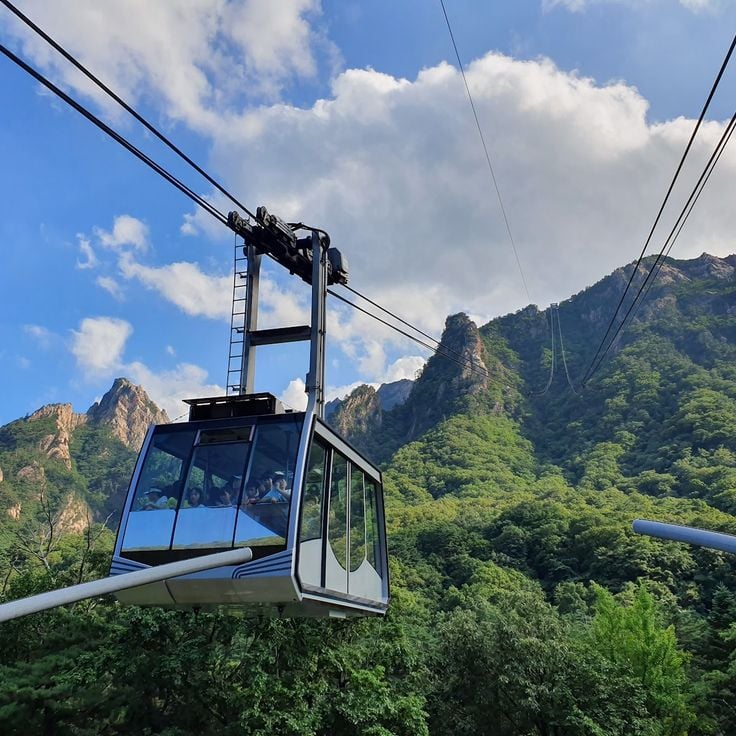
The Seoraksan cable car carries visitors up to around 2,600 ft (800 m) above sea level in just a few minutes. At the top stand the stone ruins of Gwongeumseong, an old fortress built on a granite peak. From there, the view opens over the forested slopes of the park and, on clear days, stretches toward the East Sea. It is a good way to reach the upper parts of the mountain without a long hike.
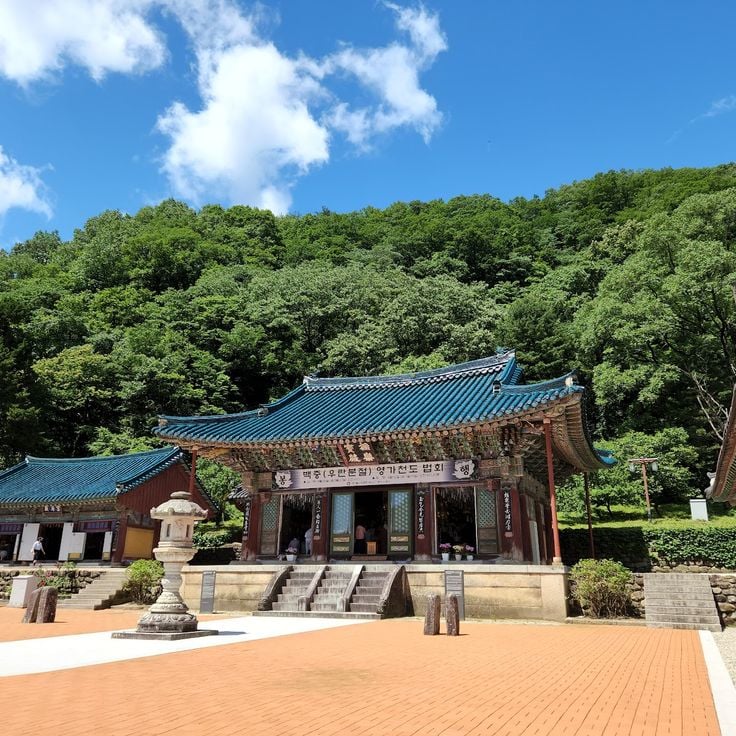
Sinheungsa Temple stands at the entrance of Seoraksan National Park, surrounded by granite rocks and old trees. It is one of the oldest Buddhist temples in Korea. A large Buddha statue greets visitors at the start of the trail that leads into the heart of the valley. The temple is open year-round and is often the first stop before heading deeper into the park.
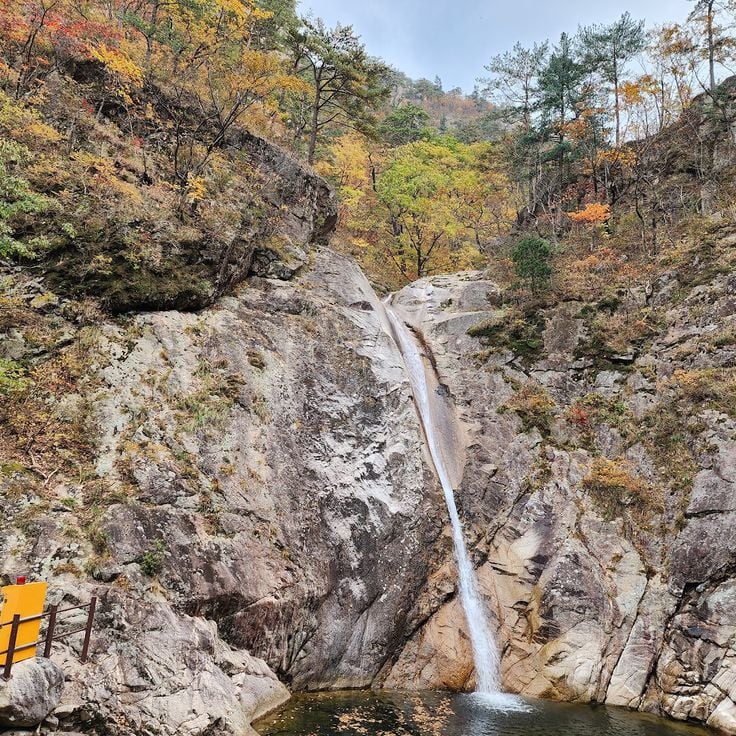
The Biryong and Towangseong waterfalls sit in the heart of Seoraksan, at the end of a forest trail that passes both falls one after the other. Along the way, the granite peaks rising above the valley come into view. The path is manageable for most visitors and is often the first hike people do when they come to Seoraksan.
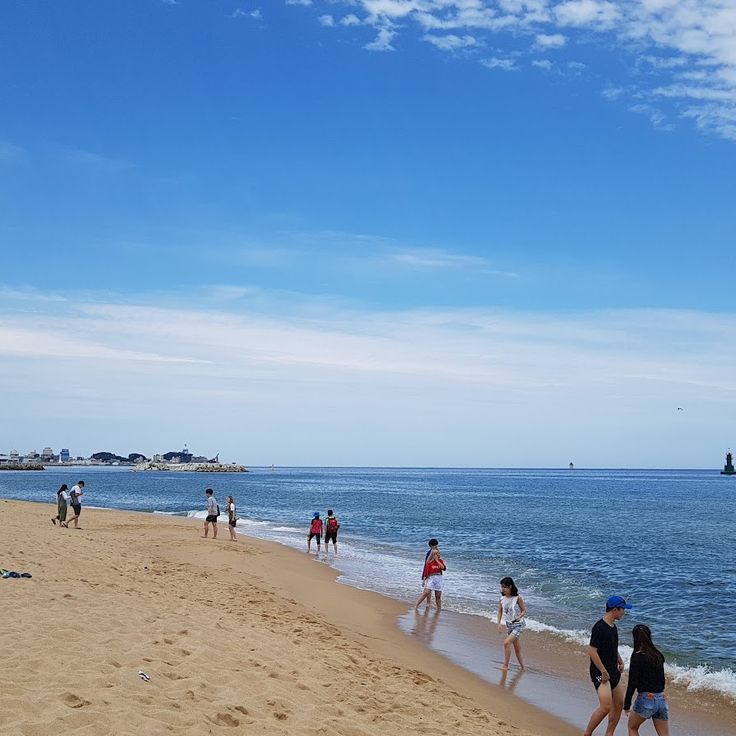
Sokcho Beach runs along the East Sea with a wide stretch of sand and a direct view of the Seoraksan mountains in the background. In summer, people come to swim and walk by the water. The city of Sokcho is right next to it, so the fresh fish markets and local restaurants are easy to reach on foot.
Abai Village in Sokcho was built by refugees who fled from the North after the Korean War. Walking through the narrow lanes today, you can still feel the history of that displacement. The neighborhood is known for its northern-style food, especially Abai Sundae, a stuffed sausage that is hard to find elsewhere in South Korea. A small cable ferry crosses the water to reach the village, and that short crossing is part of the experience.
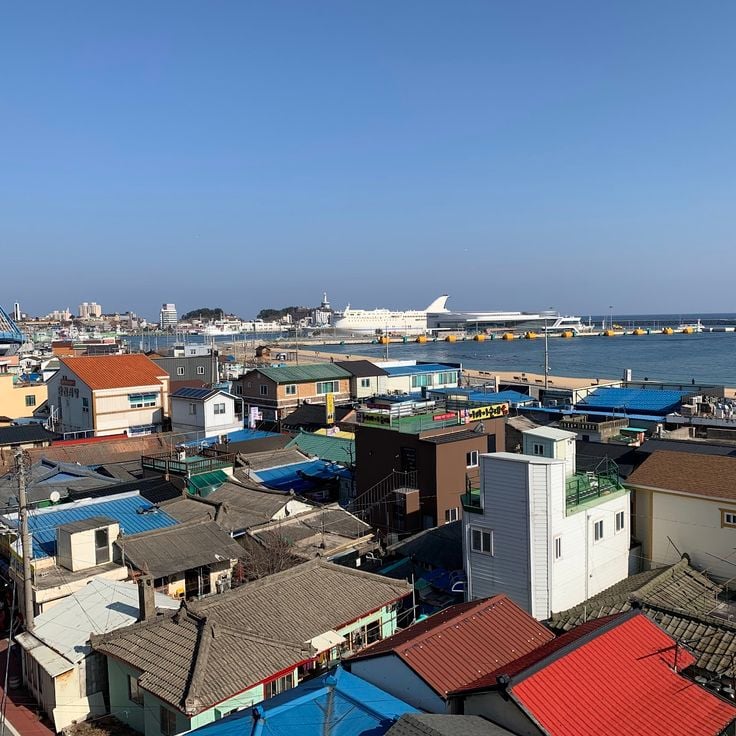
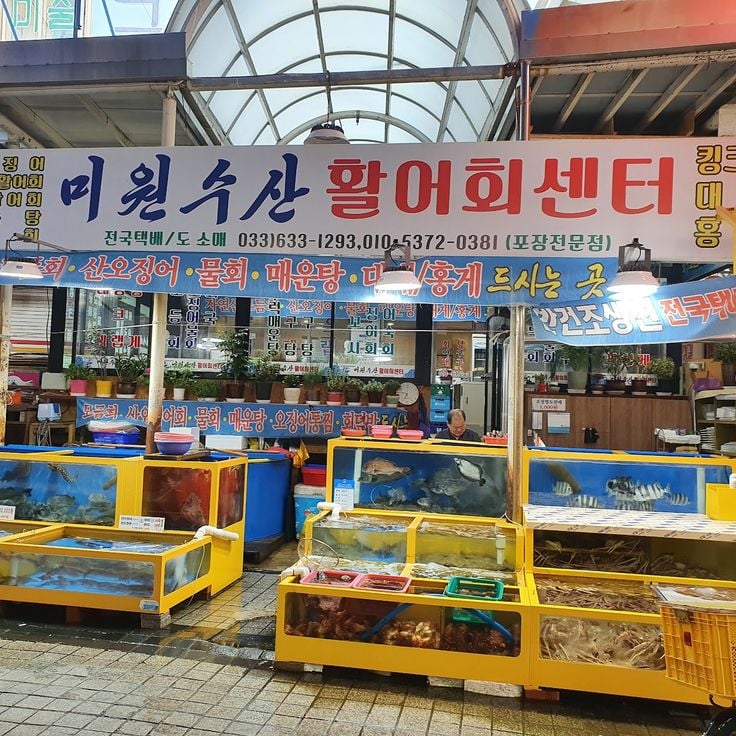
The Sokcho Tourist and Fishing Market sits near the harbor and has long been a meeting point for fishermen and locals. The smell of fresh fish and fried chicken fills the air. Stalls offer seafood, dried fish, and regional specialties from Gangwon. The market is known across South Korea for its dakgangjeong, a crispy fried chicken coated in a sweet and spicy sauce that draws visitors from far away.
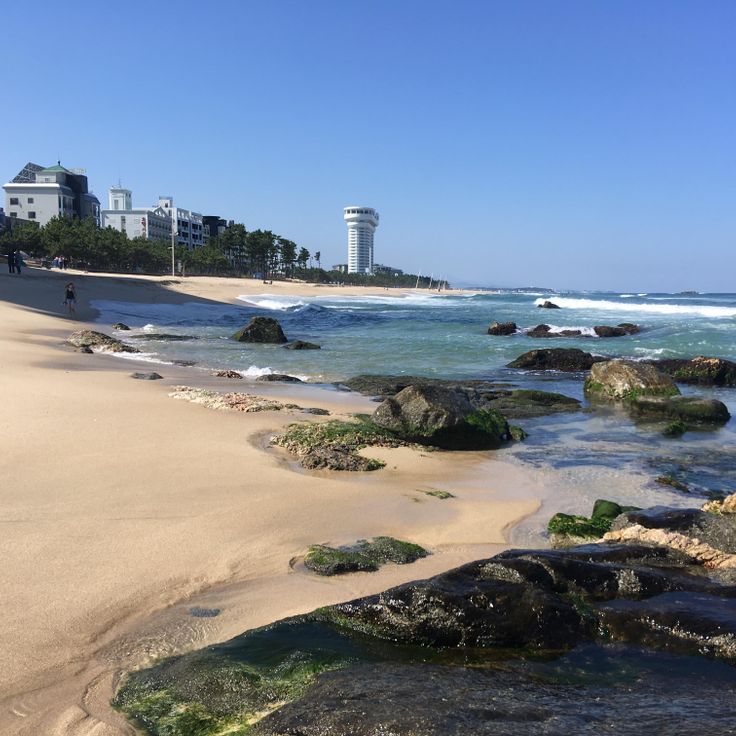
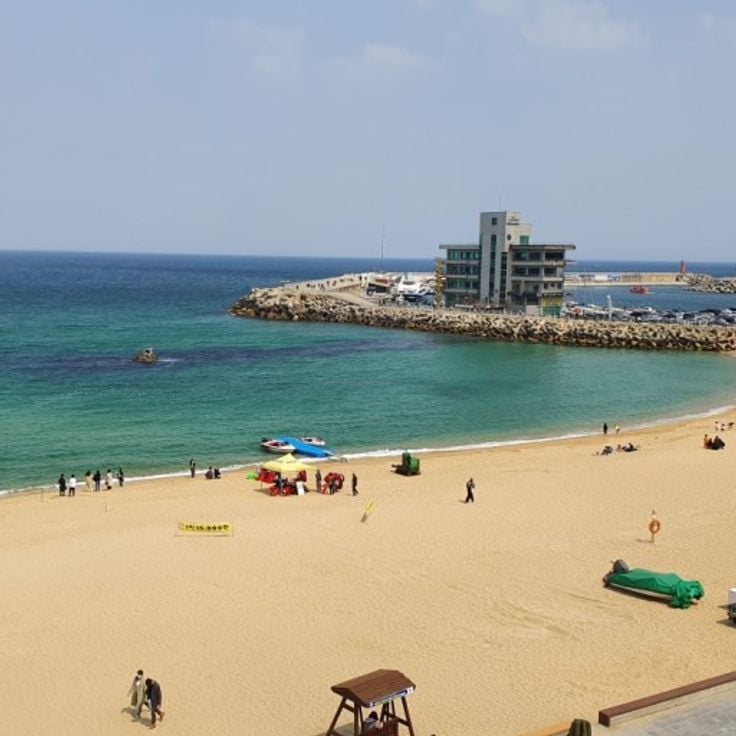
Gyeongpo Beach runs along the East Sea near Gangneung, on South Korea's east coast. The sand is wide and flat, making it easy to walk along the shoreline. In summer, families and young visitors come here to swim and enjoy the sea breeze. The beach is also known for its New Year sunrise, when crowds gather to watch the first light of the year rise over the water. Just behind the beach, Gyeongpo Lake adds a quieter side to the area.
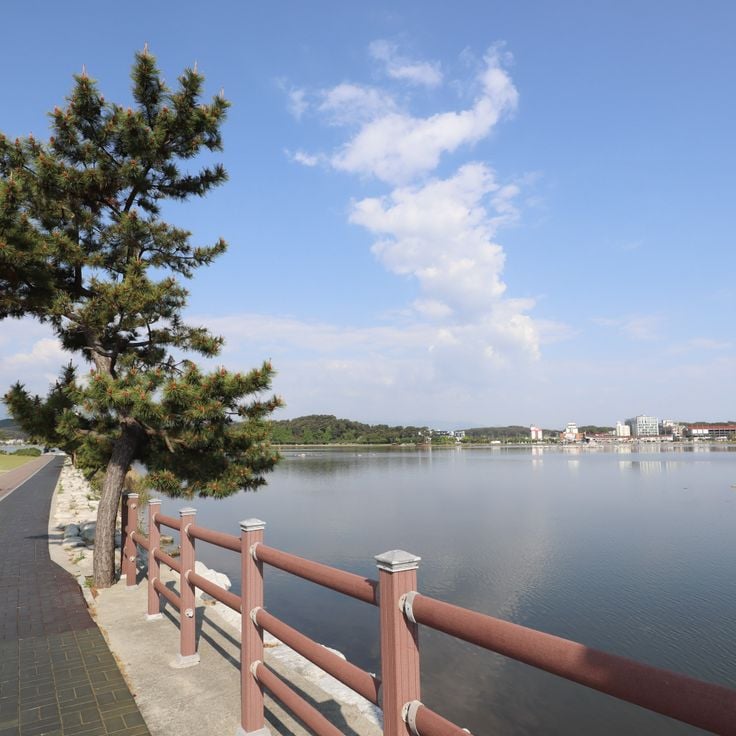
Lake Gyeongpo sits on the edge of Gangneung, separated from the ocean by a narrow strip of sand and pine trees. On its shore stands the Gyeongpodae pavilion, a wooden structure dating back to the 14th century. From the pavilion's platform, you can see the lake, the surrounding trees, and the coastline all at once. A simple path runs around the lake, used daily by locals for walking and cycling. In spring, cherry trees along the path are in full bloom. In summer, a breeze comes in from the sea. The lake has drawn painters and poets for centuries, and it is easy to understand why when you stand there and look around.
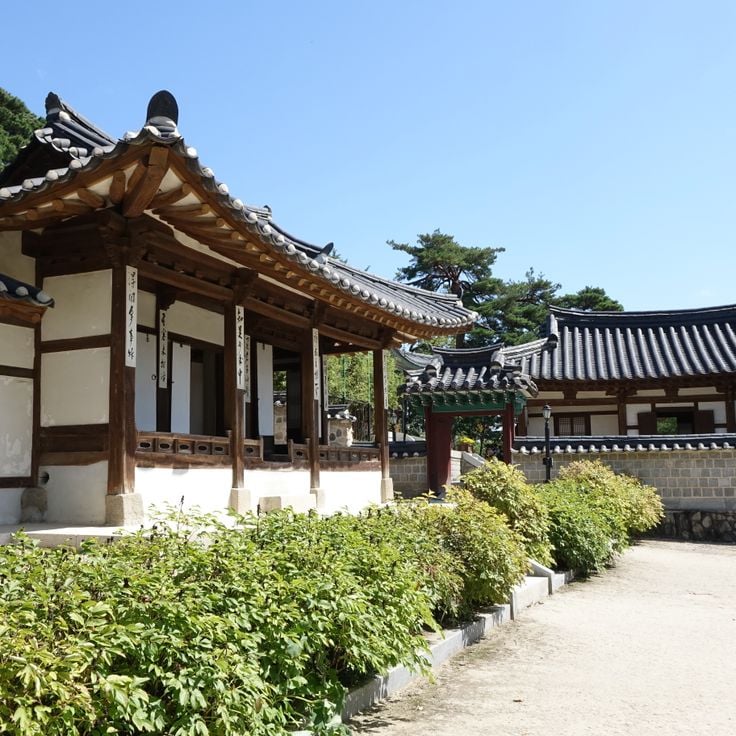
Ojukheon House in Gangneung is one of the oldest surviving wooden houses in Korea. It was the birthplace of Yi I, a well-known Confucian thinker of the 16th century, and his mother Shin Saimdang, a painter and poet. The house has a simple garden with old bamboo groves that gave the site its name. A small museum on the grounds displays portraits and objects connected to both figures.
Anmok Beach in Gangneung is a sandy stretch along the East Sea, known for the many cafes and roasters that line its waterfront walk. Strolling here, you pass cup after cup of freshly brewed coffee while the sea stretches out in front of you. It is one of the best places in South Korea to experience the local coffee culture in a relaxed, open setting.
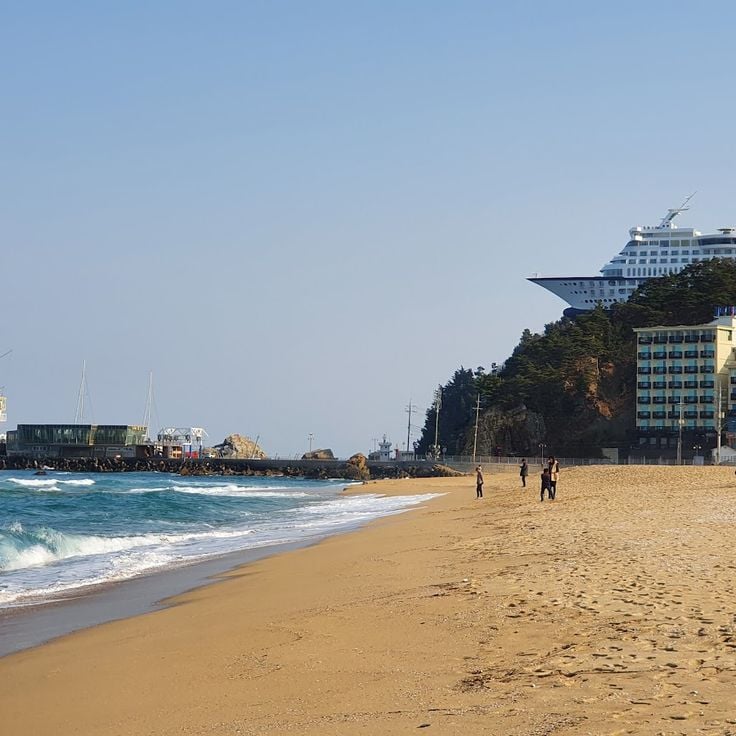
The beach of Jeongdongjin sits on the east coast of Gangwon province, right at the water's edge. It is one of the most visited spots in Korea for watching the sunrise over the East Sea. A small train station stands just a few steps from the waves, making it one of the closest stations to the sea in the world. On the hill above, a sundial park offers a wide view of the coastline. Many people come here around New Year to watch the first sunrise of the year from the shore.
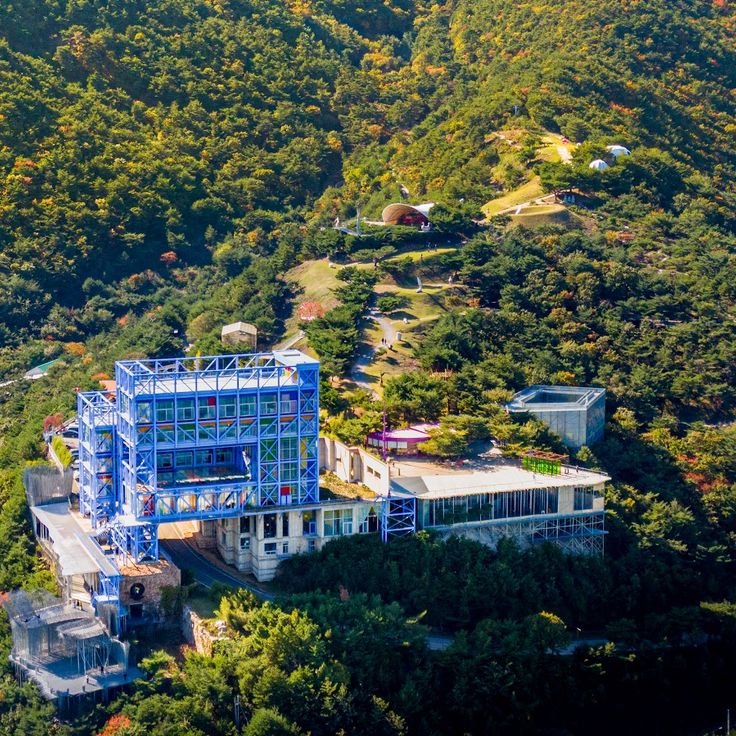
Haslla Art World is an art museum and sculpture park perched above the sea in Gangneung. Outdoor works and indoor galleries sit side by side, with the East Sea visible from nearly every angle. Walking through the grounds, you pass modern sculptures, installations, and landscaped gardens. It draws people who enjoy art as much as those who simply want to walk along the coast with something to look at.
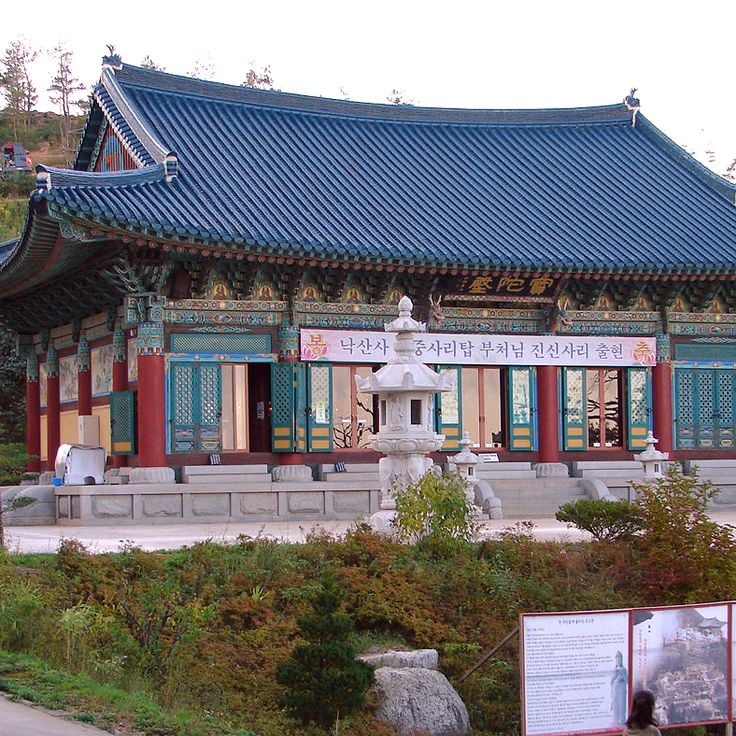
Naksansa Temple sits on a cliff above the East Sea, making it one of the few Buddhist temples in Korea built so close to the ocean. From the outer walls, you look straight down onto the rocks and the water below. The red wooden buildings and stone gates stand among pine trees that grow along the cliff's edge. Worshippers come here to pray, but many visitors simply walk through the grounds to take in the view. Early morning is when the place feels most still.
Naksan Beach sits right next to the Buddhist temple of Naksansa, which gives it a setting that other beaches along the Gangwon coast do not share. The sand is pale, the East Sea opens wide in front of you, and the temple on the hill is visible from the shoreline. This has long been one of the most visited beaches in the region, drawing crowds during summer from across the country. Walking along the water here can easily be paired with a visit to the temple just above.
Surfyy Beach in Yangyang is one of the go-to surf spots on South Korea's east coast. The waves are good for beginners and regular surfers alike, and the area around the beach is lined with surf schools, small cafés, and rental shops. The crowd is young, and many visitors come from Seoul for the weekend. The beach is at its busiest in summer, but surfers show up year-round to catch the waves off the Sea of Japan.
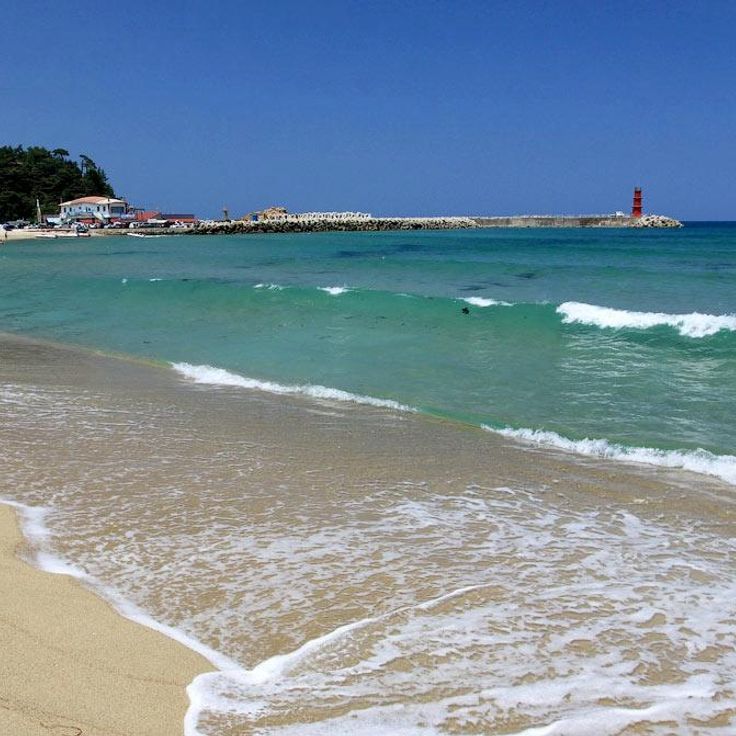
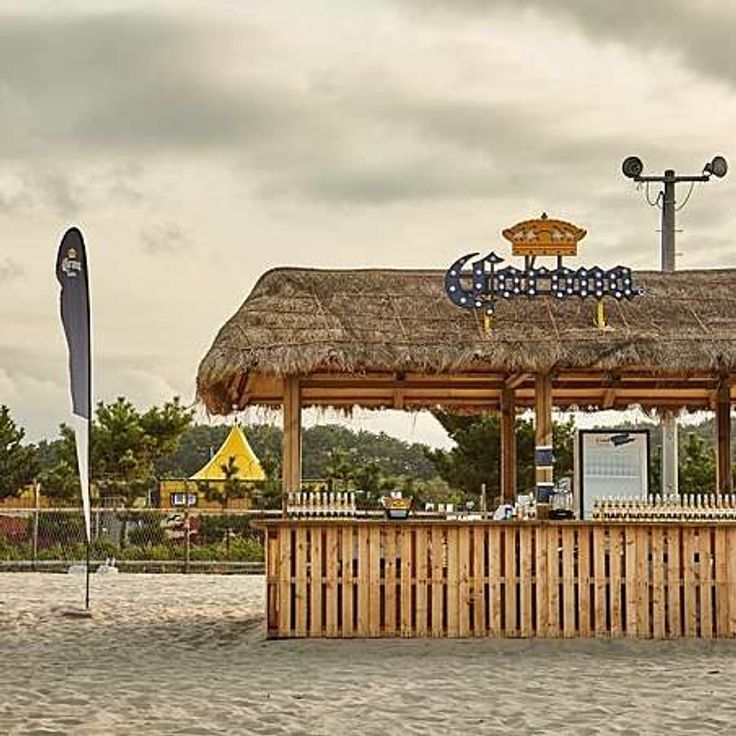
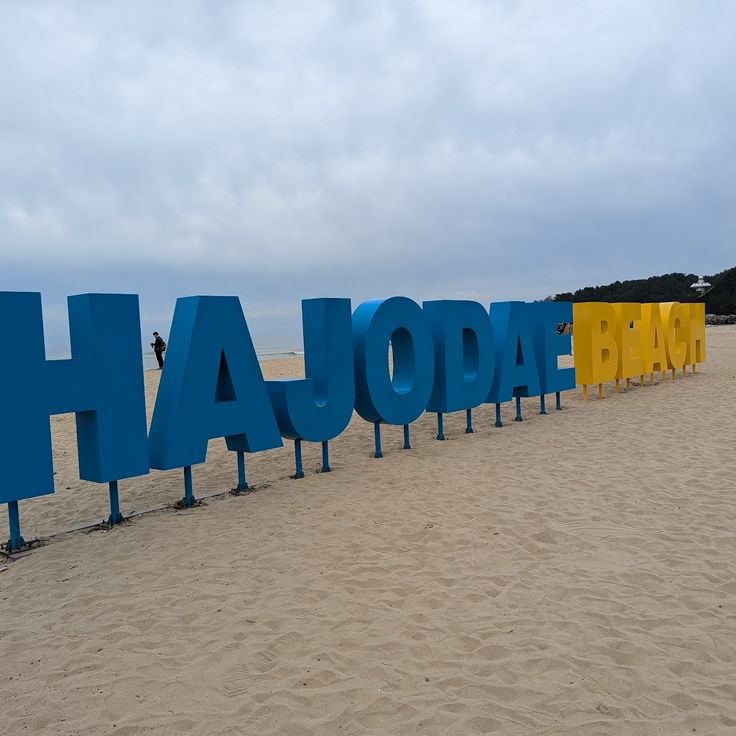
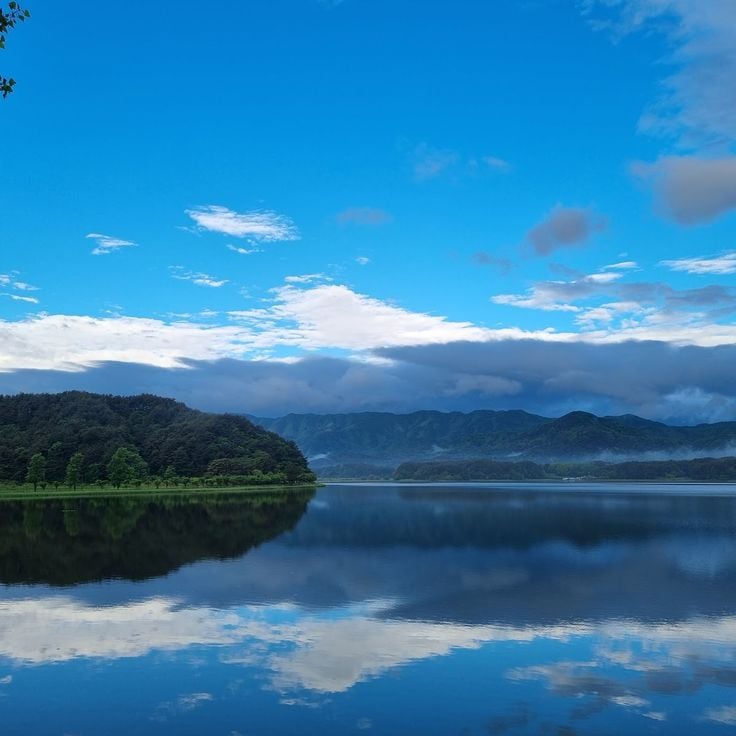
The Hajodae Pavilion sits on a rocky headland along the coast of Yangyang, with open views over the sea. The building is a traditional Korean wooden pavilion that has stood on this spot for centuries. Just below, a long sandy beach stretches along the shore, where visitors come to swim, walk, and watch the waves. Pine trees grow close to the rocks, and the combination of stone, sea, and old wood gives the place a particular character that changes with the light and the seasons.
Lake Hwajinpo sits on the east coast of Gangwon, separated from the sea by a narrow strip of land. Pine trees grow along its shores, and the contrast between the calm lake and the open ocean just beyond is easy to notice. Around the lake, several old villas once used by political figures from both sides of the divided peninsula still stand today. Visitors can walk through these buildings and learn about Korea's modern history. The beach next to the lake is wide and sandy, backed by pines, and the area feels calm even during the summer season.
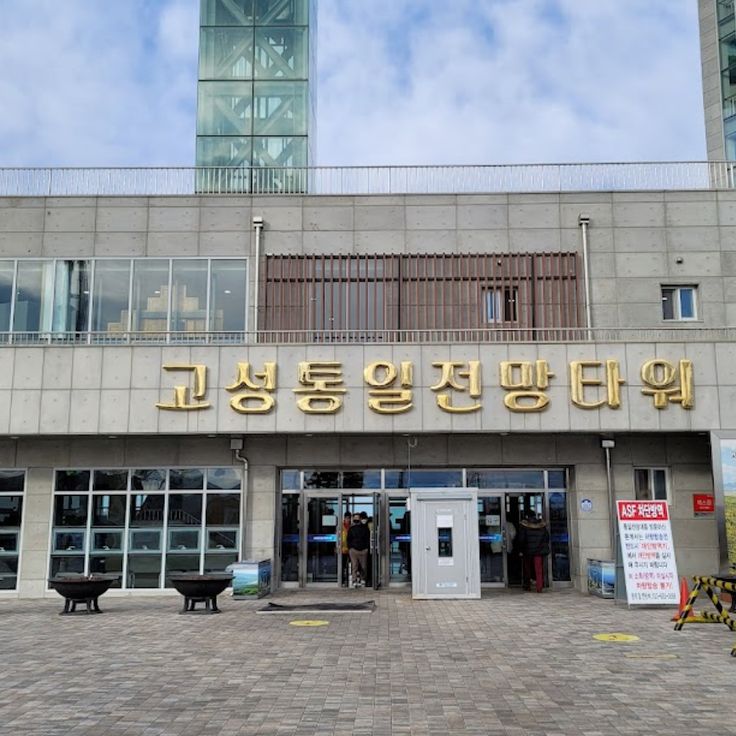
The Goseong Unification Observatory stands in the far north of Gangwon Province, right on the edge of the border zone. From here, you look out over the military demarcation line toward North Korea. On a clear day, you can see mountains and land on the other side that almost no one can visit. The place speaks quietly about a divided country and a history that is still unresolved.
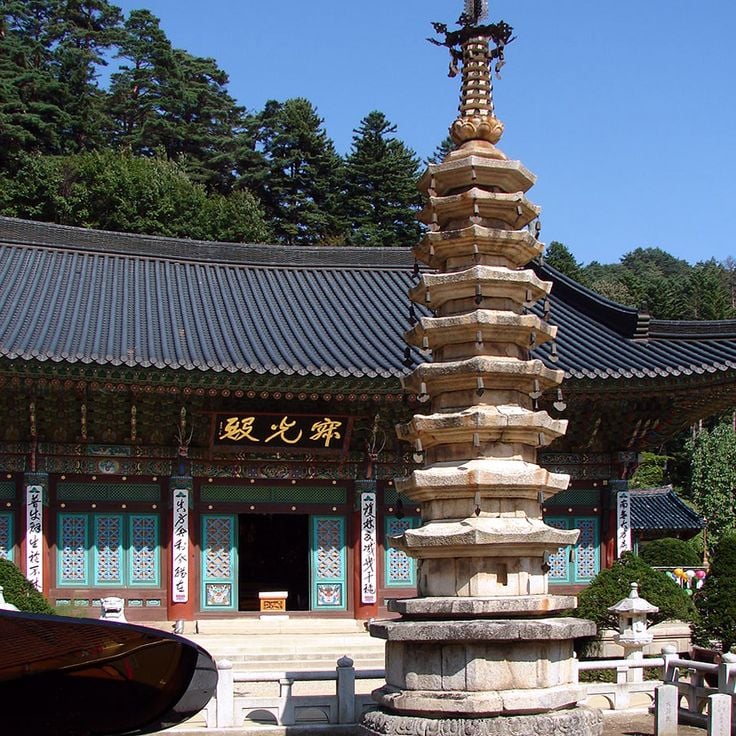
Odaesan National Park sits in Gangwon Province and feels noticeably calmer than the nearby Seoraksan. Trails wind through dense forests of fir and beech, passing old temples and small streams. The Woljeongsa Temple, near the park entrance, stands among century-old fir trees and draws visitors year-round. This is a place where you walk slowly and notice the trees, the light, and the sound of water.
The path leading to Woljeongsa Temple winds through a forest of tall fir trees that arch over the trail. Light filters through the branches and changes with the seasons. In summer the walk is cool and shaded, in winter snow settles on the boughs. The sounds along the way are mostly wind and footsteps. This walk is one of the most appreciated in the Pyeongchang area and is accessible to nearly anyone.
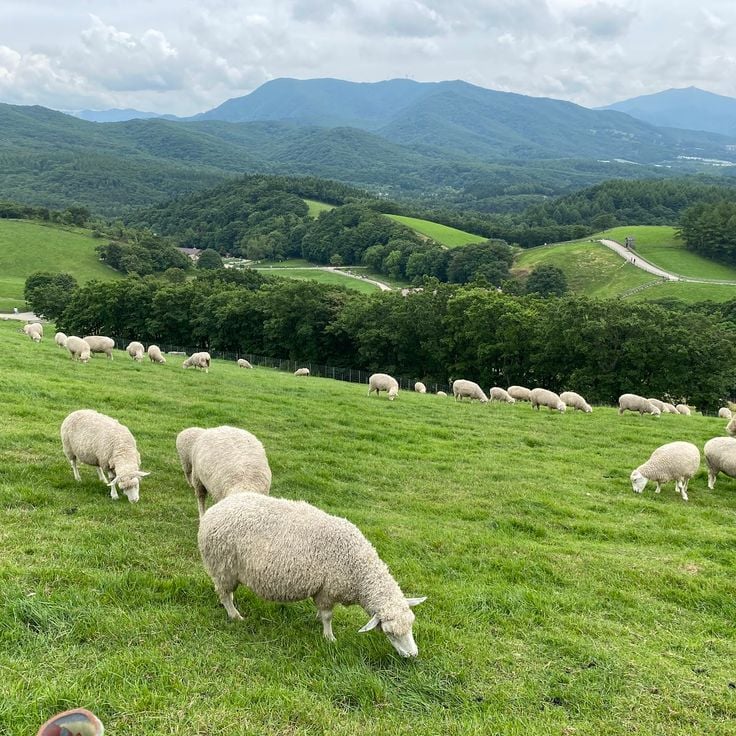
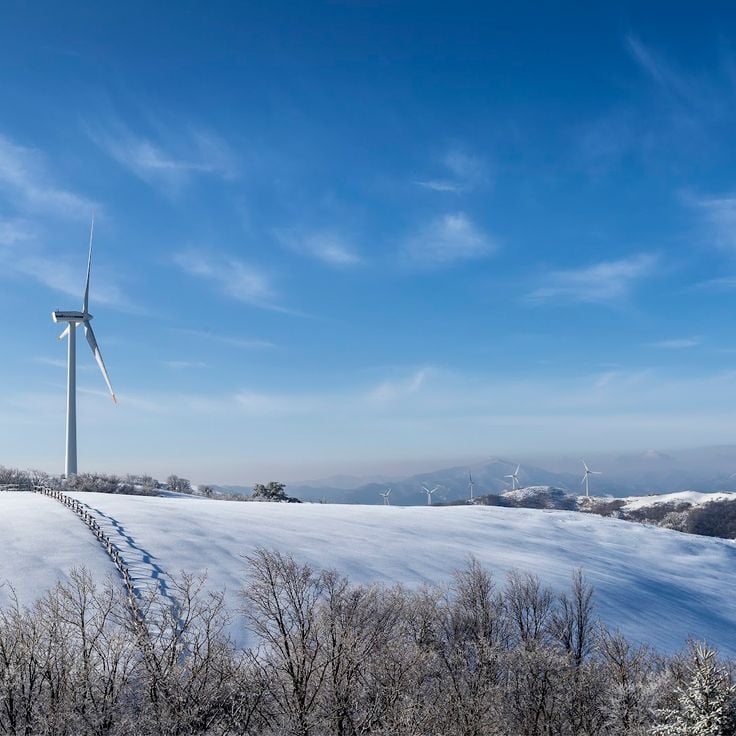
Daegwallyeong Sheep Farm sits on a high plateau near Pyeongchang and shows a side of Korea that feels far from the rest of the country. Rolling pastures, a cool breeze, and sheep grazing freely give the place an open, rural feel. In spring the hills turn green, in summer it stays noticeably cool, and in winter a thick blanket of snow transforms the whole landscape into something you rarely see in South Korea.
The Daegwallyeong Samyang Ranch sits on a high plateau in Gangwon Province and is one of the largest grazing areas in South Korea. Open fields roll across the hills, with sheep and cattle moving freely across the land. In summer the grass is green and fresh, in autumn the colors shift to warm yellows and browns, and in winter the plateau is covered with snow. From up here, you get a clear view of the surrounding mountain ridges. Marked paths let you walk through the pastures, and on clear days the view reaches far down into the valleys below.
The Alpensia Ski Resort and ski jump in Pyeongchang are best known as the main venue for the 2018 Winter Olympics. Set in the mountains of Gangwon province, the complex has ski slopes, a cross-country course, and the ski jump ramp that drew global attention during the Games. Outside the winter season, visitors can walk around the site and get a feel for a place that hosted one of the world's biggest sporting events.
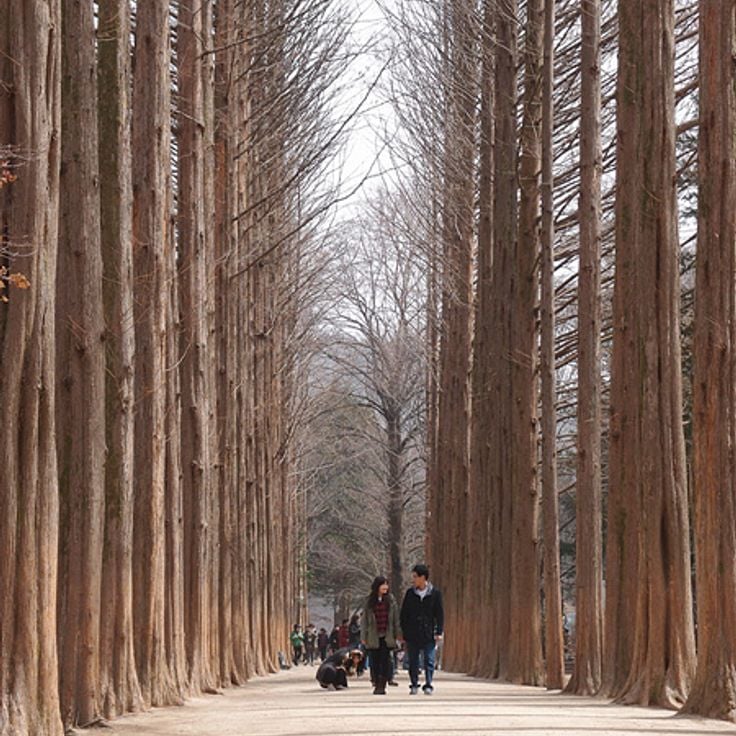
Nami Island sits in the Bukhan River near Chuncheon and is one of the most visited spots in Gangwon Province. The island is known for its long tree-lined paths that draw visitors in every season: golden and red in autumn, snow-covered in winter, full of cherry blossoms in spring, and shaded by tall trees in summer. A short ferry ride takes you across the water to reach it. The island also became famous after serving as a filming location for a popular Korean drama series in the early 2000s, which brought many visitors from across Asia.
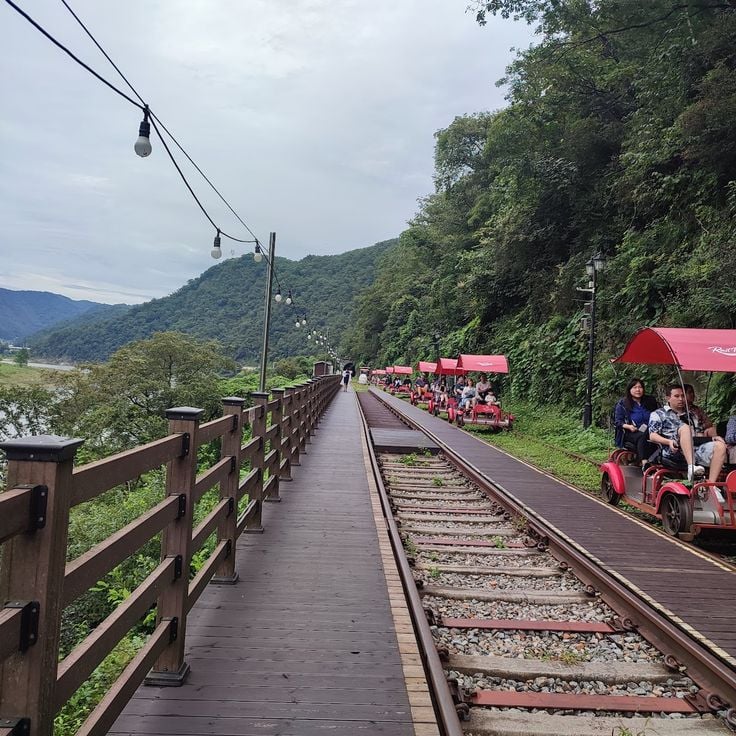
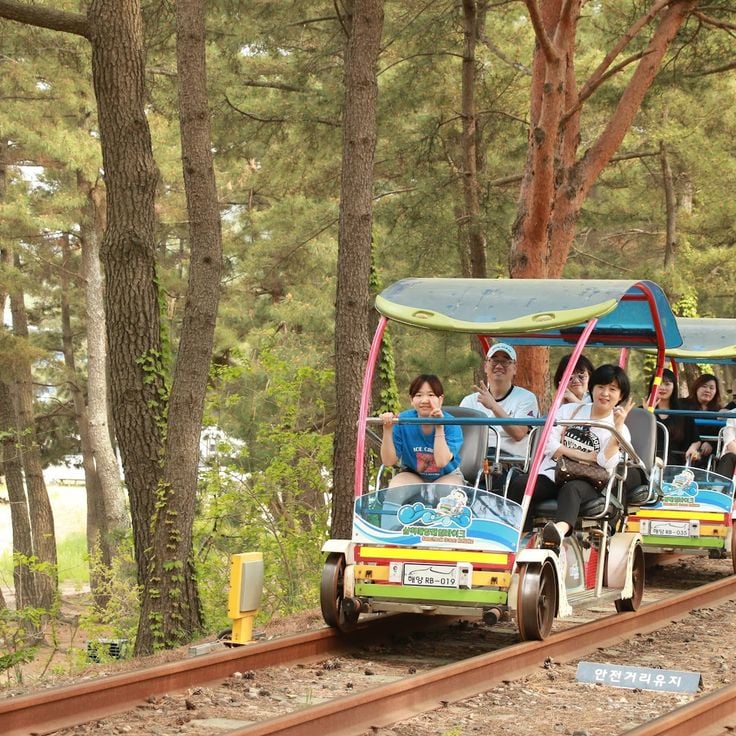
The Gangchon Rail Park follows an old railway line near Chuncheon that has been turned into a rail bike trail. Riders pedal through tunnels, river valleys, and open countryside at a slow pace. It is a good way to see the rural side of Gangwon without hiking, and the route feels different depending on the season.
The Soyanggang Skywalk is a glass walkway that juts out over Lake Soyang. As you walk along it, you can see the water directly beneath your feet and the surrounding mountains on all sides. It gives you the feeling of floating above the landscape, with nothing solid below you.
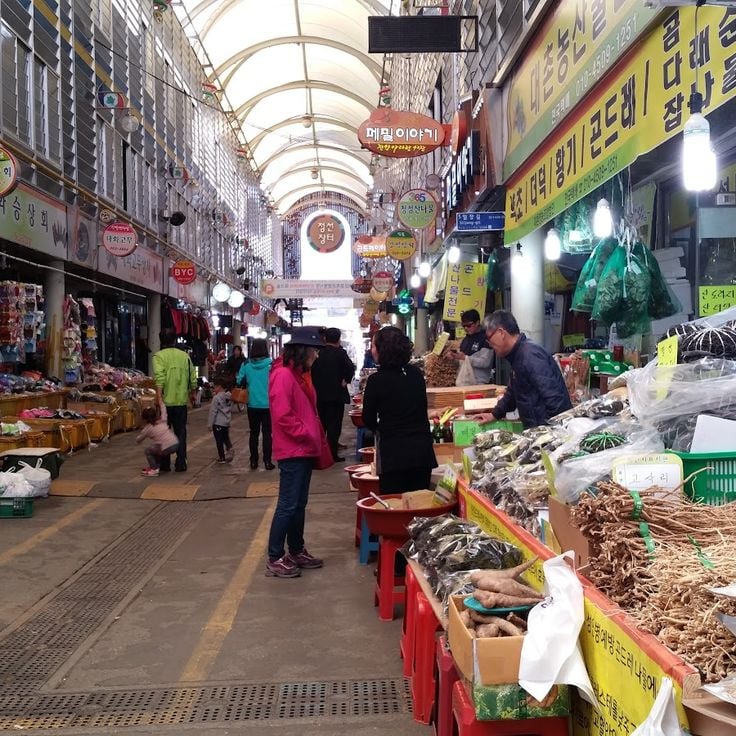
The Jeongseon Arirang Market is a traditional market in the town of Jeongseon, in the heart of Gangwon Province. Local vendors sell fresh vegetables, mountain herbs, and regional foods that are hard to find elsewhere in Korea. The market follows the old five-day market schedule and draws farmers and traders from the surrounding valleys. The energy here is genuine: you smell the food, hear the vendors, and watch everyday life unfold around you.
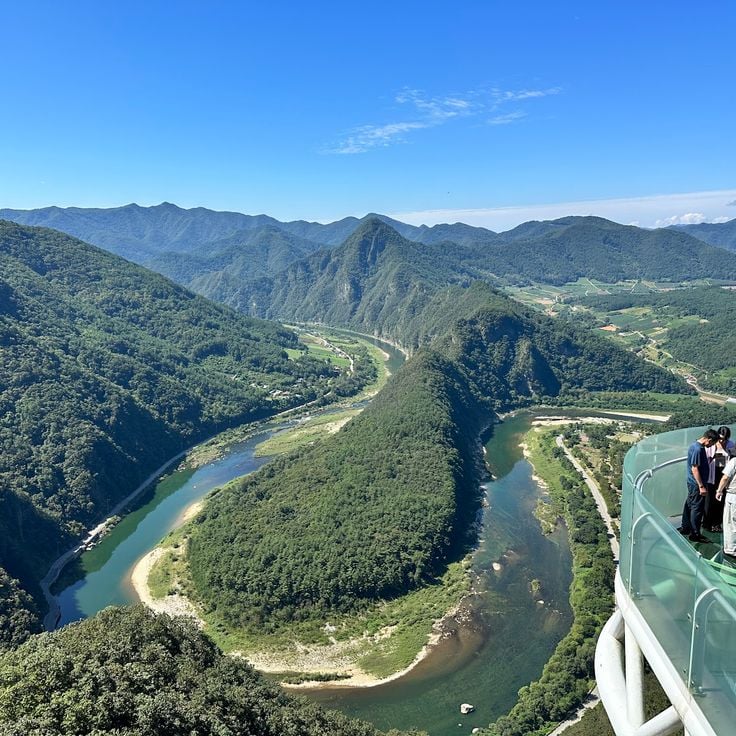
The Byeongbangchi Skywalk is a glass walkway that hangs over the Donggang River, in the inland part of Gangwon Province. Standing on it, you look straight down through the floor to the river far below, as it curves in a wide loop around the valley. The surrounding hills are covered in forest, and the view changes with the seasons, from green in summer to deep orange and red in autumn.
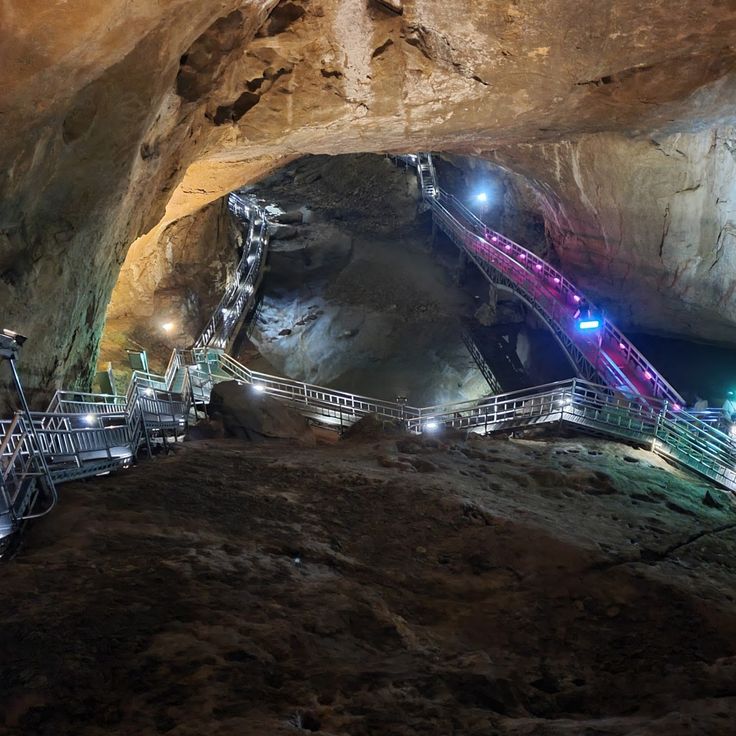
Hwanseongul Cave, near Samcheok, is one of the largest limestone caves in Korea. Inside, paths wind through narrow passages and open chambers, past stalactites, stalagmites, and underground streams. The temperature stays cool year-round, making it a refreshing stop even in summer. The cave sits in a forested area in the southern part of Gangwon Province.
The Samcheok Ocean Rail Bike is a pedal-powered railcar that runs along the East Sea coast. The route passes through tunnels and along cliffs, with the ocean on one side and hills on the other. The pace is slow, and riders get a close look at the coastline without any real physical effort. It is a good outing for families and visitors of all ages who want to see this stretch of the Gangwon coast from a different angle.
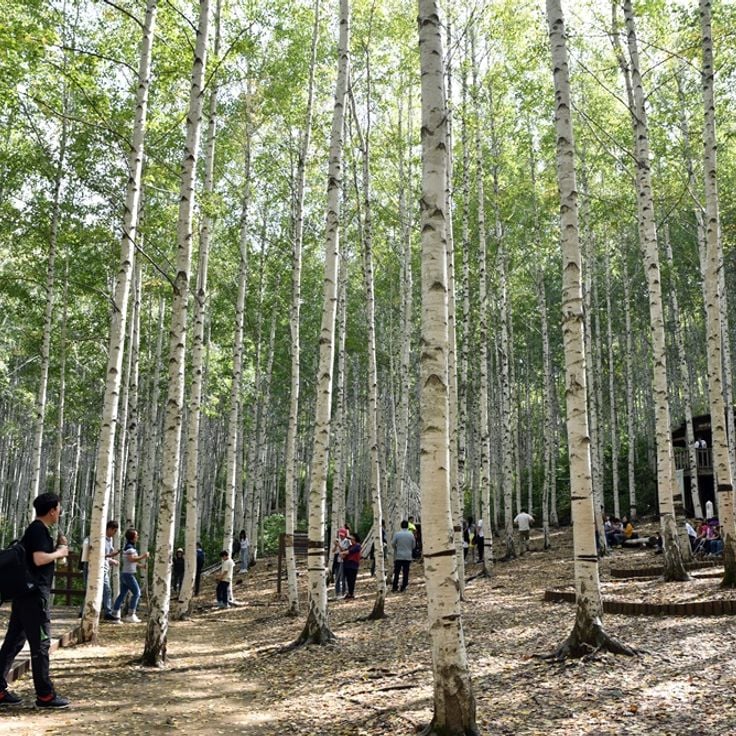
The Wondae-ri birch forest near Inje is one of the most recognizable natural spots in the Gangwon province. Thousands of white-barked birch trees cover a mountain slope, creating a look that changes completely from one season to the next. In summer, the trunks stand out against dense green foliage. In autumn, the leaves turn yellow and gold. In winter, the bare branches trace stark patterns against the snow. Walking trails wind through the forest, and the light filtering through the trees gives the place a feel that is hard to find elsewhere in South Korea.
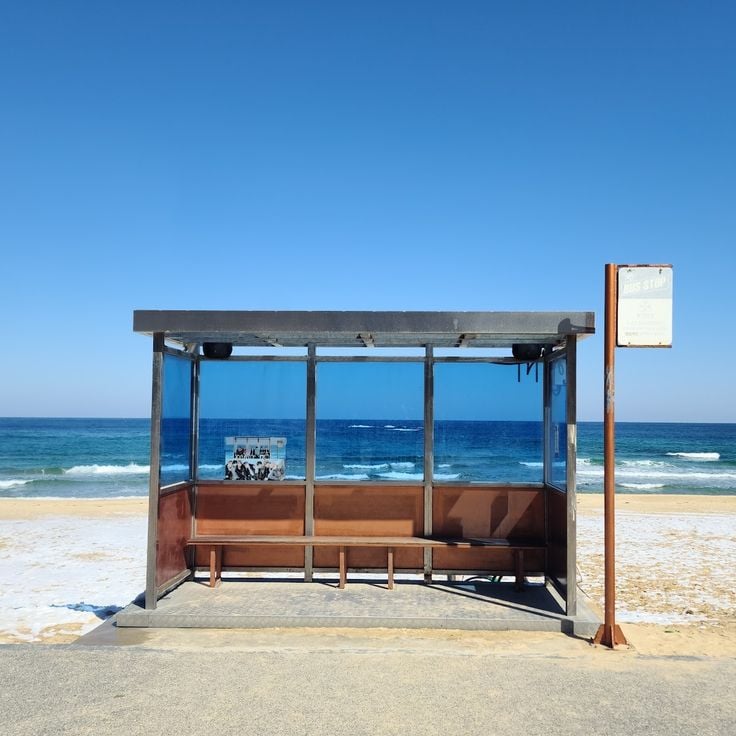
Jumunjin Beach sits on the east coast of Gangwon Province, just north of Gangneung. It is a long stretch of sand facing the open sea. The beach became known worldwide after the South Korean group BTS filmed a music video here. Since then, many fans have visited to see the filming location and take photos at the bus stop that appeared in the video. The nearby village of Jumunjin also has a fishing port where fresh seafood is sold daily.
Seoraksan National Park sits in the heart of Gangwon province, spreading across the areas of Sokcho, Inje and Yangyang. Granite peaks, deep valleys and waterfalls define the landscape. The Daecheongbong summit reaches 5,600 ft (1,707 m) and is the highest point in the park. In autumn, the forests turn red and orange; in winter, snow settles on the rocks. Hikers come year-round on trails suited to all levels.
Ulsanbawi Rock is a large granite formation that rises above the forests of Seoraksan National Park. The trail leading up to it passes through trees and climbs steep stone steps carved into the rock face. From the top, you get a broad view over the surrounding peaks of Gangwon province.
The Seoraksan cable car carries visitors up to around 2,600 ft (800 m) above sea level in just a few minutes. At the top stand the stone ruins of Gwongeumseong, an old fortress built on a granite peak. From there, the view opens over the forested slopes of the park and, on clear days, stretches toward the East Sea. It is a good way to reach the upper parts of the mountain without a long hike.
Sinheungsa Temple stands at the entrance of Seoraksan National Park, surrounded by granite rocks and old trees. It is one of the oldest Buddhist temples in Korea. A large Buddha statue greets visitors at the start of the trail that leads into the heart of the valley. The temple is open year-round and is often the first stop before heading deeper into the park.
The Biryong and Towangseong waterfalls sit in the heart of Seoraksan, at the end of a forest trail that passes both falls one after the other. Along the way, the granite peaks rising above the valley come into view. The path is manageable for most visitors and is often the first hike people do when they come to Seoraksan.
Sokcho Beach runs along the East Sea with a wide stretch of sand and a direct view of the Seoraksan mountains in the background. In summer, people come to swim and walk by the water. The city of Sokcho is right next to it, so the fresh fish markets and local restaurants are easy to reach on foot.
Abai Village in Sokcho was built by refugees who fled from the North after the Korean War. Walking through the narrow lanes today, you can still feel the history of that displacement. The neighborhood is known for its northern-style food, especially Abai Sundae, a stuffed sausage that is hard to find elsewhere in South Korea. A small cable ferry crosses the water to reach the village, and that short crossing is part of the experience.
The Sokcho Tourist and Fishing Market sits near the harbor and has long been a meeting point for fishermen and locals. The smell of fresh fish and fried chicken fills the air. Stalls offer seafood, dried fish, and regional specialties from Gangwon. The market is known across South Korea for its dakgangjeong, a crispy fried chicken coated in a sweet and spicy sauce that draws visitors from far away.
Gyeongpo Beach runs along the East Sea near Gangneung, on South Korea's east coast. The sand is wide and flat, making it easy to walk along the shoreline. In summer, families and young visitors come here to swim and enjoy the sea breeze. The beach is also known for its New Year sunrise, when crowds gather to watch the first light of the year rise over the water. Just behind the beach, Gyeongpo Lake adds a quieter side to the area.
Lake Gyeongpo sits on the edge of Gangneung, separated from the ocean by a narrow strip of sand and pine trees. On its shore stands the Gyeongpodae pavilion, a wooden structure dating back to the 14th century. From the pavilion's platform, you can see the lake, the surrounding trees, and the coastline all at once. A simple path runs around the lake, used daily by locals for walking and cycling. In spring, cherry trees along the path are in full bloom. In summer, a breeze comes in from the sea. The lake has drawn painters and poets for centuries, and it is easy to understand why when you stand there and look around.
Ojukheon House in Gangneung is one of the oldest surviving wooden houses in Korea. It was the birthplace of Yi I, a well-known Confucian thinker of the 16th century, and his mother Shin Saimdang, a painter and poet. The house has a simple garden with old bamboo groves that gave the site its name. A small museum on the grounds displays portraits and objects connected to both figures.
Anmok Beach in Gangneung is a sandy stretch along the East Sea, known for the many cafes and roasters that line its waterfront walk. Strolling here, you pass cup after cup of freshly brewed coffee while the sea stretches out in front of you. It is one of the best places in South Korea to experience the local coffee culture in a relaxed, open setting.
The beach of Jeongdongjin sits on the east coast of Gangwon province, right at the water's edge. It is one of the most visited spots in Korea for watching the sunrise over the East Sea. A small train station stands just a few steps from the waves, making it one of the closest stations to the sea in the world. On the hill above, a sundial park offers a wide view of the coastline. Many people come here around New Year to watch the first sunrise of the year from the shore.
Haslla Art World is an art museum and sculpture park perched above the sea in Gangneung. Outdoor works and indoor galleries sit side by side, with the East Sea visible from nearly every angle. Walking through the grounds, you pass modern sculptures, installations, and landscaped gardens. It draws people who enjoy art as much as those who simply want to walk along the coast with something to look at.
Naksansa Temple sits on a cliff above the East Sea, making it one of the few Buddhist temples in Korea built so close to the ocean. From the outer walls, you look straight down onto the rocks and the water below. The red wooden buildings and stone gates stand among pine trees that grow along the cliff's edge. Worshippers come here to pray, but many visitors simply walk through the grounds to take in the view. Early morning is when the place feels most still.
Naksan Beach sits right next to the Buddhist temple of Naksansa, which gives it a setting that other beaches along the Gangwon coast do not share. The sand is pale, the East Sea opens wide in front of you, and the temple on the hill is visible from the shoreline. This has long been one of the most visited beaches in the region, drawing crowds during summer from across the country. Walking along the water here can easily be paired with a visit to the temple just above.
Surfyy Beach in Yangyang is one of the go-to surf spots on South Korea's east coast. The waves are good for beginners and regular surfers alike, and the area around the beach is lined with surf schools, small cafés, and rental shops. The crowd is young, and many visitors come from Seoul for the weekend. The beach is at its busiest in summer, but surfers show up year-round to catch the waves off the Sea of Japan.
The Hajodae Pavilion sits on a rocky headland along the coast of Yangyang, with open views over the sea. The building is a traditional Korean wooden pavilion that has stood on this spot for centuries. Just below, a long sandy beach stretches along the shore, where visitors come to swim, walk, and watch the waves. Pine trees grow close to the rocks, and the combination of stone, sea, and old wood gives the place a particular character that changes with the light and the seasons.
Lake Hwajinpo sits on the east coast of Gangwon, separated from the sea by a narrow strip of land. Pine trees grow along its shores, and the contrast between the calm lake and the open ocean just beyond is easy to notice. Around the lake, several old villas once used by political figures from both sides of the divided peninsula still stand today. Visitors can walk through these buildings and learn about Korea's modern history. The beach next to the lake is wide and sandy, backed by pines, and the area feels calm even during the summer season.
The Goseong Unification Observatory stands in the far north of Gangwon Province, right on the edge of the border zone. From here, you look out over the military demarcation line toward North Korea. On a clear day, you can see mountains and land on the other side that almost no one can visit. The place speaks quietly about a divided country and a history that is still unresolved.
Odaesan National Park sits in Gangwon Province and feels noticeably calmer than the nearby Seoraksan. Trails wind through dense forests of fir and beech, passing old temples and small streams. The Woljeongsa Temple, near the park entrance, stands among century-old fir trees and draws visitors year-round. This is a place where you walk slowly and notice the trees, the light, and the sound of water.
The path leading to Woljeongsa Temple winds through a forest of tall fir trees that arch over the trail. Light filters through the branches and changes with the seasons. In summer the walk is cool and shaded, in winter snow settles on the boughs. The sounds along the way are mostly wind and footsteps. This walk is one of the most appreciated in the Pyeongchang area and is accessible to nearly anyone.
Daegwallyeong Sheep Farm sits on a high plateau near Pyeongchang and shows a side of Korea that feels far from the rest of the country. Rolling pastures, a cool breeze, and sheep grazing freely give the place an open, rural feel. In spring the hills turn green, in summer it stays noticeably cool, and in winter a thick blanket of snow transforms the whole landscape into something you rarely see in South Korea.
The Daegwallyeong Samyang Ranch sits on a high plateau in Gangwon Province and is one of the largest grazing areas in South Korea. Open fields roll across the hills, with sheep and cattle moving freely across the land. In summer the grass is green and fresh, in autumn the colors shift to warm yellows and browns, and in winter the plateau is covered with snow. From up here, you get a clear view of the surrounding mountain ridges. Marked paths let you walk through the pastures, and on clear days the view reaches far down into the valleys below.
The Alpensia Ski Resort and ski jump in Pyeongchang are best known as the main venue for the 2018 Winter Olympics. Set in the mountains of Gangwon province, the complex has ski slopes, a cross-country course, and the ski jump ramp that drew global attention during the Games. Outside the winter season, visitors can walk around the site and get a feel for a place that hosted one of the world's biggest sporting events.
Nami Island sits in the Bukhan River near Chuncheon and is one of the most visited spots in Gangwon Province. The island is known for its long tree-lined paths that draw visitors in every season: golden and red in autumn, snow-covered in winter, full of cherry blossoms in spring, and shaded by tall trees in summer. A short ferry ride takes you across the water to reach it. The island also became famous after serving as a filming location for a popular Korean drama series in the early 2000s, which brought many visitors from across Asia.
The Gangchon Rail Park follows an old railway line near Chuncheon that has been turned into a rail bike trail. Riders pedal through tunnels, river valleys, and open countryside at a slow pace. It is a good way to see the rural side of Gangwon without hiking, and the route feels different depending on the season.
The Soyanggang Skywalk is a glass walkway that juts out over Lake Soyang. As you walk along it, you can see the water directly beneath your feet and the surrounding mountains on all sides. It gives you the feeling of floating above the landscape, with nothing solid below you.
The Jeongseon Arirang Market is a traditional market in the town of Jeongseon, in the heart of Gangwon Province. Local vendors sell fresh vegetables, mountain herbs, and regional foods that are hard to find elsewhere in Korea. The market follows the old five-day market schedule and draws farmers and traders from the surrounding valleys. The energy here is genuine: you smell the food, hear the vendors, and watch everyday life unfold around you.
The Byeongbangchi Skywalk is a glass walkway that hangs over the Donggang River, in the inland part of Gangwon Province. Standing on it, you look straight down through the floor to the river far below, as it curves in a wide loop around the valley. The surrounding hills are covered in forest, and the view changes with the seasons, from green in summer to deep orange and red in autumn.
Hwanseongul Cave, near Samcheok, is one of the largest limestone caves in Korea. Inside, paths wind through narrow passages and open chambers, past stalactites, stalagmites, and underground streams. The temperature stays cool year-round, making it a refreshing stop even in summer. The cave sits in a forested area in the southern part of Gangwon Province.
The Samcheok Ocean Rail Bike is a pedal-powered railcar that runs along the East Sea coast. The route passes through tunnels and along cliffs, with the ocean on one side and hills on the other. The pace is slow, and riders get a close look at the coastline without any real physical effort. It is a good outing for families and visitors of all ages who want to see this stretch of the Gangwon coast from a different angle.
The Wondae-ri birch forest near Inje is one of the most recognizable natural spots in the Gangwon province. Thousands of white-barked birch trees cover a mountain slope, creating a look that changes completely from one season to the next. In summer, the trunks stand out against dense green foliage. In autumn, the leaves turn yellow and gold. In winter, the bare branches trace stark patterns against the snow. Walking trails wind through the forest, and the light filtering through the trees gives the place a feel that is hard to find elsewhere in South Korea.
Jumunjin Beach sits on the east coast of Gangwon Province, just north of Gangneung. It is a long stretch of sand facing the open sea. The beach became known worldwide after the South Korean group BTS filmed a music video here. Since then, many fans have visited to see the filming location and take photos at the bus stop that appeared in the video. The nearby village of Jumunjin also has a fishing port where fresh seafood is sold daily.
Seoraksan National Park sits in the heart of Gangwon province, spreading across the areas of Sokcho, Inje and Yangyang. Granite peaks, deep valleys and waterfalls define the landscape. The Daecheongbong summit reaches 5,600 ft (1,707 m) and is the highest point in the park. In autumn, the forests turn red and orange; in winter, snow settles on the rocks. Hikers come year-round on trails suited to all levels.
Ulsanbawi Rock is a large granite formation that rises above the forests of Seoraksan National Park. The trail leading up to it passes through trees and climbs steep stone steps carved into the rock face. From the top, you get a broad view over the surrounding peaks of Gangwon province.
The Seoraksan cable car carries visitors up to around 2,600 ft (800 m) above sea level in just a few minutes. At the top stand the stone ruins of Gwongeumseong, an old fortress built on a granite peak. From there, the view opens over the forested slopes of the park and, on clear days, stretches toward the East Sea. It is a good way to reach the upper parts of the mountain without a long hike.
Sinheungsa Temple stands at the entrance of Seoraksan National Park, surrounded by granite rocks and old trees. It is one of the oldest Buddhist temples in Korea. A large Buddha statue greets visitors at the start of the trail that leads into the heart of the valley. The temple is open year-round and is often the first stop before heading deeper into the park.
The Biryong and Towangseong waterfalls sit in the heart of Seoraksan, at the end of a forest trail that passes both falls one after the other. Along the way, the granite peaks rising above the valley come into view. The path is manageable for most visitors and is often the first hike people do when they come to Seoraksan.
Sokcho Beach runs along the East Sea with a wide stretch of sand and a direct view of the Seoraksan mountains in the background. In summer, people come to swim and walk by the water. The city of Sokcho is right next to it, so the fresh fish markets and local restaurants are easy to reach on foot.
Abai Village in Sokcho was built by refugees who fled from the North after the Korean War. Walking through the narrow lanes today, you can still feel the history of that displacement. The neighborhood is known for its northern-style food, especially Abai Sundae, a stuffed sausage that is hard to find elsewhere in South Korea. A small cable ferry crosses the water to reach the village, and that short crossing is part of the experience.
The Sokcho Tourist and Fishing Market sits near the harbor and has long been a meeting point for fishermen and locals. The smell of fresh fish and fried chicken fills the air. Stalls offer seafood, dried fish, and regional specialties from Gangwon. The market is known across South Korea for its dakgangjeong, a crispy fried chicken coated in a sweet and spicy sauce that draws visitors from far away.
Gyeongpo Beach runs along the East Sea near Gangneung, on South Korea's east coast. The sand is wide and flat, making it easy to walk along the shoreline. In summer, families and young visitors come here to swim and enjoy the sea breeze. The beach is also known for its New Year sunrise, when crowds gather to watch the first light of the year rise over the water. Just behind the beach, Gyeongpo Lake adds a quieter side to the area.
Lake Gyeongpo sits on the edge of Gangneung, separated from the ocean by a narrow strip of sand and pine trees. On its shore stands the Gyeongpodae pavilion, a wooden structure dating back to the 14th century. From the pavilion's platform, you can see the lake, the surrounding trees, and the coastline all at once. A simple path runs around the lake, used daily by locals for walking and cycling. In spring, cherry trees along the path are in full bloom. In summer, a breeze comes in from the sea. The lake has drawn painters and poets for centuries, and it is easy to understand why when you stand there and look around.
Ojukheon House in Gangneung is one of the oldest surviving wooden houses in Korea. It was the birthplace of Yi I, a well-known Confucian thinker of the 16th century, and his mother Shin Saimdang, a painter and poet. The house has a simple garden with old bamboo groves that gave the site its name. A small museum on the grounds displays portraits and objects connected to both figures.
Anmok Beach in Gangneung is a sandy stretch along the East Sea, known for the many cafes and roasters that line its waterfront walk. Strolling here, you pass cup after cup of freshly brewed coffee while the sea stretches out in front of you. It is one of the best places in South Korea to experience the local coffee culture in a relaxed, open setting.
The beach of Jeongdongjin sits on the east coast of Gangwon province, right at the water's edge. It is one of the most visited spots in Korea for watching the sunrise over the East Sea. A small train station stands just a few steps from the waves, making it one of the closest stations to the sea in the world. On the hill above, a sundial park offers a wide view of the coastline. Many people come here around New Year to watch the first sunrise of the year from the shore.
Haslla Art World is an art museum and sculpture park perched above the sea in Gangneung. Outdoor works and indoor galleries sit side by side, with the East Sea visible from nearly every angle. Walking through the grounds, you pass modern sculptures, installations, and landscaped gardens. It draws people who enjoy art as much as those who simply want to walk along the coast with something to look at.
Naksansa Temple sits on a cliff above the East Sea, making it one of the few Buddhist temples in Korea built so close to the ocean. From the outer walls, you look straight down onto the rocks and the water below. The red wooden buildings and stone gates stand among pine trees that grow along the cliff's edge. Worshippers come here to pray, but many visitors simply walk through the grounds to take in the view. Early morning is when the place feels most still.
Naksan Beach sits right next to the Buddhist temple of Naksansa, which gives it a setting that other beaches along the Gangwon coast do not share. The sand is pale, the East Sea opens wide in front of you, and the temple on the hill is visible from the shoreline. This has long been one of the most visited beaches in the region, drawing crowds during summer from across the country. Walking along the water here can easily be paired with a visit to the temple just above.
Surfyy Beach in Yangyang is one of the go-to surf spots on South Korea's east coast. The waves are good for beginners and regular surfers alike, and the area around the beach is lined with surf schools, small cafés, and rental shops. The crowd is young, and many visitors come from Seoul for the weekend. The beach is at its busiest in summer, but surfers show up year-round to catch the waves off the Sea of Japan.
The Hajodae Pavilion sits on a rocky headland along the coast of Yangyang, with open views over the sea. The building is a traditional Korean wooden pavilion that has stood on this spot for centuries. Just below, a long sandy beach stretches along the shore, where visitors come to swim, walk, and watch the waves. Pine trees grow close to the rocks, and the combination of stone, sea, and old wood gives the place a particular character that changes with the light and the seasons.
Lake Hwajinpo sits on the east coast of Gangwon, separated from the sea by a narrow strip of land. Pine trees grow along its shores, and the contrast between the calm lake and the open ocean just beyond is easy to notice. Around the lake, several old villas once used by political figures from both sides of the divided peninsula still stand today. Visitors can walk through these buildings and learn about Korea's modern history. The beach next to the lake is wide and sandy, backed by pines, and the area feels calm even during the summer season.
The Goseong Unification Observatory stands in the far north of Gangwon Province, right on the edge of the border zone. From here, you look out over the military demarcation line toward North Korea. On a clear day, you can see mountains and land on the other side that almost no one can visit. The place speaks quietly about a divided country and a history that is still unresolved.
Odaesan National Park sits in Gangwon Province and feels noticeably calmer than the nearby Seoraksan. Trails wind through dense forests of fir and beech, passing old temples and small streams. The Woljeongsa Temple, near the park entrance, stands among century-old fir trees and draws visitors year-round. This is a place where you walk slowly and notice the trees, the light, and the sound of water.
The path leading to Woljeongsa Temple winds through a forest of tall fir trees that arch over the trail. Light filters through the branches and changes with the seasons. In summer the walk is cool and shaded, in winter snow settles on the boughs. The sounds along the way are mostly wind and footsteps. This walk is one of the most appreciated in the Pyeongchang area and is accessible to nearly anyone.
Daegwallyeong Sheep Farm sits on a high plateau near Pyeongchang and shows a side of Korea that feels far from the rest of the country. Rolling pastures, a cool breeze, and sheep grazing freely give the place an open, rural feel. In spring the hills turn green, in summer it stays noticeably cool, and in winter a thick blanket of snow transforms the whole landscape into something you rarely see in South Korea.
The Daegwallyeong Samyang Ranch sits on a high plateau in Gangwon Province and is one of the largest grazing areas in South Korea. Open fields roll across the hills, with sheep and cattle moving freely across the land. In summer the grass is green and fresh, in autumn the colors shift to warm yellows and browns, and in winter the plateau is covered with snow. From up here, you get a clear view of the surrounding mountain ridges. Marked paths let you walk through the pastures, and on clear days the view reaches far down into the valleys below.
The Alpensia Ski Resort and ski jump in Pyeongchang are best known as the main venue for the 2018 Winter Olympics. Set in the mountains of Gangwon province, the complex has ski slopes, a cross-country course, and the ski jump ramp that drew global attention during the Games. Outside the winter season, visitors can walk around the site and get a feel for a place that hosted one of the world's biggest sporting events.
Nami Island sits in the Bukhan River near Chuncheon and is one of the most visited spots in Gangwon Province. The island is known for its long tree-lined paths that draw visitors in every season: golden and red in autumn, snow-covered in winter, full of cherry blossoms in spring, and shaded by tall trees in summer. A short ferry ride takes you across the water to reach it. The island also became famous after serving as a filming location for a popular Korean drama series in the early 2000s, which brought many visitors from across Asia.
The Gangchon Rail Park follows an old railway line near Chuncheon that has been turned into a rail bike trail. Riders pedal through tunnels, river valleys, and open countryside at a slow pace. It is a good way to see the rural side of Gangwon without hiking, and the route feels different depending on the season.
The Soyanggang Skywalk is a glass walkway that juts out over Lake Soyang. As you walk along it, you can see the water directly beneath your feet and the surrounding mountains on all sides. It gives you the feeling of floating above the landscape, with nothing solid below you.
The Jeongseon Arirang Market is a traditional market in the town of Jeongseon, in the heart of Gangwon Province. Local vendors sell fresh vegetables, mountain herbs, and regional foods that are hard to find elsewhere in Korea. The market follows the old five-day market schedule and draws farmers and traders from the surrounding valleys. The energy here is genuine: you smell the food, hear the vendors, and watch everyday life unfold around you.
The Byeongbangchi Skywalk is a glass walkway that hangs over the Donggang River, in the inland part of Gangwon Province. Standing on it, you look straight down through the floor to the river far below, as it curves in a wide loop around the valley. The surrounding hills are covered in forest, and the view changes with the seasons, from green in summer to deep orange and red in autumn.
Hwanseongul Cave, near Samcheok, is one of the largest limestone caves in Korea. Inside, paths wind through narrow passages and open chambers, past stalactites, stalagmites, and underground streams. The temperature stays cool year-round, making it a refreshing stop even in summer. The cave sits in a forested area in the southern part of Gangwon Province.
The Samcheok Ocean Rail Bike is a pedal-powered railcar that runs along the East Sea coast. The route passes through tunnels and along cliffs, with the ocean on one side and hills on the other. The pace is slow, and riders get a close look at the coastline without any real physical effort. It is a good outing for families and visitors of all ages who want to see this stretch of the Gangwon coast from a different angle.
The Wondae-ri birch forest near Inje is one of the most recognizable natural spots in the Gangwon province. Thousands of white-barked birch trees cover a mountain slope, creating a look that changes completely from one season to the next. In summer, the trunks stand out against dense green foliage. In autumn, the leaves turn yellow and gold. In winter, the bare branches trace stark patterns against the snow. Walking trails wind through the forest, and the light filtering through the trees gives the place a feel that is hard to find elsewhere in South Korea.
Jumunjin Beach sits on the east coast of Gangwon Province, just north of Gangneung. It is a long stretch of sand facing the open sea. The beach became known worldwide after the South Korean group BTS filmed a music video here. Since then, many fans have visited to see the filming location and take photos at the bus stop that appeared in the video. The nearby village of Jumunjin also has a fishing port where fresh seafood is sold daily.
If you have little time, focus on the coast between Sokcho and Gangneung instead of trying to see everything. You will see different beaches, fresh fish restaurants, and lively villages without feeling rushed.