See the monuments around you in AROpen chests in the app
Around Us is built for your phone — point your camera at the streets and discover the monuments and places around you in augmented reality.Around Us is built for your phone — chests unlock when you walk, explore and capture nearby places.
From Byzantine monasteries to medieval fortresses, the Turkish Black Sea offers a journey through the landscapes and cultures of northern Anatolia.
The northern coast of Turkey offers much more than just a beach destination. Between the Black Sea and the Pontic Mountains, you'll find Byzantine monasteries clinging to cliffs, mountain lakes surrounded by forests, and traditional villages perched on the high plateaus called yayla. Medieval fortresses tower over the valleys, while Ottoman towns like Amasya and Safranbolu keep their old houses and bazaars. This region invites you to walk between different eras and worlds, all just a few hours apart.
The 33 sites in this collection tell the stories of those who lived here. The Sümela Monastery rises from a cliff in the Pontic Mountains like an act of faith set in stone. Nearby, Uzungöl reflects the surrounding peaks, while the yaylas of Pokut and Gito offer views over seas of clouds. Along the coast, Sinop and Amasra keep their old harbor feel with their fortifications still standing. Further inland, the Fırtına Valley rushes noisily between forested mountains, while the Kızılırmak flows calmly to the sea, feeding migratory birds.
Each place speaks of a daily life that goes on. You'll find wooden chalets up high, tea plantations sliding down the slopes, and stone houses lined up along the rivers. Coastal roads wind between small bays and fishing villages. The glacial lakes of the Kaçkar Mountains National Park show the force of nature, while the rock tombs of the Pontic kings, carved into the cliffs of Amasya, recall forgotten kingdoms. This is a region where every turn brings a new story.
From Byzantine monasteries to medieval fortresses, the Turkish Black Sea offers a journey through the landscapes and cultures of northern Anatolia.
The northern coast of Turkey offers much more than just a beach destination. Between the Black Sea and the Pontic Mountains, you'll find Byzantine monasteries clinging to cliffs, mountain lakes surrounded by forests, and traditional villages perched on the high plateaus called yayla. Medieval fortresses tower over the valleys, while Ottoman towns like Amasya and Safranbolu keep their old houses and bazaars. This region invites you to walk between different eras and worlds, all just a few hours apart.
The 33 sites in this collection tell the stories of those who lived here. The Sümela Monastery rises from a cliff in the Pontic Mountains like an act of faith set in stone. Nearby, Uzungöl reflects the surrounding peaks, while the yaylas of Pokut and Gito offer views over seas of clouds. Along the coast, Sinop and Amasra keep their old harbor feel with their fortifications still standing. Further inland, the Fırtına Valley rushes noisily between forested mountains, while the Kızılırmak flows calmly to the sea, feeding migratory birds.
Each place speaks of a daily life that goes on. You'll find wooden chalets up high, tea plantations sliding down the slopes, and stone houses lined up along the rivers. Coastal roads wind between small bays and fishing villages. The glacial lakes of the Kaçkar Mountains National Park show the force of nature, while the rock tombs of the Pontic kings, carved into the cliffs of Amasya, recall forgotten kingdoms. This is a region where every turn brings a new story.
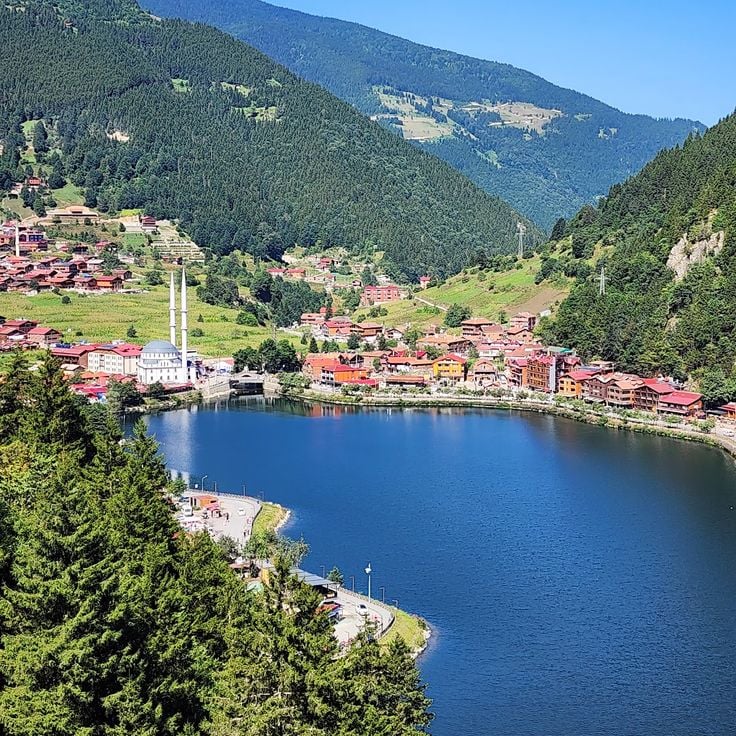
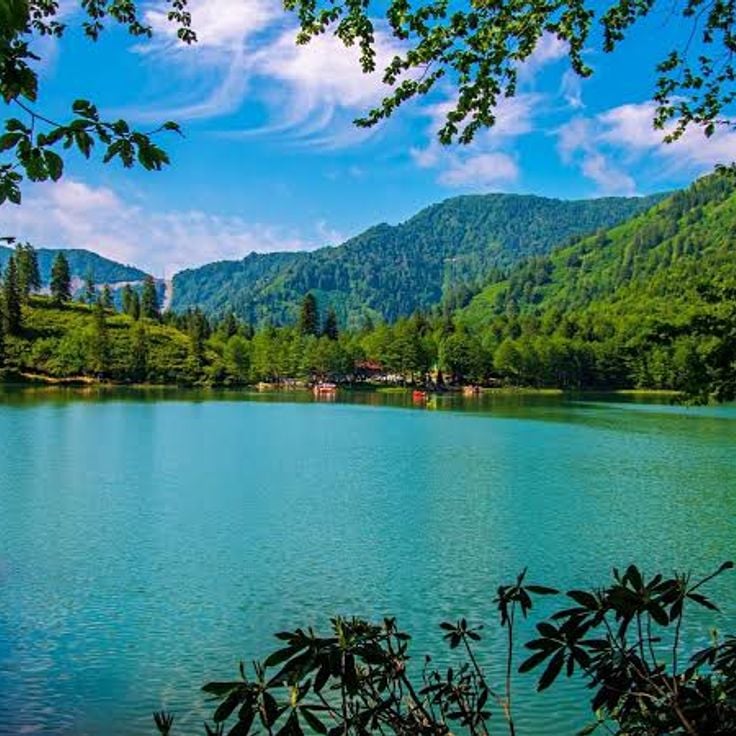
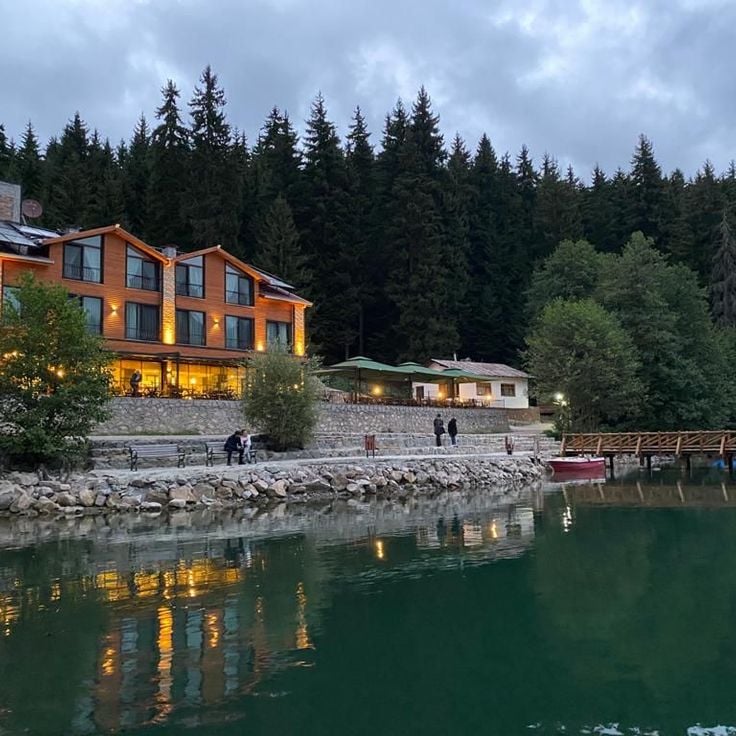
Uzungöl is a mountain lake near Trabzon, nestled between forested slopes and tall peaks. The water mirrors the surrounding mountains, which has made this spot one of the most recognizable images of the Turkish Black Sea coast. Small wooden houses and tea shops line the shore, and daily life here follows a slow, rural rhythm.
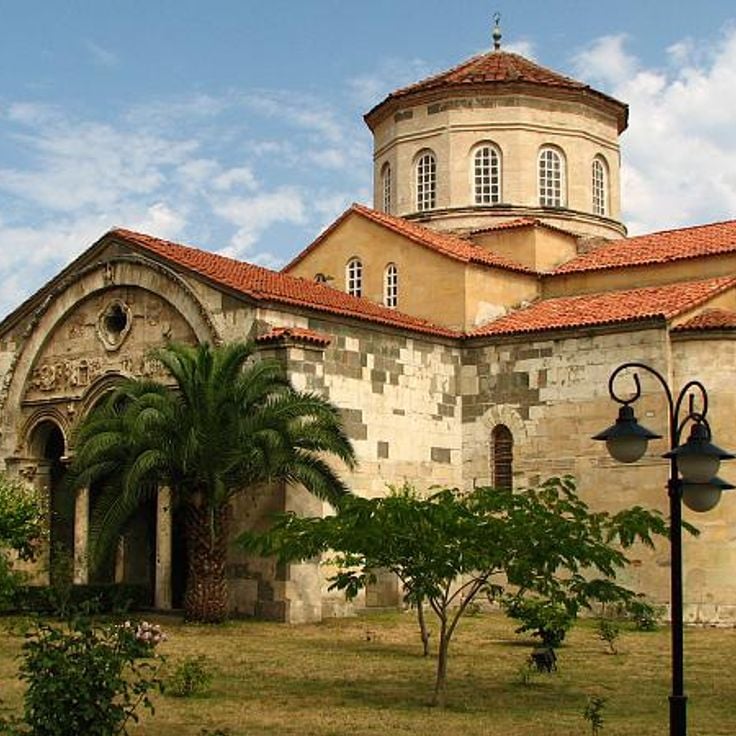
The Hagia Sophia of Trabzon is a 13th-century Byzantine church that stands on a low hill at the edge of the city, facing the Black Sea. It was built during the Empire of Trebizond and still holds frescoes covering its walls and vaults. Over the centuries, the building served as a church, then a mosque, then a museum, before returning to use as a mosque. The carved portals and painted interior give a clear sense of what art looked like in this part of Anatolia during the medieval period.
Boztepe is a hill on the edge of Trabzon where locals go to sit under the trees, drink tea and look out over the city and the Black Sea. The view takes in rooftops, the port and the water stretching to the horizon. It is an easy place to reach from the center, and the tea gardens there fill up in the late afternoon when people come to watch the light fade over the sea.
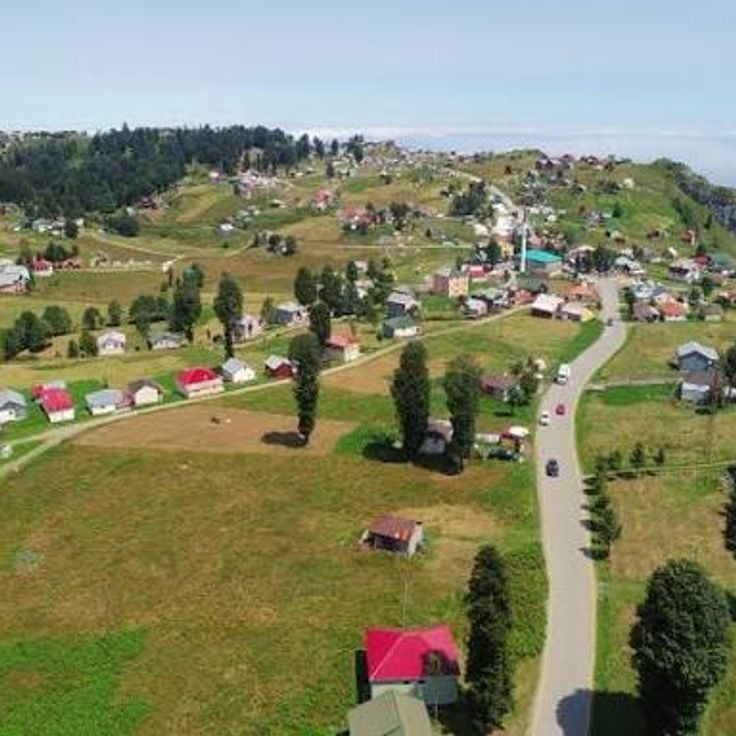
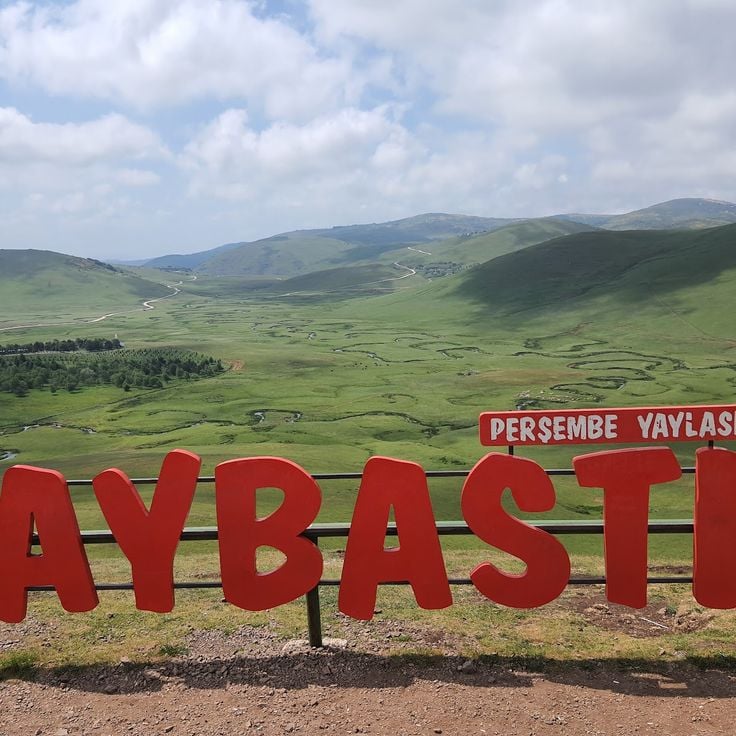
The Hıdırnebi Plateau sits above Trabzon and is one of the highland areas known as yayla along the Black Sea coast. In summer, families come here to stay in simple wooden chalets and let their animals graze on the open pastures. The air is cool, clouds often roll in low, and fog drifts across the hills. The land feels open and raw, with grassy slopes and scattered trees stretching out in every direction.
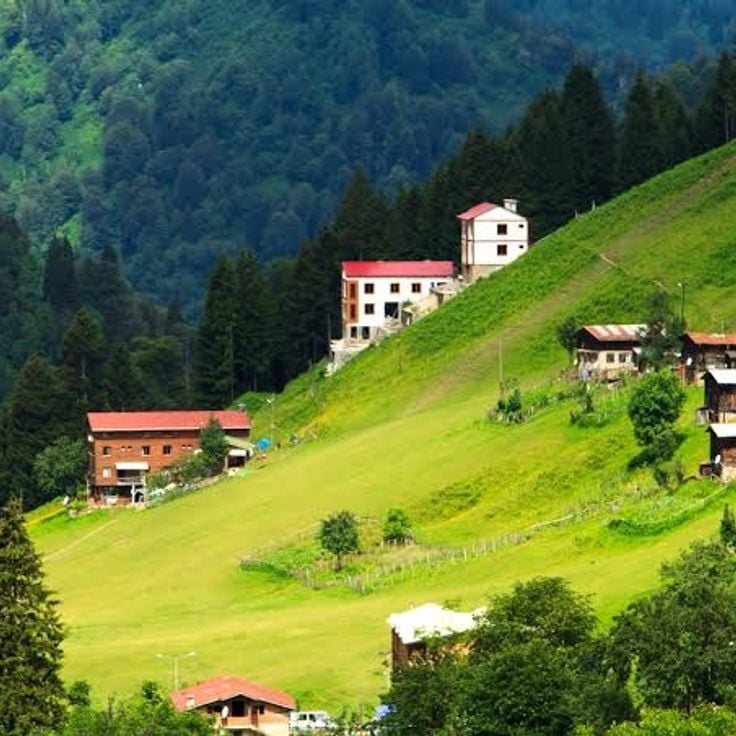
The Ayder Plateau sits high in the Kaçkar Mountains, above the town of Rize. It is a large highland area surrounded by forest, waterfalls, and green slopes. In summer, families come here to escape the coastal heat. Wooden houses and small tea houses line the paths. The streams run cold and loud. Thermal baths have long been used by locals coming up from the valleys.
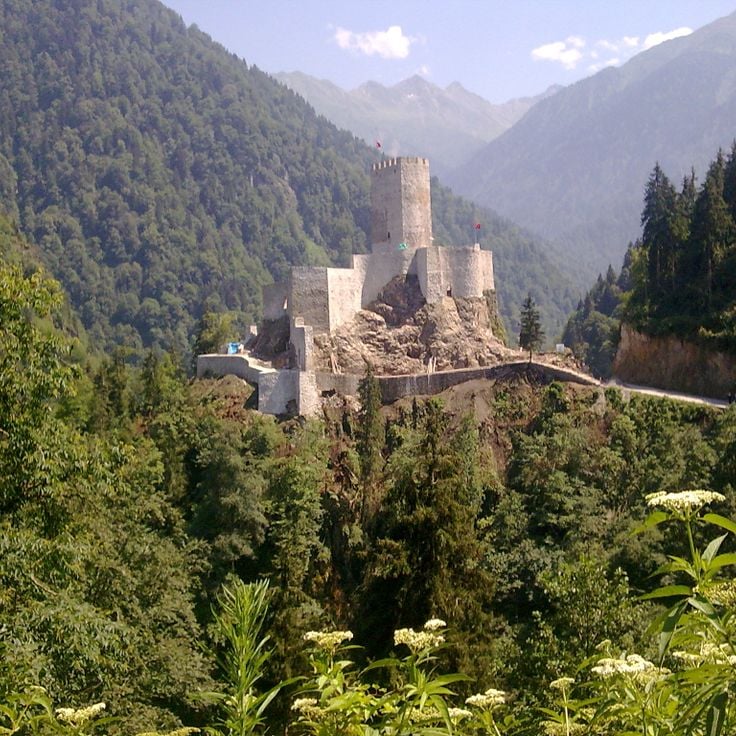
Zilkale is a medieval fortress built on a rocky spur above the Fırtına Valley. To get there, you follow a winding road through thick forest until the ruins appear on the ridge above you. The walls are old and worn, with grass growing between the stones. From the top, you can look down at the river cutting through the valley below and at the tree-covered slopes on every side. It is a raw and remote place, and one of the most striking stops along the Turkish Black Sea coast.
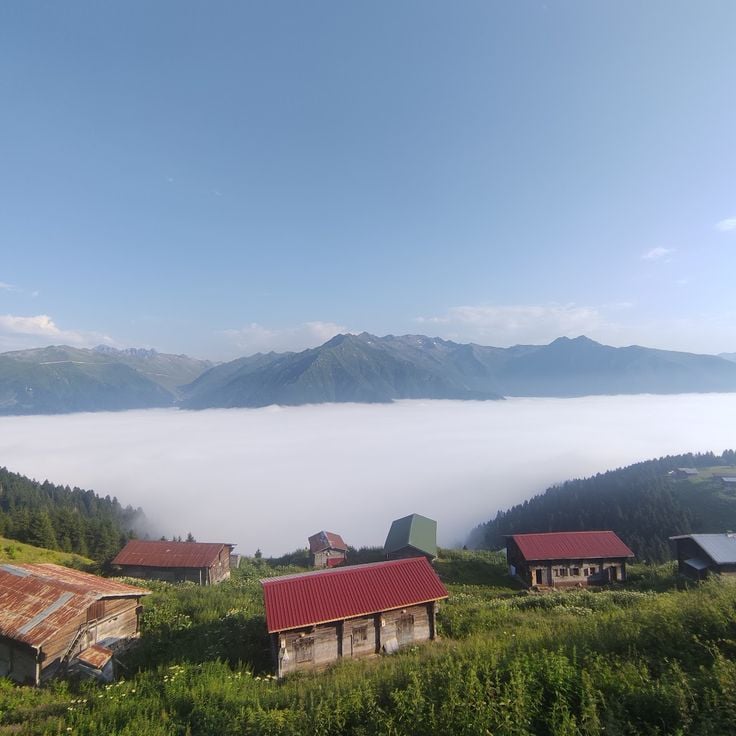
The Pokut Plateau sits high in the mountains above Rize, in the Pontic range along the Black Sea coast. It is a traditional summer grazing ground, known in Turkish as a yayla, where wooden chalets dot the hillsides. When the clouds settle low in the valleys, you can look down over a sea of white from up here. The air is cool, the grass is green in summer, and the pace of life follows the old rhythms of mountain farming.
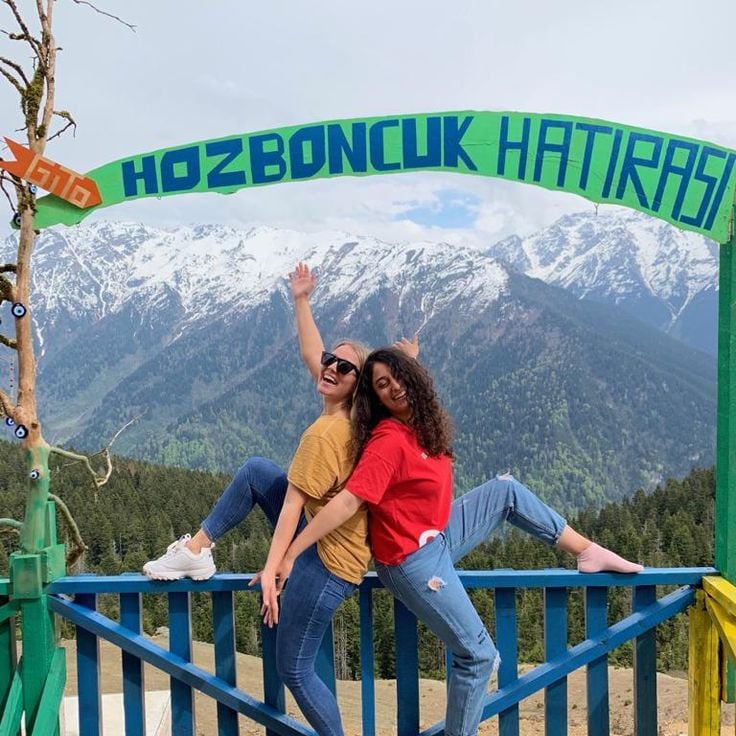
The Gito plateau sits high above the province of Rize, among the summer pastures that people in this region have used for generations. Wooden cabins dot the grasslands, and herds move slowly across the hillsides. On clear days, the Kaçkar peaks rise sharply in every direction, and the clouds settle far below. This is one of those places where the old seasonal life of the yayla still goes on in a way that feels completely natural.
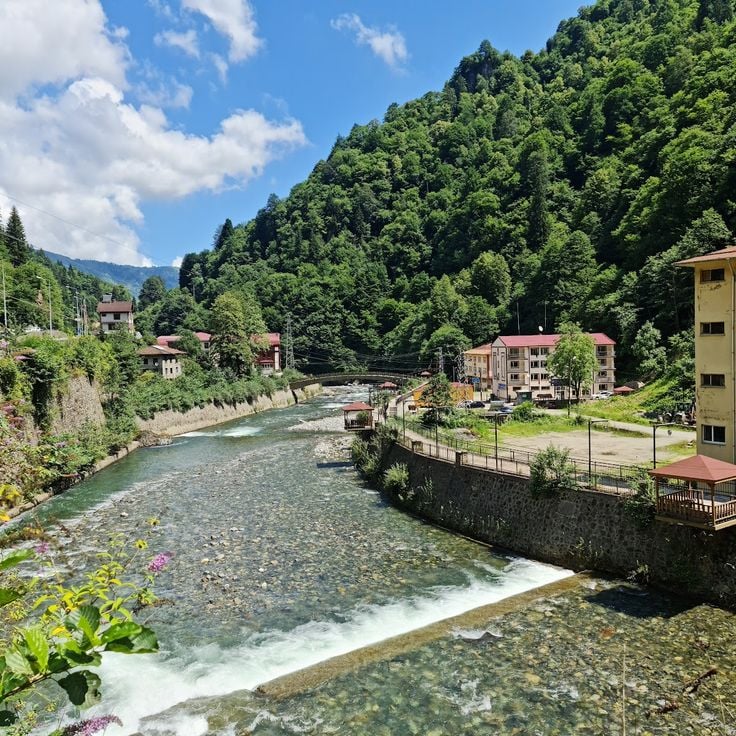
The village of Çamlıhemşin sits in northeastern Turkey, at the foot of the Kaçkar Mountains, surrounded by tea plantations and dense forest. It serves as the main starting point for routes leading into the deep valleys and up to the yayla, the traditional highland pastures where families spend their summers. A river cuts through a narrow gorge in the middle of the village, and old stone bridges cross the water. Life here moves slowly, shaped by the tea harvest and the changing seasons on the mountain slopes.
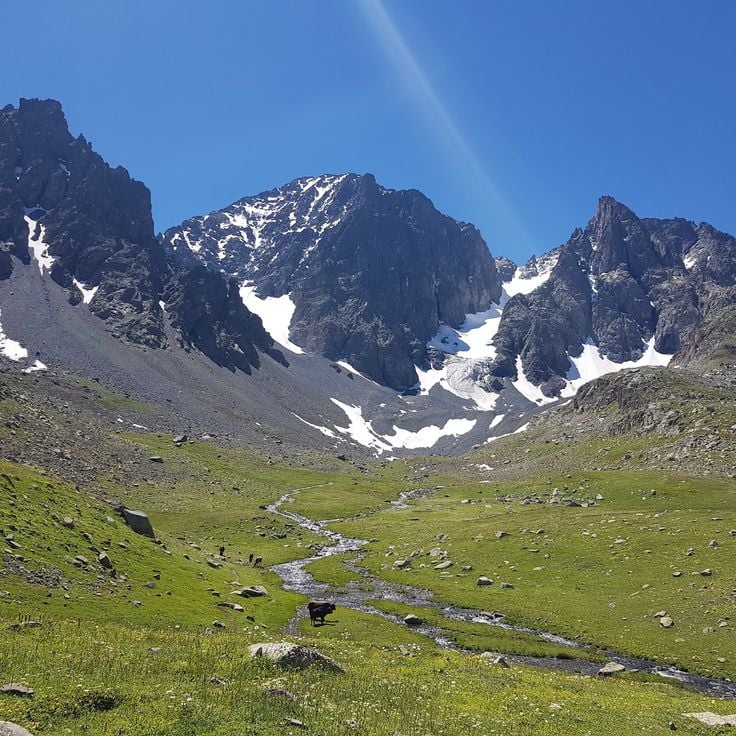
Kaçkar Mountains National Park sits between the provinces of Rize and Artvin, in the heart of the Turkish Black Sea hinterland. Its glacial lakes sit high among rocky peaks, and trails wind through forests and highland pastures known as yayla. In summer, shepherds lead their herds up to the high plateaus, and wooden chalets dot the hillsides. Hikers move through meadows, low clouds, and patches of forest that shift as the altitude rises. This park is one of the few places along the Black Sea coast where mountain life and wild nature meet so directly.
Lake Karagöl near Borçka sits in a mountain valley in the Artvin region, surrounded by a dense forest of deciduous trees. In autumn, the trees turn yellow, orange, and red, giving the lake a warm and colorful setting that draws visitors from across the Black Sea coast. The water is dark and still, reflecting the treetops above. A narrow path runs along the shore and makes for a short, easy walk. Despite being close to the coast, the lake feels far removed from it.
Şavşat and the Karagöl-Sahara Park sit in the northeastern corner of Turkey, close to the Georgian border. The area is covered by thick forests, with mountain lakes tucked into narrow valleys. Karagöl Lake lies at the foot of wooded hills that turn deep red and orange in autumn. The roads pass through small villages where old wooden houses line the slopes. This part of Artvin province feels far from the main tourist routes, and that is part of what makes it worth visiting.
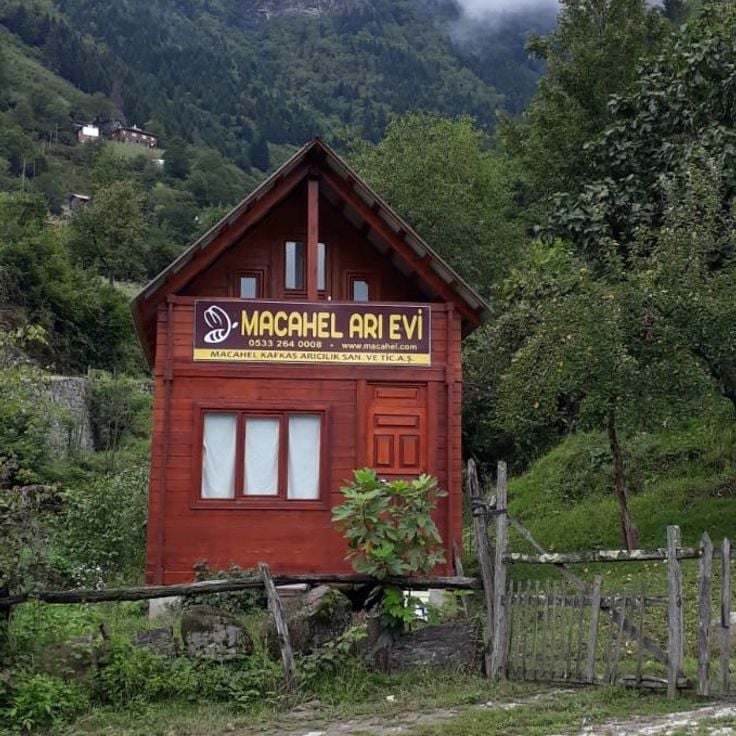
The Macahel Valley sits in northeastern Turkey, right along the Georgian border, surrounded by dense forests and steep mountain slopes. The villages here are built from stone and wood, and daily life follows a slow, traditional pace. Beekeeping has been practiced for generations, and the local honey is known far beyond the valley. Walking through, you notice small farms, flower-filled meadows, and a place that has stayed close to its old ways.
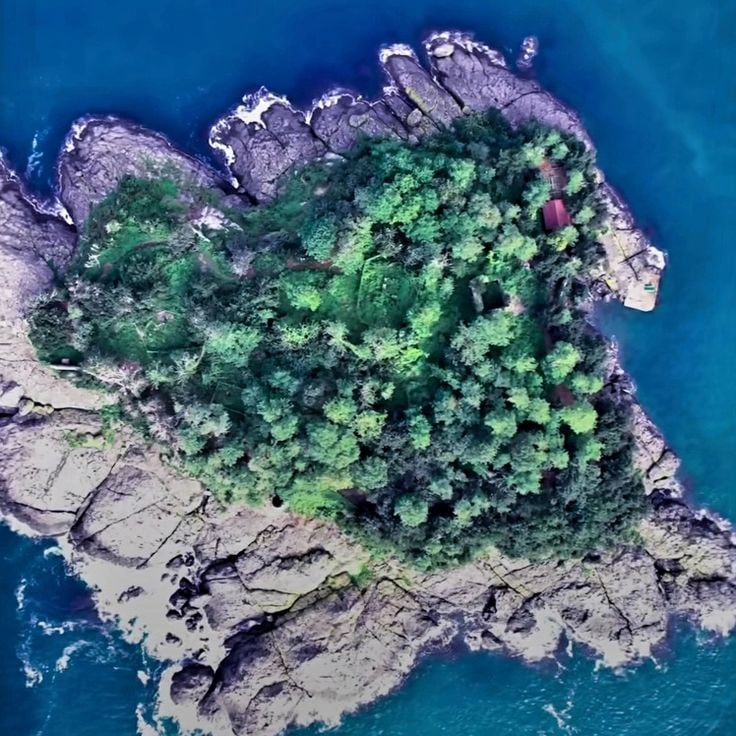
Giresun Island sits just off the coast of the city of Giresun in the Black Sea. Ancient stories connect this small island to the Amazons and to the Argonauts, who were said to have stopped here on their journey. The ruins of a Byzantine church still stand on the island. Today, visitors reach it by short boat ride from the harbor.
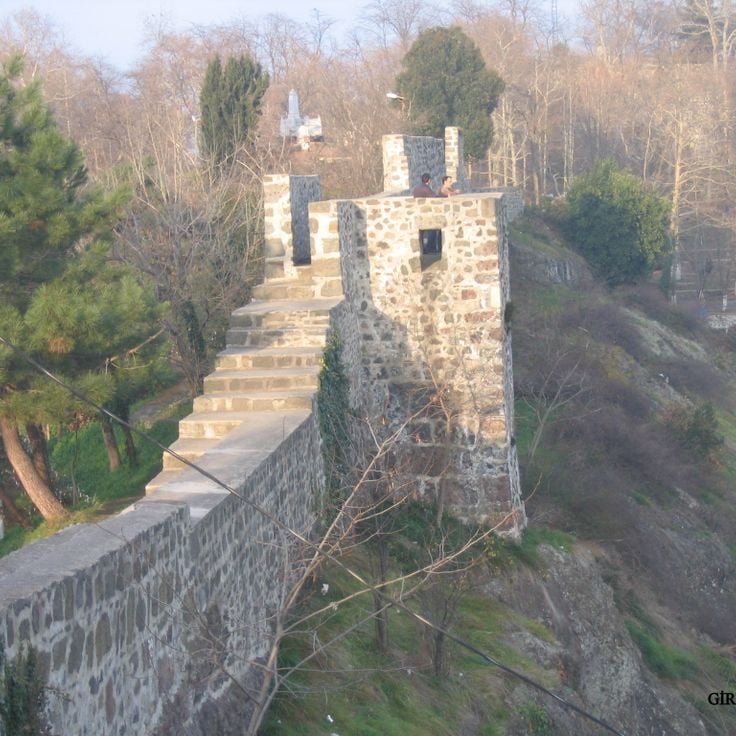
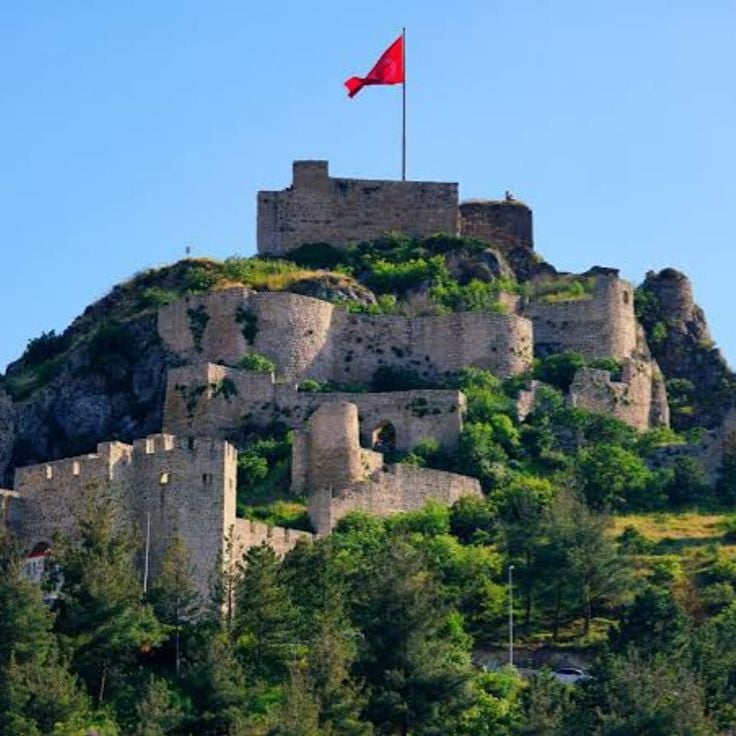
The Giresun Castle sits on a rocky hill above the city and the Black Sea. From its walls, you can see the coastline stretching in both directions, the old town below, and the fishing boats in the harbor. The fortress dates back to ancient times and passed through the hands of many peoples over the centuries. Today visitors can walk among the old stones and take in the view over the sea.
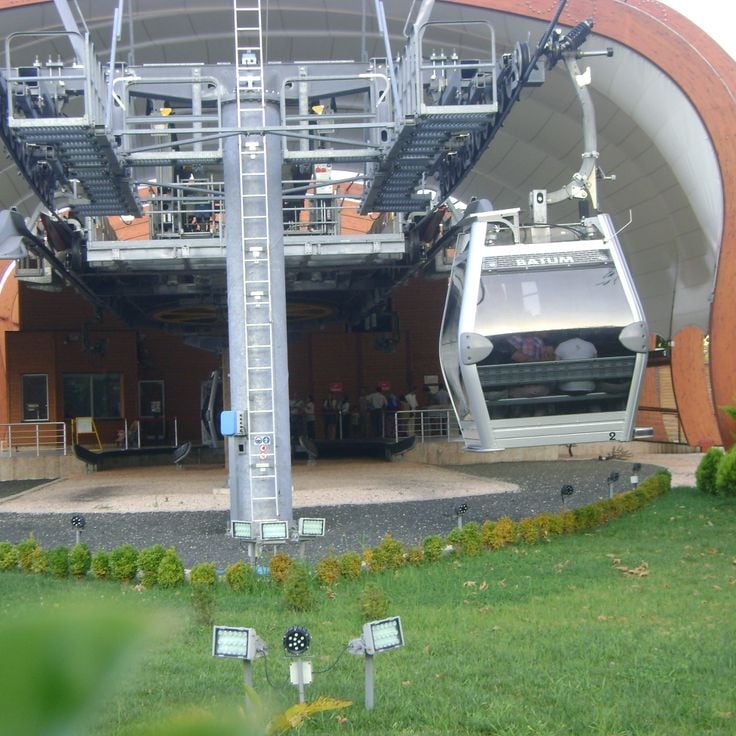
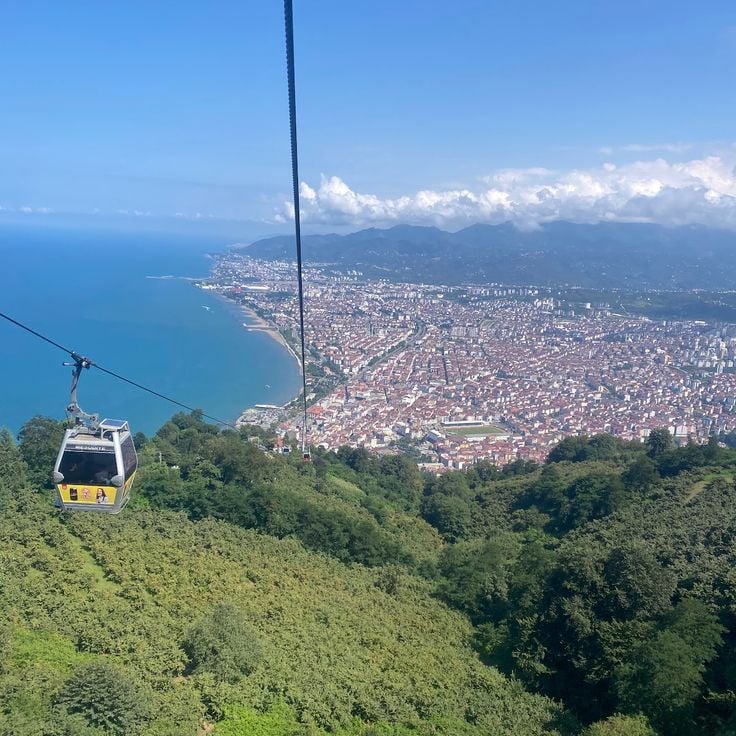
Boztepe sits above the city of Ordu and can be reached by cable car. From the top, you look out over the rooftops, the harbor, and the open water of the Black Sea. On a clear day, the view stretches far along the coast. Locals often come here in the evening to watch the sun go down over the water.
Cape Jason is a peninsula that juts out into the Black Sea near the city of Ordu. Its name comes from the ancient legend of the Argonauts, who were said to have passed along these shores during Jason's search for the Golden Fleece. A 19th-century church still stands on the peninsula, a reminder of the Greek communities that once lived along this coast. From the tip of the cape, the sea opens up on all sides and the coastline curves away in both directions.
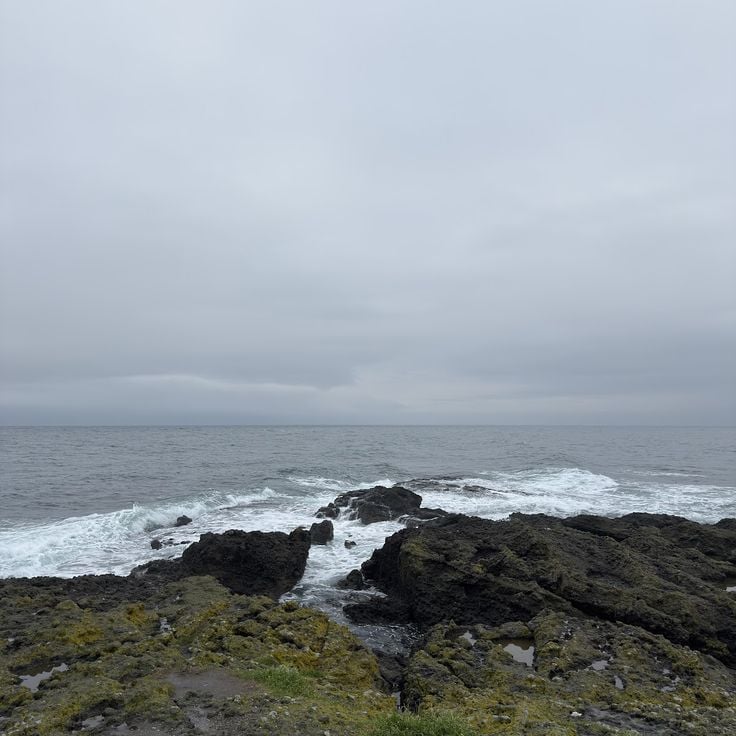
Perşembe and its coastal road sit along the Black Sea in Ordu province. The road winds between small coves and rocky cliffs, passing through fishing villages that follow the rhythm of the sea. The hillsides drop steeply toward the water, and from the road you can see boats, nets, and old stone houses. This stretch of coast sees little traffic and gives an honest sense of everyday life on the Turkish Black Sea.
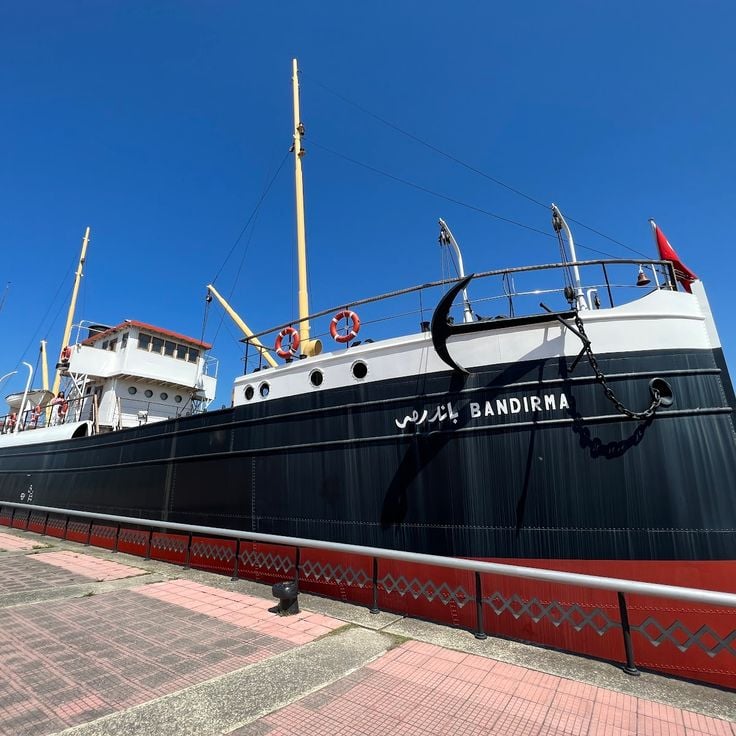
The Bandirma Ferry is a replica of the ship that brought Mustafa Kemal Ataturk to Samsun in May 1919, marking the start of the Turkish War of Independence. Today it serves as a museum where visitors can walk through the vessel and see displays related to those decisive days. The ship sits near the seafront in Samsun, making it easy to visit while exploring the city. It is one of the most direct ways to connect with modern Turkish history.
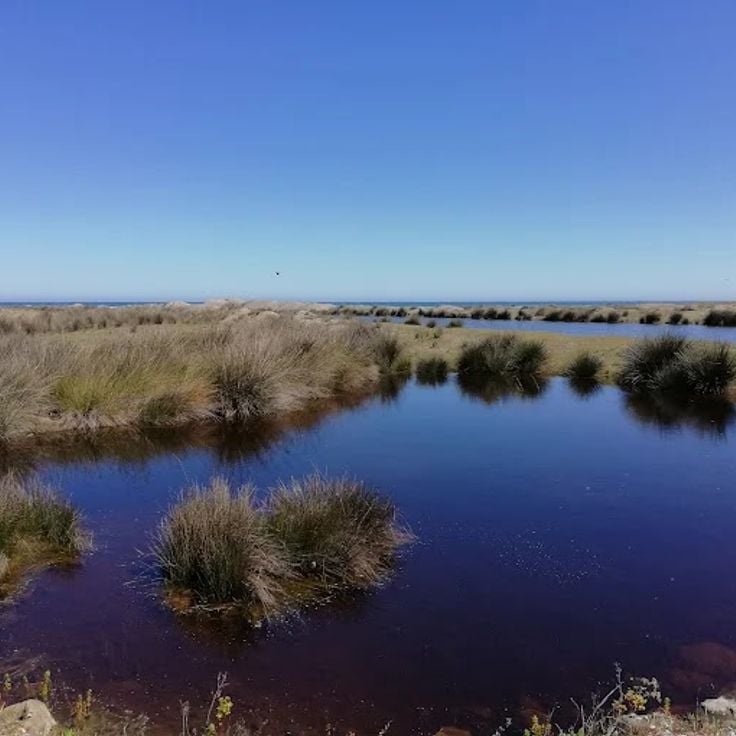
The Kızılırmak Delta sits east of Samsun, where the longest river in Turkey meets the Black Sea. As the river slows down, it spreads into a wide wetland of lagoons, reed beds and shallow lakes. Many migratory birds stop here on their journeys between Europe, Asia and Africa, making this one of the most important bird sanctuaries on the Turkish Black Sea coast. Walking along the water's edge, you can spot herons, ducks and wading birds moving through the reeds. The landscape is open and flat, with long views over still water, especially in the early morning light.
Amasya sits in a narrow valley carved by the Yeşilırmak River. Tall rock faces rise on both sides, and carved into them are the royal tombs of the Pontic kings, cut into the stone over 2000 years ago. Along the riverbanks, Ottoman wooden houses with wide overhanging upper floors line the water's edge, many of them repainted in warm tones. The city was once a training ground for Ottoman princes, and it still holds old mosques, theological schools, and a hilltop fortress. Walking along the river at dusk, with the tombs lit up above and reflected in the water below, gives the city a strong sense of depth and time.
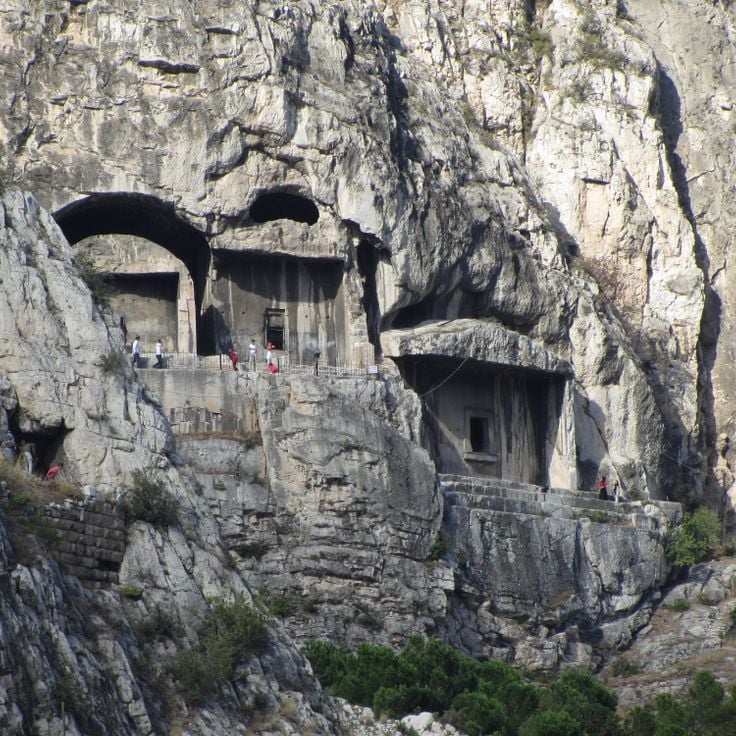
The rock tombs of the Pontic kings are cut directly into a tall limestone cliff above the city of Amasya. They date back over 2,000 years and were carved as burial chambers for the rulers of the Kingdom of Pontus. From the banks of the Yeşilırmak River below, you can look straight up at the facades, which are lit at night and reflect in the water. Above the tombs, the slope of Mount Harşena rises steeply, topped by the remains of an old fortress. Walking up gives you a clear view over the rooftops and the green valley below.
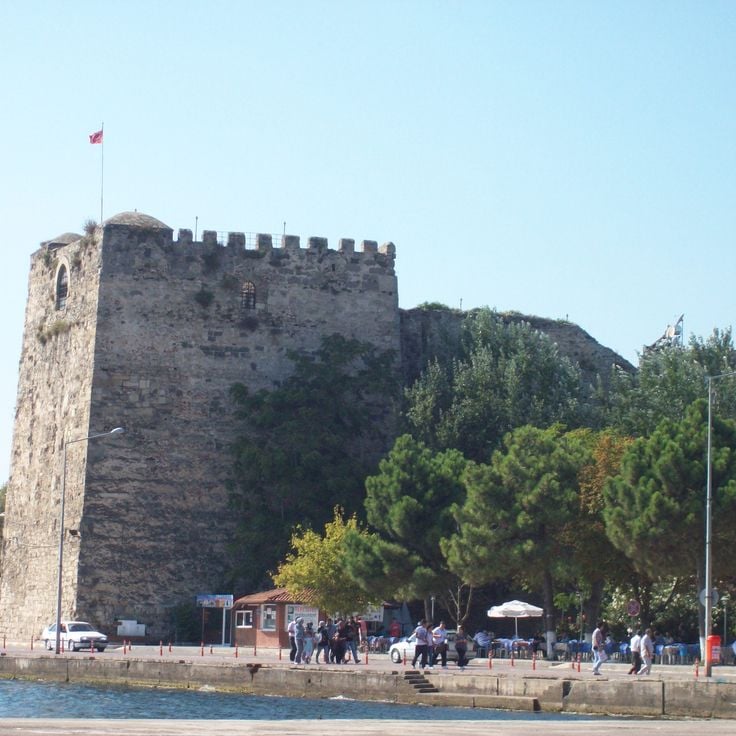
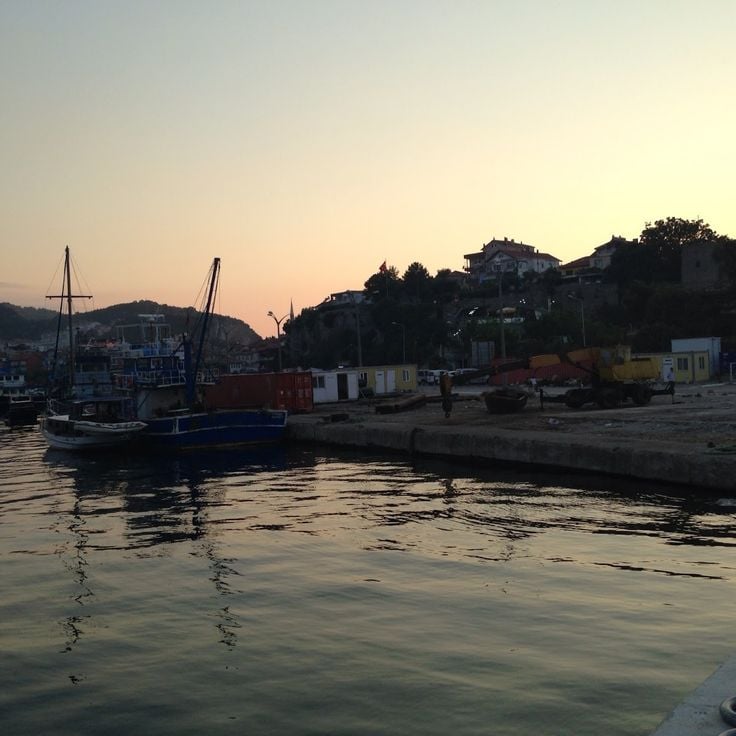
Sinop sits on a narrow peninsula and is the northernmost city in Turkey. For centuries it served as a key port on the Black Sea, and its old city walls are still standing. Walking through the old town, you find narrow streets, stone houses, and the old harbor where fishing boats dock. The sea is never far away.
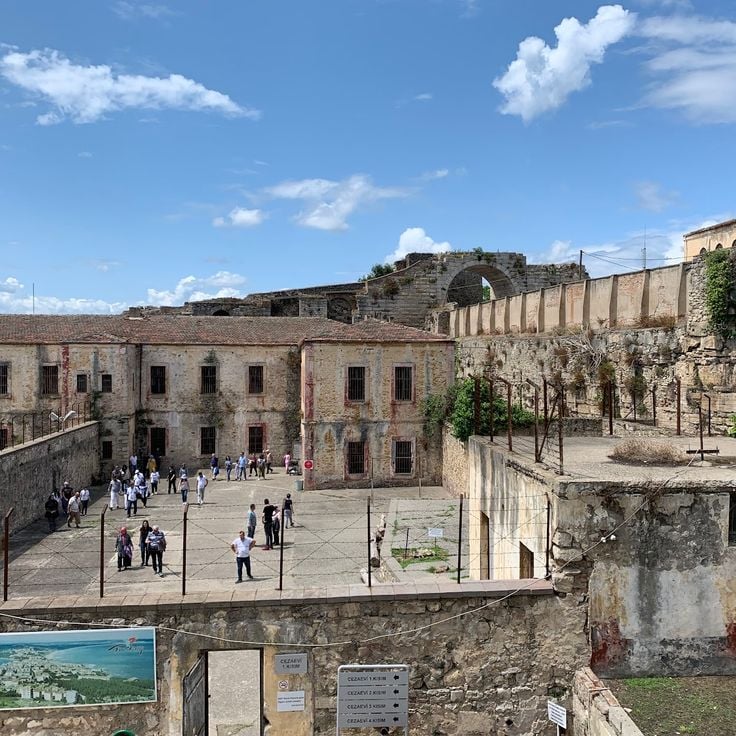
The Sinop Historic Prison sits inside the old fortress walls of the city and was long known as one of the harshest prisons in Turkey. Today you can walk through the cells, touch the walls, and get a sense of what life was like here. The place tells the story of exile, isolation, and the daily reality of inmates who sometimes spent many years within these stone walls. It is a sobering place to visit, set right in the middle of a port city with a long history.
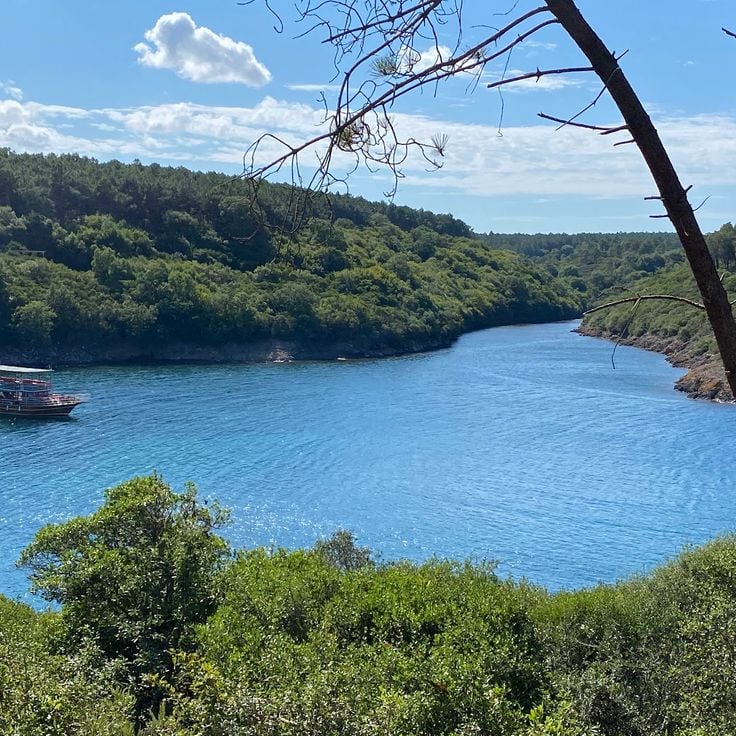
Hamsilos Koyu is a deep, narrow bay near Sinop, where forested slopes drop straight to the water. A short distance away, the İnceburun peninsula marks the northernmost tip of Turkey, where rocky cliffs face the open Black Sea. The area feels remote and raw, with forest trails, quiet coves and wide views over the water that make it unlike anything else along this coast.
Safranbolu is an Ottoman town in Karabük Province that has kept its old merchant houses, bazaars, hammams, and caravanserais largely intact. The buildings, mostly from the 17th and 18th centuries, still stand as they were built, with timber frames, white plaster walls, and overhanging upper floors above narrow streets. The town has been a UNESCO World Heritage Site since 1994. Walking through the Çarşı neighborhood, you find craft workshops, coffeehouses, and small shops that carry a sense of the old trade routes still alive today.
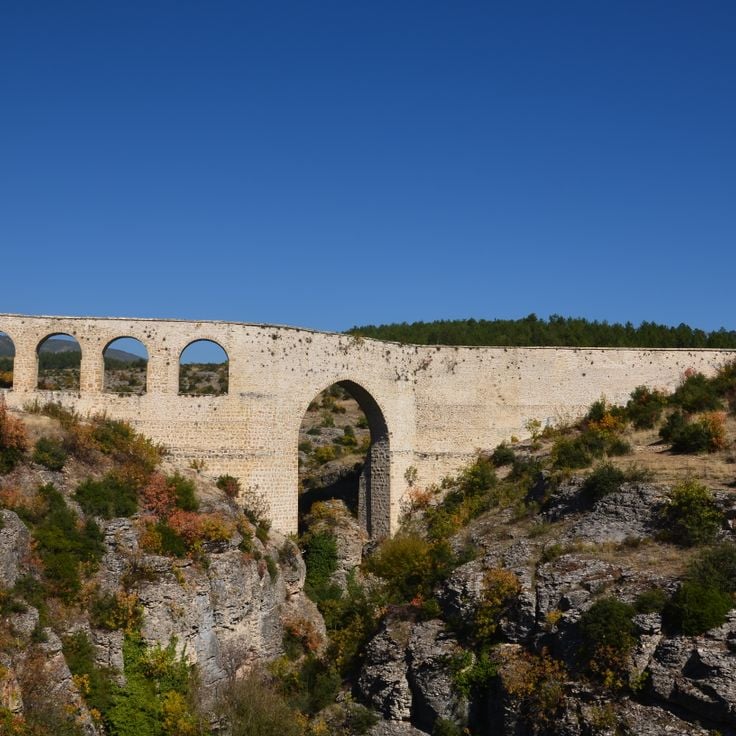
The Tokatlı Canyon sits just a short drive from Safranbolu and offers a natural contrast to the town's stone houses and old bazaar. A shaded trail follows the river through a forested gorge, leading to the İncekaya Aqueduct, an Ottoman structure built in the 18th century to carry water into the city. The aqueduct spans the canyon at a considerable height, and the path beneath it gives a clear sense of the scale of this old engineering work.
Amasra is a small port town on the Black Sea coast, tucked between two bays. A medieval castle rises above the rooftops and looks out over the water. Narrow streets wind through the old town past stone buildings, and fishing boats moor directly below the old walls. Amasra is one of the oldest continuously inhabited places along this stretch of coast, and walking through its streets gives a clear sense of how life here has stayed close to the sea for a very long time.
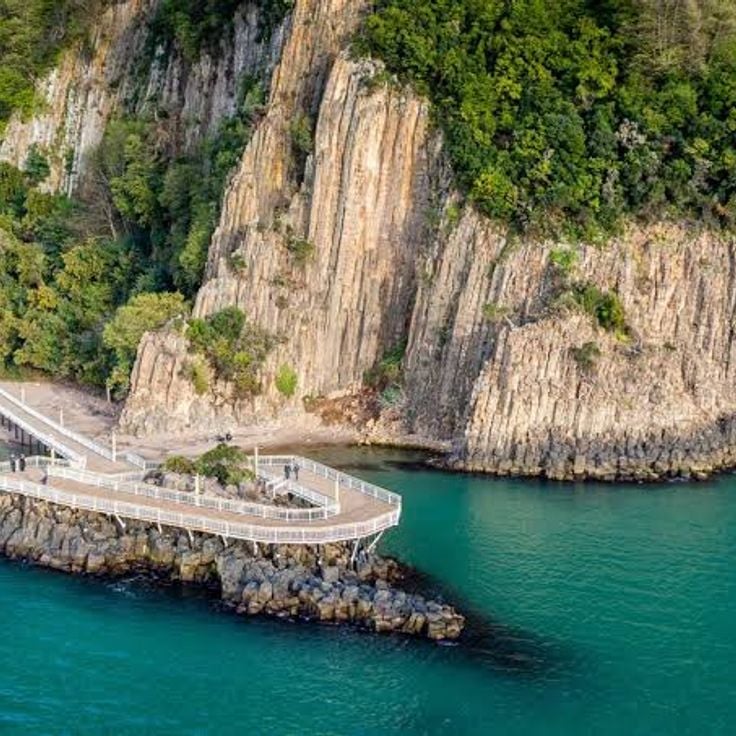
Güzelcehisar sits on the Black Sea coast and offers a rare sight: basalt columns rising directly from the water. These volcanic rock formations were shaped millions of years ago by cooling lava flows. You can see them from the shore, watching the waves wash around the dark stone pillars. The site is rarely crowded, and the coastline feels raw and unpolished, far from the busier spots along the Turkish coast.
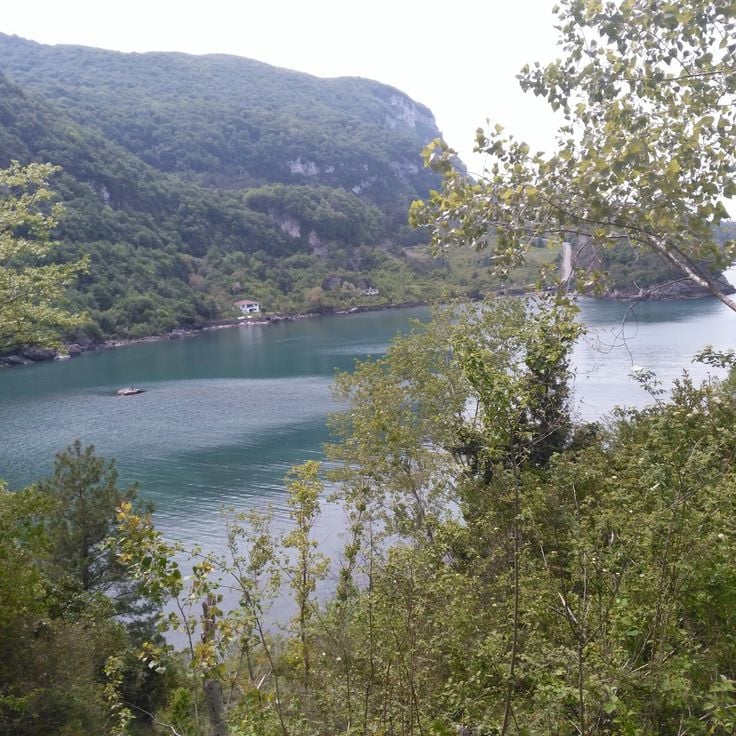
Gideros Bay sits near the coastal town of Cide and is one of the most sheltered inlets along the Turkish Black Sea shore. The water is almost completely enclosed by forested hills, giving the bay a protected feel. Fishing boats rest here in calm water, and the surrounding trees come right down to the shoreline. Walking along the edge, you get a sense of a place that sees few visitors and moves at its own pace.
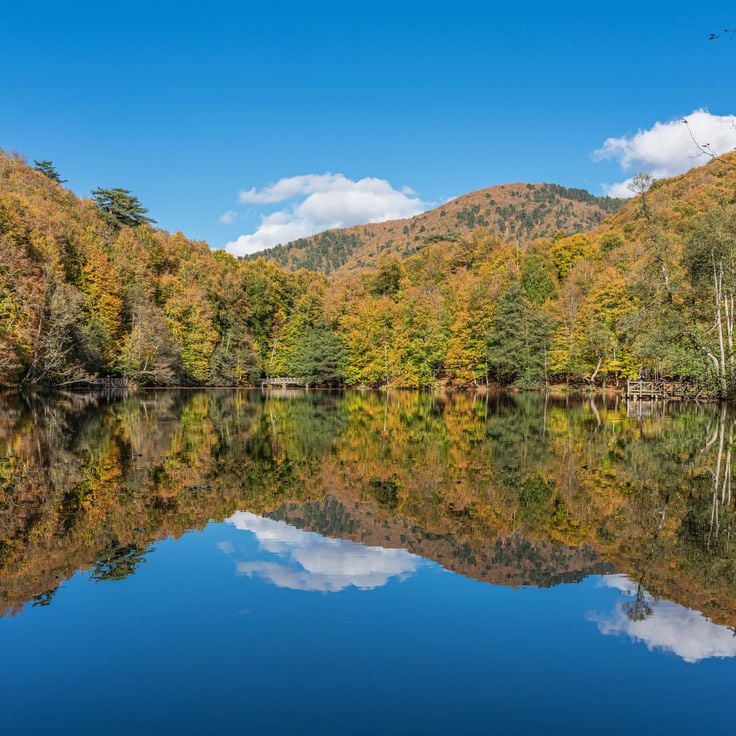
Yedigöller National Park, located in Bolu province, takes its name from its seven small lakes nestled inside a dense forest. The trees, mostly beech, oak, and alder, turn deep shades of red and yellow in autumn, drawing visitors from cities nearby. Short trails connect the lakes, making it easy to walk from one to the next at a relaxed pace. The water reflects the canopy above, and the only sounds are those of the wind and small streams. It is a place where people come to slow down and walk among the trees.
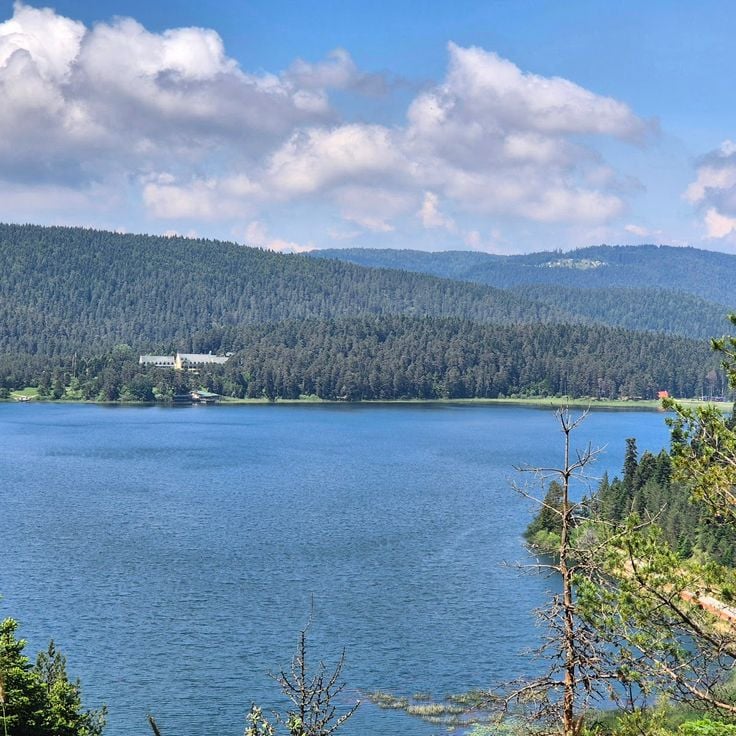
Lake Abant sits in the forested hills of Bolu province, at around 4,300 feet (1,300 m) above sea level. The water is still and dark, surrounded by trees that turn bright shades of orange and red in autumn. A gentle path runs all the way around the lake, and it is a popular spot for weekend walkers coming up from the city. The air is cool even in summer. This lake is one of the most accessible natural places along the northern edge of the Black Sea region.
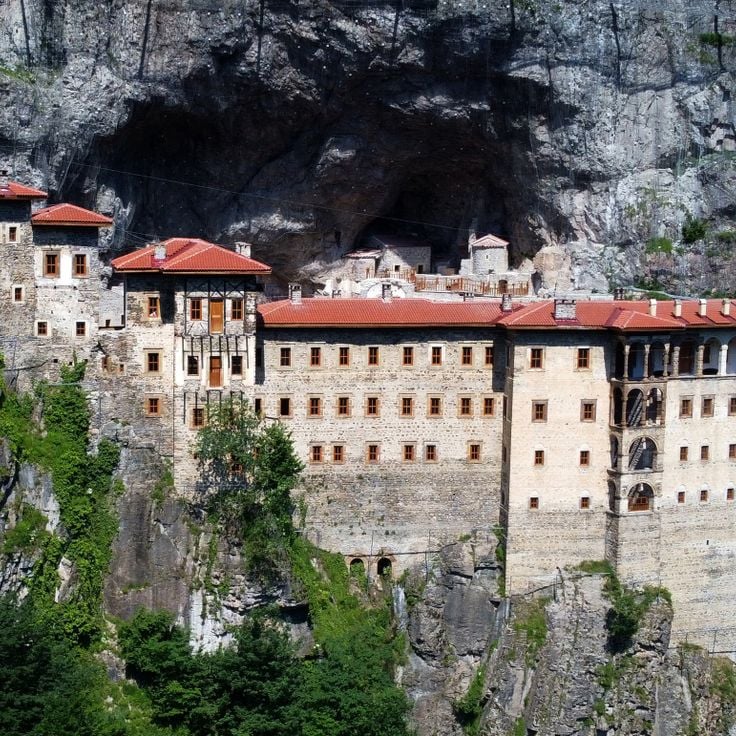
Sümela Monastery clings to a sheer rock face in the Altındere valley, roughly 1,200 meters above the valley floor, and stands out as the most visited Byzantine site on Turkey's Black Sea coast. Founded in the 4th century by Greek Orthodox monks, it was used continuously for over a thousand years. Visitors reach it by walking a winding trail through the forest, then suddenly find themselves facing chapels and courtyards carved directly into the cliff. The frescoes covering the walls depict scenes from the life of Jesus and the Virgin Mary.
Uzungöl is a mountain lake near Trabzon, nestled between forested slopes and tall peaks. The water mirrors the surrounding mountains, which has made this spot one of the most recognizable images of the Turkish Black Sea coast. Small wooden houses and tea shops line the shore, and daily life here follows a slow, rural rhythm.
The Hagia Sophia of Trabzon is a 13th-century Byzantine church that stands on a low hill at the edge of the city, facing the Black Sea. It was built during the Empire of Trebizond and still holds frescoes covering its walls and vaults. Over the centuries, the building served as a church, then a mosque, then a museum, before returning to use as a mosque. The carved portals and painted interior give a clear sense of what art looked like in this part of Anatolia during the medieval period.
Boztepe is a hill on the edge of Trabzon where locals go to sit under the trees, drink tea and look out over the city and the Black Sea. The view takes in rooftops, the port and the water stretching to the horizon. It is an easy place to reach from the center, and the tea gardens there fill up in the late afternoon when people come to watch the light fade over the sea.
The Hıdırnebi Plateau sits above Trabzon and is one of the highland areas known as yayla along the Black Sea coast. In summer, families come here to stay in simple wooden chalets and let their animals graze on the open pastures. The air is cool, clouds often roll in low, and fog drifts across the hills. The land feels open and raw, with grassy slopes and scattered trees stretching out in every direction.
The Ayder Plateau sits high in the Kaçkar Mountains, above the town of Rize. It is a large highland area surrounded by forest, waterfalls, and green slopes. In summer, families come here to escape the coastal heat. Wooden houses and small tea houses line the paths. The streams run cold and loud. Thermal baths have long been used by locals coming up from the valleys.
Zilkale is a medieval fortress built on a rocky spur above the Fırtına Valley. To get there, you follow a winding road through thick forest until the ruins appear on the ridge above you. The walls are old and worn, with grass growing between the stones. From the top, you can look down at the river cutting through the valley below and at the tree-covered slopes on every side. It is a raw and remote place, and one of the most striking stops along the Turkish Black Sea coast.
The Pokut Plateau sits high in the mountains above Rize, in the Pontic range along the Black Sea coast. It is a traditional summer grazing ground, known in Turkish as a yayla, where wooden chalets dot the hillsides. When the clouds settle low in the valleys, you can look down over a sea of white from up here. The air is cool, the grass is green in summer, and the pace of life follows the old rhythms of mountain farming.
The Gito plateau sits high above the province of Rize, among the summer pastures that people in this region have used for generations. Wooden cabins dot the grasslands, and herds move slowly across the hillsides. On clear days, the Kaçkar peaks rise sharply in every direction, and the clouds settle far below. This is one of those places where the old seasonal life of the yayla still goes on in a way that feels completely natural.
The village of Çamlıhemşin sits in northeastern Turkey, at the foot of the Kaçkar Mountains, surrounded by tea plantations and dense forest. It serves as the main starting point for routes leading into the deep valleys and up to the yayla, the traditional highland pastures where families spend their summers. A river cuts through a narrow gorge in the middle of the village, and old stone bridges cross the water. Life here moves slowly, shaped by the tea harvest and the changing seasons on the mountain slopes.
Kaçkar Mountains National Park sits between the provinces of Rize and Artvin, in the heart of the Turkish Black Sea hinterland. Its glacial lakes sit high among rocky peaks, and trails wind through forests and highland pastures known as yayla. In summer, shepherds lead their herds up to the high plateaus, and wooden chalets dot the hillsides. Hikers move through meadows, low clouds, and patches of forest that shift as the altitude rises. This park is one of the few places along the Black Sea coast where mountain life and wild nature meet so directly.
Lake Karagöl near Borçka sits in a mountain valley in the Artvin region, surrounded by a dense forest of deciduous trees. In autumn, the trees turn yellow, orange, and red, giving the lake a warm and colorful setting that draws visitors from across the Black Sea coast. The water is dark and still, reflecting the treetops above. A narrow path runs along the shore and makes for a short, easy walk. Despite being close to the coast, the lake feels far removed from it.
Şavşat and the Karagöl-Sahara Park sit in the northeastern corner of Turkey, close to the Georgian border. The area is covered by thick forests, with mountain lakes tucked into narrow valleys. Karagöl Lake lies at the foot of wooded hills that turn deep red and orange in autumn. The roads pass through small villages where old wooden houses line the slopes. This part of Artvin province feels far from the main tourist routes, and that is part of what makes it worth visiting.
The Macahel Valley sits in northeastern Turkey, right along the Georgian border, surrounded by dense forests and steep mountain slopes. The villages here are built from stone and wood, and daily life follows a slow, traditional pace. Beekeeping has been practiced for generations, and the local honey is known far beyond the valley. Walking through, you notice small farms, flower-filled meadows, and a place that has stayed close to its old ways.
Giresun Island sits just off the coast of the city of Giresun in the Black Sea. Ancient stories connect this small island to the Amazons and to the Argonauts, who were said to have stopped here on their journey. The ruins of a Byzantine church still stand on the island. Today, visitors reach it by short boat ride from the harbor.
The Giresun Castle sits on a rocky hill above the city and the Black Sea. From its walls, you can see the coastline stretching in both directions, the old town below, and the fishing boats in the harbor. The fortress dates back to ancient times and passed through the hands of many peoples over the centuries. Today visitors can walk among the old stones and take in the view over the sea.
Boztepe sits above the city of Ordu and can be reached by cable car. From the top, you look out over the rooftops, the harbor, and the open water of the Black Sea. On a clear day, the view stretches far along the coast. Locals often come here in the evening to watch the sun go down over the water.
Cape Jason is a peninsula that juts out into the Black Sea near the city of Ordu. Its name comes from the ancient legend of the Argonauts, who were said to have passed along these shores during Jason's search for the Golden Fleece. A 19th-century church still stands on the peninsula, a reminder of the Greek communities that once lived along this coast. From the tip of the cape, the sea opens up on all sides and the coastline curves away in both directions.
Perşembe and its coastal road sit along the Black Sea in Ordu province. The road winds between small coves and rocky cliffs, passing through fishing villages that follow the rhythm of the sea. The hillsides drop steeply toward the water, and from the road you can see boats, nets, and old stone houses. This stretch of coast sees little traffic and gives an honest sense of everyday life on the Turkish Black Sea.
The Bandirma Ferry is a replica of the ship that brought Mustafa Kemal Ataturk to Samsun in May 1919, marking the start of the Turkish War of Independence. Today it serves as a museum where visitors can walk through the vessel and see displays related to those decisive days. The ship sits near the seafront in Samsun, making it easy to visit while exploring the city. It is one of the most direct ways to connect with modern Turkish history.
The Kızılırmak Delta sits east of Samsun, where the longest river in Turkey meets the Black Sea. As the river slows down, it spreads into a wide wetland of lagoons, reed beds and shallow lakes. Many migratory birds stop here on their journeys between Europe, Asia and Africa, making this one of the most important bird sanctuaries on the Turkish Black Sea coast. Walking along the water's edge, you can spot herons, ducks and wading birds moving through the reeds. The landscape is open and flat, with long views over still water, especially in the early morning light.
Amasya sits in a narrow valley carved by the Yeşilırmak River. Tall rock faces rise on both sides, and carved into them are the royal tombs of the Pontic kings, cut into the stone over 2000 years ago. Along the riverbanks, Ottoman wooden houses with wide overhanging upper floors line the water's edge, many of them repainted in warm tones. The city was once a training ground for Ottoman princes, and it still holds old mosques, theological schools, and a hilltop fortress. Walking along the river at dusk, with the tombs lit up above and reflected in the water below, gives the city a strong sense of depth and time.
The rock tombs of the Pontic kings are cut directly into a tall limestone cliff above the city of Amasya. They date back over 2,000 years and were carved as burial chambers for the rulers of the Kingdom of Pontus. From the banks of the Yeşilırmak River below, you can look straight up at the facades, which are lit at night and reflect in the water. Above the tombs, the slope of Mount Harşena rises steeply, topped by the remains of an old fortress. Walking up gives you a clear view over the rooftops and the green valley below.
Sinop sits on a narrow peninsula and is the northernmost city in Turkey. For centuries it served as a key port on the Black Sea, and its old city walls are still standing. Walking through the old town, you find narrow streets, stone houses, and the old harbor where fishing boats dock. The sea is never far away.
The Sinop Historic Prison sits inside the old fortress walls of the city and was long known as one of the harshest prisons in Turkey. Today you can walk through the cells, touch the walls, and get a sense of what life was like here. The place tells the story of exile, isolation, and the daily reality of inmates who sometimes spent many years within these stone walls. It is a sobering place to visit, set right in the middle of a port city with a long history.
Hamsilos Koyu is a deep, narrow bay near Sinop, where forested slopes drop straight to the water. A short distance away, the İnceburun peninsula marks the northernmost tip of Turkey, where rocky cliffs face the open Black Sea. The area feels remote and raw, with forest trails, quiet coves and wide views over the water that make it unlike anything else along this coast.
Safranbolu is an Ottoman town in Karabük Province that has kept its old merchant houses, bazaars, hammams, and caravanserais largely intact. The buildings, mostly from the 17th and 18th centuries, still stand as they were built, with timber frames, white plaster walls, and overhanging upper floors above narrow streets. The town has been a UNESCO World Heritage Site since 1994. Walking through the Çarşı neighborhood, you find craft workshops, coffeehouses, and small shops that carry a sense of the old trade routes still alive today.
The Tokatlı Canyon sits just a short drive from Safranbolu and offers a natural contrast to the town's stone houses and old bazaar. A shaded trail follows the river through a forested gorge, leading to the İncekaya Aqueduct, an Ottoman structure built in the 18th century to carry water into the city. The aqueduct spans the canyon at a considerable height, and the path beneath it gives a clear sense of the scale of this old engineering work.
Amasra is a small port town on the Black Sea coast, tucked between two bays. A medieval castle rises above the rooftops and looks out over the water. Narrow streets wind through the old town past stone buildings, and fishing boats moor directly below the old walls. Amasra is one of the oldest continuously inhabited places along this stretch of coast, and walking through its streets gives a clear sense of how life here has stayed close to the sea for a very long time.
Güzelcehisar sits on the Black Sea coast and offers a rare sight: basalt columns rising directly from the water. These volcanic rock formations were shaped millions of years ago by cooling lava flows. You can see them from the shore, watching the waves wash around the dark stone pillars. The site is rarely crowded, and the coastline feels raw and unpolished, far from the busier spots along the Turkish coast.
Gideros Bay sits near the coastal town of Cide and is one of the most sheltered inlets along the Turkish Black Sea shore. The water is almost completely enclosed by forested hills, giving the bay a protected feel. Fishing boats rest here in calm water, and the surrounding trees come right down to the shoreline. Walking along the edge, you get a sense of a place that sees few visitors and moves at its own pace.
Yedigöller National Park, located in Bolu province, takes its name from its seven small lakes nestled inside a dense forest. The trees, mostly beech, oak, and alder, turn deep shades of red and yellow in autumn, drawing visitors from cities nearby. Short trails connect the lakes, making it easy to walk from one to the next at a relaxed pace. The water reflects the canopy above, and the only sounds are those of the wind and small streams. It is a place where people come to slow down and walk among the trees.
Lake Abant sits in the forested hills of Bolu province, at around 4,300 feet (1,300 m) above sea level. The water is still and dark, surrounded by trees that turn bright shades of orange and red in autumn. A gentle path runs all the way around the lake, and it is a popular spot for weekend walkers coming up from the city. The air is cool even in summer. This lake is one of the most accessible natural places along the northern edge of the Black Sea region.
Sümela Monastery clings to a sheer rock face in the Altındere valley, roughly 1,200 meters above the valley floor, and stands out as the most visited Byzantine site on Turkey's Black Sea coast. Founded in the 4th century by Greek Orthodox monks, it was used continuously for over a thousand years. Visitors reach it by walking a winding trail through the forest, then suddenly find themselves facing chapels and courtyards carved directly into the cliff. The frescoes covering the walls depict scenes from the life of Jesus and the Virgin Mary.
Uzungöl is a mountain lake near Trabzon, nestled between forested slopes and tall peaks. The water mirrors the surrounding mountains, which has made this spot one of the most recognizable images of the Turkish Black Sea coast. Small wooden houses and tea shops line the shore, and daily life here follows a slow, rural rhythm.
The Hagia Sophia of Trabzon is a 13th-century Byzantine church that stands on a low hill at the edge of the city, facing the Black Sea. It was built during the Empire of Trebizond and still holds frescoes covering its walls and vaults. Over the centuries, the building served as a church, then a mosque, then a museum, before returning to use as a mosque. The carved portals and painted interior give a clear sense of what art looked like in this part of Anatolia during the medieval period.
Boztepe is a hill on the edge of Trabzon where locals go to sit under the trees, drink tea and look out over the city and the Black Sea. The view takes in rooftops, the port and the water stretching to the horizon. It is an easy place to reach from the center, and the tea gardens there fill up in the late afternoon when people come to watch the light fade over the sea.
The Hıdırnebi Plateau sits above Trabzon and is one of the highland areas known as yayla along the Black Sea coast. In summer, families come here to stay in simple wooden chalets and let their animals graze on the open pastures. The air is cool, clouds often roll in low, and fog drifts across the hills. The land feels open and raw, with grassy slopes and scattered trees stretching out in every direction.
The Ayder Plateau sits high in the Kaçkar Mountains, above the town of Rize. It is a large highland area surrounded by forest, waterfalls, and green slopes. In summer, families come here to escape the coastal heat. Wooden houses and small tea houses line the paths. The streams run cold and loud. Thermal baths have long been used by locals coming up from the valleys.
Zilkale is a medieval fortress built on a rocky spur above the Fırtına Valley. To get there, you follow a winding road through thick forest until the ruins appear on the ridge above you. The walls are old and worn, with grass growing between the stones. From the top, you can look down at the river cutting through the valley below and at the tree-covered slopes on every side. It is a raw and remote place, and one of the most striking stops along the Turkish Black Sea coast.
The Pokut Plateau sits high in the mountains above Rize, in the Pontic range along the Black Sea coast. It is a traditional summer grazing ground, known in Turkish as a yayla, where wooden chalets dot the hillsides. When the clouds settle low in the valleys, you can look down over a sea of white from up here. The air is cool, the grass is green in summer, and the pace of life follows the old rhythms of mountain farming.
The Gito plateau sits high above the province of Rize, among the summer pastures that people in this region have used for generations. Wooden cabins dot the grasslands, and herds move slowly across the hillsides. On clear days, the Kaçkar peaks rise sharply in every direction, and the clouds settle far below. This is one of those places where the old seasonal life of the yayla still goes on in a way that feels completely natural.
The village of Çamlıhemşin sits in northeastern Turkey, at the foot of the Kaçkar Mountains, surrounded by tea plantations and dense forest. It serves as the main starting point for routes leading into the deep valleys and up to the yayla, the traditional highland pastures where families spend their summers. A river cuts through a narrow gorge in the middle of the village, and old stone bridges cross the water. Life here moves slowly, shaped by the tea harvest and the changing seasons on the mountain slopes.
Kaçkar Mountains National Park sits between the provinces of Rize and Artvin, in the heart of the Turkish Black Sea hinterland. Its glacial lakes sit high among rocky peaks, and trails wind through forests and highland pastures known as yayla. In summer, shepherds lead their herds up to the high plateaus, and wooden chalets dot the hillsides. Hikers move through meadows, low clouds, and patches of forest that shift as the altitude rises. This park is one of the few places along the Black Sea coast where mountain life and wild nature meet so directly.
Lake Karagöl near Borçka sits in a mountain valley in the Artvin region, surrounded by a dense forest of deciduous trees. In autumn, the trees turn yellow, orange, and red, giving the lake a warm and colorful setting that draws visitors from across the Black Sea coast. The water is dark and still, reflecting the treetops above. A narrow path runs along the shore and makes for a short, easy walk. Despite being close to the coast, the lake feels far removed from it.
Şavşat and the Karagöl-Sahara Park sit in the northeastern corner of Turkey, close to the Georgian border. The area is covered by thick forests, with mountain lakes tucked into narrow valleys. Karagöl Lake lies at the foot of wooded hills that turn deep red and orange in autumn. The roads pass through small villages where old wooden houses line the slopes. This part of Artvin province feels far from the main tourist routes, and that is part of what makes it worth visiting.
The Macahel Valley sits in northeastern Turkey, right along the Georgian border, surrounded by dense forests and steep mountain slopes. The villages here are built from stone and wood, and daily life follows a slow, traditional pace. Beekeeping has been practiced for generations, and the local honey is known far beyond the valley. Walking through, you notice small farms, flower-filled meadows, and a place that has stayed close to its old ways.
Giresun Island sits just off the coast of the city of Giresun in the Black Sea. Ancient stories connect this small island to the Amazons and to the Argonauts, who were said to have stopped here on their journey. The ruins of a Byzantine church still stand on the island. Today, visitors reach it by short boat ride from the harbor.
The Giresun Castle sits on a rocky hill above the city and the Black Sea. From its walls, you can see the coastline stretching in both directions, the old town below, and the fishing boats in the harbor. The fortress dates back to ancient times and passed through the hands of many peoples over the centuries. Today visitors can walk among the old stones and take in the view over the sea.
Boztepe sits above the city of Ordu and can be reached by cable car. From the top, you look out over the rooftops, the harbor, and the open water of the Black Sea. On a clear day, the view stretches far along the coast. Locals often come here in the evening to watch the sun go down over the water.
Cape Jason is a peninsula that juts out into the Black Sea near the city of Ordu. Its name comes from the ancient legend of the Argonauts, who were said to have passed along these shores during Jason's search for the Golden Fleece. A 19th-century church still stands on the peninsula, a reminder of the Greek communities that once lived along this coast. From the tip of the cape, the sea opens up on all sides and the coastline curves away in both directions.
Perşembe and its coastal road sit along the Black Sea in Ordu province. The road winds between small coves and rocky cliffs, passing through fishing villages that follow the rhythm of the sea. The hillsides drop steeply toward the water, and from the road you can see boats, nets, and old stone houses. This stretch of coast sees little traffic and gives an honest sense of everyday life on the Turkish Black Sea.
The Bandirma Ferry is a replica of the ship that brought Mustafa Kemal Ataturk to Samsun in May 1919, marking the start of the Turkish War of Independence. Today it serves as a museum where visitors can walk through the vessel and see displays related to those decisive days. The ship sits near the seafront in Samsun, making it easy to visit while exploring the city. It is one of the most direct ways to connect with modern Turkish history.
The Kızılırmak Delta sits east of Samsun, where the longest river in Turkey meets the Black Sea. As the river slows down, it spreads into a wide wetland of lagoons, reed beds and shallow lakes. Many migratory birds stop here on their journeys between Europe, Asia and Africa, making this one of the most important bird sanctuaries on the Turkish Black Sea coast. Walking along the water's edge, you can spot herons, ducks and wading birds moving through the reeds. The landscape is open and flat, with long views over still water, especially in the early morning light.
Amasya sits in a narrow valley carved by the Yeşilırmak River. Tall rock faces rise on both sides, and carved into them are the royal tombs of the Pontic kings, cut into the stone over 2000 years ago. Along the riverbanks, Ottoman wooden houses with wide overhanging upper floors line the water's edge, many of them repainted in warm tones. The city was once a training ground for Ottoman princes, and it still holds old mosques, theological schools, and a hilltop fortress. Walking along the river at dusk, with the tombs lit up above and reflected in the water below, gives the city a strong sense of depth and time.
The rock tombs of the Pontic kings are cut directly into a tall limestone cliff above the city of Amasya. They date back over 2,000 years and were carved as burial chambers for the rulers of the Kingdom of Pontus. From the banks of the Yeşilırmak River below, you can look straight up at the facades, which are lit at night and reflect in the water. Above the tombs, the slope of Mount Harşena rises steeply, topped by the remains of an old fortress. Walking up gives you a clear view over the rooftops and the green valley below.
Sinop sits on a narrow peninsula and is the northernmost city in Turkey. For centuries it served as a key port on the Black Sea, and its old city walls are still standing. Walking through the old town, you find narrow streets, stone houses, and the old harbor where fishing boats dock. The sea is never far away.
The Sinop Historic Prison sits inside the old fortress walls of the city and was long known as one of the harshest prisons in Turkey. Today you can walk through the cells, touch the walls, and get a sense of what life was like here. The place tells the story of exile, isolation, and the daily reality of inmates who sometimes spent many years within these stone walls. It is a sobering place to visit, set right in the middle of a port city with a long history.
Hamsilos Koyu is a deep, narrow bay near Sinop, where forested slopes drop straight to the water. A short distance away, the İnceburun peninsula marks the northernmost tip of Turkey, where rocky cliffs face the open Black Sea. The area feels remote and raw, with forest trails, quiet coves and wide views over the water that make it unlike anything else along this coast.
Safranbolu is an Ottoman town in Karabük Province that has kept its old merchant houses, bazaars, hammams, and caravanserais largely intact. The buildings, mostly from the 17th and 18th centuries, still stand as they were built, with timber frames, white plaster walls, and overhanging upper floors above narrow streets. The town has been a UNESCO World Heritage Site since 1994. Walking through the Çarşı neighborhood, you find craft workshops, coffeehouses, and small shops that carry a sense of the old trade routes still alive today.
The Tokatlı Canyon sits just a short drive from Safranbolu and offers a natural contrast to the town's stone houses and old bazaar. A shaded trail follows the river through a forested gorge, leading to the İncekaya Aqueduct, an Ottoman structure built in the 18th century to carry water into the city. The aqueduct spans the canyon at a considerable height, and the path beneath it gives a clear sense of the scale of this old engineering work.
Amasra is a small port town on the Black Sea coast, tucked between two bays. A medieval castle rises above the rooftops and looks out over the water. Narrow streets wind through the old town past stone buildings, and fishing boats moor directly below the old walls. Amasra is one of the oldest continuously inhabited places along this stretch of coast, and walking through its streets gives a clear sense of how life here has stayed close to the sea for a very long time.
Güzelcehisar sits on the Black Sea coast and offers a rare sight: basalt columns rising directly from the water. These volcanic rock formations were shaped millions of years ago by cooling lava flows. You can see them from the shore, watching the waves wash around the dark stone pillars. The site is rarely crowded, and the coastline feels raw and unpolished, far from the busier spots along the Turkish coast.
Gideros Bay sits near the coastal town of Cide and is one of the most sheltered inlets along the Turkish Black Sea shore. The water is almost completely enclosed by forested hills, giving the bay a protected feel. Fishing boats rest here in calm water, and the surrounding trees come right down to the shoreline. Walking along the edge, you get a sense of a place that sees few visitors and moves at its own pace.
Yedigöller National Park, located in Bolu province, takes its name from its seven small lakes nestled inside a dense forest. The trees, mostly beech, oak, and alder, turn deep shades of red and yellow in autumn, drawing visitors from cities nearby. Short trails connect the lakes, making it easy to walk from one to the next at a relaxed pace. The water reflects the canopy above, and the only sounds are those of the wind and small streams. It is a place where people come to slow down and walk among the trees.
Lake Abant sits in the forested hills of Bolu province, at around 4,300 feet (1,300 m) above sea level. The water is still and dark, surrounded by trees that turn bright shades of orange and red in autumn. A gentle path runs all the way around the lake, and it is a popular spot for weekend walkers coming up from the city. The air is cool even in summer. This lake is one of the most accessible natural places along the northern edge of the Black Sea region.
Sümela Monastery clings to a sheer rock face in the Altındere valley, roughly 1,200 meters above the valley floor, and stands out as the most visited Byzantine site on Turkey's Black Sea coast. Founded in the 4th century by Greek Orthodox monks, it was used continuously for over a thousand years. Visitors reach it by walking a winding trail through the forest, then suddenly find themselves facing chapels and courtyards carved directly into the cliff. The frescoes covering the walls depict scenes from the life of Jesus and the Virgin Mary.
If you go in autumn, the plateaus are covered in mist in the morning and the lakes reflect changing colors. This is the best season to see how the villages adapt to the change of season. Remember to check the condition of the mountain roads before leaving, as they can become slippery quickly.